Can We Save the Doomsday Glacier? — Marianne Hagen, Seabed Curtain Project
An underwater curtain 150 meters tall and 80 kilometers wide, anchored to the Antarctic seabed, may be the most direct thing anyone can do about sea level rise this century.

Building permission space for the climate interventions we'll need to stabilize the planet
Subscribe:.rss.atom.json.md.m3u.pls
Live Last read · last published · next check
Saves to your Listen queue, to pick up on another day or another device.
An underwater curtain 150 meters tall and 80 kilometers wide, anchored to the Antarctic seabed, may be the most direct thing anyone can do about sea level rise this century.
We proposed a name for an emerging climate field. Some in the field pushed back. Here are the strongest objections to the term, and where we landed.
What we learned from three months and 29 interviews inside the climate stabilization field, and what we're building next.
Ted Nordhaus is half right about solar geoengineering. A friendly reply on where his own argument leads.
Every plan to cool the planet assumes capable governments and enough cooperation to act together. Both are breaking down, and what we need is capable states.
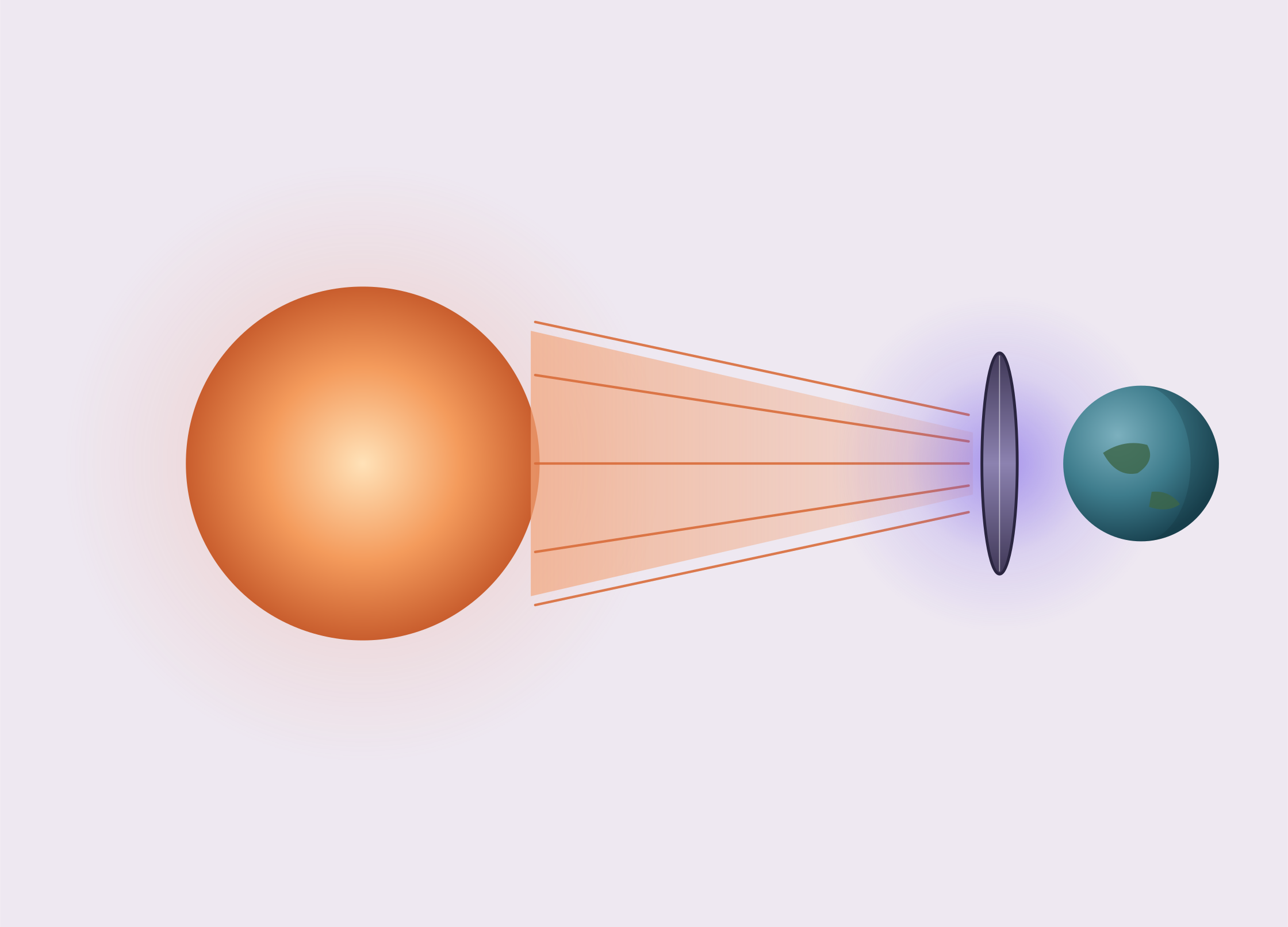
Ross Centers and Morgan Goodwin on building a literal sunshade for Earth, why SpaceX is really a Dyson Swarm company, and who ends up running the climate.
It's less sci-fi than I expected. The space industry is already building what you'd need.
SRM Is Coming Faster Than You Think — Ben Kalina on 15 Years Filming Climate’s Most Controversial Idea
How a country of 400,000 people declared AMOC collapse a national security threat before larger nations did. Páll Gunnarsson on what made it possible.
The climate stabilization field just had its first major public moment. Here's what it felt like in the room.