
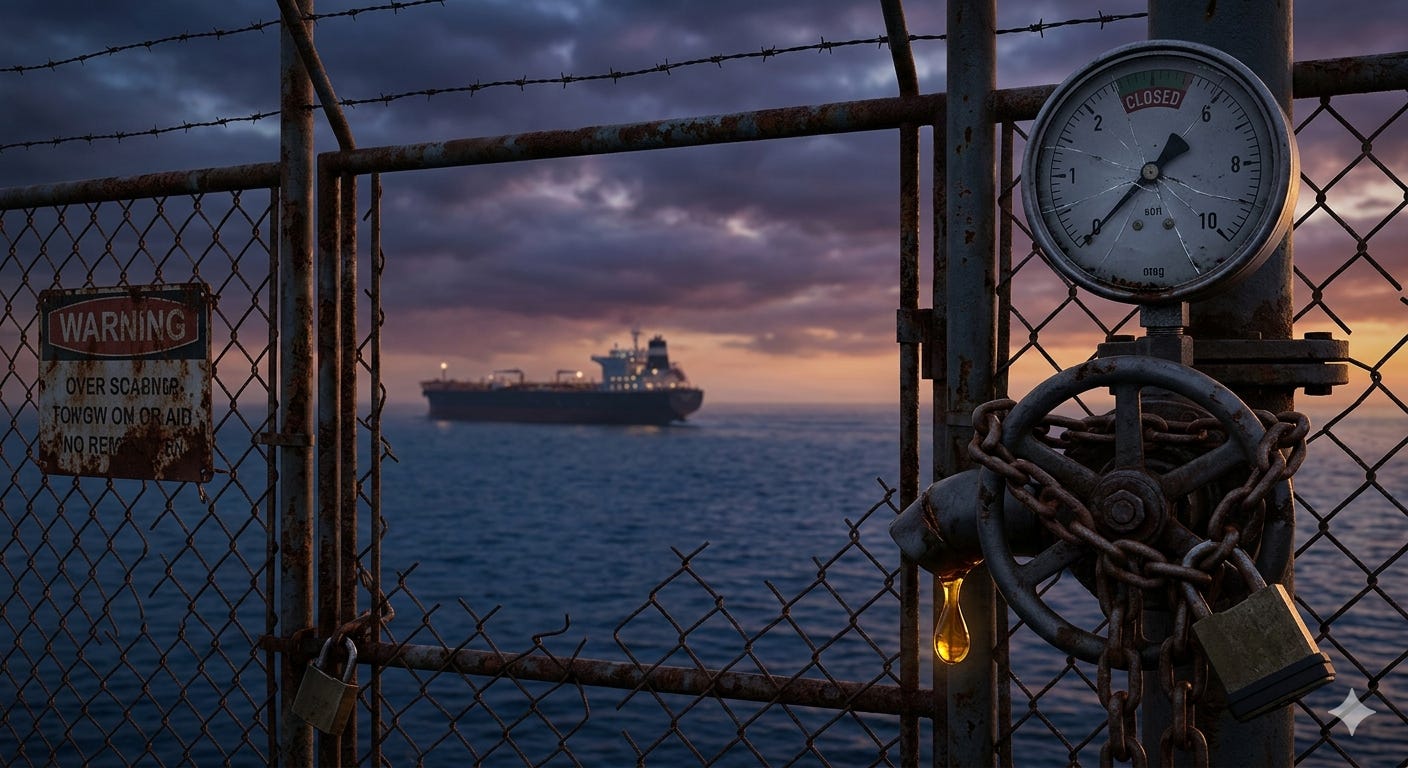
The deal between the US and Iran, we are told, is all but agreed on and will be signed this Friday. Will the US and Iran reach an agreement, how will that affect the rest of us, and what does the situation tell us so far?
There is very little information available on the possible terms of the agreement, and that in itself is very telling.
First, the document that is rumoured to be signed is a Memorandum of Understanding. Effectively, it is an agreement on the agreement to reach an agreement. Basically, they agreed to talk. And yet the terms of what they will discuss are already in play.
So far, the terms of the MoU have been leaked mostly by the Iranian side. Bloomberg claims to have seen a version of the document from somebody on the US side, while Reuters has reported on several conditions potentially presented by an Iranian source. What all of these versions have in common is that Iran’s wishlist is almost complete, while US interests are notably absent.
The Iranian Wishlist Galore
From what we understand based on the collective terms of all these leaks taken together, Iran will have oil sanctions lifted, allowing it to sell oil again, it will get its assets released, naval blockade lifted, ceasefire on all fronts, including Lebanon. Iran also gets to keep its ballistic programme. A full US military withdrawal from the Persian Gulf region is also on the list, as is the reconstruction programme worth minimum $300 billion, funded by US and “regional partners”. It might or might not be contingent on further talks, but these are effectively reparations. From the US. To Iran.
For that, Iran will consent to open the Strait of Hormuz, supposedly free of charge but under the control of Iran (and Oman) nevertheless. And it will pinky promise not to pursue nuclear weapons for an x number of years, although it will still continue enriching uranium. But it will allow in IAEA inspectors… because it worked the last time.
What these leaks and, in fact, the actual lack of information tells us is that the terms agreed are nothing to be proud of, at least when it comes to the US. While Iran seems to be happy to publicise them, the achievement the US is touting is the signing of the MoU, not the terms under which it will be (if at all) signed. That bad, eh?
This actually indicates that the deal might be struck. Since the goals of both parties are completely opposite — Iran needs its nuclear programme to maintain regional hegemony, influence over its terror proxies and continue its fight against Israel, while the United States wants to make sure Iran cannot do it — in order for the agreement to be reached, one side has to give up its goals. If even half of these terms are accurate, Iran seems to be getting a complete bucket list.
We might hope that not all of Iran’s wishes will be granted, however, the silence from Washington and Trump’s desperation for a deal might work in Iran’s favour here.
The Dues that Will Be Due
What does it mean for the rest of us? The ones who do not get the vote but still have to live with the consequences of the choice the US voters make. As usual, there are good news and bad news. Let’s start with the good news.
The Strait of Hormuz should be open at least for a while. Eventually, the Middle East will learn to diversify its shipping routes and the oil, fuel, and liquefied gas will reach the consumers without going through the Gulf. That might gradually reduce the influence Iran has achieved as a result of this war. However, that might take a while.
Now to the bad news. If the agreement is signed and if it is then kept, the US will have lost its influence in the Middle East. From now on, the power in the region will belong to Iran and its allies. Washington might think it still has a say, but after it presided over a debacle that resulted in Dubai losing the status of a desirable destination for the rich and powerful, cut down the Gulf state income and left Middle Eastern countries to fend for their own defence, Trump will not be getting any more airplanes or golden trinkets as bribes.
Iran will continue work on its ballistic programme. Considering that the current one posed a danger to the entire Middle East and painted a target over Europe, we are most likely not going to enjoy the new and improved one either.
As to the nuclear programme… Yeah, of course they will not pursue it. Why should they?
Support for Islamic terrorist organisations like Hezbollah, Hamas, and Houthis will remain. As will their collective fight against Israel, who will inevitably retaliate. Looking weak in the Middle East is tantamount to putting a bounty on one’s own head. Not a good idea for either of the sides.
On a larger scale, if Russia’s aggression against Ukraine has not taught the world the importance of having nuclear weapons, then the demise of the US hegemony in the region and Iran’s new-found influence should do the trick.
Same Problems, Larger Scale
Based on what we think we know, Iran has ample reasons to sign the deal. Even if the terms of the agreement are less favourable to Iran than reported, as long as it dangles the final agreement in front of Washington, it can extract concessions from the US and does not have to give up anything it is not willing to part with.
Whether or not an agreement is reached (and then adhered to), the threat Iran posed before the United States attacked it in February has not been removed. If anything, Iran is now stronger than ever, while Washington’s influence in the region is reduced to a bare minimum, leaving its one-time allies vulnerable. Iran has shown that a smaller actor can terrorise an entire region, get away with it and walk away with the prize. The oil might start flowing again, but the increased fuel supply and reduced prices might end up being a poor substitute for global stability.
No posts
Comments
Nothing yet. Say the first thing.
Sign in to join the conversation.