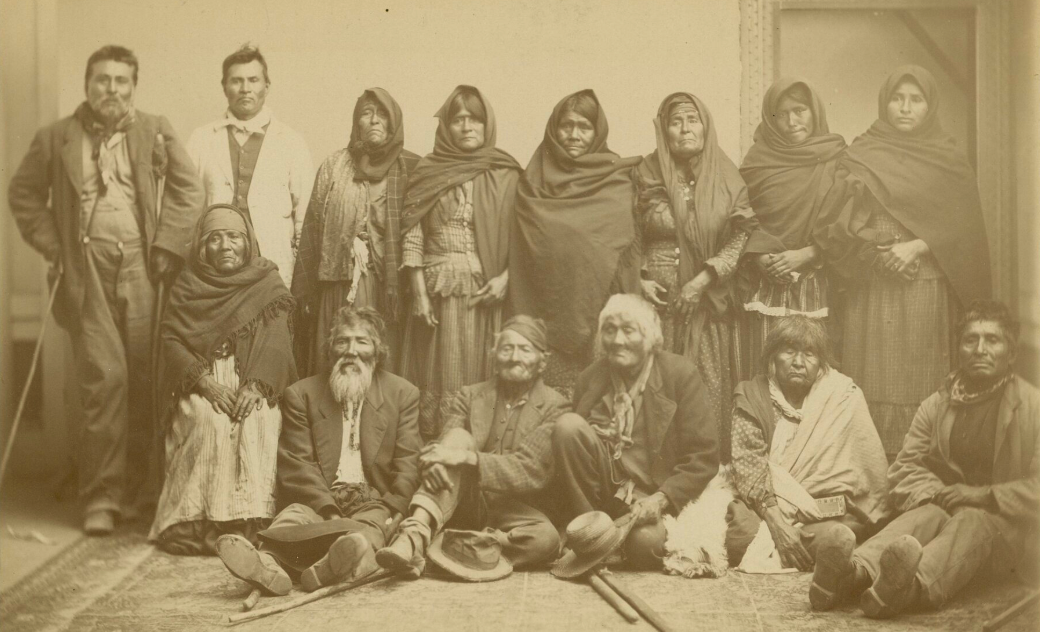
The Kumeyaay are believed to have occupied the San Diego Coastal Area for as many as 12,000 years. But when the Spaniards, Mexicans, and Americans came, they reduced the Indigenous occupants of this area to the status of landless peons. Over time, the Kumeyaay developed survival strategies in order to survive the occupation of others. Many would say they have not only survived, but thrived, thanks…
This presentation by John P. Schmal explains how census records can help researchers trace California ancestors from the U.S. Federal Census back to Spanish and Mexican California records. It covers research strategies, census limitations, the 1852 California Census, early Los Angeles and Santa Barbara padrones, Monterey censuses, and California Indian Census Rolls from 1928–1933.
Artificial intelligence can help genealogists summarize documents, transcribe difficult records, translate historical text, organize research notes, and identify inconsistencies. But AI is not a source, does not replace historical knowledge, and should never replace careful analysis of original records.
This presentation will discuss the history and language of the Chumash, as well as some of their neighbors. In addition to discussing their past, the presentation will explore the activities of the current Chumash groups and their neighbors. Currently there are at least 14 identified groups/bands of Chumash representing about 10,000 people with some Chumash ancestry. They all seek federal…
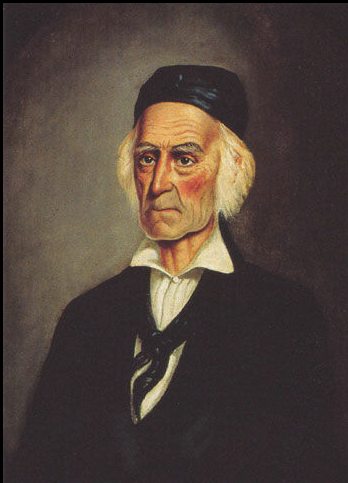
Nicci Lugo (1957-2026) was one of many descendants of Antonio Maria Lugo (1778-1860), a former soldier and prominent rancher who owned extensive land grants from the Spanish and Mexican governments. This article discusses the beginning of the Lugo presence in California in 1774 and tracks one branch of his family to the present day. Without a doubt, the Lugo family is probably the most famous…
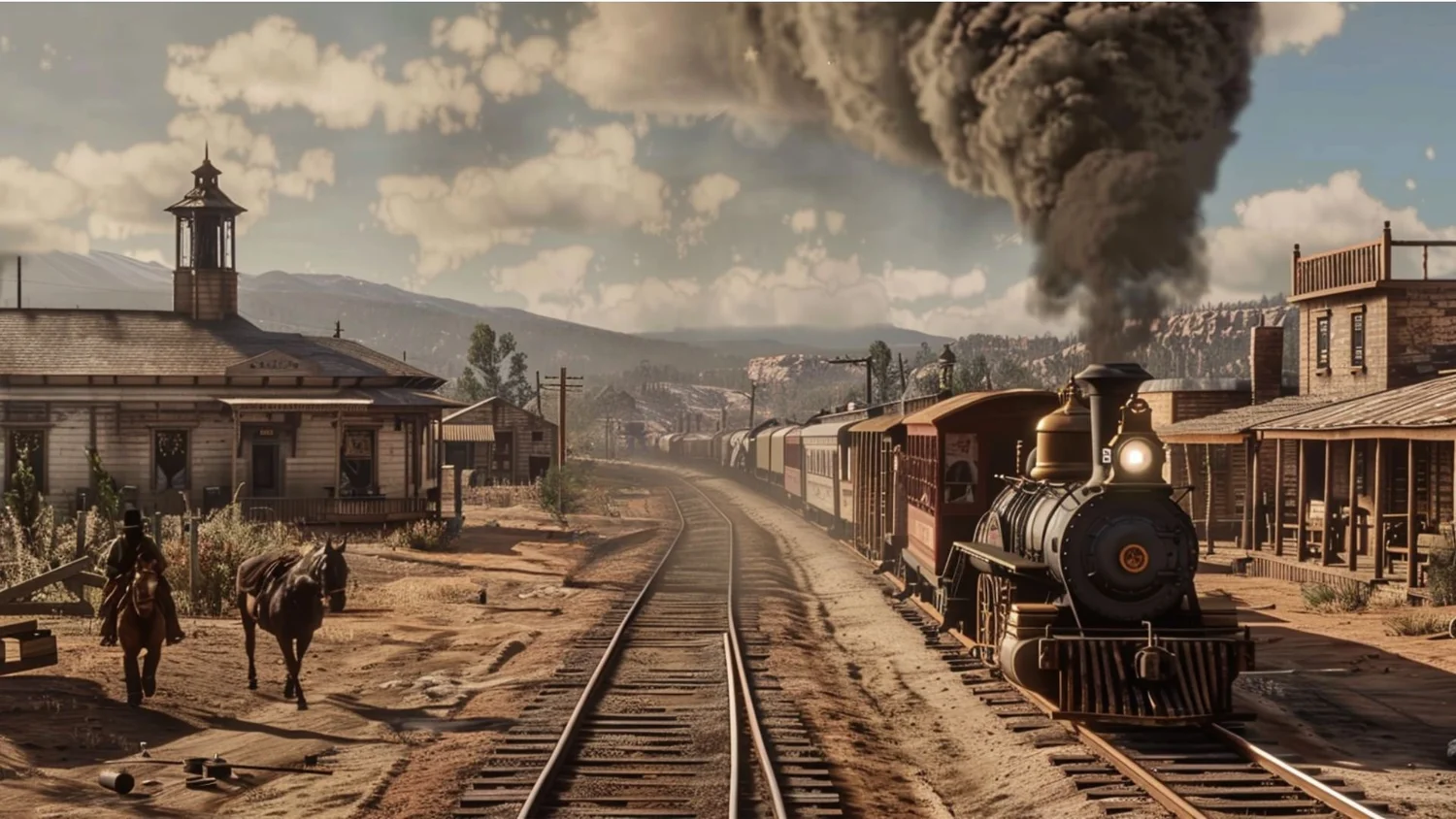
Jonathan explores the development of railroads across northwestern Mexico, focusing on Baja California, Sonora, Sinaloa, and Chihuahua. He examines the expansion of rail networks during the Porfiriato (1876–1911), the role of foreign investment and U.S. railroads, and the economic and cultural impact of rail transportation on mining, agriculture, and migration. The presentation also highlights key…
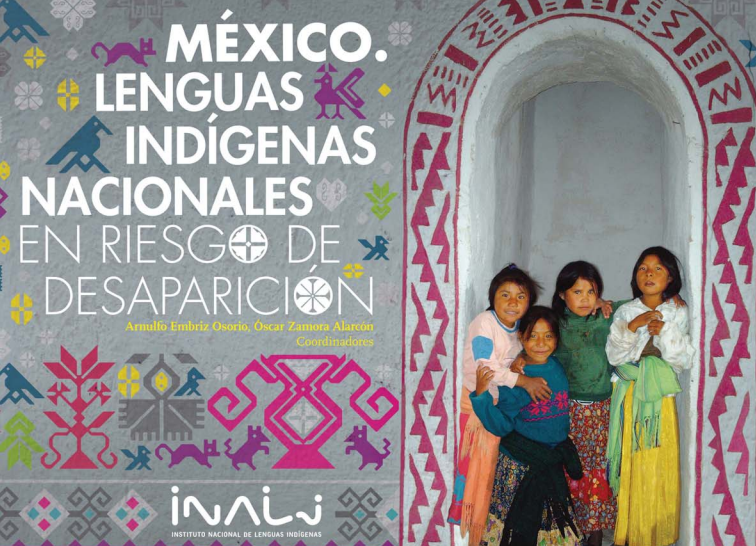
Mexico is considered a multicultural country with enormous linguistic diversity. However, many of its Indigenous languages are on the verge of disappearing and some of them may disappear completely in the near future. See why these languages are disappearing and what is being done to preserve them.
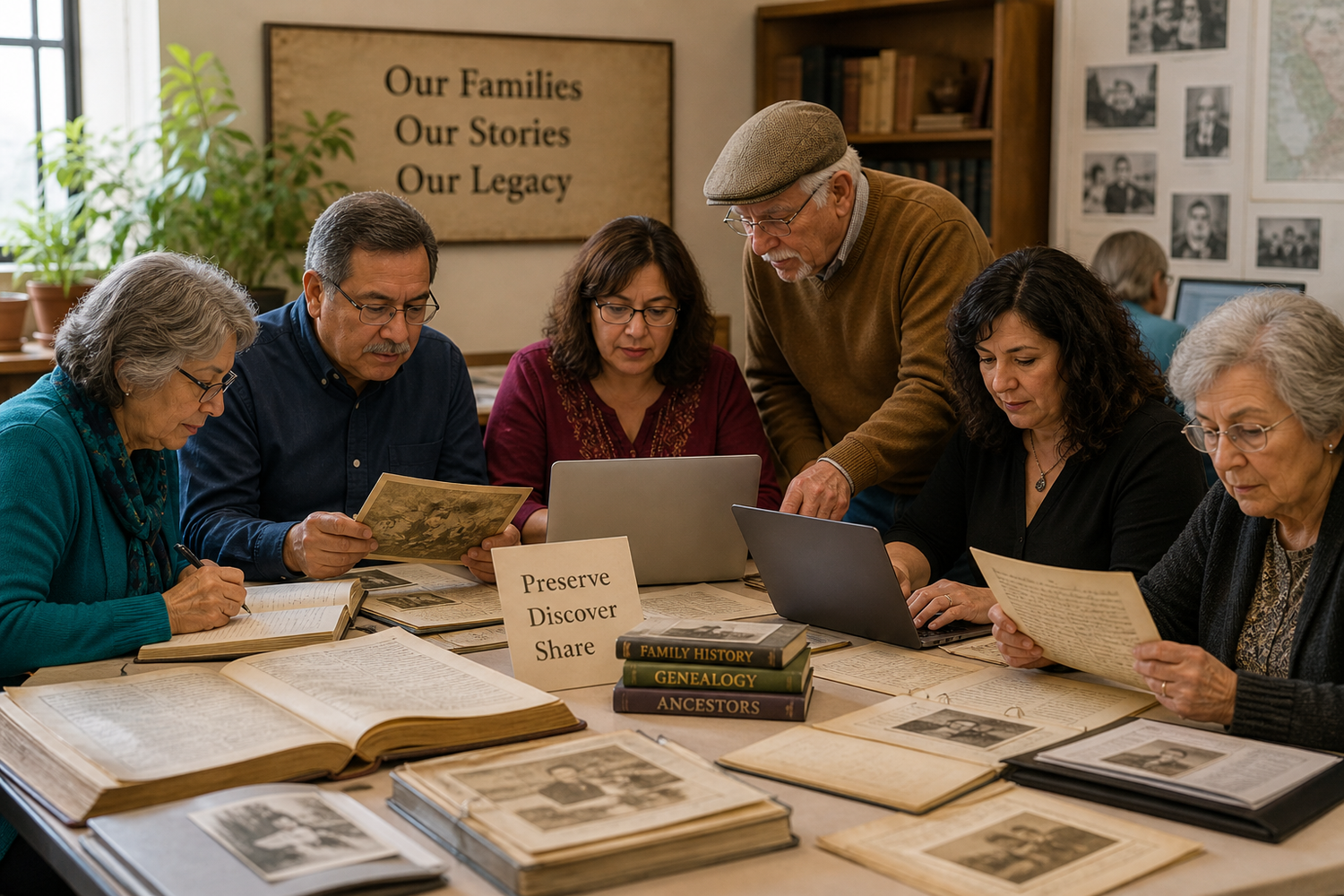
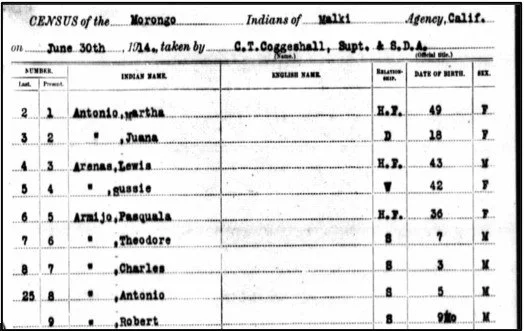
There are many methods of exploring your Indigenous California Roots. These include the California Mission Indians Records (Baptisms, Marriages & Burials) and the Huntington Library’s California Early Population Project. But the National Archives (NARA) can also be very helpful. It is also important for people to know that Ancestry.com has a database for all the Indian Censuses between 1885 and…
The Otomanguean Language Family is the most diverse language group of the ten language families of Mexico, consisting of 18 ethnic groups and 220 linguistic variants (i.e., dialects). In addition to discussing the present-day status of these languages, John P. Schmal will discuss the factors that influenced language diversification and development which led to the creation of so many Otomanguean…
The Story of the Lipan Apache of Texas is told on their website, one page of which has been reproduced here. https://www.lipanapache.org/LAT/aboutus.html Between the years of 1000 and 1400, a large group of Apache people moved south from Canada. Some of this group settled in Arizona, New Mexico, Utah, and Mexico. These groups which separated became the Navajo Nation, Lipan Apache, Chiricahua…