
The WHO COVID-19 Reference Laboratory Network, consisting of 26 laboratories across the world, began tracking SARS-CoV-2 mutations at the very beginning of the pandemic in early 2020. This network was established to provide “confirmatory testing for countries with limited testing capacity” and, from its inception, included the monitoring of viral evolution and mutation.
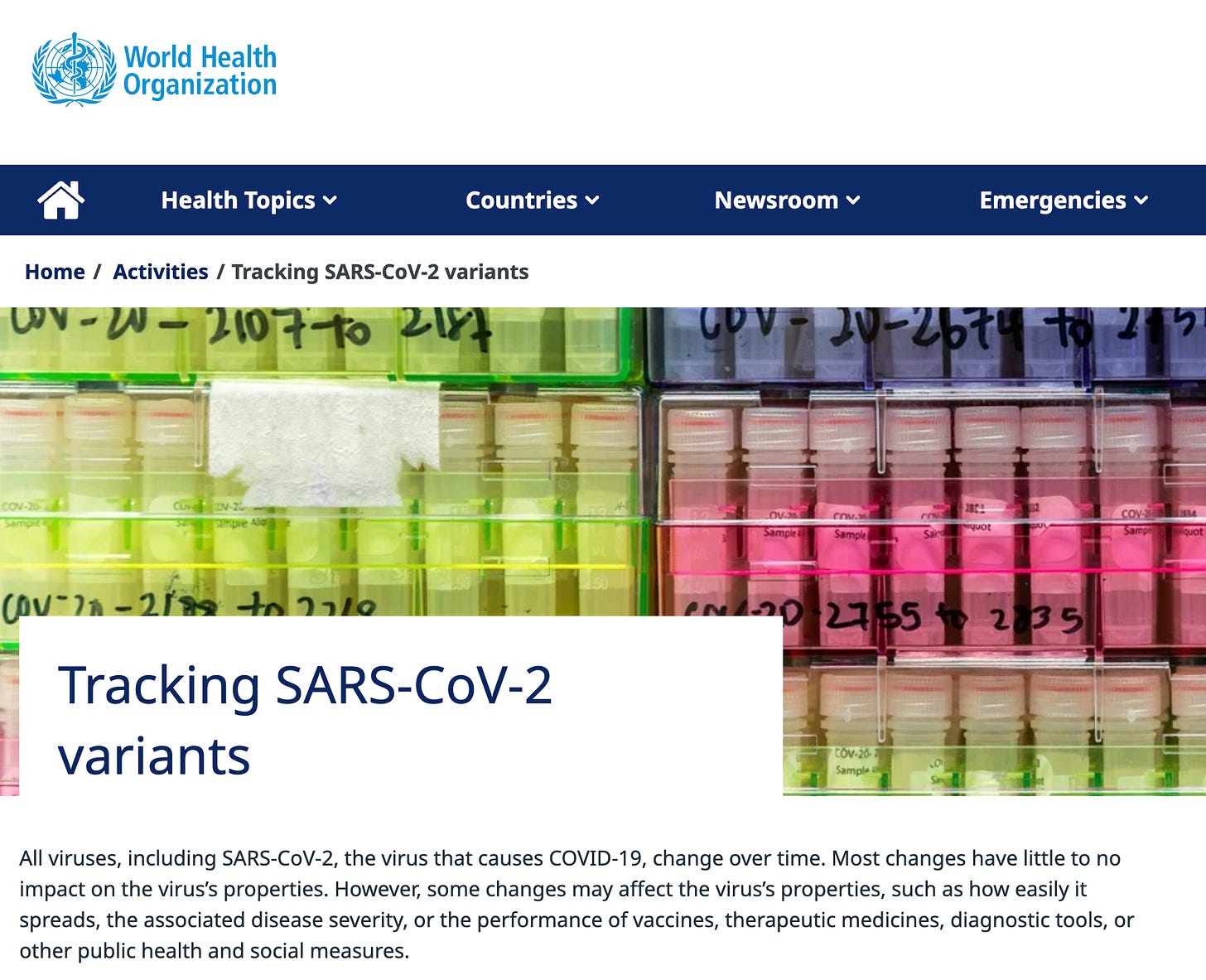
In June 2020, building from the reference laboratory network, WHO established the Virus Evolution Working Group (VEWG) to monitor and assess SARS-CoV-2 variants and their impact on public health measures.
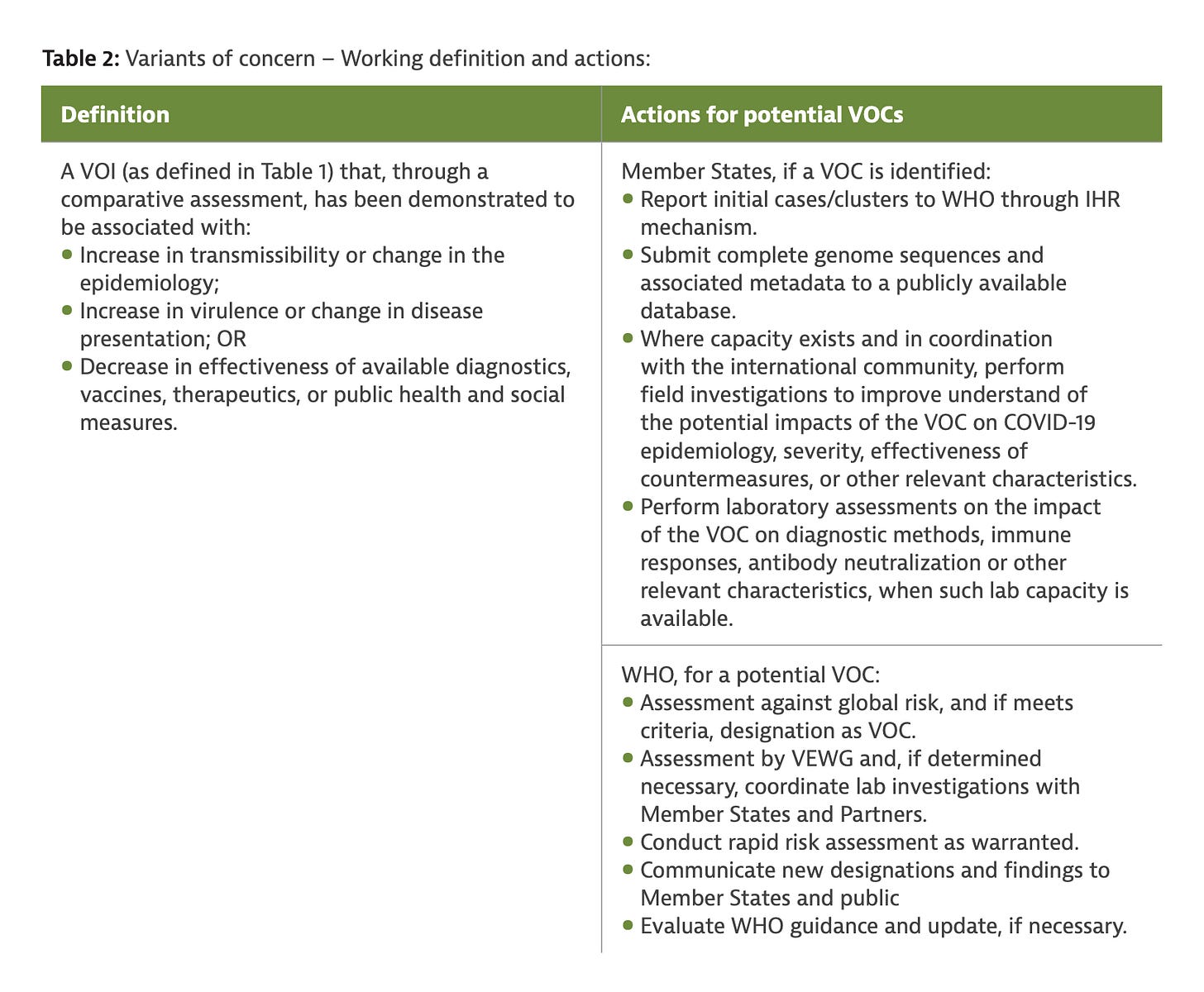
Both definitions for "Variant of Interest" (VOI) and "Variant of Concern" (VOC) were formalized through the VEWG, shaping international guidelines and global communication on COVID-19.
The group consists of 16 experts from 13 institutions representing expertise in sequencing, bioinformatics, and in vitro and in vivo studies.
The VEWG specifically focuses on:
Identification and prioritization of relevant mutations;
Monitor potential impact on viral characteristics (e.g., in virulence, transmission) and countermeasures (e.g., diagnostics, vaccines, therapeutics);
Research the impact of specific mutations – including technical discussions and coordination among peers; laboratory in vitro and in vivo studies;
Contribute to the evaluation of possible mitigation strategies to reduce the negative impact of mutations; and
Provide scientific advice regarding classification of variants as VOI or VOC.
The SARS-CoV-2 Alpha variant (B.1.1.7), first detected in the UK in September 2020, was among the first to be designated as a VOC by the WHO on 18 December 2020, followed shortly by the Beta (B.1.351: South Africa) and Gamma (P.1: Brazil) variants.
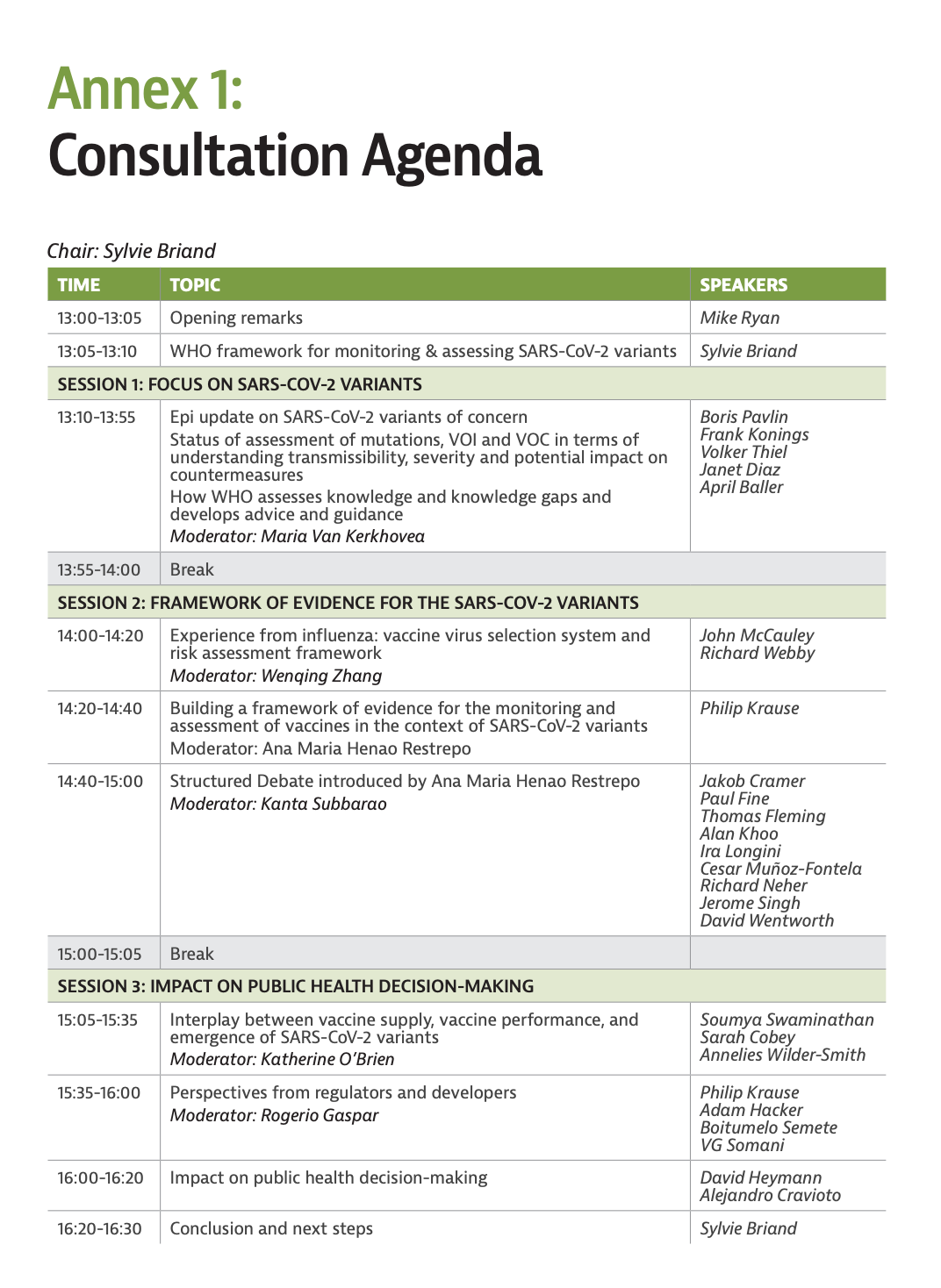
The first global consultation on SARS-CoV-2 Variants of Concern and the Impact on Public Health Interventions, took place in at the WHO’s headquarters in Geneva on March 29, 2021.
Apr. 26, 2022
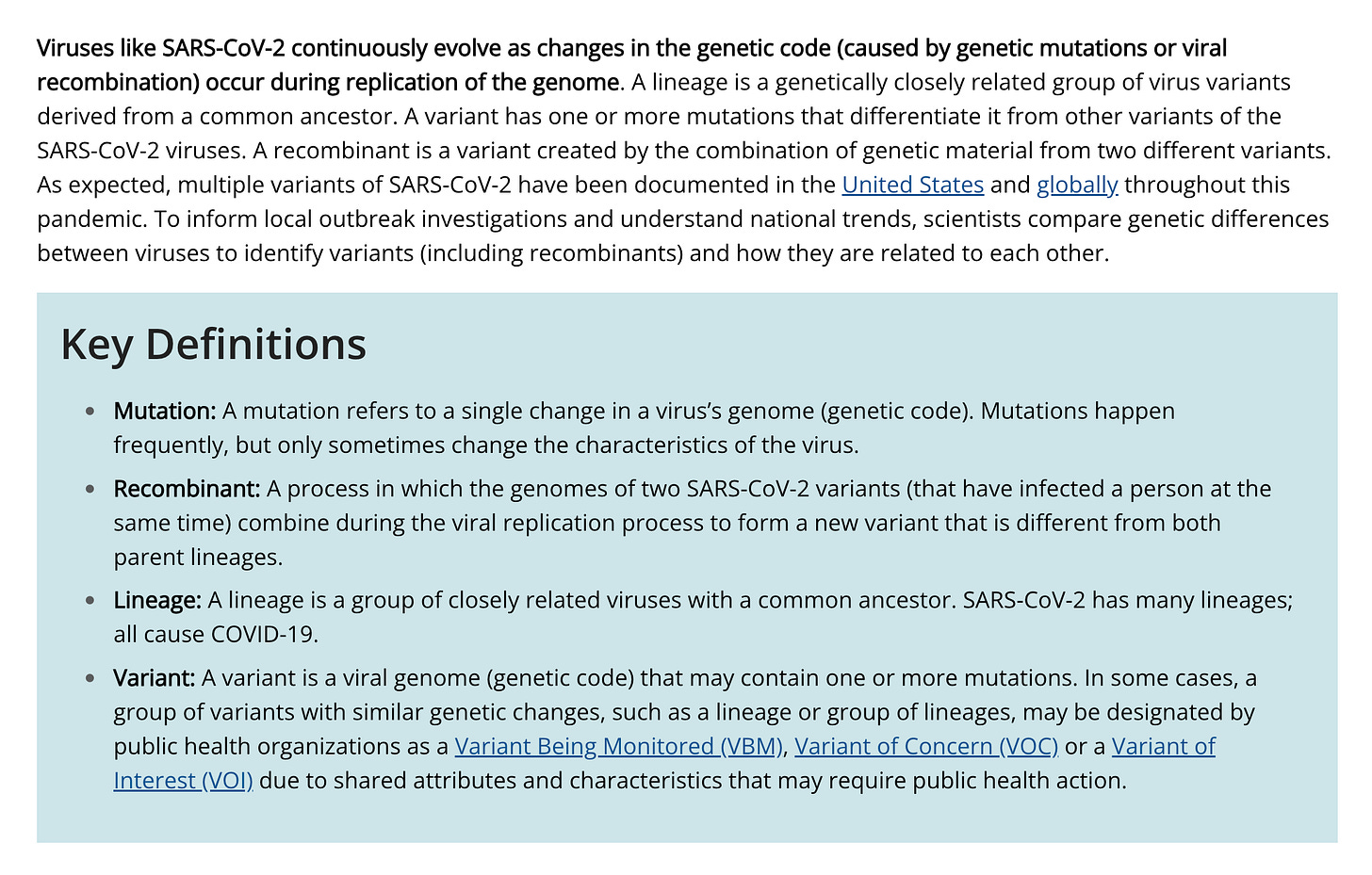
For an in-depth overview of the differences between variants, lineages and sublineages, as well as the Pango system, check out the article below.
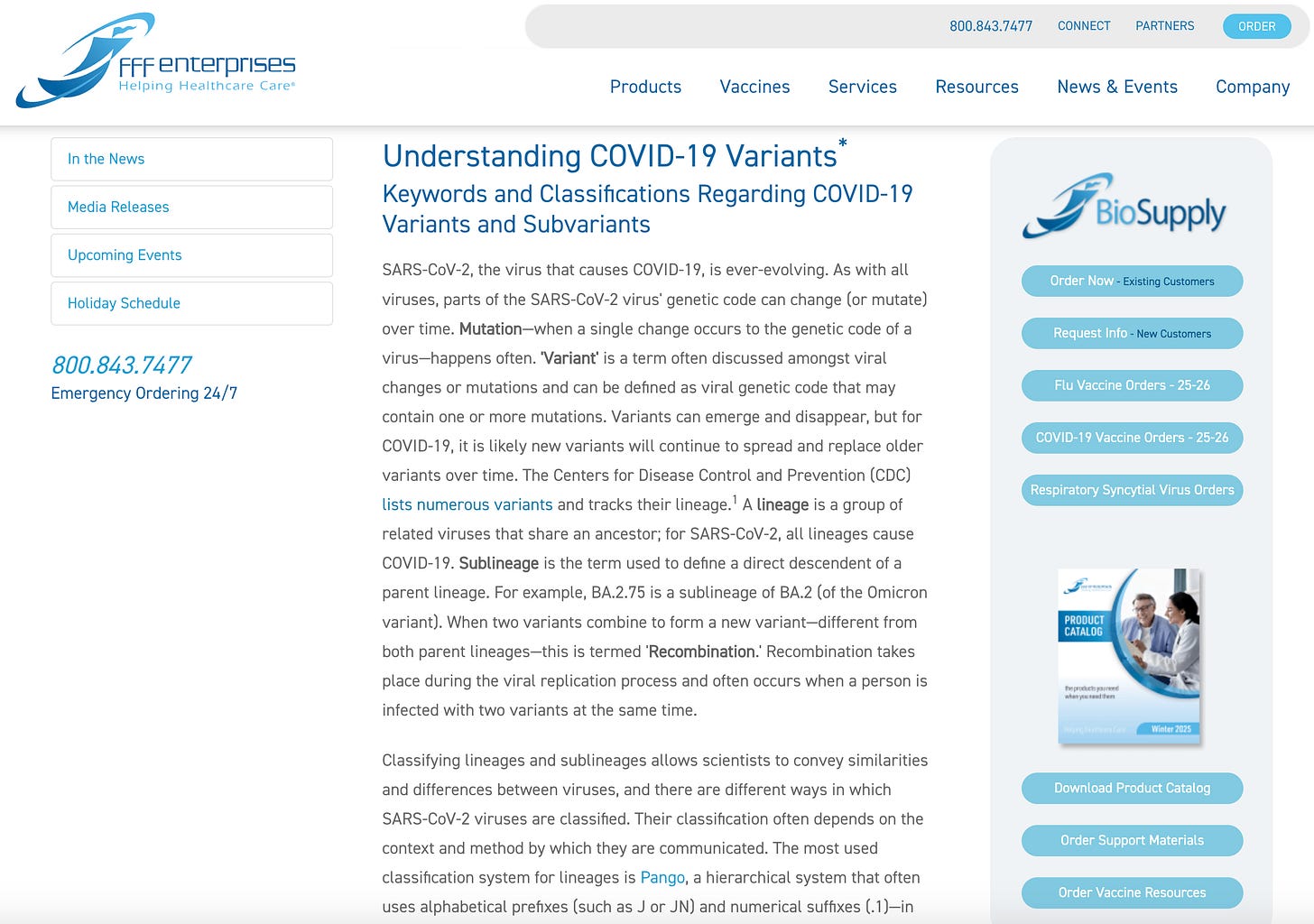
TheRightDoctors’ video:
WHO expert explains how variants of interest differ from variants of concern
June 20, 2021
“Speaking in the live Q&A session held by the World Health Organization, American epidemiologist Maria Van Kerkhove explained how variants of interest differ from variants of concern and how a variant of interest may become a variant of concern. Variants carrying mutations that may increase transmissibility or severity of infection are variants of interest whereas variants that have demonstrated their increased transmissibility are variants of concern.”
This maintains the population in a constant state of uncertainty in an ever-evolving viral public health threat.
A phylogenic family tree, or evolutionary tree, is mapped to help track mutations of the virus—primarily prepared and shared via Nextstrain and the Global Initiative on Sharing All Influenza Data (GISAID) who collect and catalogue the genomic data.

“The GISAID platform was launched on the occasion of the Sixty-first World Health Assembly in May 2008. Created as an alternative to the public domain sharing model, GISAID's sharing mechanism took into account the concerns of Member States by providing a publicly accessible database designed by scientist for scientist, to improve the sharing of influenza data.
Since its launch, GISAID plays an essential role in the sharing of data among the WHO Collaborating Centers and National Influenza Centers for the bi-annual influenza vaccine virus recommendations by the WHO Global Influenza Surveillance and Response System (GISRS).”

Nextstrain is an open-source project designed “to harness the scientific and public health potential of pathogen genome data,” run under the leadership of Prof. Trevor Bedford and Prof. Richard Neher.
The project is largely financed and supported by research grants from institutions like the National Institutes of Health (NIH), the University of Basel (where Prof. Neher works), the Fred Hutchinson Cancer Research Center (where Prof. Bedford works) and the Wellcome Trust.
Two months after the first global consultation on SARS-CoV-2 Variants of Concern and the Impact on Public Health Interventions in 2021, the VEWG disclosed its first guidelines for member states.
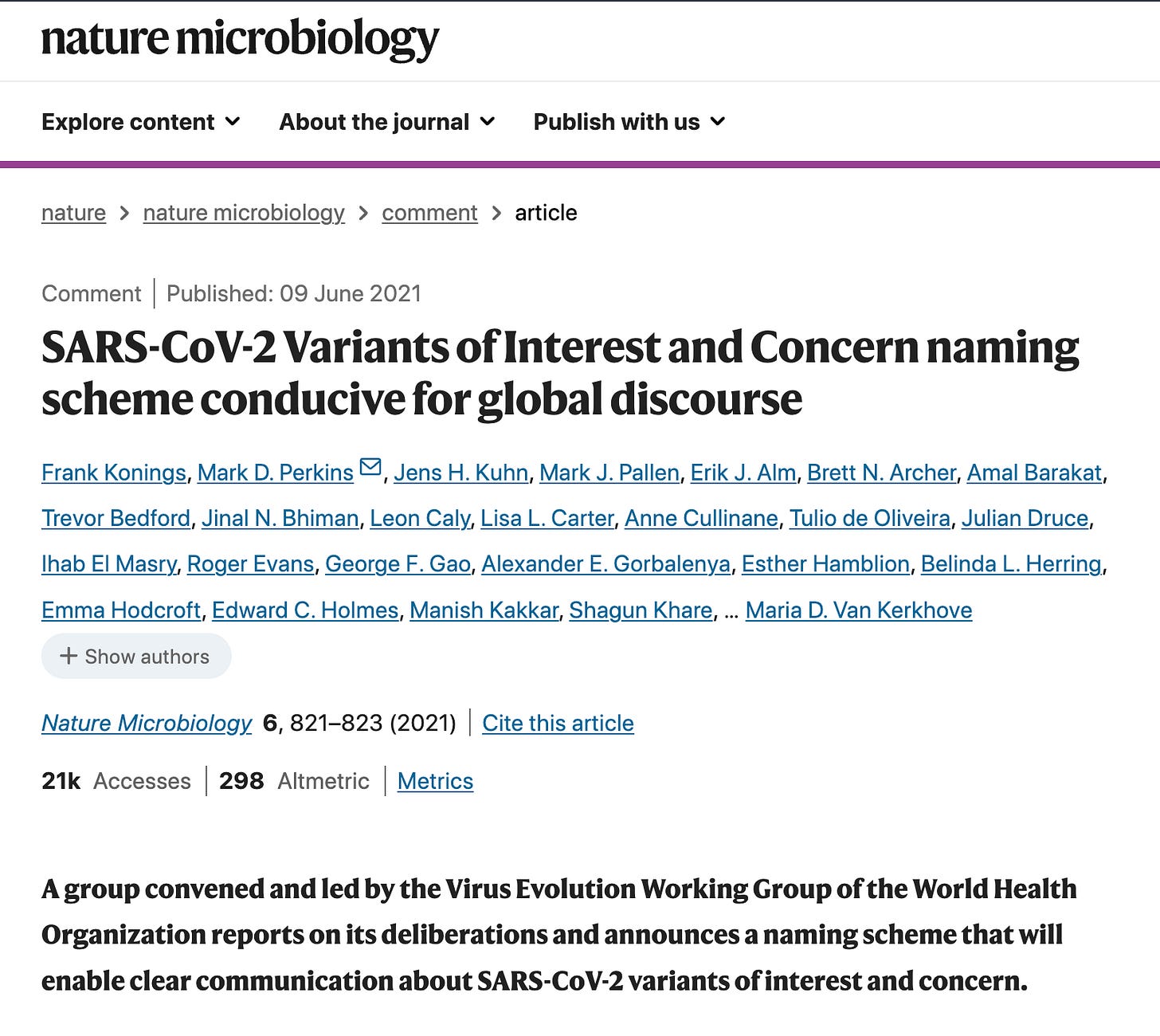
On 31st May 2021, the VEWG announced its official recommendations for naming SARS-CoV-2 VOCs and VOIs, and ten days later published a comment in the medical journal Nature Microbiology and Medical Science Monitor.
The global pandemic of COVID-19 due to SARS-CoV-2 infection has identified thousands of genome sequences of the virus [1,2]. SARS-CoV-2 has a linear positive-sense RNA genome and continually adapts by random genome mutations as part of natural selection. Only a few SARS-CoV-2 mutations may provide a selective advantage that may allow the virus to evade the host immune response or resist antiviral drugs, or increase transmissibility. In the past 18 months, there has been a lack of a coherent scheme for naming variants of concern (VOCs) and variants of interest (VOIs) of SARS-CoV-2. Three scientific nomenclature systems have been used to identify and track SARS-CoV-2 genotypes, including the Global Initiative on Sharing All Influenza Data (GISAID), Nextstrain, and Pango [3]. The most common scientific nomenclature has used the Pango virus nomenclature of active phylogenetic virus lineages based on the influenza virus naming system [3].
Parums V.. Editorial: Revised World Health Organization (WHO) Terminology for Variants of Concern and Variants of Interest of SARS-CoV-2. Med Sci Monit. 2021 Jun 21;27:e933622. doi: 10.12659/MSM.933622. PMID: 34149046; PMCID: PMC8230247.
Since late 2021, the VEWG has evolved into the formal Technical Advisory Group on SARS-CoV-2 Virus Evolution (TAG-VE), which currently includes about 25 scientists representing different regions and specialties. The names of specific members in the original June 2020 group are not disclosed in public WHO documentation, but the group’s membership was “designed to ensure representation from key scientific disciplines and global regions.” It was also intended to provide a multidisciplinary, international perspective on SARS-CoV-2 evolution and variant assessment.
Dr. Sylvie Briand and Dr. Frank Konings were among WHO’s experts providing overviews of WHO’s approach to variant monitoring at early global consultations.
Infectious disease expert Dr. Briand has long worked for WHO, notably as director of the department of epidemic and pandemic preparedness and as of June 16, 2025, she replaced Sir Jeremy Farrar as WHO’s Chief Scientist.
PCR tests provide rapid initial variant screening, while whole genome sequencing and advanced computational tools “confirm and discover variants,” enabling real-time monitoring and “appropriate public health responses.”
This year, some of the most prevalent and monitored COVID-19 variants of concern have included NB1.8.1, reported in late May 2025 – an Omnicron subvariant dominant in Australia and Asia. XEC, which is a “recombinant variant dominant in some countries and said to account for a large share of infections. Other notable monitored variants spreading over the summer are JN.1, KP.2, and KP.3 — Omicron subvariants with increased transmissibility and some immune evasion properties. These variants have largely replaced earlier ones like EG.5 (”Eris”) and FL.1.5.1 (”Fornax”) from early 2024.
The “Frankenstein” variant is a nickname for one the latest COVID-19 variants known as XFG, also called the “Stratus” variant. It is a recombinant variant that combines genetic material from two earlier Omicron sublineages, LF.7 and LP.8.1.2. This recombinant nature, assembling parts from different virus lines, inspired the nickname “Frankenstein.”
Naming a variant “Frankenstein” is a fitting homage to viral taxonomy’s patchwork nature—because nothing says “scientific rigor” like branding a virus after a monster stitched together in a lab of media hype and public fear.
With new terms being created, and existing definitions modified it is easy to shape the narrative and sway public opinion. That is until people see through the manipulation of language and distortion of reality, lifting the veil on the deception and diversion of attention.
In the land of viral tales and fears,
Where Nimbus floats and Stratus nears,
The Frankenstein’s stitched from bits and traits,
A viral monster that headlines creates.
Fear’s the currency, fear’s the game,
Each variant mining public blame,
Yet severity remains subdued,
Still the headlines scream renewed.
Oh, the virus evolves—so what’s the news?
A cycle spun to tighten the screws,
With new vaccines and products to sell,
The fearmongers ring the variant bell.
No posts
Comments
Nothing yet. Say the first thing.
Sign in to join the conversation.