
👋 Hello, Idris here! Welcome to this week's Indieniche newsletter. Each week, I feature tips and stories from successful self-made founders, share insights on building great products, talk about growing your business, and showcase essential tools to help you build and scale better.
If you've found this newsletter helpful, please spread the word to your friends and consider subscribing if you haven't yet.
In this interview, Žilvinas shares how building for his own child led to a simple but effective product. He talks about why most apps for toddlers felt too complex and overstimulating. Today, BabyScroll has made over $100K with steady organic growth.
Žilvinas shares:
His backstory and how he started.
How he got his first free and paid customers for his product.
What was effective in attracting customers to his product?
His competitive advantages, what gives him an edge, and insights that have proven beneficial to his operations.
Which books, podcasts, or other resources have had the greatest impact on him.
Advice he'd offer to entrepreneurs who are just starting out.
Hi, my name is Žilvinas. I’m a solo iOS developer and I built an app called BabyScroll. It’s designed for toddlers between 12 and 24 months. The idea is simple, it gives parents a bit of breathing room while keeping their child safely entertained on the phone.
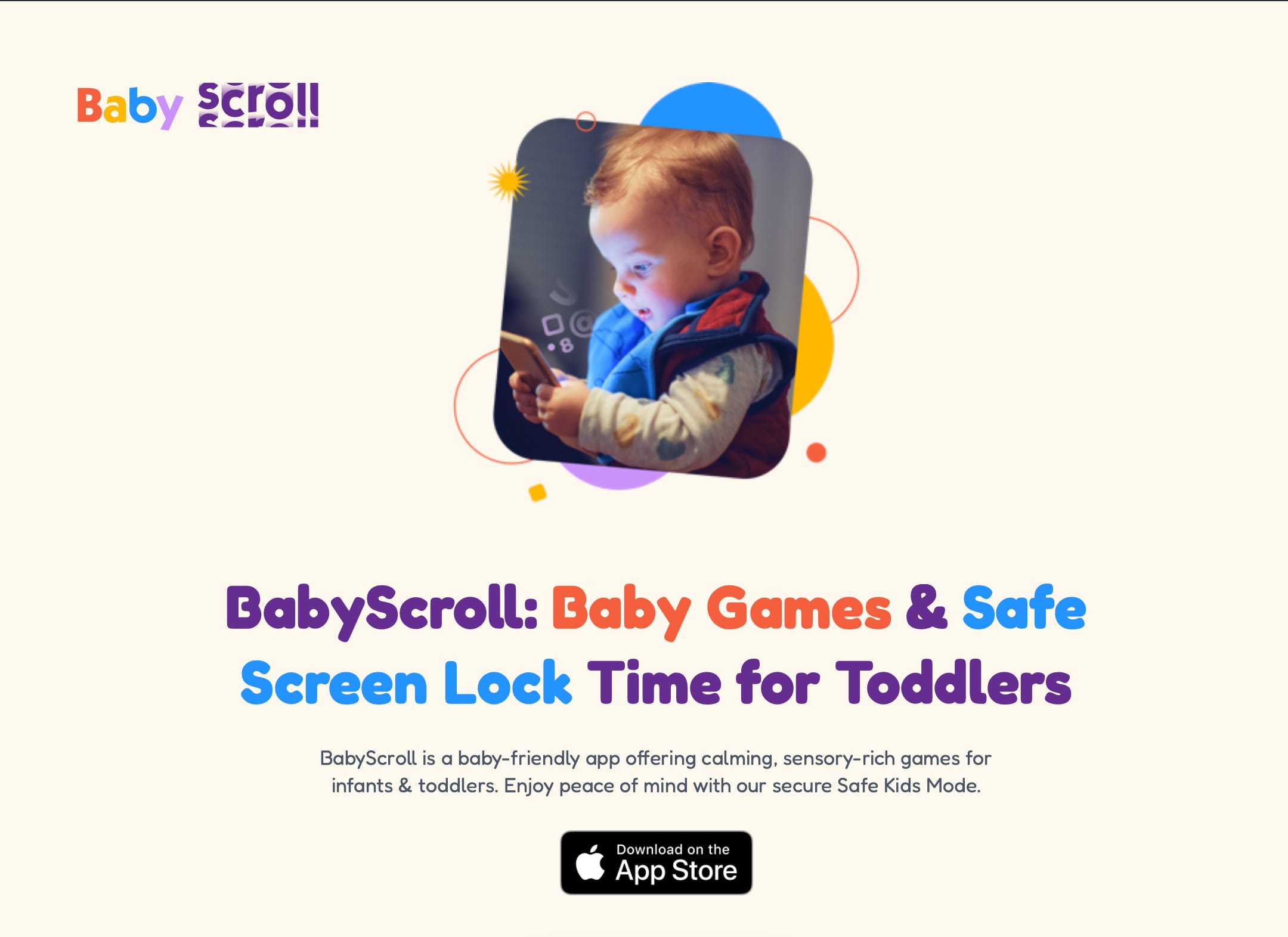
About five years ago, my wife and I had our first child. By 2022, I started noticing something frustrating.
Platforms like YouTube could keep a toddler busy, but they’re way too overstimulating. At the same time, most “baby apps” I tried felt unnecessarily complex.
On top of that, my son would constantly exit the app and end up tapping into random parts of the phone.
That’s where the idea for BabyScroll came from. I wanted something really simple, Just a vertical feed of interactive elements that react when tapped.
I also built it to work with Guided Access, so with a quick triple-tap, the phone stays locked in the app.
After I released it, I started seeing that other parents had the exact same problem, and the app clicked with people pretty quickly.

The idea of using a vertical feed came naturally, probably influenced by social media apps.
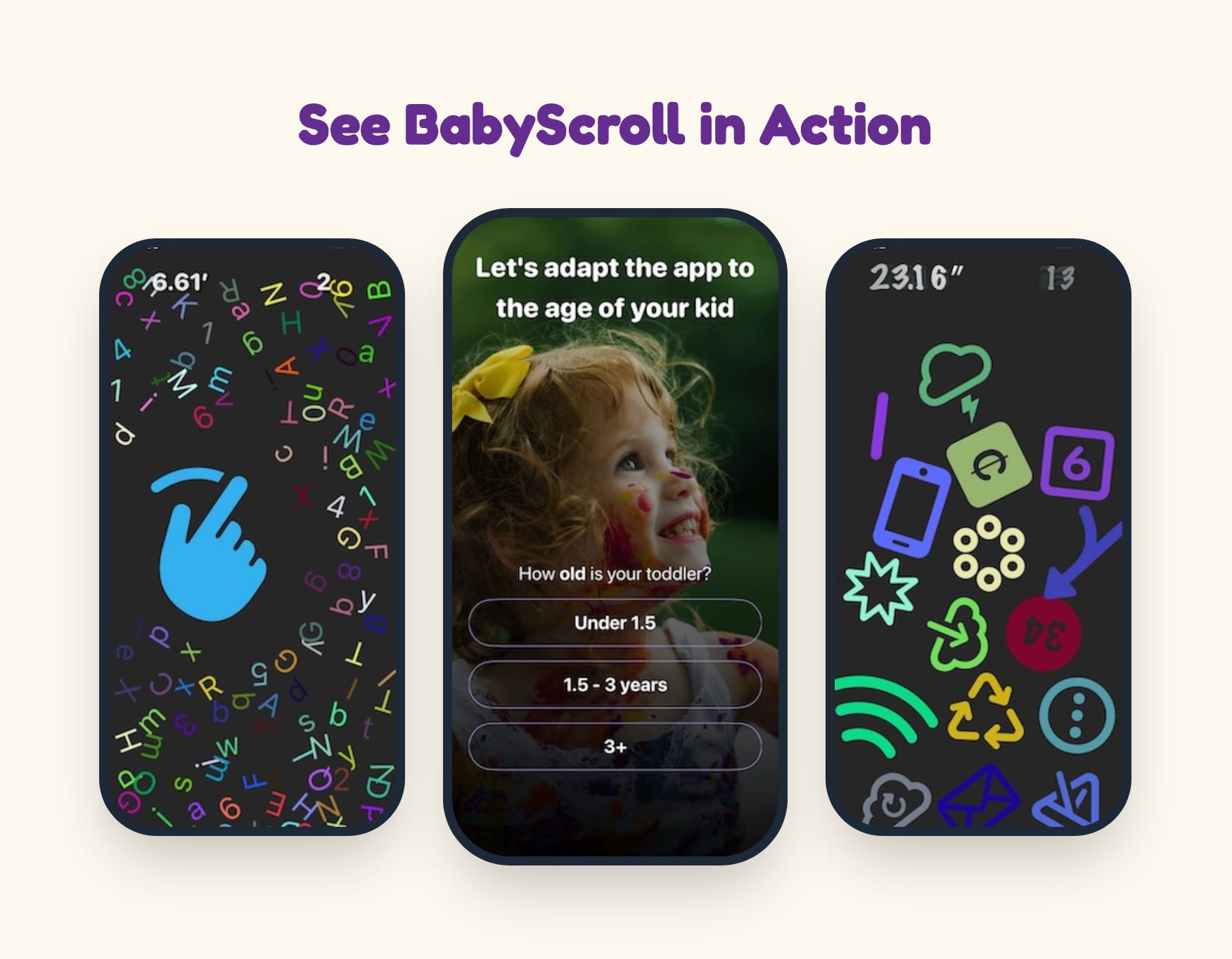
I built an endless feed that renders simple things like bubbles, rattles, and soft visual elements. Each tap creates a response, so there’s always something happening without the child needing to understand anything.
My first tester was my son. I’d give him the phone and just watch what he engaged with.
Bubbles, gentle sounds, and high-contrast visuals worked the best. The simpler it was, the better it performed. That feedback shaped most of the early decisions.
Just me. I handled the coding, design, and marketing on my own. No co-founders.
Right now it’s about 1.5K new users per month, all organic.
All installs are organic right now. In terms of conversion, about 25.5% of users start a trial, and around 9.2% convert to paying.

I did experiment with paid ads on Meta over time and spent around $15K in total. They weren’t profitable directly, so I stopped. But interestingly, even after stopping ads, I noticed that traffic kept growing gradually. So while ads didn’t work in the short term, they may have had some long-term effect on visibility.
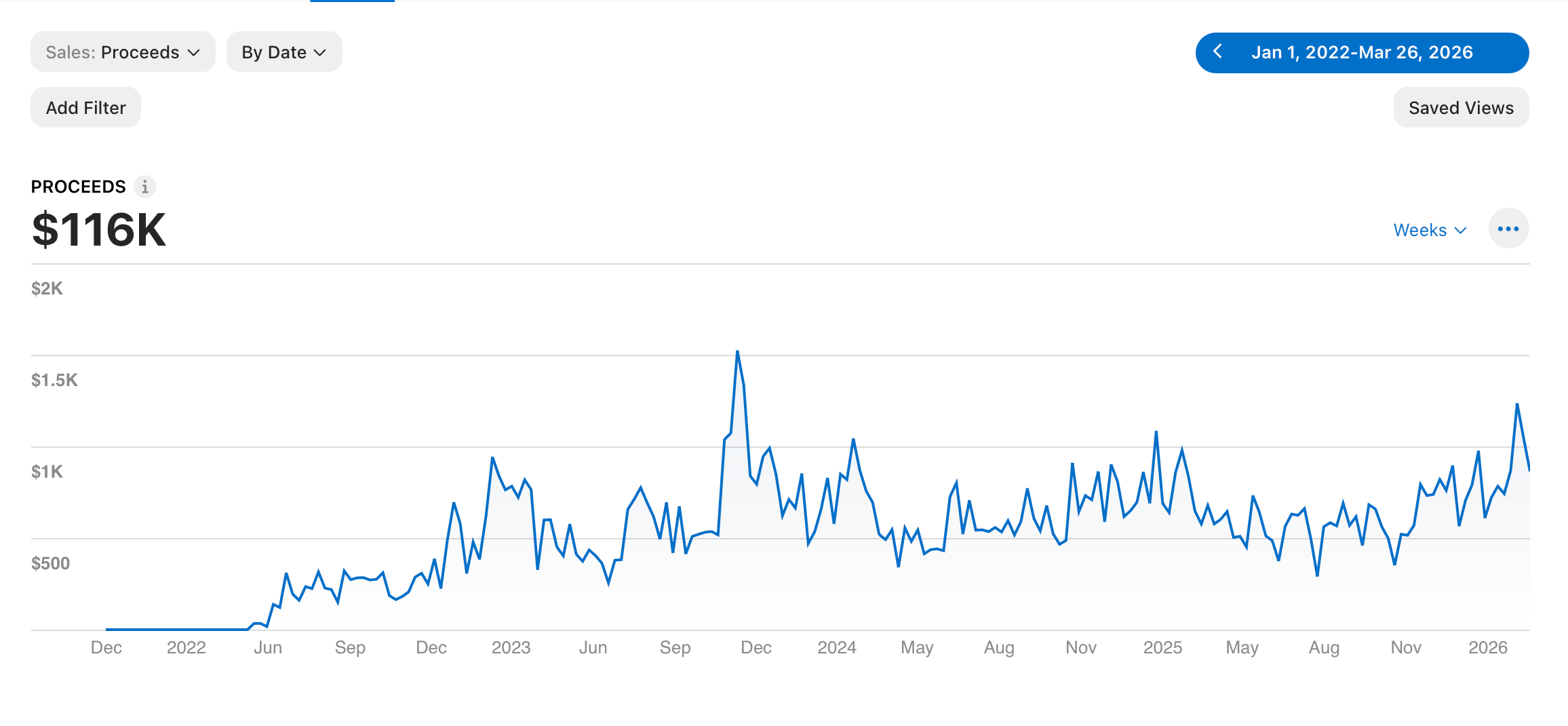
The app has made over $100K so far. Right now, I’m focusing on improving the website and working more on SEO to grow traffic further.
Two things stand out.
First is onboarding. It’s extremely important. I try to treat onboarding with the same level of attention as the product itself, constantly improving and testing it.
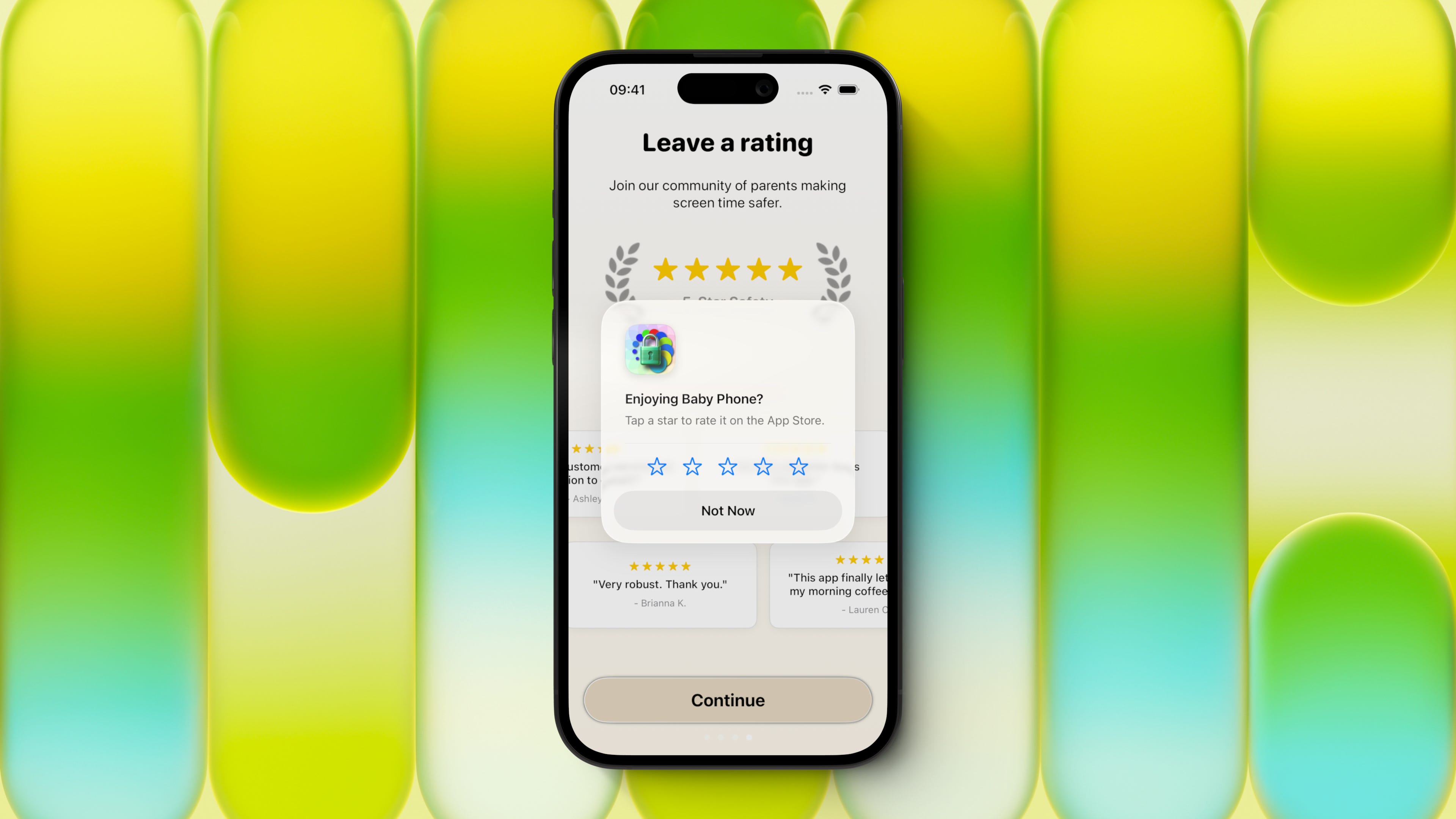
Second is when you ask for ratings. That moment really matters. Getting it right can have a big impact on how the app performs over time.
I use RevenueCat for payments.
Foxdata for ASO tracking.
I built my site using Codex.
Figma for design work.
And Rotato for creating device mockups.
I’ve learned a lot from Ariel at Appfigures on YouTube, especially around ASO.
Starter Story is another one I follow for inspiration from other founders.
Solve a problem you face personally. By building for my own son, I knew exactly which frustrations to fix. When you are the target audience, your 'intuition' becomes your best development tool.
Keep it simple and launch early. Strip away the menus and the 'nice-to-haves' to focus on one core interaction that works. Let your first users (or even your own kids!) show you what’s actually worth building.
No, not at the moment.
Thank you for taking the time to answer these questions! What is your contact info if people would like to inquire about your services? You can add all your links.
Great! Thank you. Here’s my LinkedIn, and my Reddit!
Let me know what you learned from this interview and have a productive week! 🙏

If people don’t understand what your product does in five seconds, they won’t try to understand it in ten. Most founders don’t have a product problem, they have a clarity problem. Open your landing page and read the first line. If someone new has to think about what you mean, rewrite it. The easiest way to test this is simple. Show it to someone outside your space and ask them what they think you do. If they hesitate or guess wrong, you’ve got work to do.
Photopea
If you’ve ever needed Photoshop for something small, a quick edit, resizing an image, tweaking a design, you know how annoying it is to install heavy software or pay for a subscription just to do one thing. Photopea runs entirely in your browser and looks almost identical to Photoshop. You can open PSD files, edit images, design graphics, and export everything without downloading anything. It’s fast, free, and works on pretty much any device.
Which company started as a tool to help people check if their website was down?

Do you have a product you'd like to share with our community of over 3,000+ indie niche founders?
Drop us a line detailing what makes your product stand out, whether it's a SaaS, marketplace, app, newsletter, or anything else innovative. We're eager to hear from you!
We will pick a product to feature in next week’s newsletter. Thanks for sharing and looking forward to hearing from you.
Comments
Nothing yet. Say the first thing.
Sign in to join the conversation.