
Communicating is good. Communicating effectively is an art.
A press release is not meant to “bring in users” overnight. Its real purpose is to build awareness, establish credibility, and reach the right audiences: investors, decision-makers, and media outlets.
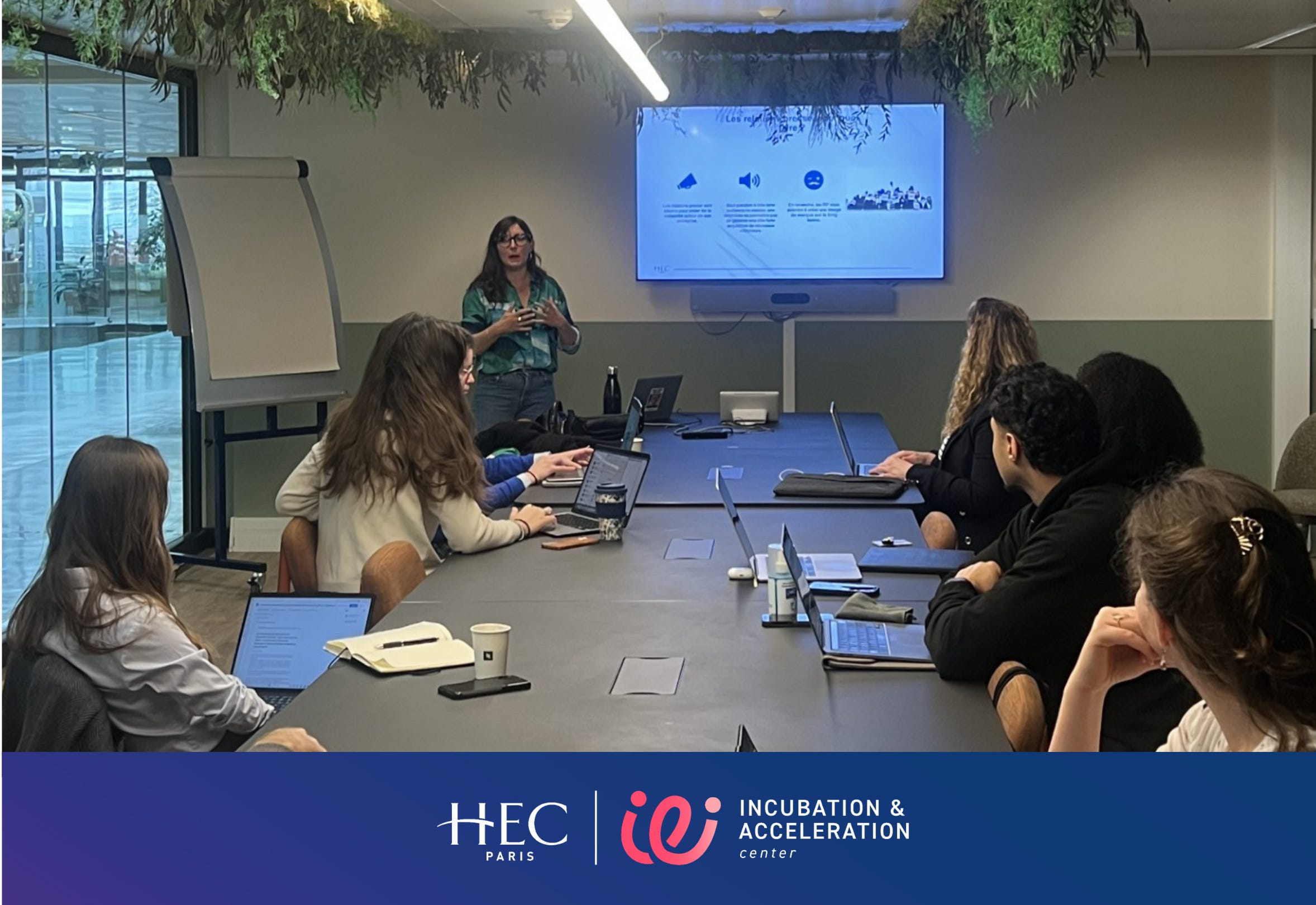
During a workshop at Station F, Julie Dobiecki, Head of Press Relations at HEC Paris, shared her insights on how to turn a piece of news into meaningful media coverage.
In this article, we summarize the 10 commandments to ensure your press release actually gets picked up by journalists.
Only write a press release if you have real news.
Fundraising, a major launch, a strategic partnership, market expansion—don’t issue a press release just to “announce you exist.” It serves your reputation, not your ego.Target the right journalist, not “the newsroom.”
Every outlet has its specialists. Identify the journalist who covers your space (fintech, impact, retail, AI…) and reach out directly. A generic email blasted to 200 journalists = trash.Lead with the 4 Ws (What, When, Where, Why).
No suspense. A journalist should understand your announcement in 5 seconds. The headline and subhead should be enough to convey your story.Cut the marketing fluff.
No “world leader,” “revolutionary,” or “game changer.” Stick to facts—journalists will form their own judgment. The more neutral your tone, the better your chances.Use numbers. Always.
Funding amount, number of clients, growth, market size, targets, market share, investor tickets… Journalists rely on data. No numbers = no story (or not in top-tier media).Adapt your angle to the outlet.
Les Échos → business, funding, traction
Trade media → use case, industry insights
Regional press → local footprintSame story, different angles.
Keep it short. Very short.
Clear email subject line, 6–8 lines max for your pitch, and a structured press release. Journalists receive hundreds of emails a day—waste their time, and you’re out.Respect timing and channels.
Send via email (not LinkedIn), between 8–10 a.m., never Friday evening, never during breaking news. Follow up after 3–4 days (or 48h for very timely news).Use embargoes wisely.
For major announcements, brief key media up to 10 days in advance, with a shared publication date/time. If a strategic outlet wants an exclusive (e.g., Les Échos), you can grant it—but do so knowinglyBuild relationships over time.
Read their articles, engage thoughtfully, suggest meetings, respond quickly when they reach out. The best press release is often the one sent to a journalist who already knows you.
These best practices are grounded in the field experience of Julie Dobiecki, who supports startups in crafting impactful, media-ready press releases. By applying these principles, you increase your chances of reaching the right audiences and building lasting visibility—rather than simply “announcing that you exist.”
No posts
Comments
Nothing yet. Say the first thing.
Sign in to join the conversation.