Globally, 1.4 billion people don’t have a bank account, let alone other financial services that many of us take for granted. But digitization and innovation are reshaping financial services, bringing low-income and underserved people into the formal financial sector and creating new opportunities to build a greener, more resilient, and equitable world. Join us to hear from technical experts, thought leaders, and financial service users as we explore new trends, controversies, and developments in…
Three years ago, conflict erupted in Sudan, and its toll continues to be devastating. The crisis has caused profound human suffering and dismantled the systems households once relied on to absorb shocks. The financial sector has been hit hard: liquidity has dried up, infrastructure destroyed, and social protection mechanisms unraveled. Humanitarian actors have scaled up cash assistance, but face…
As climate instability intensifies, frontline communities need better tools to adapt and recover. Yet, when extreme weather strikes, the institutions best positioned to help—microfinance institutions (MFIs)—have historically pulled back, reducing lending during crises, just when clients need capital the most. Today, a new wave of innovations is changing that equation, in ways that still make…
Women's financial inclusion is advancing, but gaps remain. The World Bank's Global Findex 2025 reveals that 77% of women globally now hold a financial account, yet in some low- and middle-income countries, women are still up to 30 percentage points less likely to own one than men. So, what's driving this persistent divide, and how do we close it? In our last episode , we looked at some of the…
Uganda’s 1.1 million nano and micro enterprises are the economy’s backbone, driving jobs and economic growth. Women lead 55% of them, sustaining households, strengthening communities, and powering local markets. Yet CGAP’s latest research shows too many remain “nano by necessity,” held back by scarce collateral and gaps in digital and financial literacy that limit scale and resilience. What will…
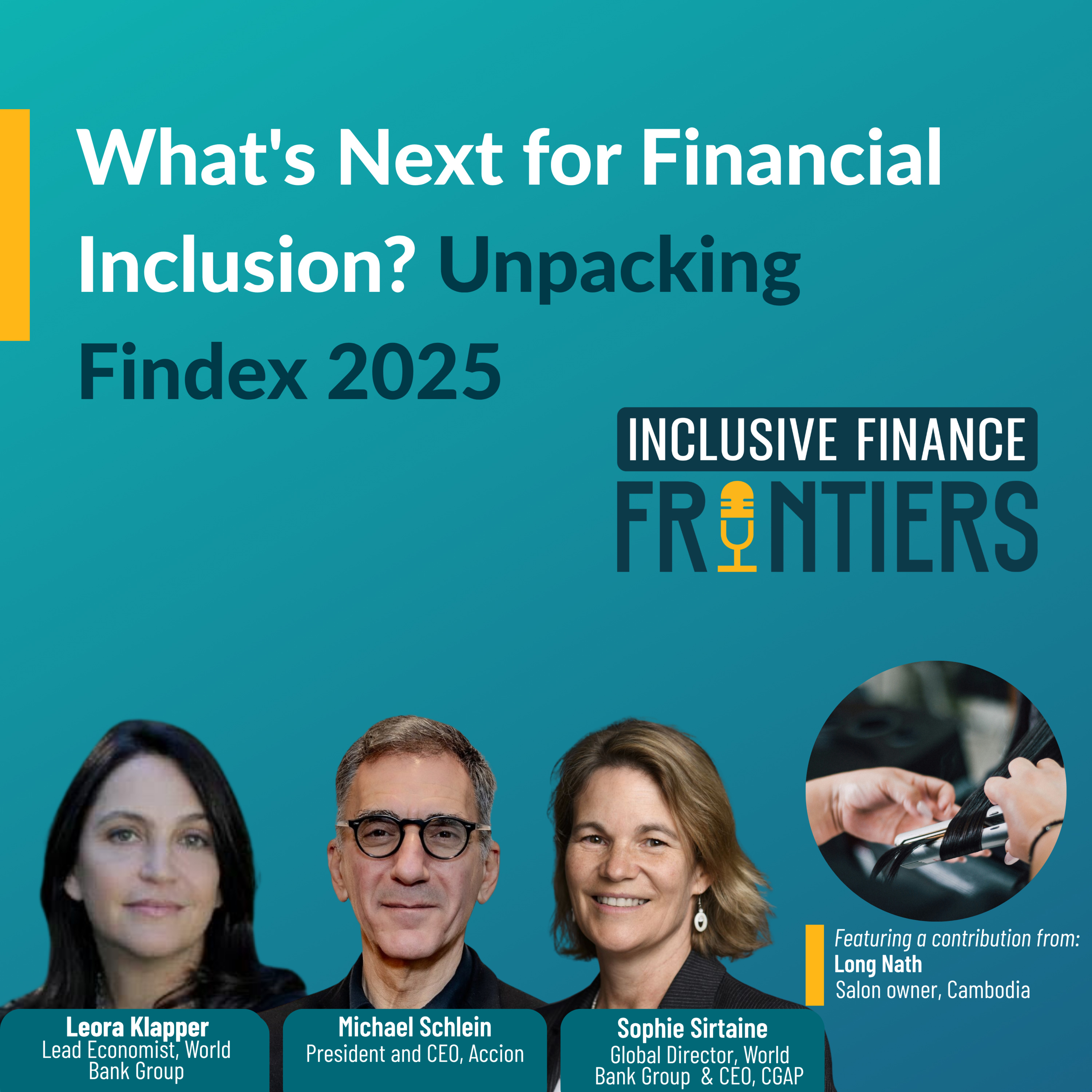
Financial inclusion is rising—but are we converting access into impact? Global Findex 2025 reports 75% of adults in low- and middle-income countries now have an account (79% globally), powered by the wave of digital as mobile phones and the internet transform access and usage. Yet 1.3 billion adults remain unbanked, 300 million accounts sit idle, and large gender gaps persist across regions.…
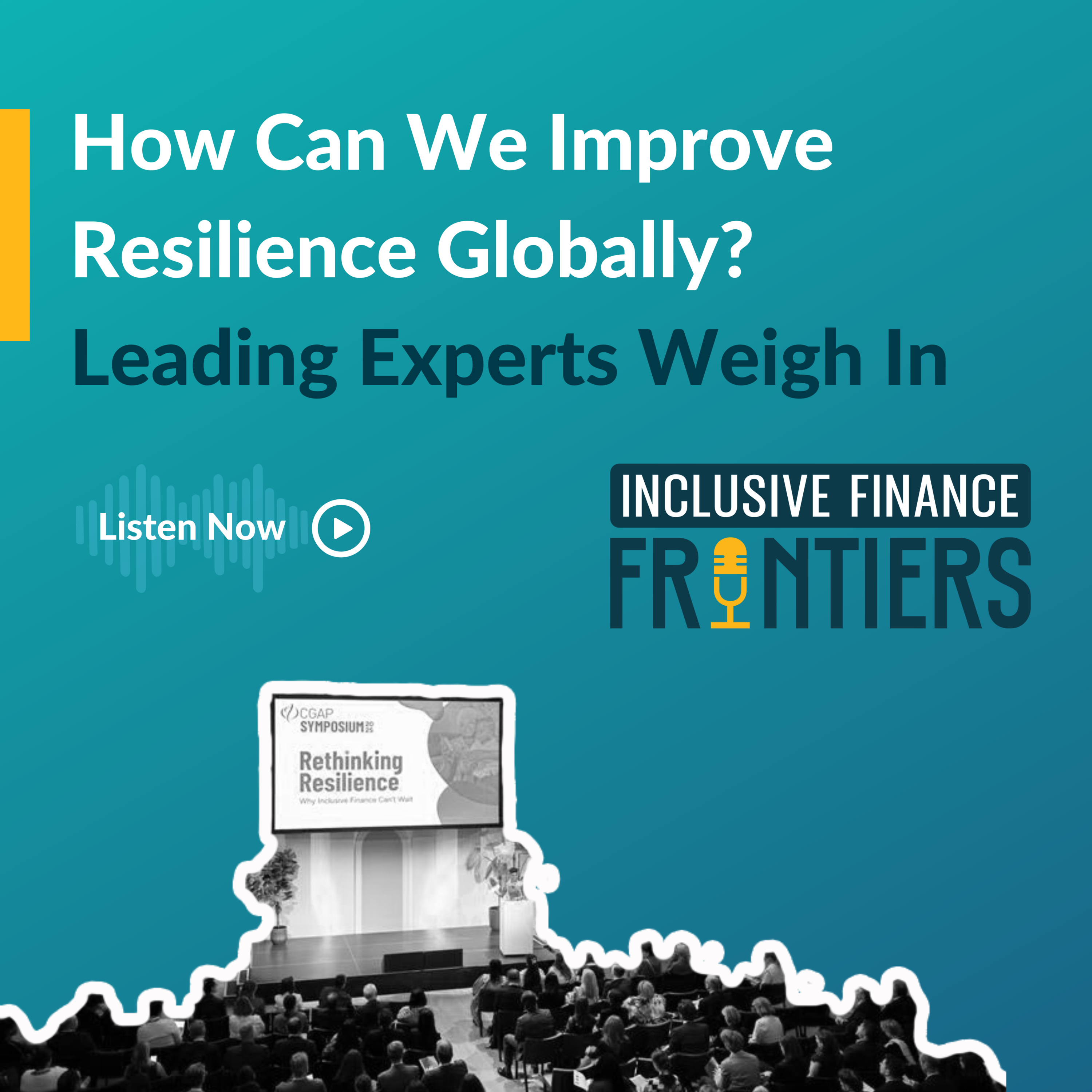
In a world shaped by climate shocks, conflict, fragility, and rapid change, financial services are more important than ever for meeting the needs of low-income communities. Globally, 1.3 billion people still don’t have a bank account, let alone access to the tools many of us take for granted. And for many more who do have access, financial products and systems don’t yet meet their real needs.…
The world faces a variety of ‘global risks’, ranging fromgeopolitical conflicts and climate change to cyber threats. These are growingever more complex and affect all of us. However, people and small enterprises in low-income countries face disproportionate challenges. If left unaddressed, this can create ripple effects regionally and globally. Government-led strategies remain vital, but the…
In 2019, Lebanon witnessed the start of one of the most severe socio-economic crises globally since the mid-nineteenth century, plunging many Lebanese into poverty. Amid the hardships, a new hope emerged in 2021. The World Bank set up a $246 million social safety net project and the Government of Lebanon (GoL) designed a registration platform for this program, with the help of Siren Associates,…
The climate crisis demands urgent global action. Green technologies—like solar panels and clean cookstoves—have the potential to transform lives and protect the planet but remain out of reach for many in developing economies. Can carbon markets make them more accessible? Voluntary carbon markets (VCMs), where companies purchase carbon credits to offset greenhouse gas emissions, are rapidly gaining…
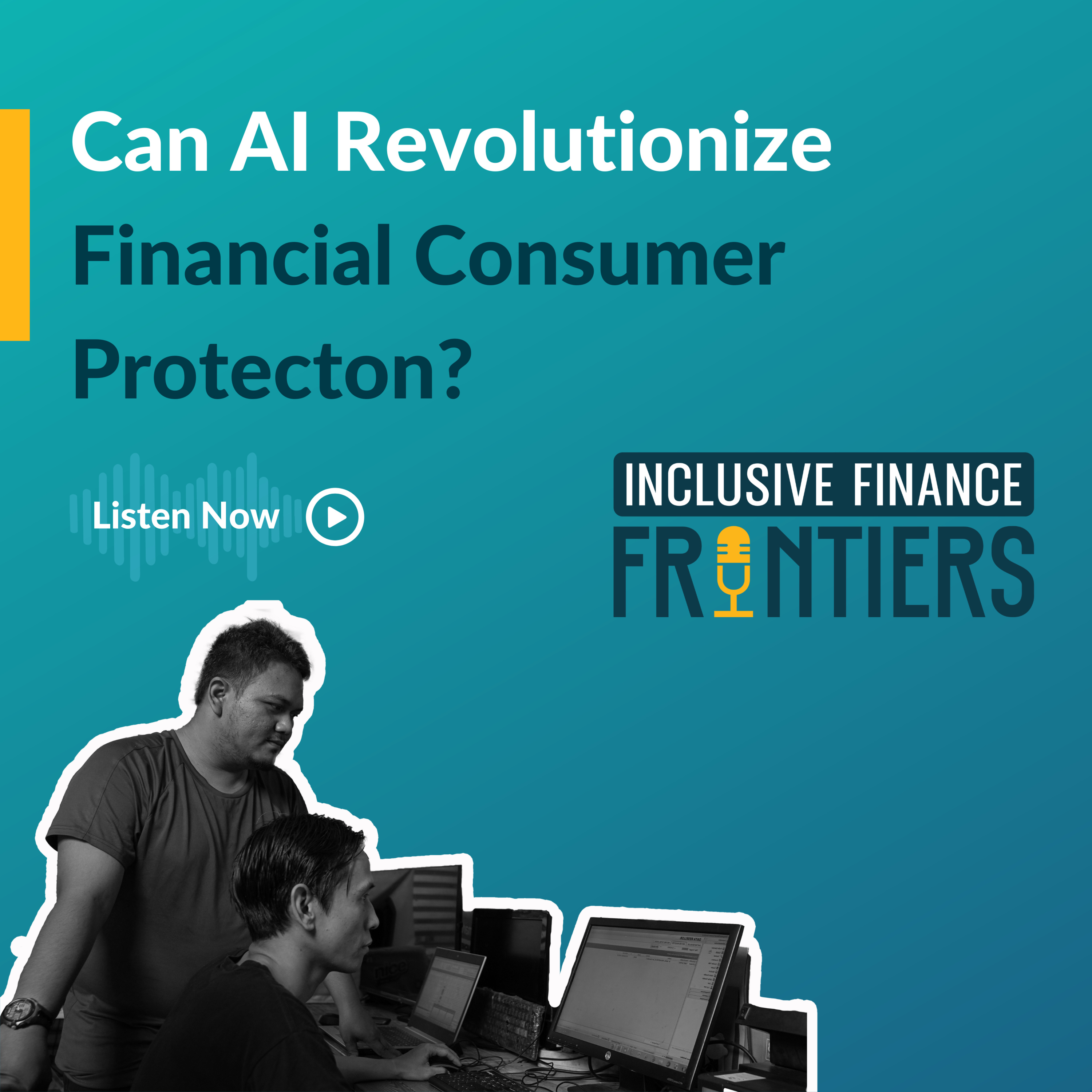
Artificial intelligence (AI) is already transforming almost every aspect of the financial services industry. It is driving efficiencies and sparking innovation by reshaping the way financial authorities protect consumers—not just how financial service providers operate. But financial authorities need to walk a tightrope. While they need to harness the power of AI to improve consumer protection,…