
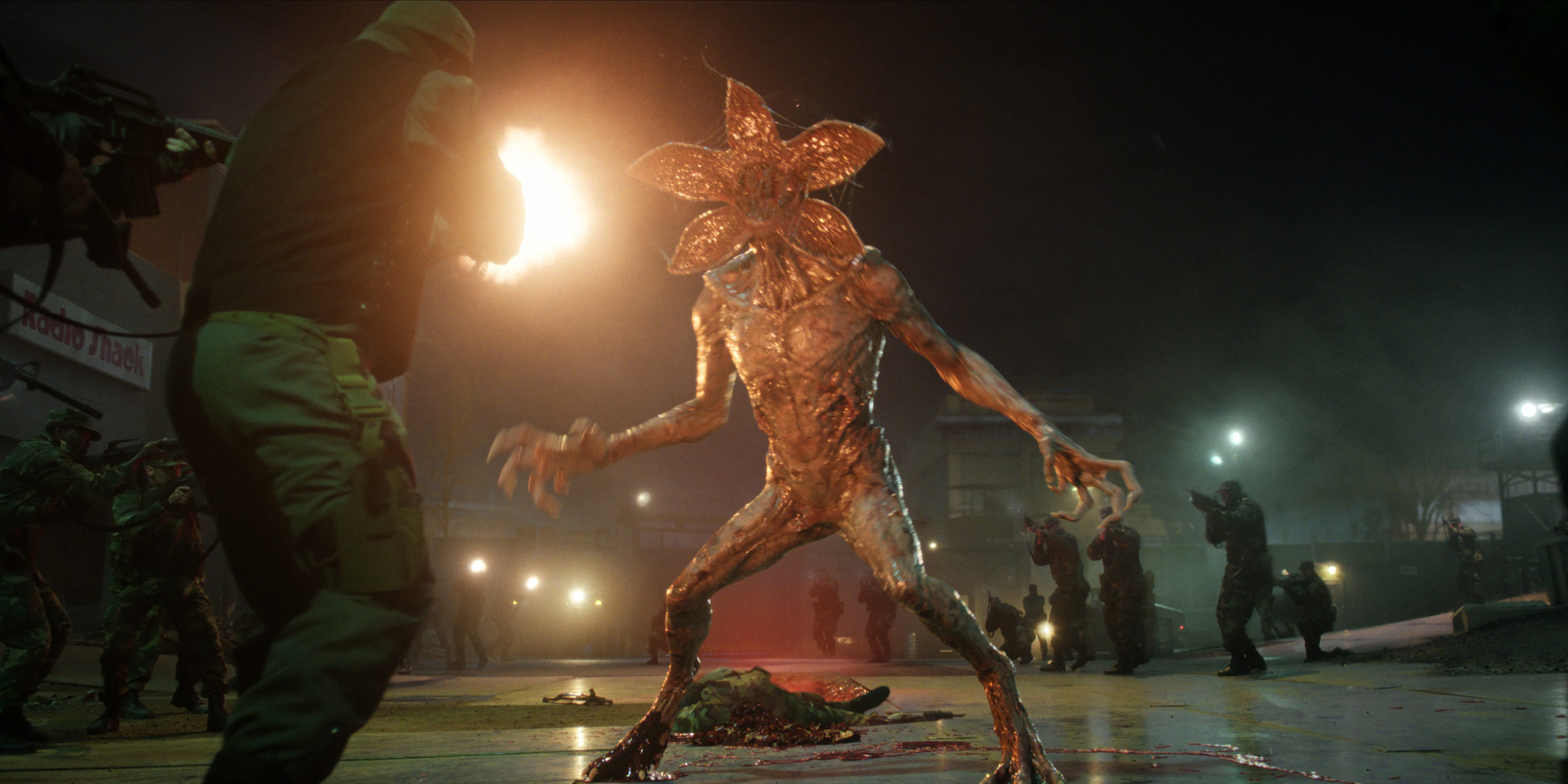
What was it like working on the stunt team for Stranger Things 5?
Supervising stunt coordinator Hiro Koda and stunt coordinator Jahnel Curfman have the answer, and it’s a little something like this: Suiting up key cast members with wires to give the illusion that they’re levitating. Juggling two units of shooting at a time. Working through nights and around main unit photography. Coordinating dozens of kills within a given sequence. Following steadicam operators during action sequences, calling out cues in real time. Working within sets that represent the internal body of the living Mind Flayer. Collaborating with the visual effects team to have gray suits and 10-foot-tall poles on the ground represent attacking Demogorgons on the final screen.
“We had to kind of make all of the rigs work properly to look like this type of creature is pulling them, throwing them, killing them, however we worked that out,” Koda told Immersive in a recent interview, describing a sequence where Demogorgons attack within the series’ MAC-Z military base. “It was a big collaboration with the visual effects team to make sure that we were doing things properly for them, to help them out for their work.”
In the words of Koda, multiple departments came together to bring the MAC-Z carnage scene to life. To create some of the series’ monsters, visual effects had to work with what was actually shot on the day, while special effects departments had to add blood to cast members to give the illusion of an intense kill. For the two coordinators, it was a working experience that they’re extremely proud of and that Curfman is nostalgic for. To her, the positive collaboration between every creative team got the fifth season to the finish line.
“We were really lucky to be working with some of the best in all departments, though. That was the nice part about it: you never really felt like one department was trying to override another. We genuinely were all working to achieve this same goal,” Curfman told Immersive in the same interview. “That doesn’t happen on every production, so we were blessed to work with some really great people through all departments that also became great friends.”
For their work on the season, both Koda and Curfman are nominated for the Emmy Award for Outstanding Stunt Coordination For Drama Programming. The two coordinators recently spoke with Immersive via Zoom about their work, breaking down their collaboration with different departments, their personal values that guide their stunt work, and some of the key sequences in Stranger Things’ final season that they contributed to.
[This conversation has been edited for clarity and length].
What does an average day for the stunt coordination team on Stranger Things 5 look like?
Hiro Koda: It’s not your typical show, just because of all the stuff that we have to do. When you’re doing television, it’s very difficult, because you’ll be shooting an episode or a block or however the production ends up doing it, and at the same time, you’re starting to prep the next block or the next episode, so there’s always stuff happening. It becomes this whole thing, and if there’s a main unit and I’m directing second unit, even that is another layer on top of that. We end up being kind of all over the place to get the day sorted and going through. (With) the help of our core team, having that available to us, we’re able to sort of map out our days and sort of figure out where we need to be and what we need to do.
Jahnel Curfman: An actual typical day, one of the most fascinating aspects of Stranger Things 5 was when we shot the MAC-Z, that season five mid-season finale. It was wild, because a typical day for that sequence, which was about six weeks of shooting right smack in the middle of the entire production of the season, we would go in earlier in the day and start to set stuff up. Two units (were) running: first unit and second unit. Second unit would go into (the) MAC-Z, that huge backlot that they built, (and) we would start to get all of our rigs set, we’d get all of our guys in, (and) start to work through what was being shot that night. Sometimes somebody would be doing a gag that didn’t necessarily rehearse that pull or explosion when it happens, so we’d have to dial in the performer that would actually be making it happen while the riggers are setting up all their lines. You’ve also got lighting and electric in there setting up all of their stuff.
While this is happening, main unit is off shooting on one of the sets. They would break for lunch, and then main unit would come down and start shooting in the MAC-Z. Main unit would wrap, then second unit would take over and we’d shoot the rest of the night. You’re not getting any sleep, you’re not eating good food, you’re wrapping at 6 a.m., going home, trying to sneak in a hug and a kiss from your kids. Luckily Hiro and I, we love talking about our work, and when we’re in it, we love being immersed in it. There just wasn’t really a break from it, but we loved it while we were in it, because we knew it was something that was so special.
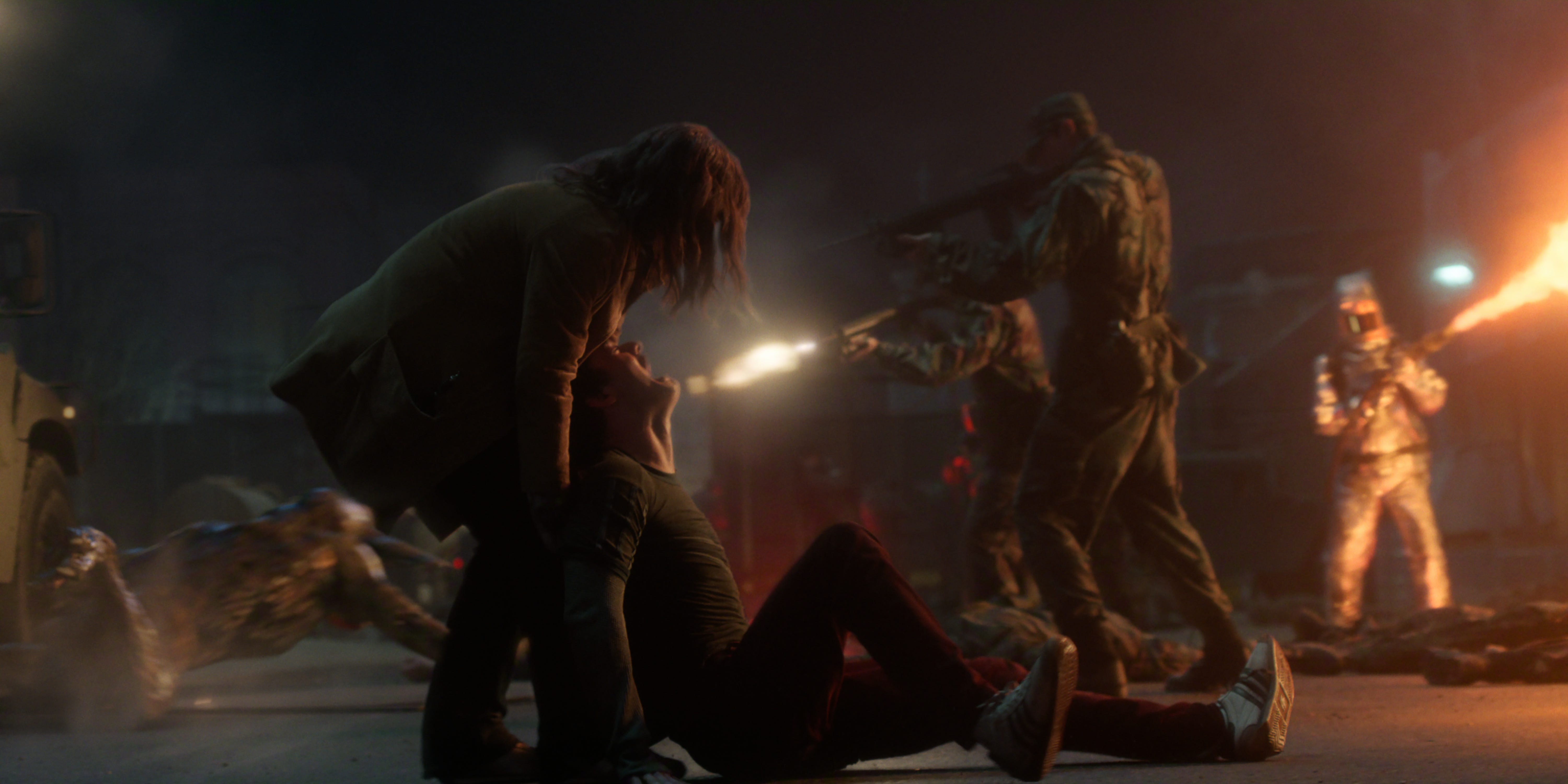
One of my questions was about breaking down that spectacle of overrunning the military base, but I had no idea that it’s an entire day process where you have two units coming back-to-back and you’re working basically the entire time. I didn’t know that’s how it operated.
Hiro Koda: Yeah, it was a unique situation, but there was really no other way to sort of get through that sequence and make it happen with what was going on, because we had a lot of children that were working as well in those sequences, and they only can work so many hours.
Jahnel Curfman: And up to a certain point at night. It doesn’t get dark in Georgia in the summer until 8:30, 9 o’clock, so you don’t even get to start shooting with them for those scenes where you need the night until very late. Then you have a very finite window to get everything done with them, and then it takes over with photo doubles and stunt doubles for the rest of the night.

Can you talk a bit about working with the visual effects team and working with other departments to make certain sequences come to life?
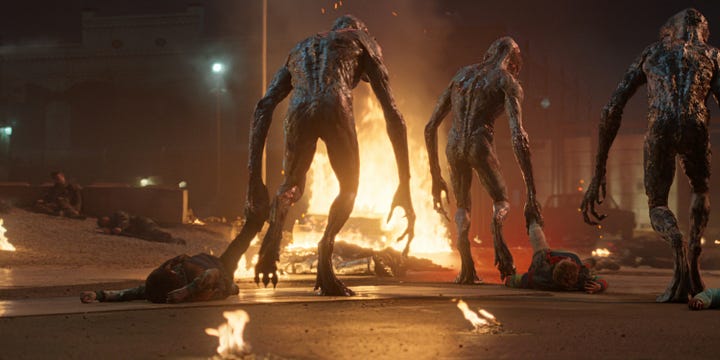
Hiro Koda: We had to work with every single department in there. Visual effects was really heavy for the MAC-Z, for sure. I feel like I’ve done so much with the visual effects teams. When we were prevising all of this prior to even getting into shooting, I needed to figure out exactly how the Demogorgons — they’re 10 feet tall — were going to be throwing people around, because they’re not actually there. So we had to kind of make all of the rigs work properly to look like this type of creature is pulling them, throwing them, killing them, however we worked that out. It was a big collaboration with the visual effects team to make sure that we were doing things properly for them, to help them out for their work. We’d get along really well with the VFX team and just worked very closely with them. We had 52 kills in that MAC-Z. … So with steadicam working, or whatever camera’s working, if you watch any of the behind-the-scenes, you’ll see Jahnel right behind camera, following him around, making cues, calling things out, so she’s watching how he’s moving. Our steadicam Nick Müller was just incredible. He never changes; his style, his movement, everything stays the same every time, so it’s easy for her to sort of make a dance and make the timing and get all of that worked out for us to make it all come together.
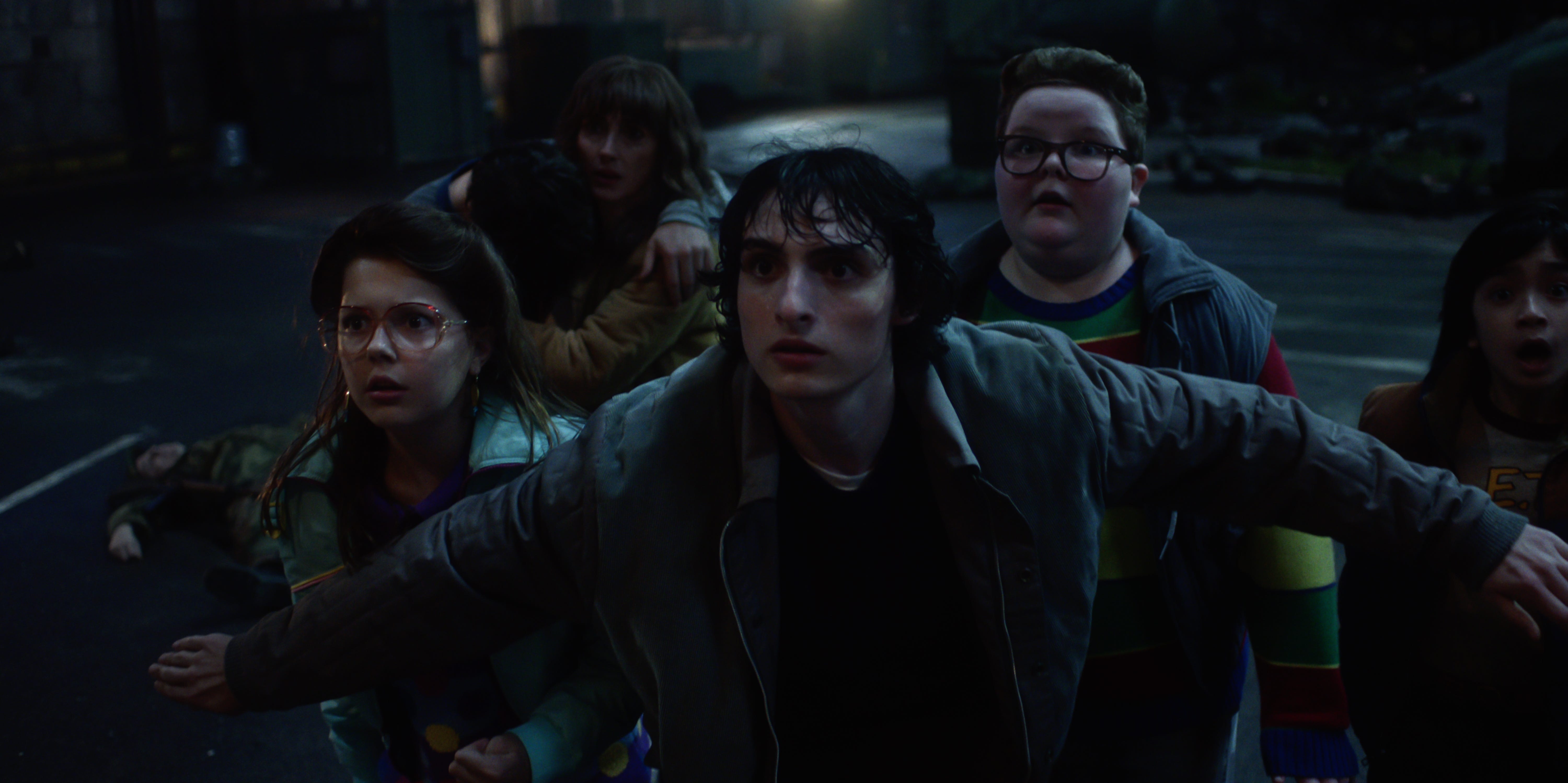
One of my favorite shots of the entire season is that long tracking shot following Mike and the kids through the MAC-Z, and you’re seeing real soldiers running around and getting thrown around, and then you’ll cut up to something that’s completely VFX. It’s a really cool blend.
Hiro Koda: Yeah, he did a good job with that. VFX was awesome. We had three stunt performers there that played our Demogorgons. They were in gray suits with these big poles on them that had a tennis ball on top to kind of give everybody eyelines to know where they were at. We had an amazing AD team that tracked all the kills and knew where everybody was at so they sort of could map everything out in the day to know exactly, ‘OK, here’s section one, section two, (and) section three,’ and sort of moving through it all to know where everybody needed to be and work that out.
It was a very collaborative effort between all departments, not just VFX. (It was) makeup, hair, everybody had to come in and get involved. As soon as someone dies, then they had to kill them, and we’d give them the kill look (and) put blood on them or whatever. Special effects is there, blowing up things and working in the timing of all of that. It rained like it does in Georgia all the time, so our sets were getting flooded, getting wet, so everybody had to come in and start squeegeeing out the floor. It was a huge collaboration of everybody to make this work.
Jahnel Curfman: We were really blessed to be working with some of the best in all departments, though. That was the nice part about it: you never really felt like one department was trying to override another. We genuinely were all working to achieve this same goal. That doesn’t happen on every production, so we were really blessed to work with some great people through all departments that also became great friends.
Speaking to your point on the push and pull of visual effects and action and how that works, there definitely were times where we would have something planned and we would do it, and then our visual effects supervisor would come over and say, ‘Hey, I know we have this mat here, but as he’s landing, the mat’s kind of flexing up. That’s going to be hard for us to fix. Is there something you can do to fix that?’ So then we’d go in (and) either replace the mat, (or) maybe we would pull it altogether and then adjust our measurements on what we were doing.
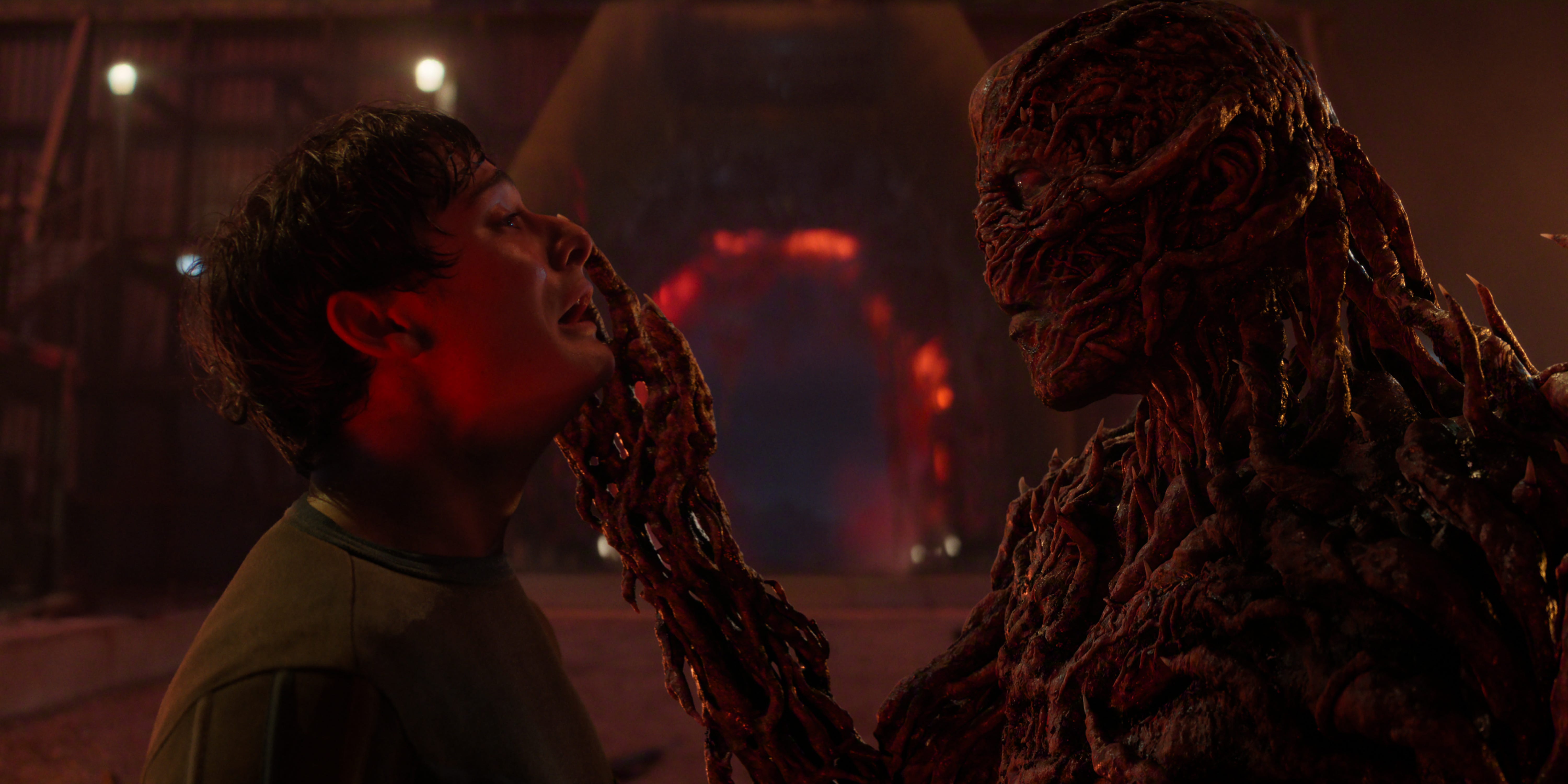
One really interesting night stands out in my mind. Hiro was second unit directing, (and) I was coordinating on main unit with Matt and Ross Duffer. It was one of the hardest things that we did, and that’s when Noah Schnapp gets pulled up. Vecna comes into the MAC-Z, Noah rises up, and you wouldn’t believe it, that one of the most difficult things to do with wires is to make somebody just float through the air seamlessly: there’s all kinds of movement (and) you’ve got this long area they’re trying to cover. So if you go and you watch some of the behind-the-scenes, you see that Noah has his harness on; his harness is kind of tenting and pulling his costume up, but then you’ve got the wires that are kind of set so that from a side, you see his face (and) there’s no wires. (Visual effects) comes in (and) they’re like, ‘Is there anything we can do about his shirt?’ I said, ‘Well, we can move the lines, but then the lines are going to be running along his face. You have to pick. Do you want to fix his shirt, or do you want to have to erase lines across his face?’ Because we were on a time crunch too. I was like, ‘That’s the quickest fix, but what’s the lesser evil for you guys?’ They’re like, ‘We’ll just fix the shirt.’ I’m like, ‘Great.’
So it is a lot of things like that, where you’re like, ‘OK, we can do this or that.’ It was, we can make this work, or they would say, ‘I can make that work.’ Working with such lovely people, it’s what makes something like this fifth season of Stranger Things actually happen, and happen in the way that it did. I feel like everybody walked away from it exhausted, feeling like we had been through the trenches, but ultimately feeling really proud of what we had accomplished, and also so much love and respect to everybody we work with.
Can I ask you both what the planning, or the choreography, was like for the final one-on-one battle between Vecna and Eleven?
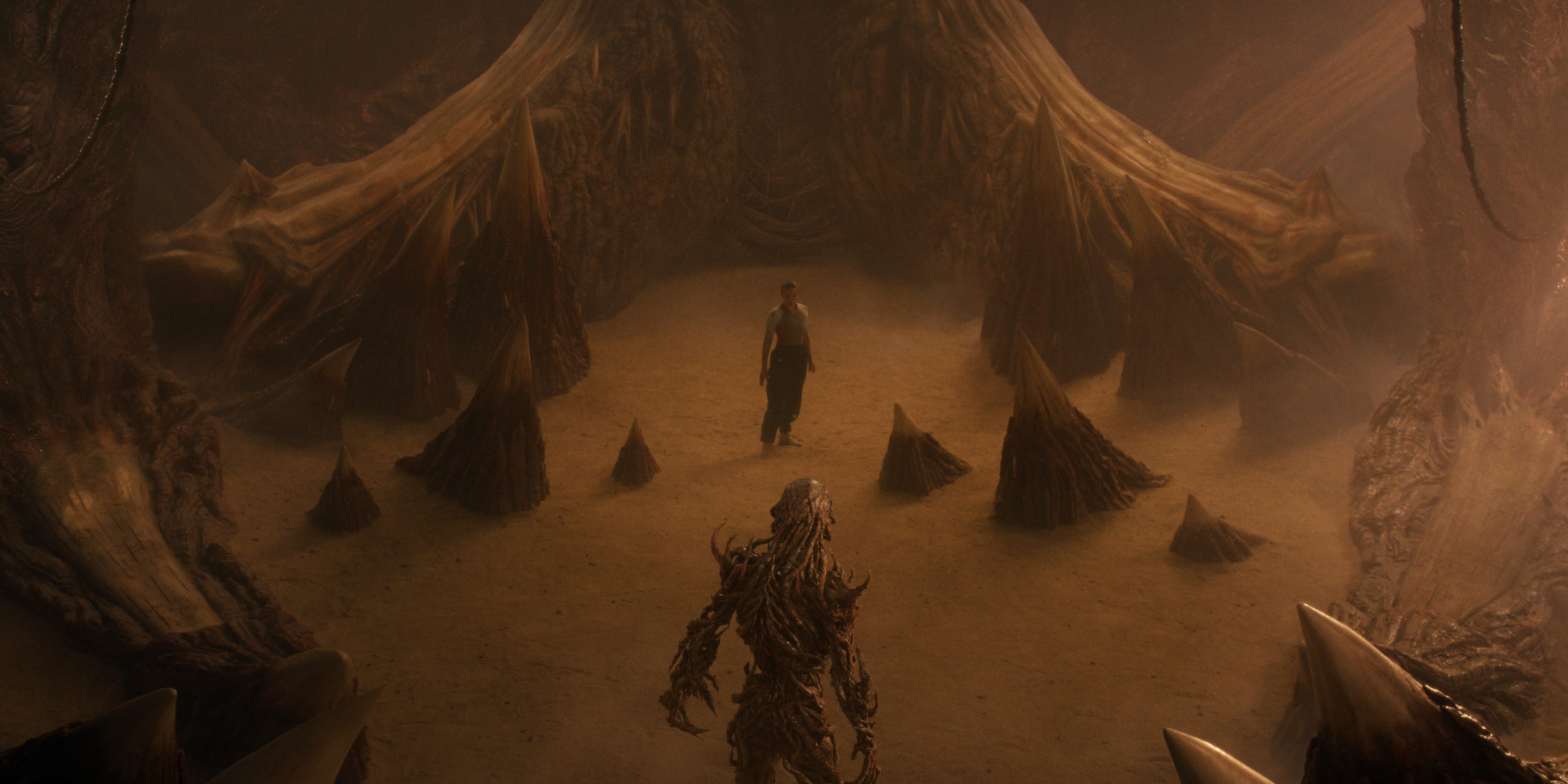
Hiro Koda: I got to go through an interesting process with that, because they built the sets, so we were able to get in and onto the set early. The original script had a lot more in it than what ended up on the day, and the scripts were changed multiple times just to save time. There were a lot of things that had to get cut and trimmed. Matt and Ross just challenge us to do the best that we can do every season. Each season, it’s gotten harder and harder, and they just throw stuff at us, and I love that because it makes my creative mind go crazy to work harder.
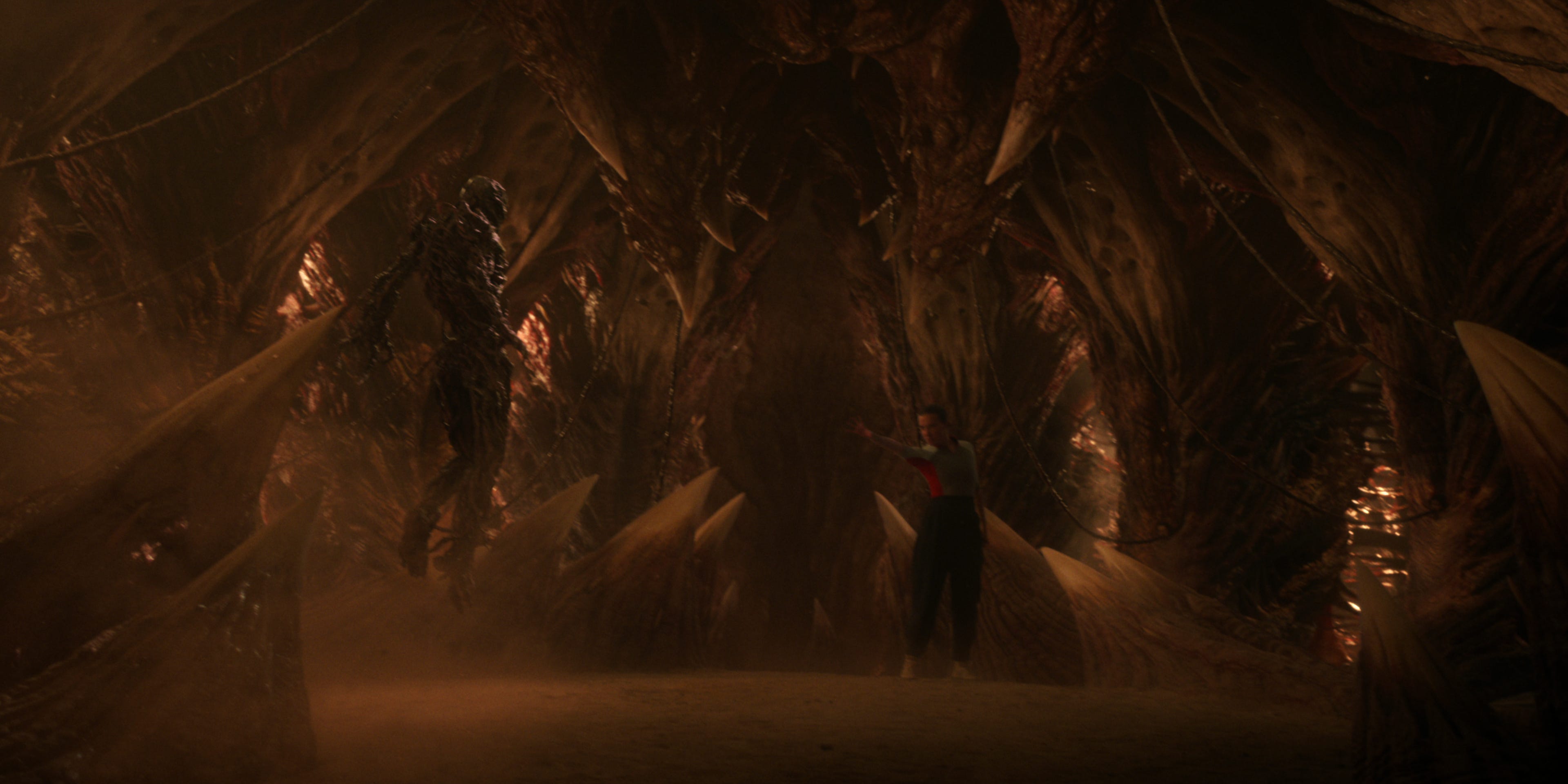
The interesting part of it was that it was inside the Mind Flayer’s body, so the fight was happening inside that, but within that, that thing’s moving, and so they have to get thrown around as they’re going. (We were) just going through the story points of the script and trying to figure out exactly where and what story points are important that need to be in there. And also adding the creativity and flare of stuff that we wanted to add into it as well. But again, it was bringing the core team in, bringing the doubles in, and just sort of playing for a week inside the set and just sort of figuring out the best way and coolest, fun things that we could do in there, and then sort of putting it together.
Ultimately what I end up doing is putting a previs together. It’s shot by shot, I cut it together, I put visual effects in it and music and all of the works so that I can turn that in and then the Duffers get to check it out and say, ‘Yay, this is awesome. Let’s do this.’ Or if there’s any notes, then we obviously get to go back and sort of change some things. That was a fun sequence to put together, for sure, and then trying to figure out the ending of how they were going to kill Vecna was a bit of a decision. It was a back-and-forth decision on how that was going to end up happening with his head getting cut off by Winona Ryder. That was a whole thing there.
The story points in there were really cool to just see: Eleven battling with Vecna and then Noah coming into the picture, and it’s this three-way thing that was happening. (It) was such a cool story point that was challenging to put together and a lot of fun to do.
Is there something that you both hold true to, or a value you have, that guides all of your stunt work across your entire careers?
Hiro Koda: Holding true to story and the characters and how they develop, especially if you’re on a show from early seasons on and going through multiple seasons, it’s just keeping that storyline and each character’s development and their story alive all the way through and how their characters build throughout those seasons. That’s something that’s very important to me that I’ve always kept. We go and see a lot of action films or TV shows; when you go and watch something (and) something just happens, then you’re like, ‘Well, it doesn’t fit the story. It doesn’t fit the character. It was just a cool move that gets thrown in there.’ We try to keep that out. We want to stay real to the characters (and) real to the story.
Jahnel Curfman: In everything, my philosophy is just, ‘Work hard, don’t be an asshole.’ There’s plenty of personalities in this industry; you’re dealing with a lot of egos, you’re dealing with a lot of money, you’re dealing with very high expectations of people who work at a very elevated level. I think for me, if there’s one common thread through everything I do, (it’s) just to have respect and be kind to everybody that I work with.
For me, I always put my family first. There’s a lot of people who are sort of slaves to the industry and to whatever show they’re on. I just try to never let that sort of take hold. Especially Stranger Things, everybody was so understanding of everything we did. I think keeping people safe and doing things the right way, not trying to rush through things or do them cheaper than they would be; as a coordinator, for me, that’s been one of the most important things and also, believe it or not, one of the most challenging things. We didn’t have that problem on Stranger Things because they kind of gave us everything that we needed, and everything that we asked for, which doesn’t happen on every show. I think just fighting for what’s safe, fighting for what’s going to look good, that’s always also a common thread that I’ve carried with me as a stunt coordinator.
Hiro Koda: Safety is a number one priority. We want everybody to go home to their families safe every night, so that’s very important for us. We expect a lot of our performers that work for us, so loyalty and our expectations of them, I think a lot of them who are returning and work for us quite a bit, they know how we are and how we work and what we expect of them. They know what they’re going to get from us: they’re going to have a fun set and a lot of action and cool stuff to do.
How do you feel to have this season, and this series, behind you now?
Hiro Koda: It feels good to me. It was something that we did say earlier that we were so proud of, and I only came on this show starting season three. I didn’t do the first two seasons. Doing season three to four to five, I think just the amount of work and things that we did on that show is something to be super proud of. The friends that we made along the time — like you said, when you get on a set and work together for so long, you make families, and it’s like your own family — we have so many people in there that we are still really close friends with. I’m moving other productions, I’m working on other shows, and all these people from these shows are all there, and they’re wearing our swag. It’s our family. It’s always good to get on another show and see all these same people. But Stranger Things has continued to be talked about over and over. People ask questions about it and they love the show. It’s something that I’m super proud of and honored to have been a part of.
Jahnel Curfman: I look back at it and I feel very proud, but I also feel more of a nostalgic longing for what it was when we were in it. Especially towards the end; all of us knew, ‘Oh my gosh, this is never going to happen again.’ This show, which was a cultural phenomenon; the anticipation of season five; all those actors, all those departments, everything just coming together all at the right time, having been through strikes, having been through COVID, having been through all of these things that we made it through to the other side. It was a very special cast. Matt and Ross, I can’t wait to work with them again.
There’s only one other project I’ve worked on that I look back on with that same, ‘Aw, I want to go back and do it again,’ and that’s my very first movie I ever did, Avatar. That was in the trenches (and) making friends; we did it for three years. It was this whole thing. I compare it to that because it was just one of those experiences that’s really special.
Stranger Things season five is available to stream on Netflix. The winner of the Emmy Award for Outstanding Stunt Coordination For Drama Programming will be announced on Sept. 6.
No posts
Comments
Nothing yet. Say the first thing.
Sign in to join the conversation.