
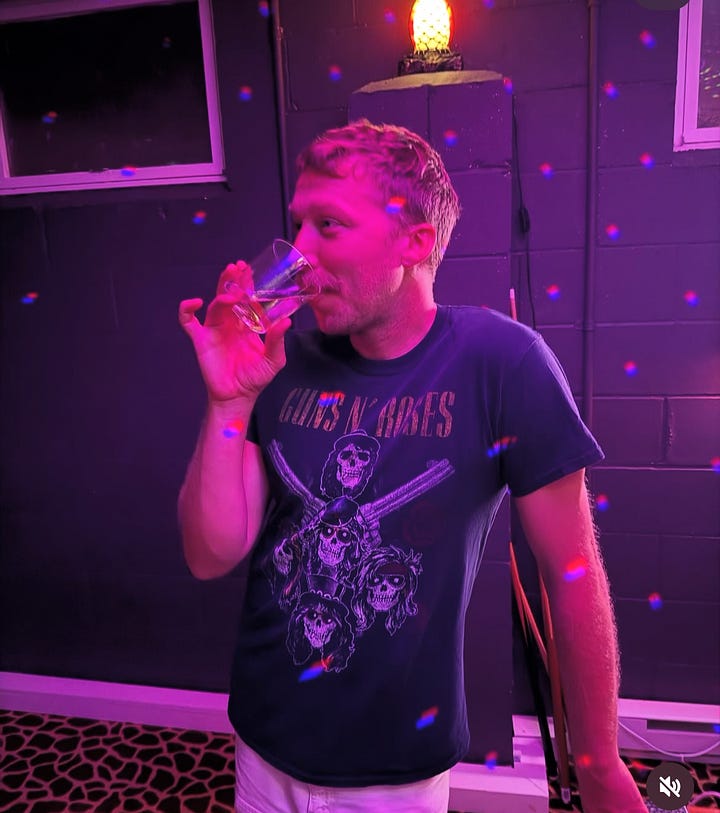
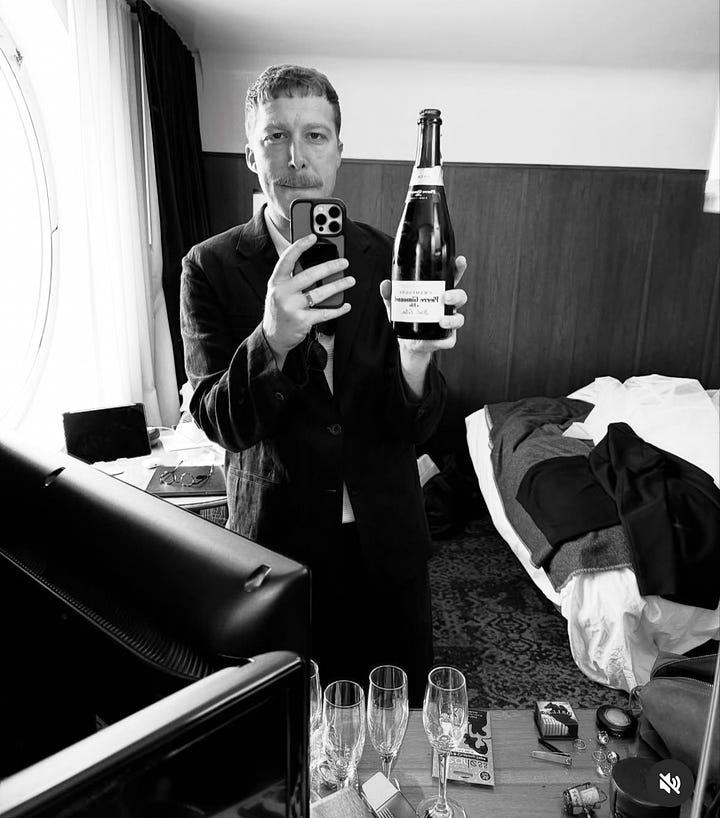
My best friend, Bodhi, is multi-talented and excels at nearly everything he does. Like many of us, he started working in restaurants when he was young and stayed with it - successfully sidestepping the pull of a corporate job. More than a decade ago, he trained as a sommelier, though for years it was just one piece of who he was, rarely something he led with. But when Bodhi turns his attention to something, it’s never surface-level. He has a way of going deep, picking up in a few years what might take someone else a lifetime to learn.
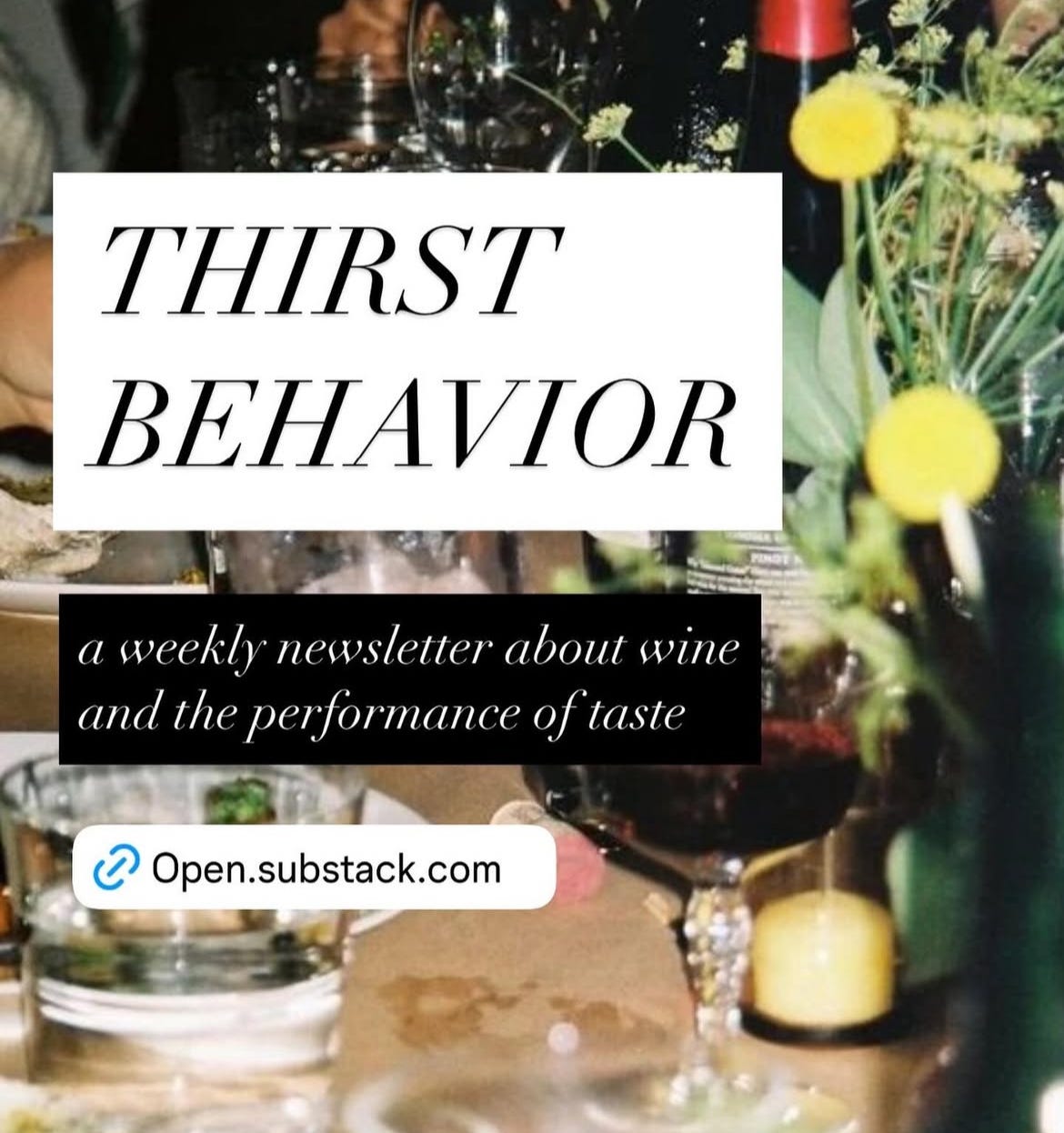
That’s exactly what happened when he launched his newsletter, Thirst Behavior. He describes it as “a weekly column about wine and the performance of taste… the social agenda for people who care not only about what’s in their glass but about how taste itself gets made.”
When we first met, Bodhi and I used to joke that we didn’t have much in common. I was a glitter-loving Jersey jam-band kid, and he was a Waldorf-raised musician from Austin. But over the years, our worlds have overlapped more and more. Food and agriculture have always been a shared thread, and wine, of course, is food. It’s made from grapes, rooted in soil, and shaped by climate. I’ve always envied that wine has the word terroir, a whole language to describe how land and soil shape flavor, while in food, those connections are rarely acknowledged.
That’s why I asked Bodhi if he’d answer a few questions for this newsletter. Not just about wine itself, but about the agricultural side of winemaking, sustainability, and what it means to be a more thoughtful drinker. If you care about what you eat, you’ll get a lot from how he thinks about what we drink.
How do you think about wine as an agricultural product? For those who are unfamiliar, could you explain how different farming methods affect flavor or quality?
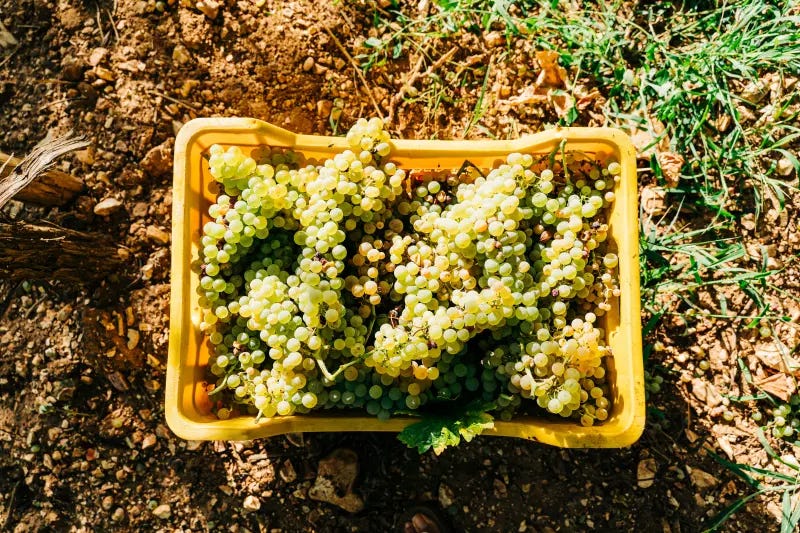
Wine is farming before it’s anything else. The wine in your glass is basically a time capsule of one growing season in one place, filtered through the winemaker’s decisions. If you farm with herbicides and chemical fertilizers, you’re hollowing out the ecosystem that lets vines express themselves in their most precise character. Healthy soils grow healthier fruit, and healthier fruit means you don’t have to “fix” as much in the cellar. It’s the difference between a tomato from your garden and one from a fluorescent-lit supermarket in February.
What do you wish more people understood about how grapes are grown?
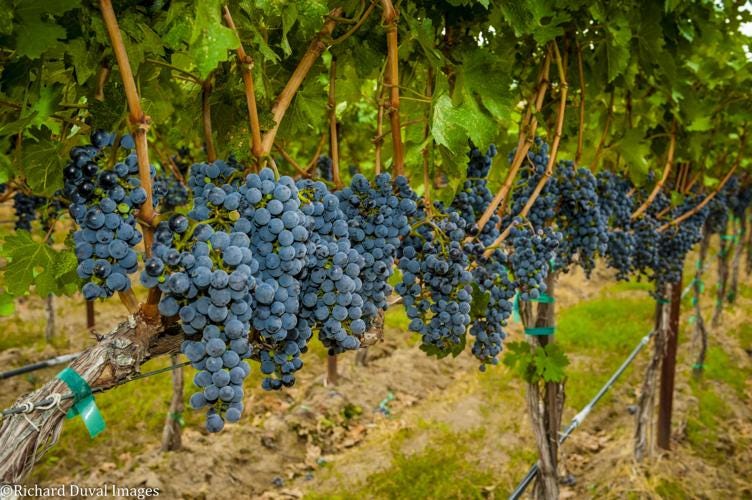
That vines are perennials. They can live for decades, which means you can’t undo a bad decision with next year’s crop. And they make better wine when they’re stressed—give them perfect conditions and they get lazy, which is why some of the greatest vineyards in the world are in places that look almost inhospitable. They start to enter the sweet spot at about 30 or 40 years of age.
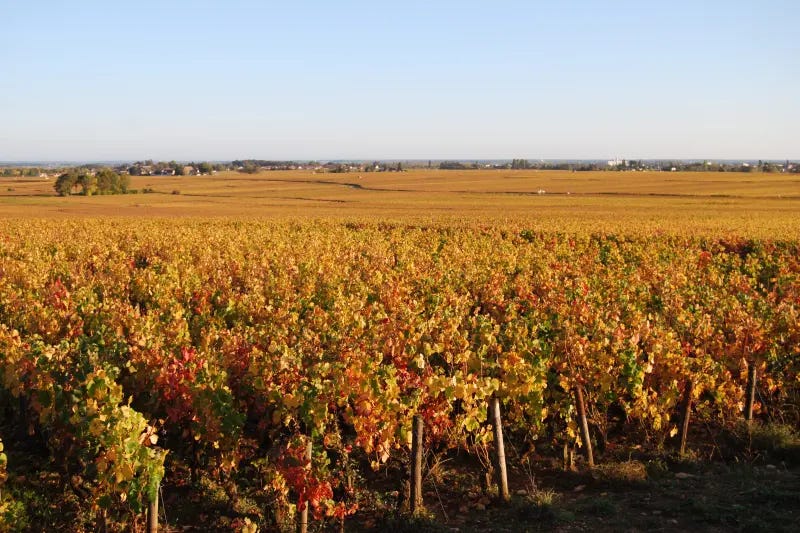
How do farming practices like organic, biodynamic, or regenerative show up in the wines you pour?
When it’s done well, you get wines that feel alive—more precision, more energy, more texture. Organics and biodynamics build vine immunity, so you can ripen clean fruit without spraying a bunch of chemicals. Regenerative farming takes it further: cover crops, no tilling, grazing animals. It’s about putting more back into the soil than you take out. That resilience shows up in the glass, especially in rough vintages.
Climate change is shifting what grows where. How do you see this affecting vineyards and the wines available?
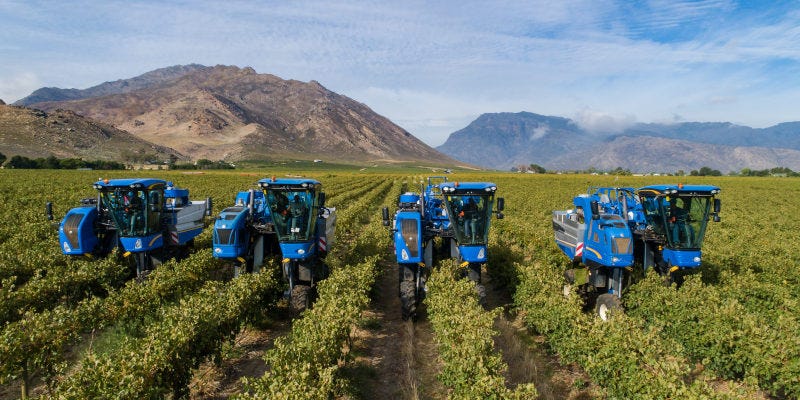
The polite way to say it is “extended ripening seasons.” The honest way is: growers are scrambling. Hotter vintages push sugar up and acid down, forcing earlier harvests. Cool regions are now thriving; warm regions are fighting for balance. And the big risk isn’t just heat—it’s volatility: frost in April, hail in June, wildfires in September. You can’t plant for the next 30 years when there’s so much variance in the conditions from season to season
Are there regions or grape varieties becoming more prominent because of warming temperatures?
England is a big one—sparkling wines that would have been unripe 20 years ago are now genuinely world-class. Oregon is leaning into Syrah and Grenache. Even Burgundy has people quietly trialing heat-tolerant varieties that were ripped out a century ago.
Do you see parallels between how people talk about “natural wine” and the broader interest in less processed, more transparent food? And is natural wine legit in your opinion?
Of course—and the comparison works both ways. Farm-to-table had its pioneers and its grifters, and so does natural wine. The good stuff is farmed without synthetic chemicals, fermented without lab tricks, and bottled without a laundry list of additives. It’s not a style so much as a set of priorities. Done right, it’s the clearest link between farming and drinking. Done wrong, it’s murky, soupy, unintelligible kombucha cosplay.
What role do you think wine can play in helping people reconnect with farming and seasonality?
It’s one of the few farm products people fetishize enough to ask about. Every vintage is literally a harvest report. If you can get someone to care why the 2022 was picked two weeks earlier than the 2021, you’ve already opened a door to bigger conversations about agriculture and climate. On the other hand, because it’s seen largely as a luxury product, people who consume it aren’t super attuned to climate change’s broader consequences, like, for example, its outsized effect on non-luxury-consuming populations, like the poor.
What’s a bottle or region you’re excited about right now that also has a sustainability story?
Loire Valley Gamay—producers like Jeremy Quastana, Melissa Lavaysse and Marie Thibault. Organically farmed, hand-harvested, low-intervention in the cellar. Bright, low-alcohol reds you can drink cold in the summer and still feel human afterward. Climate change is really altering how gamay is grown in its home terroir of Beaujolais, but the Loire Valley is still temperate enough to produce wines with tension, angularity and finesse. These are proof you can make complex and joyful wine without depleting the land.
What advice would you give to someone who wants to drink wine more thoughtfully, not just in taste, but in its agricultural footprint?
I try not to moralize too much and just focus on curiosity. A lot of “sustainable” branding in wine is just marketing—pictures of soil-stained hands and wildflowers between the rows don’t mean much if the farming is still extractive. Real sustainability isn’t about the prettiest label or the catchiest certification; it’s about transparency. I’d rather pour a wine from someone who will tell you exactly what sprays they used and why—even if it’s not 100% organic—than from a big brand hiding behind vague eco-language. The growers worth supporting are the ones who own their choices, invest in their land long-term, and treat wine as part of an agricultural ecosystem, not just a product to serve an emergent MAHA market. If you start asking those questions, you’ll learn more, drink better, and support people who are actually doing the work.
Subscribe to Bodhi’s Thirst Behavior here.

While Everyone Was Arguing Over Food Dyes, Kennedy Sidelined Beans. This article has created quite the discourse in the bean community; it’s no surprise to me that his agenda is more about pleasing industry than actually improving the American diet.
We went to a lovely Azerbaijani restaurant in South Brooklyn called Village Cafe. The ambiance made it feel like we were transported out of the city, and the food was very good
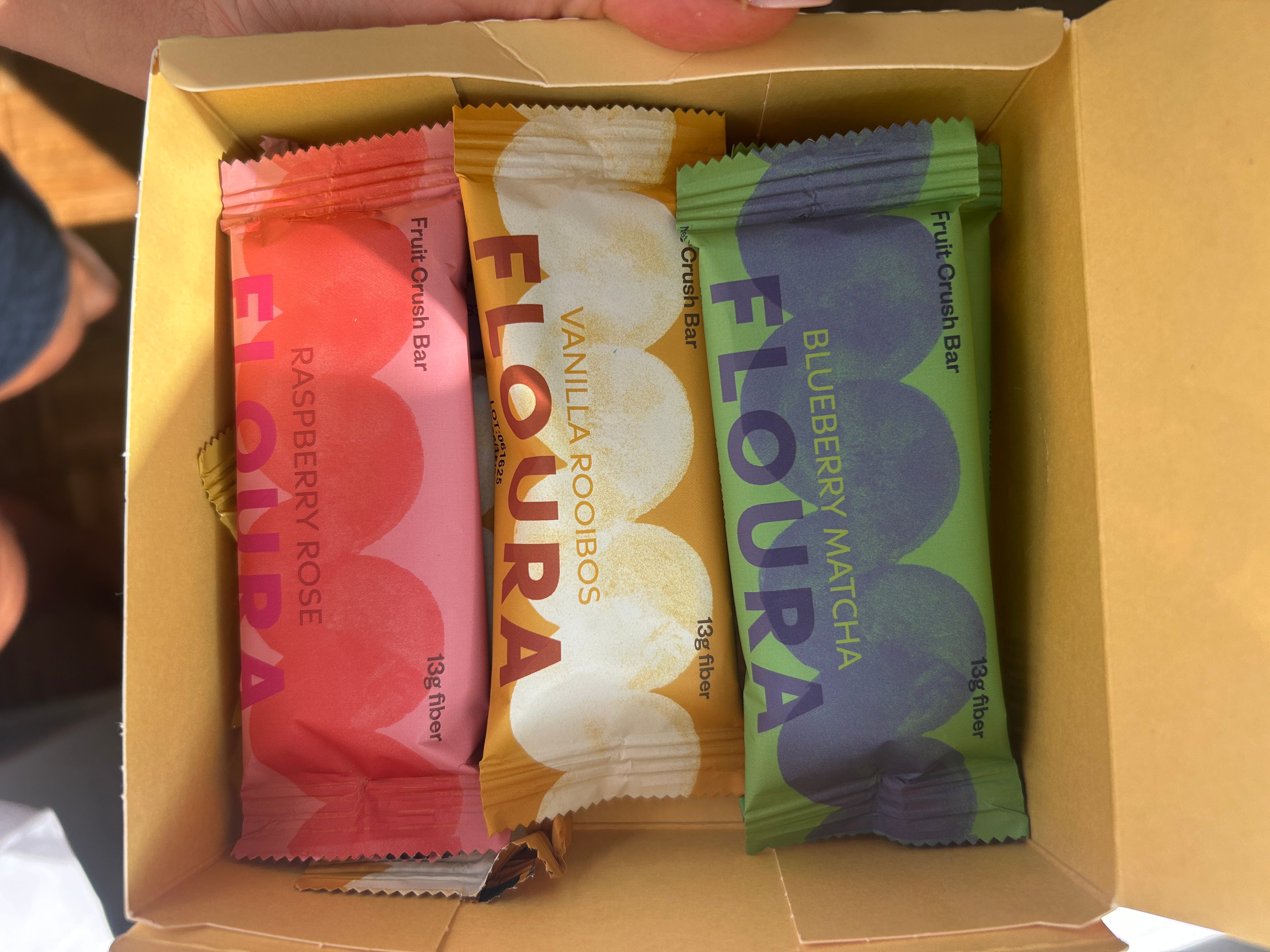
The founder of the world-famous Jeni’s ice cream has turned her attention to the lack of fiber in our diets and created Floura, a bar that provides half of your daily fiber requirements. I tried the Mango Cardamom flavor, and it was good, but go slow if you aren’t used to eating a lot of fiber at once.
I recently joined Cherry Bombe as a member, and they hosted a book club for Kristin Kish’s memoir, Accidentally on Purpose. The book was enjoyable to listen to, and she has a powerful story of finding her way in the food world while navigating the challenges of coming out to her friends and family.
Snaxshot was profiled in the New York Times! She Knows Your Next Favorite Snack Before You Do
In the snack aisle, she believes, conceptions of ideal bodies and lives are reflected in real time: the national infatuation with strength training and protein, the rise of GLP-1s, the MAHA-endorsed rebellion against seed oils, the conservative longing for a more pastoral world in the form of fancy beef jerky.
“If you were paying attention to food and beverage,” Ms. Hernández said last year on the “This Is TASTE” podcast, “it should not have come as a surprise to you that Trump won.”
No posts
Comments
Nothing yet. Say the first thing.
Sign in to join the conversation.