
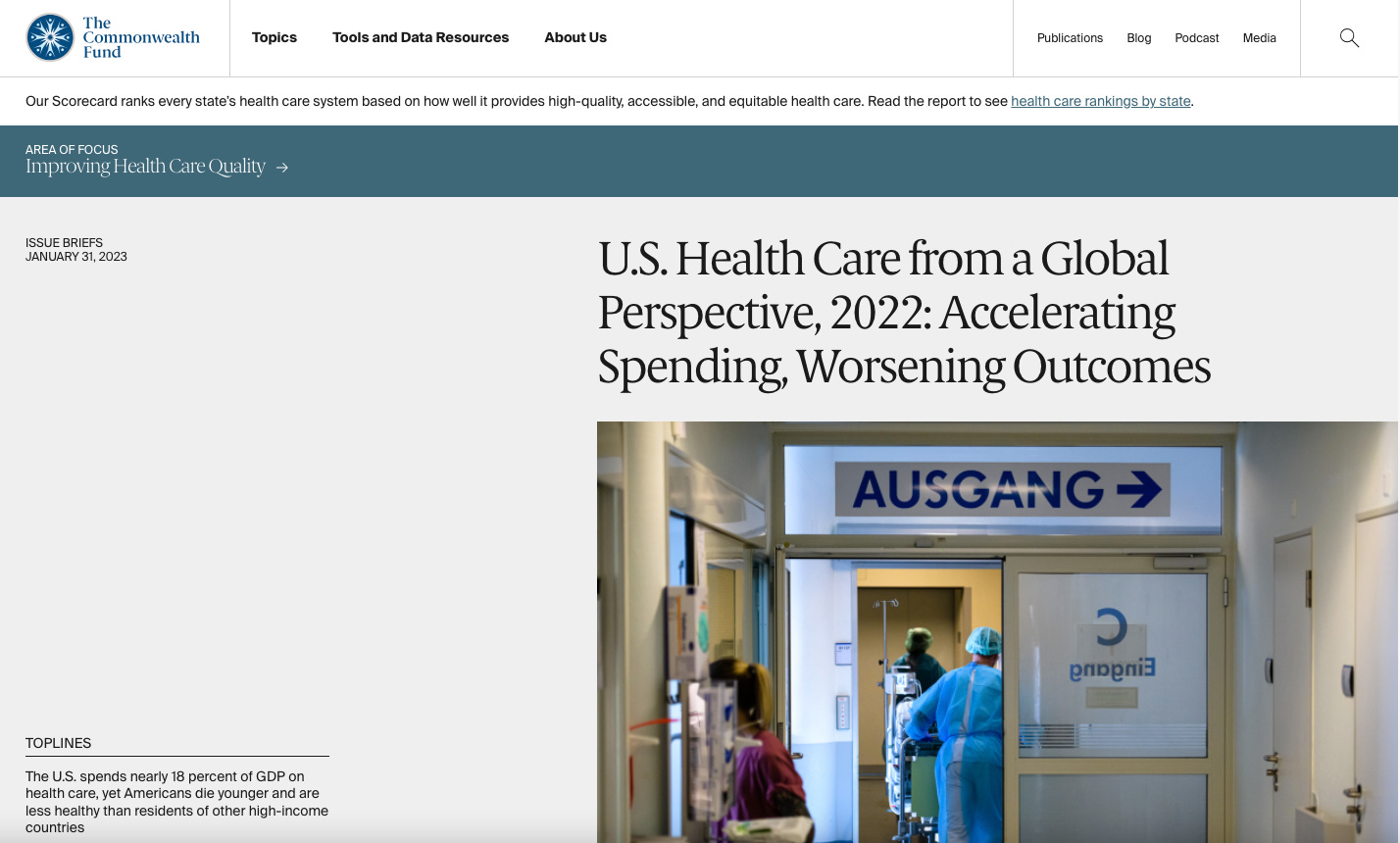
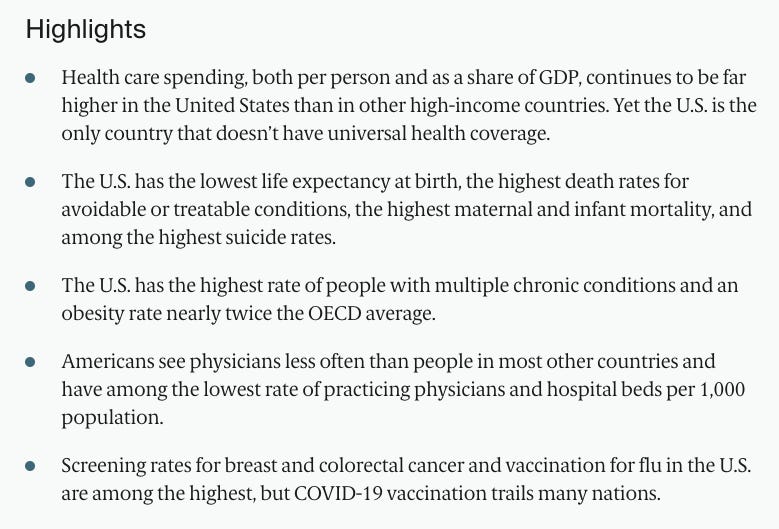
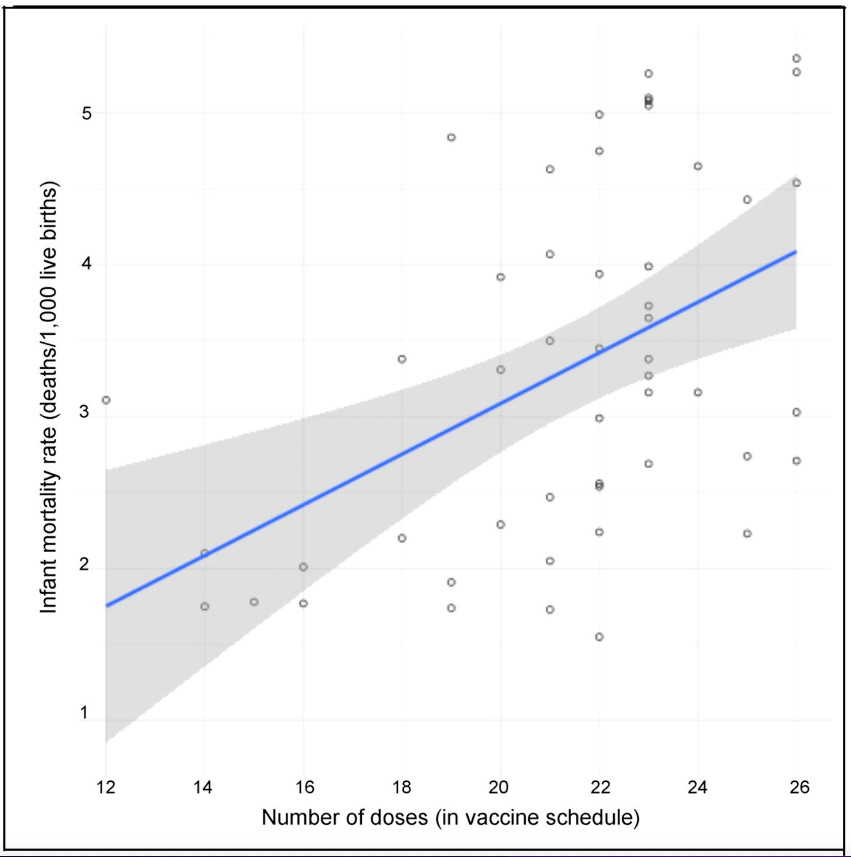
The US medical cartel is in no position to be giving medical advice. The US spends the most on health care and is the mostly heavily injected population by the CDC schedule yet has the highest maternal and infant mortality…by a lot. While injections are not the only item to consider they are relevant. source
This chart should end vaccination in its entirety.
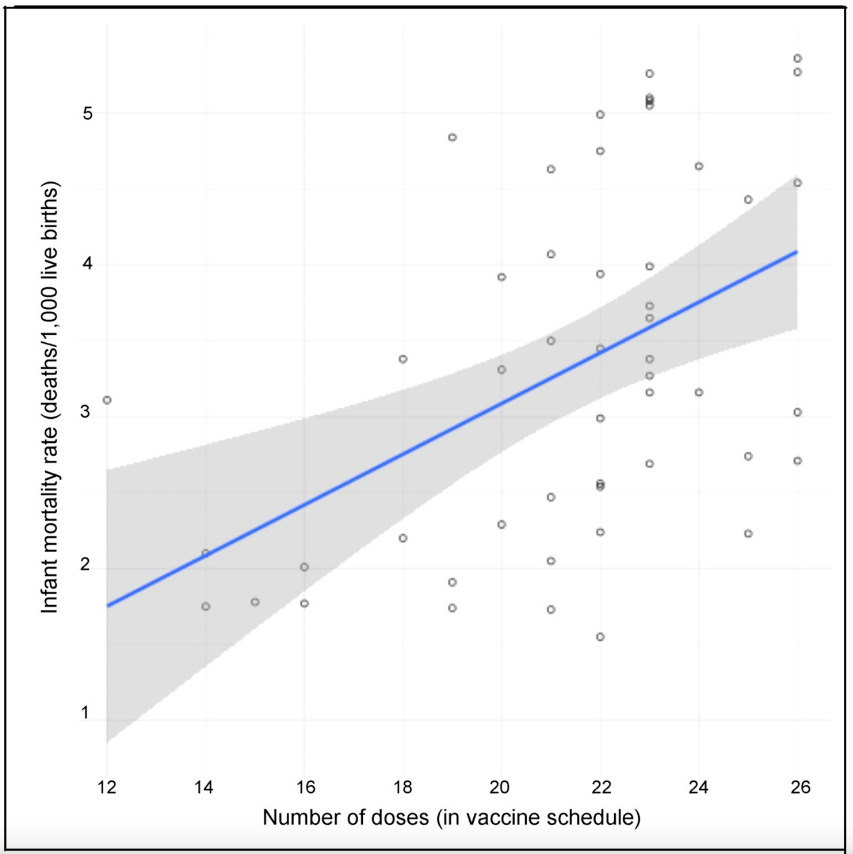
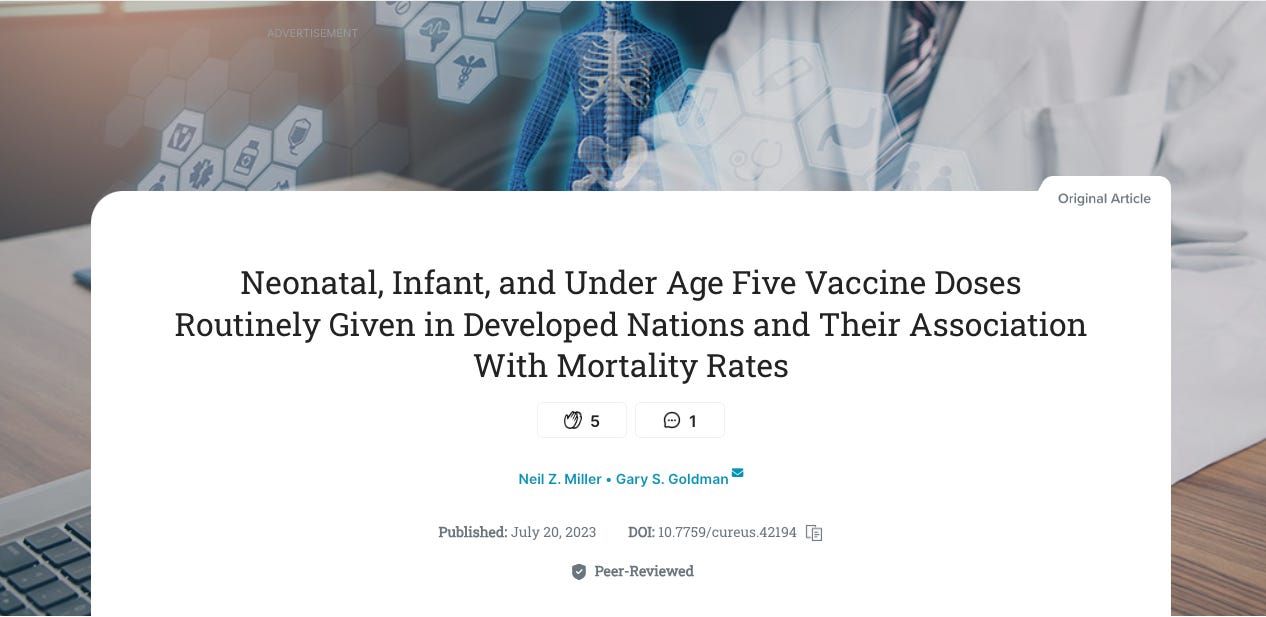
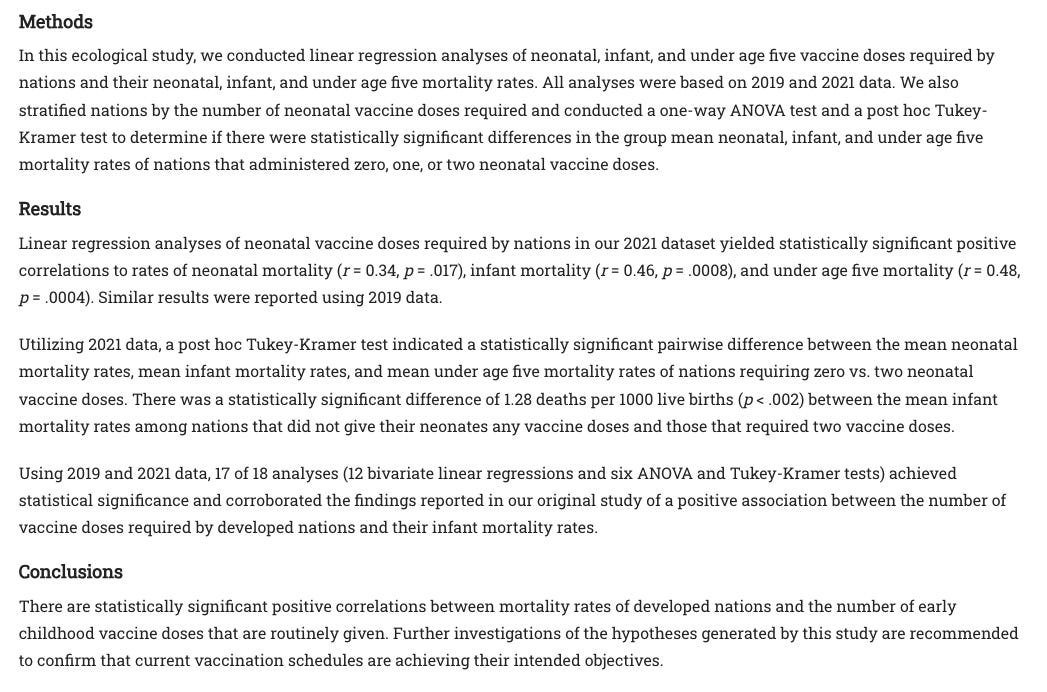
The more doses the higher the infant mortality. There should not be a lot more required to be said but I will highlight how several injections can contribute to this overall net effect.
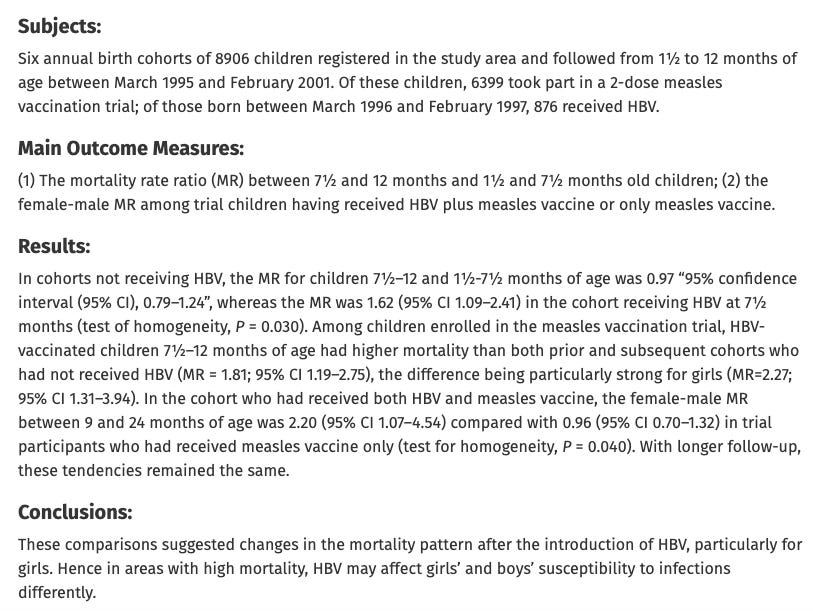
Children who received the Hep B injection with the measles injection had a 1.8 times mortality risk and it is increased to 2.27 for girls. That is more than double the mortality risk. source
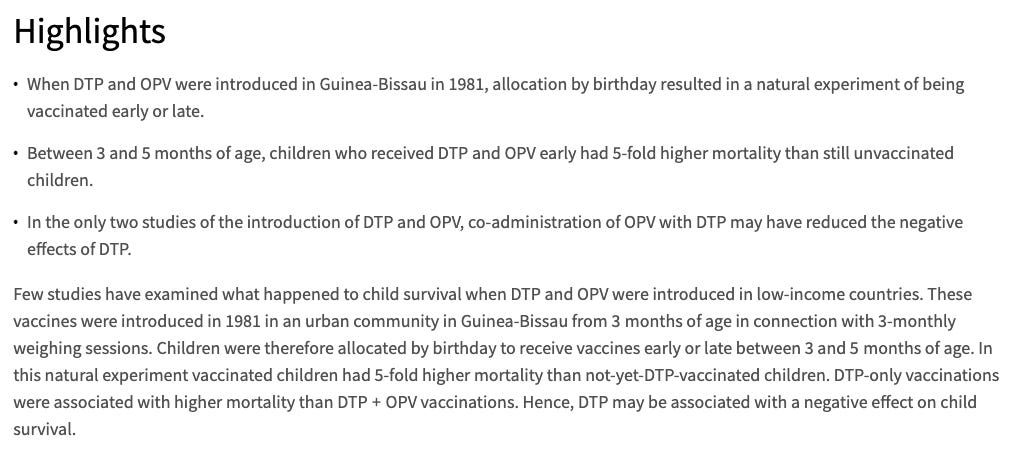
5 fold high mortality for the DTP injected. So how many lives did it save? What is the number needed to treat (NNT) to save one life? It does not exist because it takes lives. Of note we do not give the DTP injection in North America because of the damage it caused. We still poison Africa with it though.
Want to hear it from the author (Peter Aaby) himself? source
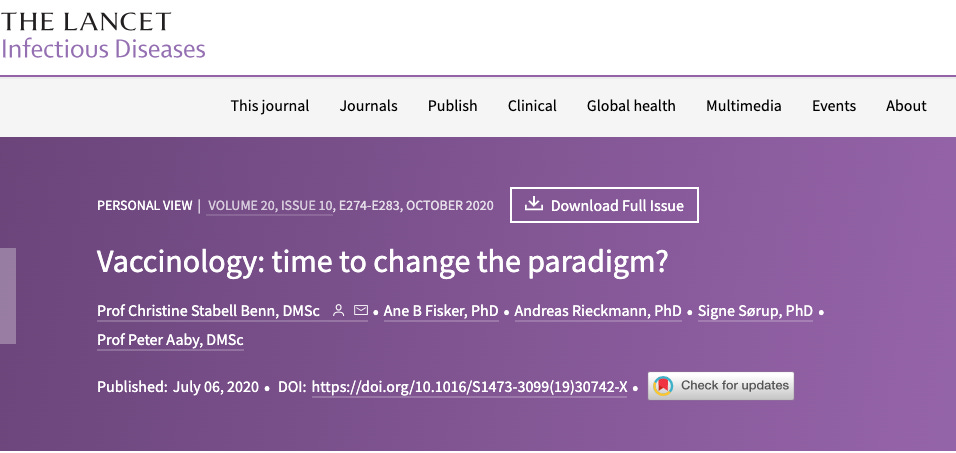
The existing vaccine paradigm assumes that vaccines only protect against the target infection, that effective vaccines reduce mortality corresponding to the target infection's share of total mortality, and that the effects of vaccines are similar for males and females. However, epidemiological vaccine research has generated observations that contradict these assumptions and suggest that vaccines have important non-specific effects on overall health in populations. These include the observations that several live vaccines reduce the incidence of all-cause mortality in vaccinated compared with unvaccinated populations far more than can be explained by protection against the target infections, and that several non-live vaccines are associated with increased all-cause mortality in females.
In this Personal View we describe current observations and contradictions and define six emerging principles that might explain them. First, that live vaccines enhance resistance towards unrelated infections. Second, non-live vaccines enhance the susceptibility of girls to unrelated infections. Third, the most recently administered vaccination has the strongest non-specific effects. Fourth, combinations of live and non-live vaccines given together have variable non-specific health effects. Fifth, vaccinating children with live vaccines in the presence of maternal immunity enhances beneficial non-specific effects and reduces mortality. Finally, vaccines might interact with other co-administered health interventions, for example vitamin A supplementation.
The potential implications for child health are substantial. For example, if BCG vaccination was given to children at birth, if higher measles vaccination coverage could be obtained, if diphtheria, tetanus, and pertussis-containing vaccines were not given with or after measles vaccine, or if the BCG strain with the best non-specific effects could be used consistently, then child mortality could be considerably lower. Pursuing these emerging principles could improve our understanding and use of vaccines globally.
I do not agree the evidence supports live vaccines decrease all cause mortality. MMR has no clinical efficacy trial. OPV (live oral polio vaccine) was given at the same time as DTP in its trials so they could claim they could not tell which one was causing harm. Small pox is the other live one cited which we not longer administer and BCG for tuberculosis is not on the schedule either.
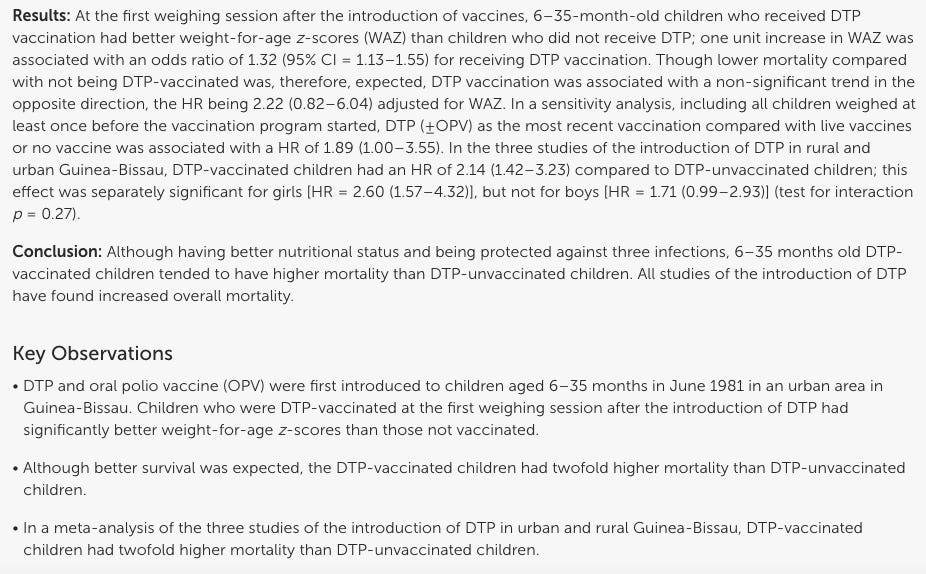
DTP-vaccinated children tended to have higher mortality than DTP-unvaccinated children. All studies of the introduction of DTP have found increased overall mortality.
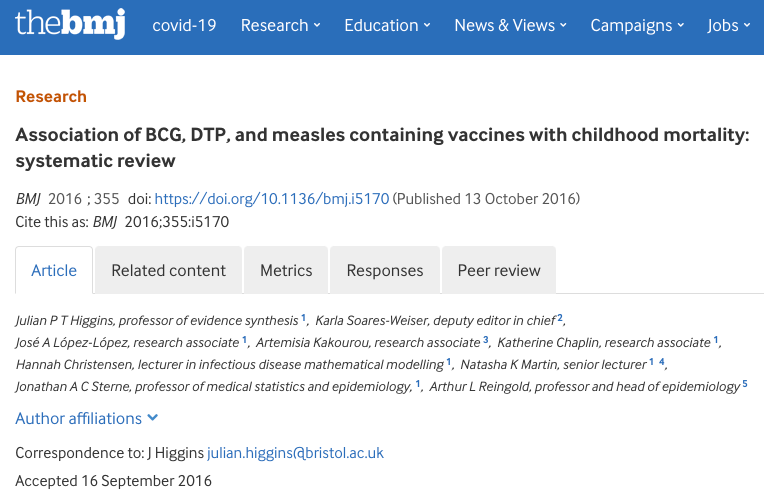
Receipt of DTP (almost always with oral polio vaccine) was associated with a possible increase in all cause mortality on average (relative risk 1.38, 0.92 to 2.08) from 10 studies at high risk of bias; this effect seemed stronger in girls than in boys. Receipt of standard titre MCV was associated with a reduction in all cause mortality (relative risks 0.74 (0.51 to 1.07) from four clinical trials and 0.51 (0.42 to 0.63) from 18 observational studies at high risk of bias); this effect seemed stronger in girls than in boys. Seven observational studies, assessed as being at high risk of bias, have compared sequences of vaccines; results of a subset of these suggest that administering DTP with or after MCV may be associated with higher mortality than administering it before MCV.
Conclusions Evidence suggests that receipt of BCG and MCV reduce overall mortality by more than would be expected through their effects on the diseases they prevent, and receipt of DTP may be associated with an increase in all cause mortality.
You might notice they are claiming the live MCV (measles containing vaccine) improves all cause mortality. Let us see if MMR has non-specific benefits like protecting against other illnesses.
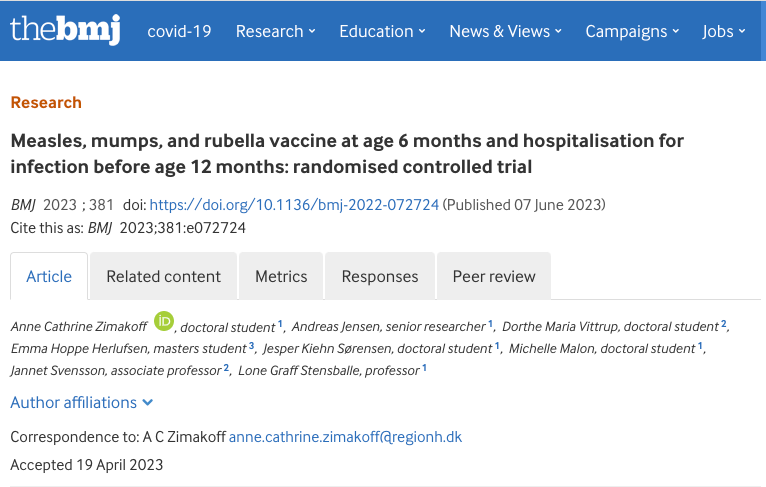
Results 6536 infants were included in the intention-to-treat analysis. 3264 infants randomised to MMR vaccine experienced 786 hospitalisations for infection before age 12 months compared with 762 for the 3272 infants randomised to placebo. In the intention-to-treat analysis the rate of hospitalisations for infection did not differ between the MMR vaccine and placebo groups (hazard ratio 1.03, 95% confidence interval 0.91 to 1.18). For infants randomised to MMR vaccine compared with those randomised to placebo, the hazard ratio of hospitalisations for infection with a duration of at least 12 hours was 1.25 (0.88 to 1.77), and for prescriptions of antibiotics was 1.04 (0.88 to 1.23). No significant effect modifications were found by sex, prematurity, age at randomisation, or season. The estimate did not change when censoring at the date infants received DTaP-IPV-Hib+PCV after randomisation (1.02, 0.90 to 1.16).
Conclusion: Findings of this trial conducted in Denmark, a high income setting, do not support the hypothesis that live attenuated MMR vaccine administered early to infants aged 5-7 months decreases the rate of hospitalisations for non-targeted infection before age 12 months.
No. Taking MMR wont prevent other illnesses.
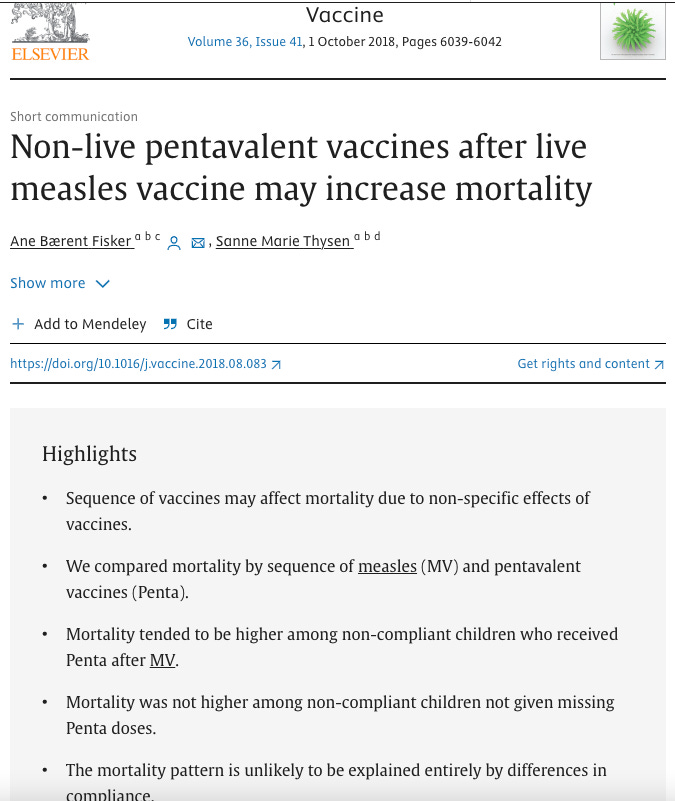
Live measles vaccine (MV) may have beneficial off-target/non-specific effects (NSEs) reducing child mortality beyond prevention of measles infection. In contrast, the non-live pentavalent (Diphtheria-Tetanus-Pertussis-H. influenzae Type B-Hepatitis B) vaccine has no beneficial NSEs. The NSEs are strongest for the most recent vaccine. Hence, sequence of vaccination may affect survival. In Guinea-Bissau, we followed 7094 measles-vaccinated children prospectively from first home visit after 9 months (when MV is scheduled) to 5 years of age. We compared survival by sequence of MV and third Pentavalent vaccine (Penta3; scheduled at 3½ months) in Cox proportional-hazards models. Compared with being vaccinated in-sequence (Penta3-then-MV), having received out-of-sequence Penta3-after-MV before the visit was associated with an adjusted Hazard Ratio (aHR) of 1.19 (95%CI: 0.84–1.69); Receiving missing Penta doses on the visit date tended to be associated with higher mortality (aHR = 1.87 (0.96–3.65)) while not receiving missing doses of Penta was not (aHR = 0.93 (0.57–1.54)), test for interaction p = 0.09.
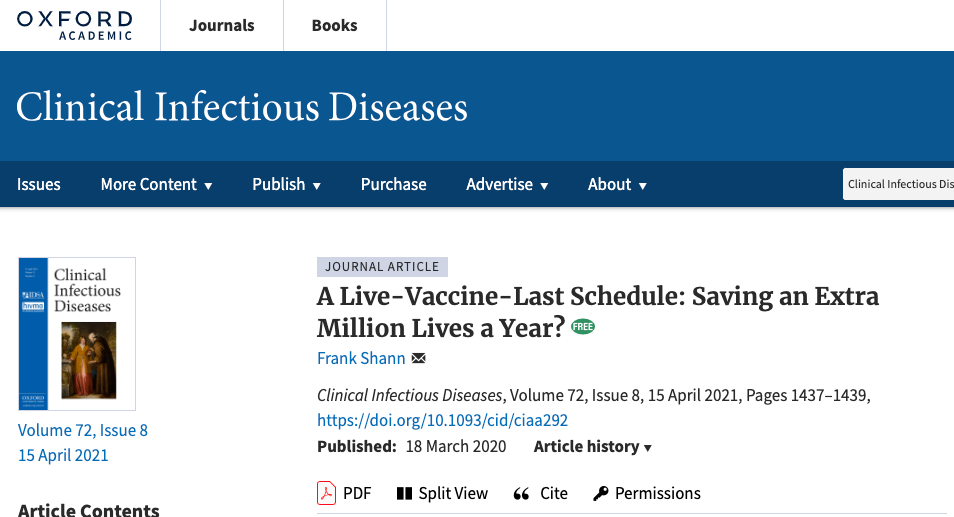
Because of their potential importance, World Health Organization (WHO) sponsored a systematic review of the nonspecific effects of BCG, DTP, and measles-containing vaccines that was published in 2016 [10]. The 2 randomized trials of BCG that had a low risk of bias in the review and another randomized trial published subsequently show that BCG-Danish reduces all-cause neonatal mortality with a mortality ratio (MR) of 0.62 (0.46–0.83) [11]. The review estimated that measles vaccine reduces mortality with MR 0.51 (0.42–0.63). Controversially, the review estimated that DTP is associated with a nonsignificant increase in mortality with MR 1.38 (0.92–2.08) based on 10 observational studies [10]; however, when the 3 studies with a bias index >2.0 are excluded, DTP is associated with a MR of 1.91 (1.46–2.50) [12]. The review also reported that, compared with measles vaccine given after DTP, DTP given with or after measles vaccine has an MR of 2.34 (1.57–3.50) [10].
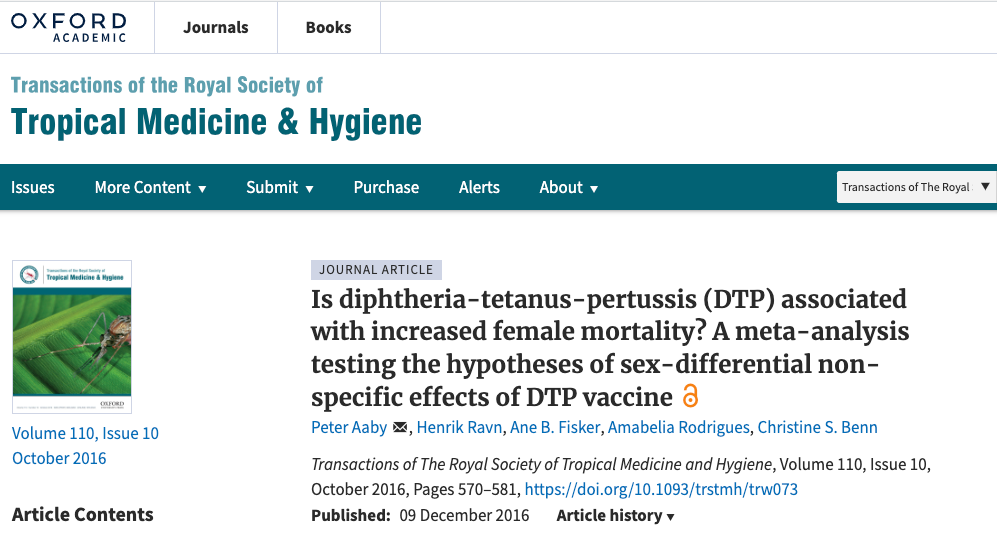
Results
In seven studies of BCG-vaccinated children, DTP vaccination was associated with a 2.54 (95% CI 1.68–3.86) increase in mortality in girls (with no increase in boys [ratio 0.96, 0.55–1.68]). In 10 studies of BCG-vaccinated children, the female-to-male mortality ratio was 2.45 (1.48–4.06) times higher after DTP than before DTP. In 15 studies of children who had received DTP after previous BCG vaccination, mortality was 1.53 (1.21–1.93) times higher in girls than boys. The findings were similar in studies conducted before and after formulation of the hypotheses.
I think I have made my point. On to how they actually kill children. SIDS.
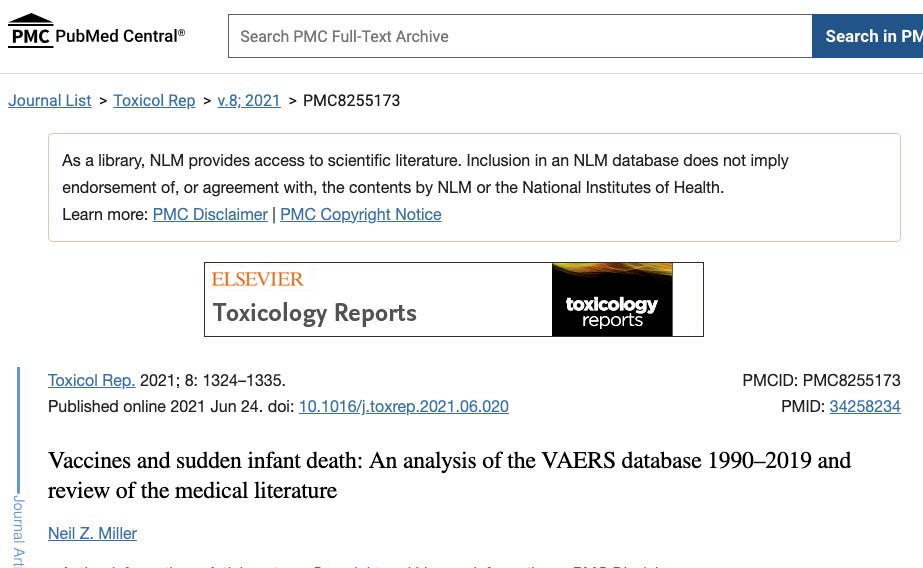
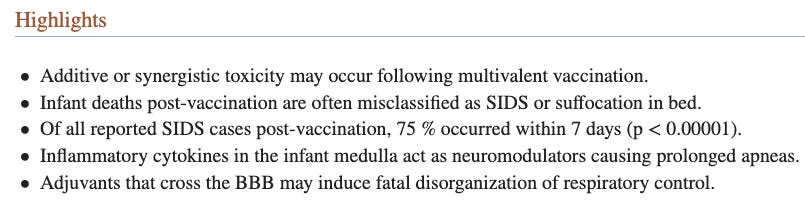
In this paper, the Vaccine Adverse Event Reporting System (VAERS) database was analyzed to ascertain the onset interval of infant deaths post-vaccination. Of 2605 infant deaths reported to VAERS from 1990 through 2019, 58 % clustered within 3 days post-vaccination and 78.3 % occurred within 7 days post-vaccination, confirming that infant deaths tend to occur in temporal proximity to vaccine administration. The excess of deaths during these early post-vaccination periods was statistically significant (p < 0.00001). A review of the medical literature substantiates a link between vaccines and sudden unexplained infant deaths. Several theories regarding the pathogenic mechanism behind these fatal events have been proposed, including the role of inflammatory cytokines as neuromodulators in the infant medulla preceding an abnormal response to the accumulation of carbon dioxide; fatal disorganization of respiratory control induced by adjuvants that cross the blood-brain barrier; and biochemical or synergistic toxicity due to multiple vaccines administered concurrently. While the findings in this paper are not proof of an association between infant vaccines and infant deaths, they are highly suggestive of a causal relationship.
Most deaths occurring in the post-neonatal period are due to infections, congenital defects, malignancies or accidents. Seldom do babies die without any evident cause and such deaths are classified as (i) sudden infant death syndrome (SIDS), defined in the PSUR as death that occurs in the first year of life and remains unexplained after autopsy, or (ii) sudden unexpected death (SUD), defined as death which occurs in the first two years of life, and which remains unexplained after clinical and final event history, but without autopsy. Together, these two are considered sudden death (SD) in the PSUR 15.
A number of vaccines are administered on any given day to children under the age of 2 years; the number of children vaccinated all over the world is very large. It is possible that by chance, some vaccinated children might die of coincidental SIDS/SUD, events which might have occurred even if these children had not been vaccinated on that day. To ascertain if such a death was caused by vaccination or was a coincidental event, an observed/expected analysis of SD is performed. The analysis estimates if the number of deaths observed after vaccination exceeds that which can be expected by chance.
…among the infants, there was a clustering of deaths immediately following vaccination, with 42 deaths taking place in the first three days after vaccination, and only 8 in the next 3 days. Among those below one year of age, 54 deaths (93%) occurred in the first 10 days, and 4 (7%) in the next 10 days. Had the deaths been “coincidental SIDS deaths”, this disparity in the number of deaths in the two time periods would not have been observed. SIDS deaths would have been spread uniformly over the 20-day period. The fact that the rate of death decreases rapidly with the passage of time following immunisation suggests that the deaths could be related to vaccination.
Similarly, among children older than one year, 5 deaths (83.3%) occurred in the first 10 days and 1 death (17%) occurred in the next 10 days.
Ok. So it might be killing babies. It kills adults too but people do not seem to notice as much.
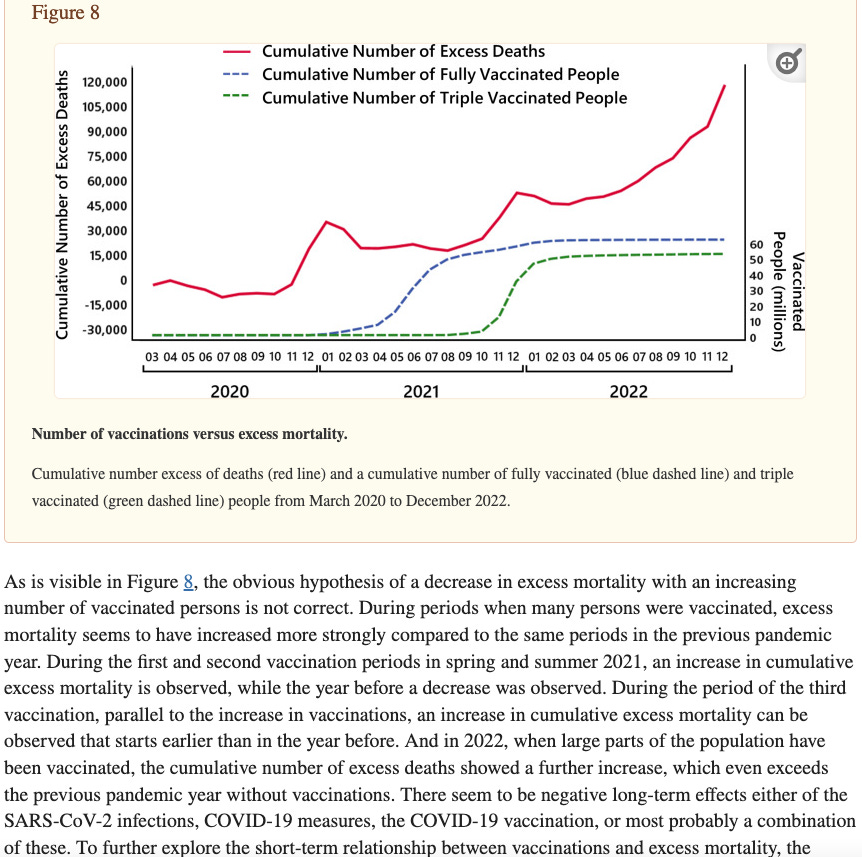
Taken together, one would expect that vaccinating large parts of the population should have reduced excess mortality. The contrary is observed: both excess mortality and the number of stillbirths increased with increased vaccinations. In all age groups below 80 years, excess mortality was higher in the second year and in particular much higher in the third year of the pandemic, where large parts of the population were vaccinated. These observations are surprising and further more detailed investigations from different scientific fields are strongly recommended to rule out that these safety signals occur due to the existence of unknown side effects of the COVID-19 vaccines
I wont bothering going too hard on the covid bioweapon but it increased all cause mortality. If you think this was a beneficial health product at this stage I have no interest in helping you.
Despite empty slogans of “safe and effective”, “the benefits outweigh the risks”, and “they saved millions of lives” the scientific reality is they often increase overall mortality, infant mortality, SIDS, and the most injected populations are the sickest. They are unable to present any high quality evidence they save lives and ignore all the evidence they cause harm. The pro-vaxx are psychologically subverted and unable to make decisions in their own best interest and they force their flawed thinking on everyone else with mandates and school requirements and take no responsibility when they injure people with indemnity. Your medical doctor does not have 10,000 hours studying vaccine literature and is not an expert. They learn none of this in medical school. Barring fraud this graph is all you need to know. So tell me which one save lives and which ones take lives that this is the net effect?
No posts
Comments
Nothing yet. Say the first thing.
Sign in to join the conversation.