
The exploration of providing essential medical assistance in remote locations is known as wilderness medicine. It is one of those fields that are developing quickly and becoming increasingly vital as more people go hiking and climbing in the wild. The multidisciplinary field of wilderness medicine has a lengthy history of incorporating medical practice. Because there is a growing demand for experts in the field, the course is expanding along with the number of people traveling across. This course's subjects cover every crucial detail to ensure that the learner understands the material comprehensively. Here are the Important aspects of wilderness medicine to give proper care in the wild.
Dive Into The Key Details Of Wilderness Medicine
Careful planning is the cornerstone of a safe journey before setting out on any wilderness adventure. Start by learning about the area's topography, weather, and possible dangers. Understanding the local flora and wildlife is important because some could harm your health.
Appropriate packing is yet another crucial component of getting ready. Assemble a first aid kit that is equipped and arranged properly for the activities and length of your trip. Add necessary items like bandages, antiseptic wipes, painkillers, and prescription drugs. Pack extra layers and items, such as a waterproof jacket, to protect you from the weather.
First aid in the wilderness is frequently provided by a fellow traveler who has been hurt. Giving effective care requires being able to recognize emergencies and know how to react to them. To treat the injured best, you should be trained enough with the Wilderness First Responder Certification. Prioritize scene safety by ensuring the injured and rescuers are not in immediate danger. The initial assessment is guided by the primary survey, which employs the ABCDE approach:
Airway: Check for obstructions and make sure the airway is clear.
Breathing: Recognize and address breathing issues as soon as possible.
Circulation: Watch for indications of blood flow and manage bleeding.
Disability: Assess neurological condition, looking for neurological deficiencies and responsiveness.
Control of Exposure and Environment: Stop additional heat loss and shield from the weather.
Wilderness settings pose particular difficulties, so it's critical to be ready to handle common illnesses and injuries:
Trauma: Provide immediate medical attention for bruises, abrasions, puncture injuries, fractures, strains, and head injuries.
Environmental Concerns: Acquire knowledge of how to identify and treat frostbite, exhaustion from heat, heatstroke, hypothermia, and altitude sickness.
Medical Emergencies: Know how to handle respiratory distress, cardiac events, and allergic reactions.
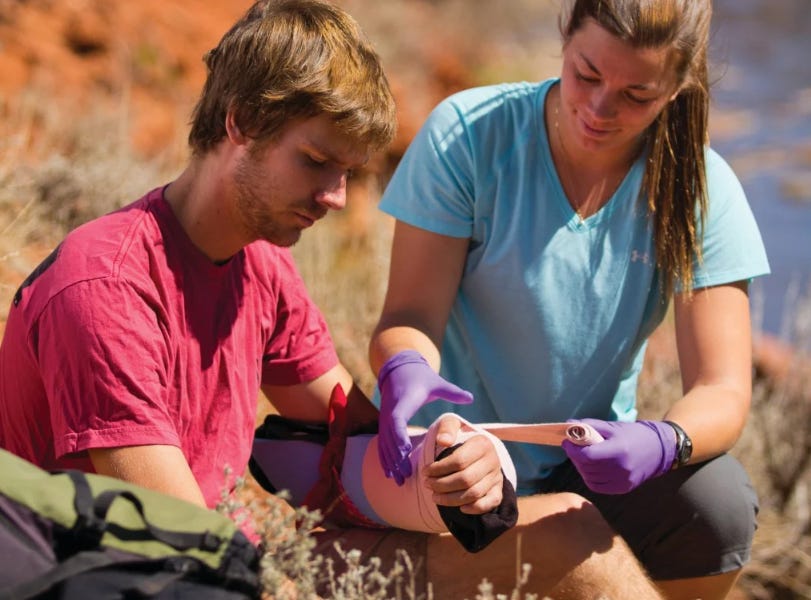
It is essential to know how to administer basic medical care in the Wilderness Medicine Course if one is to treat illnesses and injuries in the wild:
Wound Care: Apply the proper bandages and dressings after cleaning wounds with sterile solutions. Understand how to use adhesive strips or sutures if needed.
Management of Sprains and Fractures: Support sprains and immobilize fractures. Make splints better with what you have.
Environmental Concerns: Cool those suffering from heat-related illnesses and gradually rewarm those suffering from hypothermia. Watch out for their hydration.
Medical Emergencies: Use an auto-injector of epinephrine for severe allergic reactions and perform CPR if necessary.
To become more proficient at work, employees in every profession must possess specific skills. To meet the requirements, the person must possess certain skills. Among the skill sets required in the field of Wilderness First Aid and medicine are:
Communication Skills: To interact with people, understand their problems, and treat them, a person must possess these skills. The person must improve this ability, and if they are afraid to communicate, they must learn how to do so.
Critical Problem Solving: This is a necessary skill since there are situations in which a person must make decisions about critical situations. As a result, the person must either possess this skill or learn it.
Rescue Techniques: Knowing the rescue techniques will make it easier for the person to intervene in the event of a tragedy. When working in this field, they must maintain their vigilance.
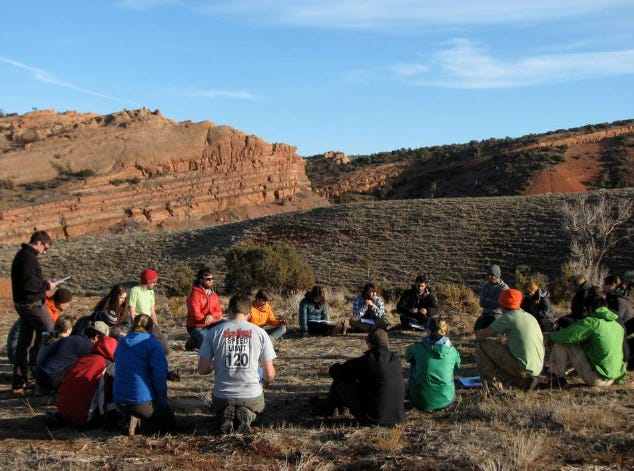
Acquiring proficiency in wilderness medicine courses from Idaho Rescue Training requires a combination of readiness, useful abilities, and a dedication to lifelong learning. By adhering to this thorough guide, outdoor enthusiasts can improve their capacity to administer appropriate care in the wild, protecting their safety and well-being and that of their fellow adventurers. Recall that getting professional medical assistance right away is crucial in serious emergencies.
No posts
Comments
Nothing yet. Say the first thing.
Sign in to join the conversation.