
Trekking in Nepal is an exhilarating adventure, offering stunning landscapes, breathtaking views, and encounters with diverse cultures. However, exploring the Nepalese wilderness also comes with its risks. For extreme weather conditions to encountering insects and navigating rugged terrain, trekkers must be prepared to handle emergencies with wilderness first aid techniques. In this guide, we'll explore five essential techniques every trekker should know to stay safe in Nepal's remote areas.
Nepal's rugged terrain and high altitude can take a toll on your body, especially if you're not adequately hydrated. Dehydration and heat exhaustion are common issues faced by trekkers, particularly during strenuous hikes in the Himalayas. Symptoms include excessive thirst, fatigue, dizziness, and nausea.
To prevent dehydration, drink plenty of water throughout your trek, even if you don't feel thirsty. Carry a reusable water bottle and refill it whenever you come across a water source. Additionally, consume electrolyte-rich drinks or snacks to replenish lost minerals.
If you or a fellow trekker exhibits signs of dehydration or heat exhaustion, take immediate action. Find shade and rest, remove excess clothing, and cool the body with wet towels or by dipping in a stream if available. Encourage the affected person to sip water slowly and seek medical assistance if symptoms persist.
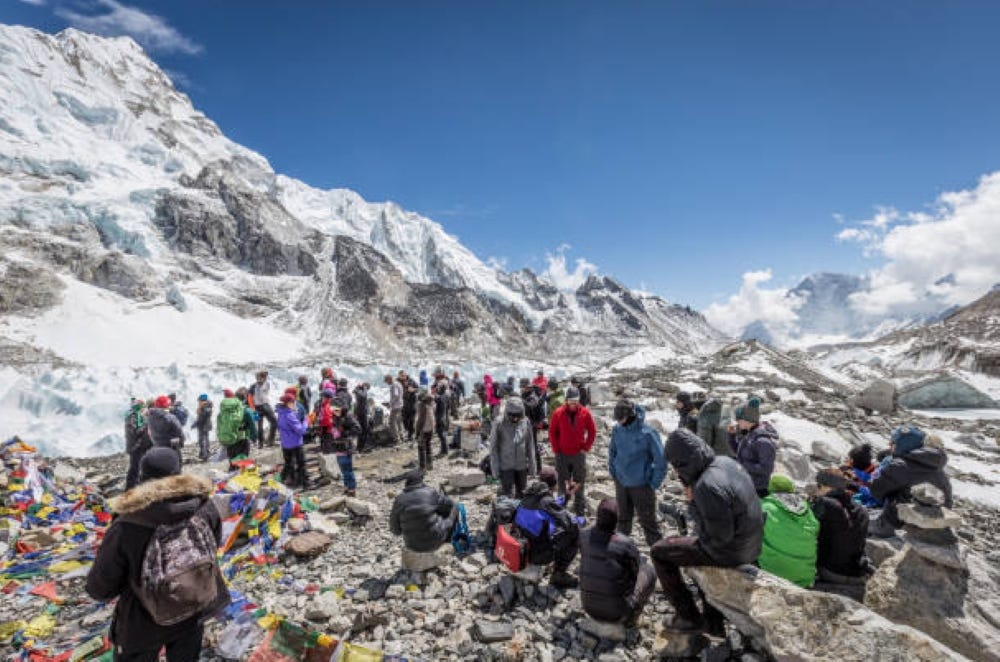
While Nepal is known for its high altitudes and warm climates, temperatures can plummet unexpectedly, especially at night or in higher elevations. Hypothermia and frostbite are real dangers for trekkers, particularly during the winter months.
Hypothermia occurs when the body loses heat faster than it can produce it, leading to a dangerously low body temperature. Symptoms include shivering, confusion, slurred speech, and loss of coordination. If left untreated, hypothermia can be life-threatening.
To treat hypothermia, move the person to a warm shelter, remove wet clothing, and wrap them in dry blankets or clothing. Use your body heat to warm them if necessary, and provide warm liquids to help raise their core temperature.
Frostbite, on the other hand, occurs when skin and underlying tissues freeze due to prolonged exposure to cold temperatures. Symptoms include numbness, tingling, and skin discoloration.
If you suspect frostbite, gently rewarm the affected area using warm (not hot) water or by placing it against warm skin. Avoid rubbing or massaging the area, as this can cause further damage. Seek professional medical help as soon as possible.
Nepal's diverse ecosystems are home to a variety of insects, some of which can pose a threat to trekkers. From mosquitoes to venomous spiders, it's essential to be prepared for insect bites and stings.
Carry insect repellent and apply it regularly, especially during dawn and dusk when mosquitoes are most active. Wear long-sleeved clothing and pants to minimize exposed skin, and avoid brightly colored clothing, which can attract insects.
If bitten or stung, clean the area with soap and water and apply a cold compress to reduce swelling and discomfort. Monitor for signs of an allergic reaction, such as difficulty breathing or swelling of the face, and seek medical help if necessary.
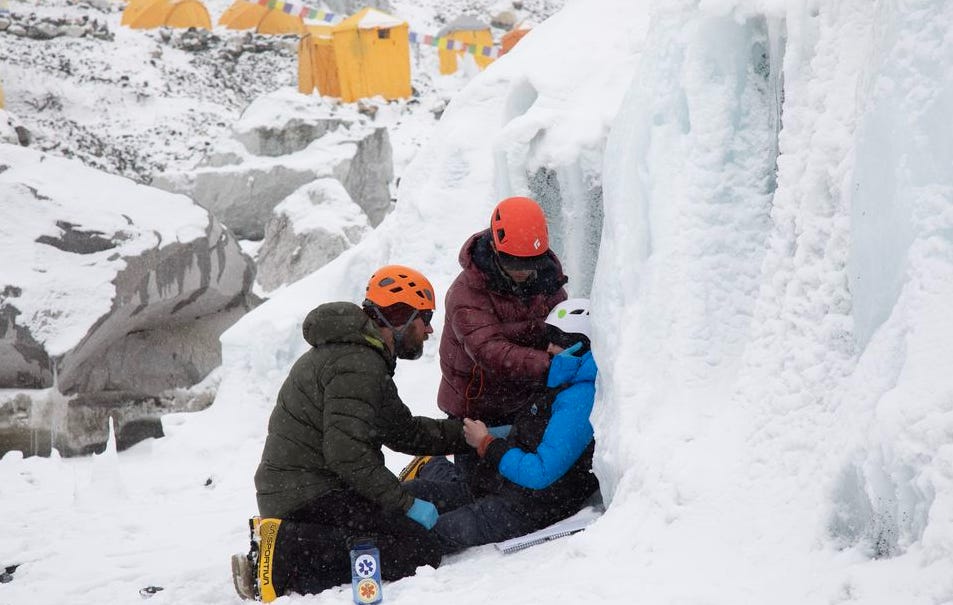
Navigating Nepal's rugged terrain can sometimes result in cuts, scrapes, and wounds. While these injuries may seem minor, they can quickly become infected if not properly treated.
Carry a basic first aid kit containing bandages, antiseptic wipes, and adhesive tape. Cleanse the wound with water and apply an antiseptic to prevent infection. Cover with a sterile bandage or dressing and change it regularly to promote healing.
If the wound is deep or bleeding heavily, apply direct pressure and elevate the injured area to control bleeding. Seek medical attention if the wound is large, deep, or shows signs of infection, such as redness, swelling, or pus.
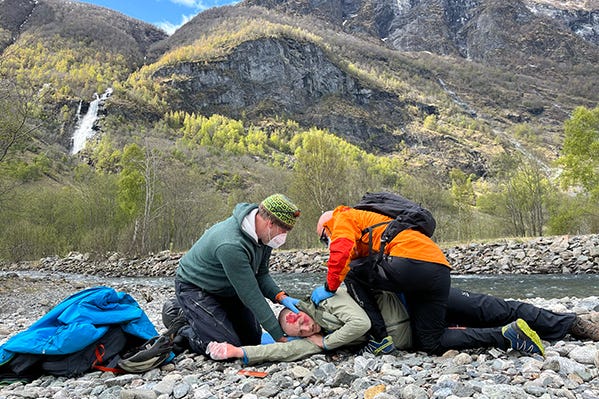
In remote areas of Nepal, access to professional medical help may be limited, making basic life support skills invaluable. CPR (cardiopulmonary resuscitation) is a life-saving technique used to revive individuals experiencing cardiac arrest.
If you encounter someone who is unresponsive and not breathing normally, begin CPR immediately. Place the person on their back on a firm surface and perform chest compressions at a rate of 100 to 120 per minute, interposed with rescue breaths.
Remember the acronym "CAB" (compressions, airway, breathing) and continue CPR until help arrives or the person shows signs of recovery. Enrolling in a wilderness first aid or CPR course before your trek can provide you with the skills and confidence to handle emergencies effectively.
In conclusion,
Being prepared with Nepal wilderness first aid techniques is essential for trekkers exploring the Nepalese wilderness. By understanding how to manage dehydration, treat hypothermia, handle insect bites, manage wounds, and perform CPR, you can enjoy your trek safely and confidently. Remember to always carry a first aid kit, stay hydrated, and know your limits when embarking on outdoor adventures in Nepal.
No posts
Comments
Nothing yet. Say the first thing.
Sign in to join the conversation.