
For decades, dental amalgam fillings—commonly known as “silver fillings”—have been used to treat cavities. These fillings contain approximately 50% mercury, a known neurotoxin that poses significant risks to human health and the environment. While mercury amalgam fillings have been phased out in many countries, they remain in use in the United States and elsewhere, meaning millions of these fillings will need to be removed in the coming years due to wear, failure, or patient preference for safer alternatives.
The International Academy of Oral Medicine and Toxicology (IAOMT) has pioneered the Safe Mercury Amalgam Removal Technique (SMART) to ensure this process is conducted with the utmost care to minimize mercury exposure for patients, dental professionals, and the environment.
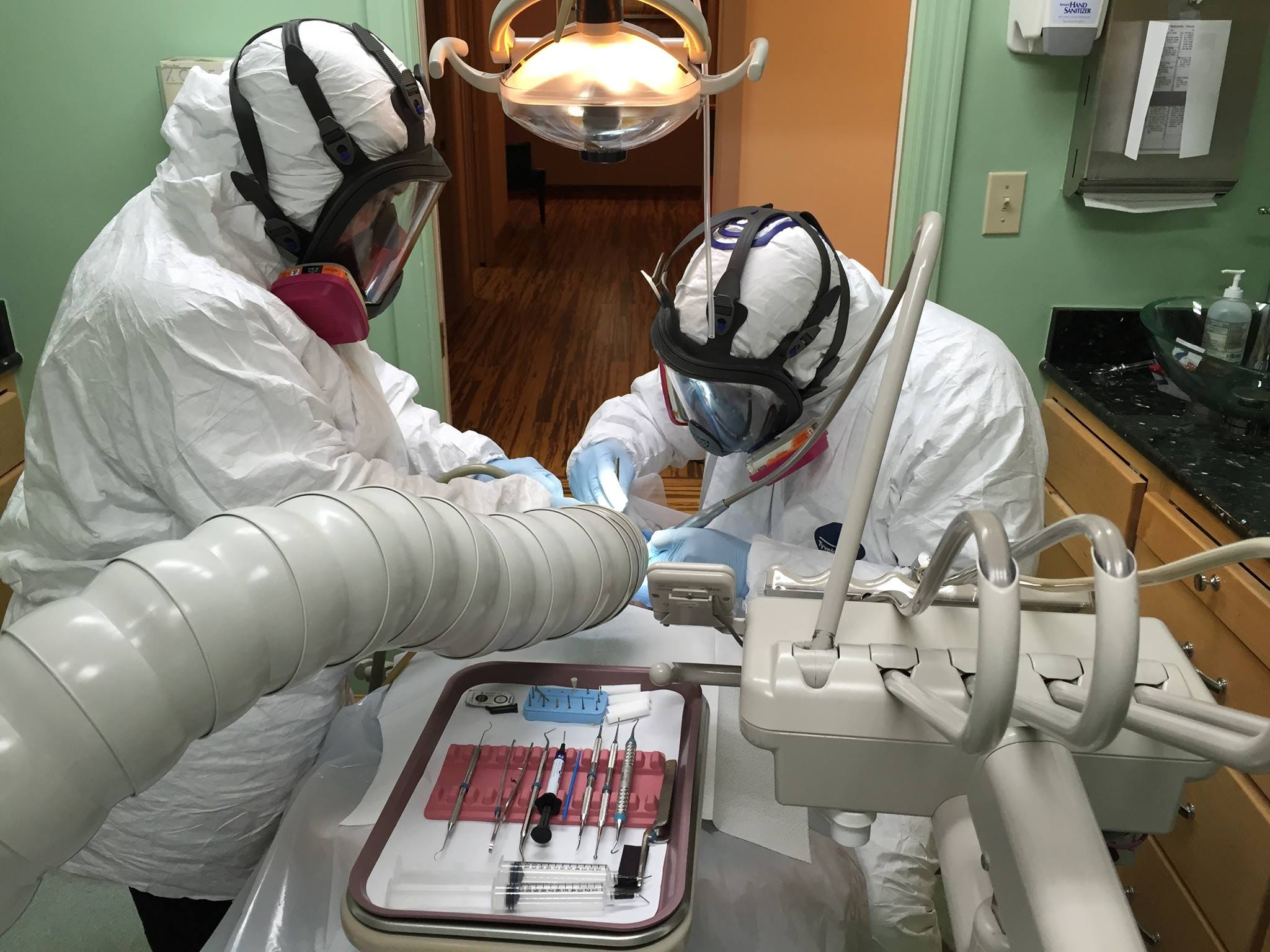
Here’s why safe removal is critical and how SMART is transforming dental care.
The Hidden Dangers of Mercury in Dental Amalgams
Mercury is a potent neurotoxin that can harm the brain, kidneys, liver, and other vital organs. Scientific research consistently shows that dental amalgam fillings release mercury vapor, which is absorbed into the body, particularly during activities like chewing, brushing, or clenching teeth. The removal process itself is especially hazardous, as drilling on amalgam fillings releases significant amounts of mercury vapor and fine particulate matter that can be inhaled or absorbed through the lungs, skin and gingiva. These particles can spread to the patient’s face, arms, and clothing, as well as to dental staff, creating a risk for everyone in the room. Particulate will deposit on fixtures in the room. Off gassing from this buildup creates a level of mercury present throughout the office.
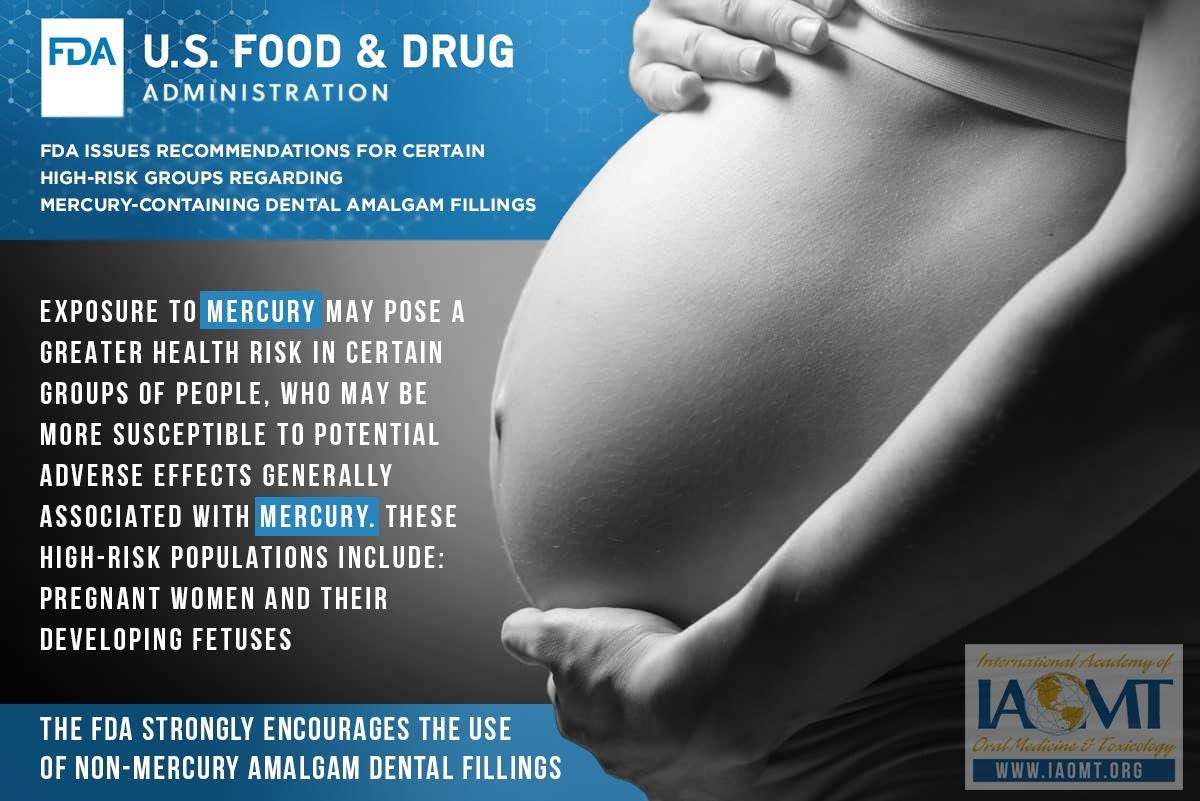
The dangers are not theoretical. Studies have linked mercury exposure from the mercury released from dental amalgams to a range of health issues, including neurological disorders, immune system dysfunction, and kidney damage. Vulnerable populations, such as pregnant women, breastfeeding mothers, and children, are at heightened risk, as mercury can cross the placenta and affect fetal development or accumulate in breast milk.
Dentists and dental staff are also at risk due to repeated occupational exposure, with research showing elevated mercury levels in their blood and urine.
Despite these risks, unsafe amalgam removal remains common in the vast majority of dental practices. Without proper precautions, the process releases toxic levels of mercury, exacerbating exposure for everyone involved. This is why the IAOMT developed the SMART protocol—a rigorous, science-based approach to mitigate these dangers.
The SMART Protocol: A Science-Driven Solution
The IAOMT’s Safe Mercury Amalgam Removal Technique (SMART) is a comprehensive set of recommendations designed to minimize mercury exposure during amalgam removal. Developed based on decades of scientific research and clinical experience, SMART incorporates advanced engineering controls and protective measures that go beyond traditional methods like masks, suction, and water irrigation.
Here’s how it works:
Pre-Procedure Preparation:
Patients are given a slurry of charcoal, chlorella, or a similar adsorbent to rinse and swallow before the procedure (unless contraindicated), helping to bind and eliminate any ingested mercury particles.
Protective gowns and covers are used for the patient, dentist, and dental staff to prevent contamination from mercury particles that can escape suction devices.
Environmental Controls: Dental operatories must have high-volume air filtration systems, such as at-source oral aerosol vacuums, to capture mercury vapor and amalgam particles.
Whenever possible, windows are opened to reduce mercury concentration in the air.
Safe Removal Techniques: A latex-free dental dam and saliva ejector are placed to isolate the tooth and reduce mercury exposure to the patient’s mouth.
The amalgam is sectioned into large chunks using a small-diameter carbide drill to minimize vapor and particulate release.
Copious water irrigation and high-speed evacuation systems are used to reduce heat and capture mercury discharges.
After removal, the patient’s mouth is thoroughly flushed with water and rinsed with an adsorbent to further reduce residual mercury.
Post-Procedure Safety: Dentists must comply with federal, state, and local regulations for the proper handling, cleaning, and disposal of mercury-contaminated materials, including clothing, equipment, and operatory surfaces.
Dental staff are required to wear appropriate personal protective equipment when handling suction traps or other contaminated components.
Special Considerations: The IAOMT strongly advises against amalgam removal for pregnant or breastfeeding women, as well as for dental personnel in these conditions, to avoid potential harm to fetuses or infants.
These measures, backed by extensive scientific references, ensure that mercury exposure is kept to a minimum, protecting the health of patients, dental professionals, and the environment.
Why Safe Removal Matters
The need for safe mercury amalgam removal cannot be overstated. For patients, the benefits of safe removal extend beyond immediate health protection. Many choose to replace mercury fillings with biocompatible materials like composite resin or ceramics, which are not only safer but also more aesthetically pleasing. However, without proper precautions, the removal process can release levels of mercury exceeding safety limits, potentially causing a host of symptoms, particularly in sensitive individuals.
For dental professionals, adopting SMART is a matter of occupational safety. Chronic exposure to mercury vapor can lead to serious health consequences, including neurological and reproductive harm. By implementing SMART, dentists demonstrate a commitment to their own health, the well-being of their staff, and the trust of their patients.
Additionally, mercury is a persistent environmental pollutant that accumulates in water sources, wildlife, and the food chain, posing long-term risks to ecosystems. Improper disposal of amalgam waste can contribute to this contamination, making adherence to proper protocols essential for environmental stewardship.
The SMART Choice: A Call to Action
The IAOMT launched the SMART protocol in 2016, along with a certification program for dentists to ensure proper training and implementation. The IAOMT educates patients and professionals about the importance of safe amalgam removal and helps connect patients with SMART-certified dentists. The IAOMT even provides a SMART patient/dentist checklist for patients to make sure all aspects of safe removal are implemented. The SMART Checklist also helps patients and dentists establish expectations and understandings before the actual amalgam removal procedure.
This grassroots effort encourages open communication between patients and their dental providers to ensure all safety measures are in place before removal begins.
As consumer awareness grows, so does the demand for safer dental practices. Patients are increasingly seeking IAOMT-certified dentists who prioritize health and sustainability. By choosing a SMART-certified dentist, patients can rest assured that their amalgam removal will be performed with the highest standards of safety and care.
Looking Ahead
The continued use of mercury in dentistry is a public health concern that should have ended decades ago. While progress has been made—some countries have banned or restricted amalgam use—the reality is that millions of mercury fillings remain in place worldwide. As these fillings are removed, whether due to failure, patient preference, or health concerns, it is imperative that the process is conducted safely.
The IAOMT is committed to leading the charge for safer dentistry. Through education, research, and advocacy, we are empowering patients and professionals to make informed choices about mercury amalgam removal.
To protect your health from the hazards of mercury generated during amalgam removal, we urge patients to seek SMART-certified dentists. If you’d like to inform your current dentist of the dangers of mercury filling removal, please send them to this page on our website where we have many resources about dental mercury.
We encourage dental professionals to adopt these evidence-based protocols. Together, we can protect human health, safeguard the environment, and move toward a future of mercury-free dentistry.
For more information or to find a SMART-certified dentist near you, visit the IAOMT website.
Disclaimer:
The IAOMT is a non-profit organization dedicated to advancing biological dentistry and educating the public about the risks of mercury in dental amalgams. Always consult with a qualified healthcare professional before making decisions about dental treatments.
Comments
Nothing yet. Say the first thing.
Sign in to join the conversation.