
If you’ve been tuned in to Join Me For Jazz for a while, you’ve watched fourteen sessions of flyers that all spoke the same visual language. Bold sans-serif stacked at odd angles. A single color field: that mustard yellow, that deep red, that cool blue. Font layout treated like it’s part of the composition instead of sitting on top of it. That’s Reid Miles. That’s Blue Note. The man who art-directed the most iconic album covers in jazz history, and in doing so built the visual grammar that still helps define the genre to this day.
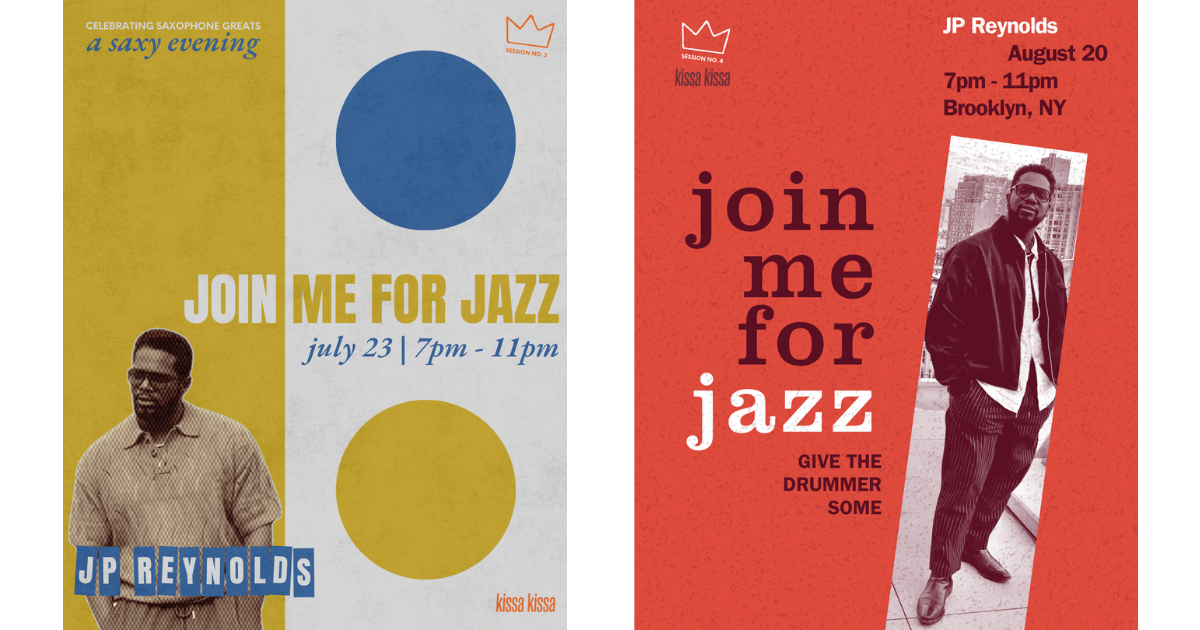
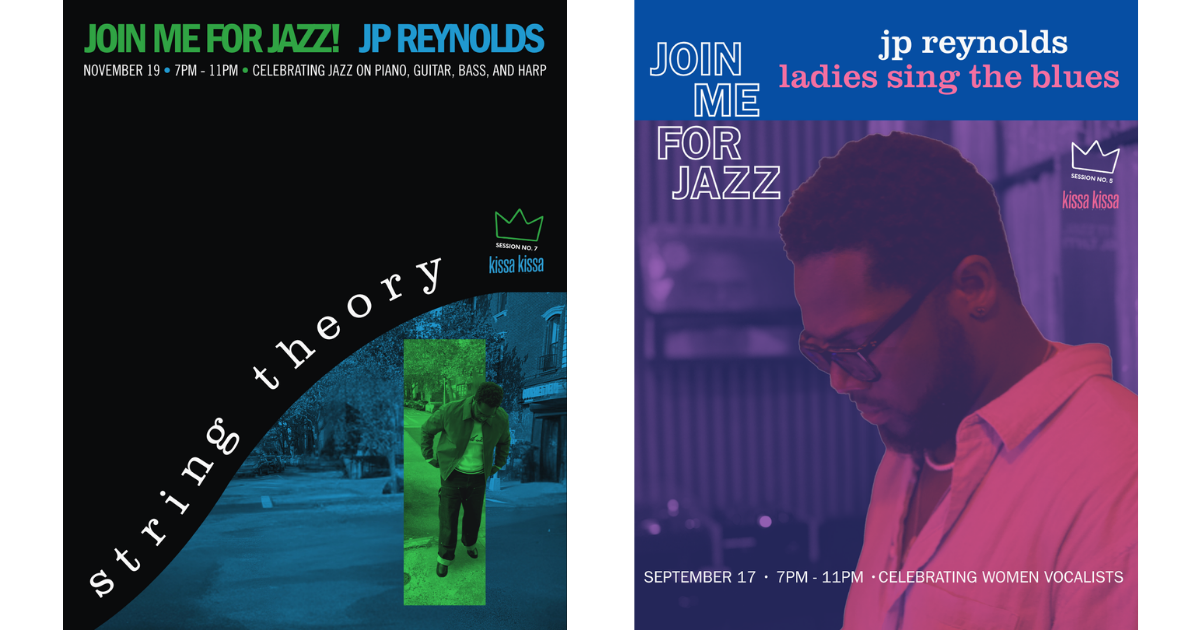
I built this series on his shoulders on purpose, and I’m not moving off that foundation. Everything I know about letting type carry mood, about restraint, about making a flyer feel like it belongs on the same shelf as the record it’s promoting — I learned that from studying his covers. Every flyer through Session 14 was my way of saying: this is a serious listening room, and it looks like the records it’s playing.
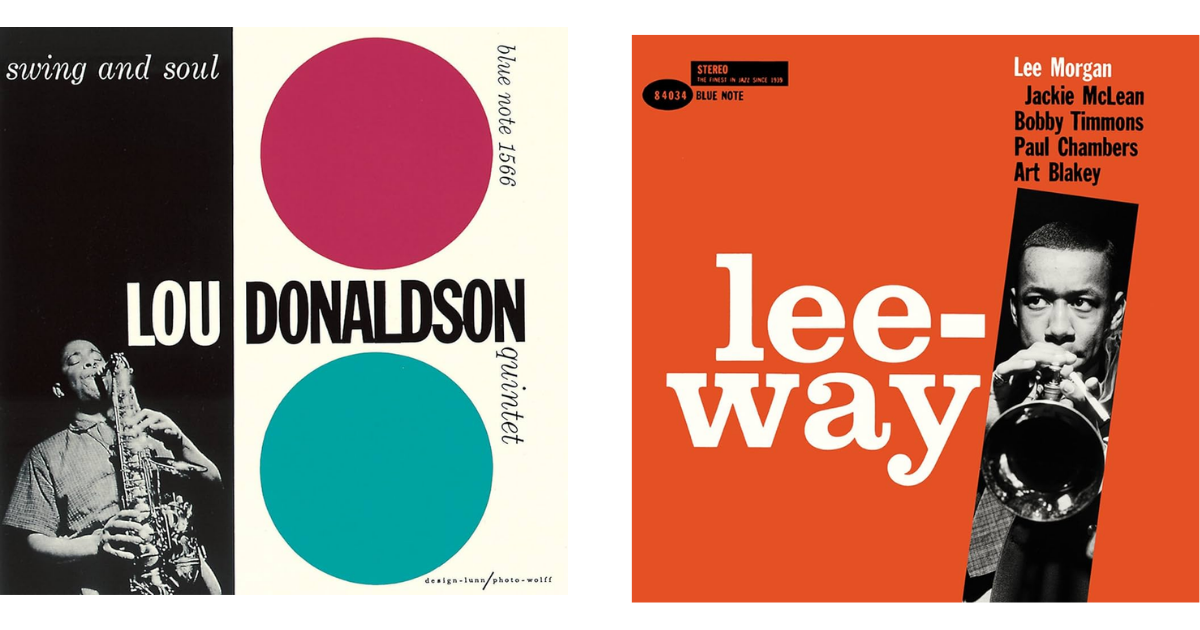
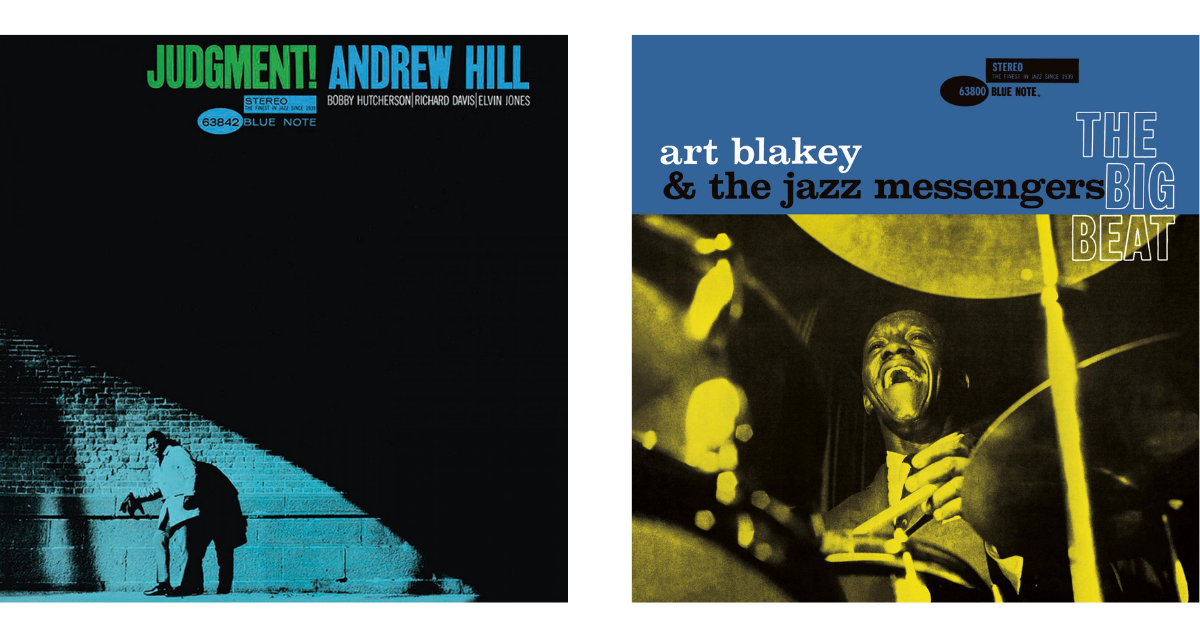
The covers by Reid Miles were selling a label’s sound, one record at time. For Knicks in 5, I wanted a design that could somehow carry and reflect a city’s memory. So I landed on two traditions that predate Blue Note’s cool, but that eventually informed the direction of jazz and jazz art: Harlem rent party invitation cards, and the Apollo Theater’s old jazz marquees and handbills.
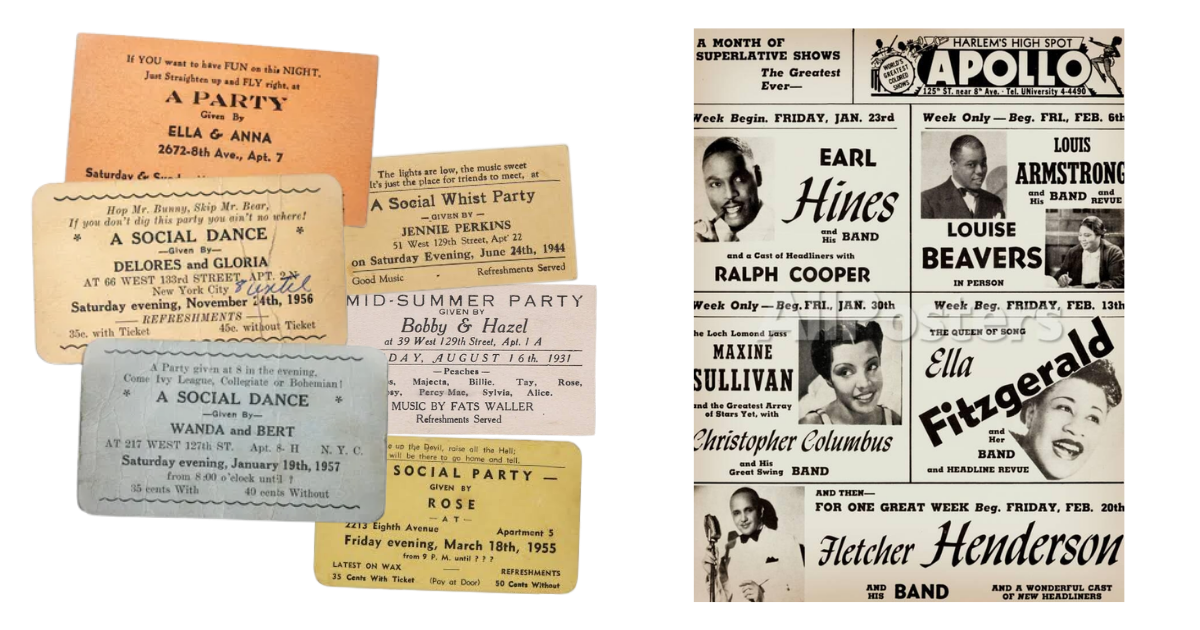
If you don’t know what a rent party is, let me explain. In Harlem during the Great Migration and straight through the Depression, Black tenants were getting squeezed by landlords charging rents that white tenants in identical buildings weren’t paying. This was direct racism, a markup that existed for no reason other than the color of the people paying it. Miss one month and you were out. So people did something ingenious with the little they had: they threw a party. They hired (or were) the piano player. They charged a small admission at the door, sold plates of food, sold corn liquor if they had it. By the end of the night, the rent was covered. Sometimes there was even enough left over to help a neighbor cover theirs.
That is not a party in the way we casually use the word now. That’s a survival mechanism disguised as a good time. And the invitation cards for these parties are small works of art in themselves. Ornate script. A little joke or come-on printed at the bottom. Somebody’s name and address. Somebody’s whole housing security depended on that card, how good it looked, and power of the people.
I think about that a lot. Especially with the recent announcement of New York City’s rent freeze. The stakes were real. The joy was also real.
That tension, the high stakes wrapped in something that looks, on its face, like simple pleasure? That tension is the whole reason this felt like the right visual home for Knicks in 5. It’s not nostalgia for the sake of looking vintage. It’s lineage.
The Apollo Theater flyers I’m pulling from come from a different register of the same impulse. Not survival exactly, but excellence under a spotlight. A culture that built itself when nobody else would. Amateur Night. The big band residencies. The way those old handbills stacked names on top of each other was a flex: here is what we can do, here is who we are, come see it.
Both traditions — the private rent parties and the public Apollo bills — are answering the same root problem from different angles. One is Black New York saying we will gather in spite of what’s stacked against us. The other is Black New York saying we will excel in spite of it, and we will announce it loudly. This series is living in the space between those two impulses.
Jazz itself is the sound of this exact instinct. It is, at its root, a music of constraint turned into invention. The artists we celebrate built entire languages and catalogs of music they weren’t even “supposed” to be playing. Hip-hop, generations later, did the same thing with instruments that weren’t even dignified as instruments yet.
There is something genuinely subversive in all of it, and I don’t use that word lightly. Oppressive systems depend on despair. Whether it’s rent gouging, redlining, or land discrimination. They need you tired, isolated, and convinced there’s no way through. So when a community responds to that architecture not with despair but with a party that is not a failure to understand how serious the situation is. That is, perhaps, the most powerful response available. It’s refusal. It says: you don’t get my despair. You don’t get my demise. I’m going to pool five dollars a head with my neighbors and make something anyway.
That’s what I’m going for every time I sit down to build one of these flyers and these sessions. Thanks for riding with me, y’all.
— JP
No posts
Comments
Nothing yet. Say the first thing.
Sign in to join the conversation.