
Pushing the next generation to dream boldly and access opportunities that create bright futures is at the heart of what Julie Lammers does. She speaks with intent and passion about inspiring young people and opening doors to new possibilities. Our conversation with her sparked reflections on limitless potential and the importance of exploring different pathways, passions, and opportunities. Growth, she reminded me, comes from embracing calculated risks, trying what excites you, and seizing opportunities that might fall outside the conventional path.
As I listened, I found myself wondering: what rocks have I left unturned? What opportunities might I have overlooked? And perhaps more importantly, how can we use our platforms, abilities, and access to give young people the space to explore, experiment, and discover what truly resonates with their hearts and minds?
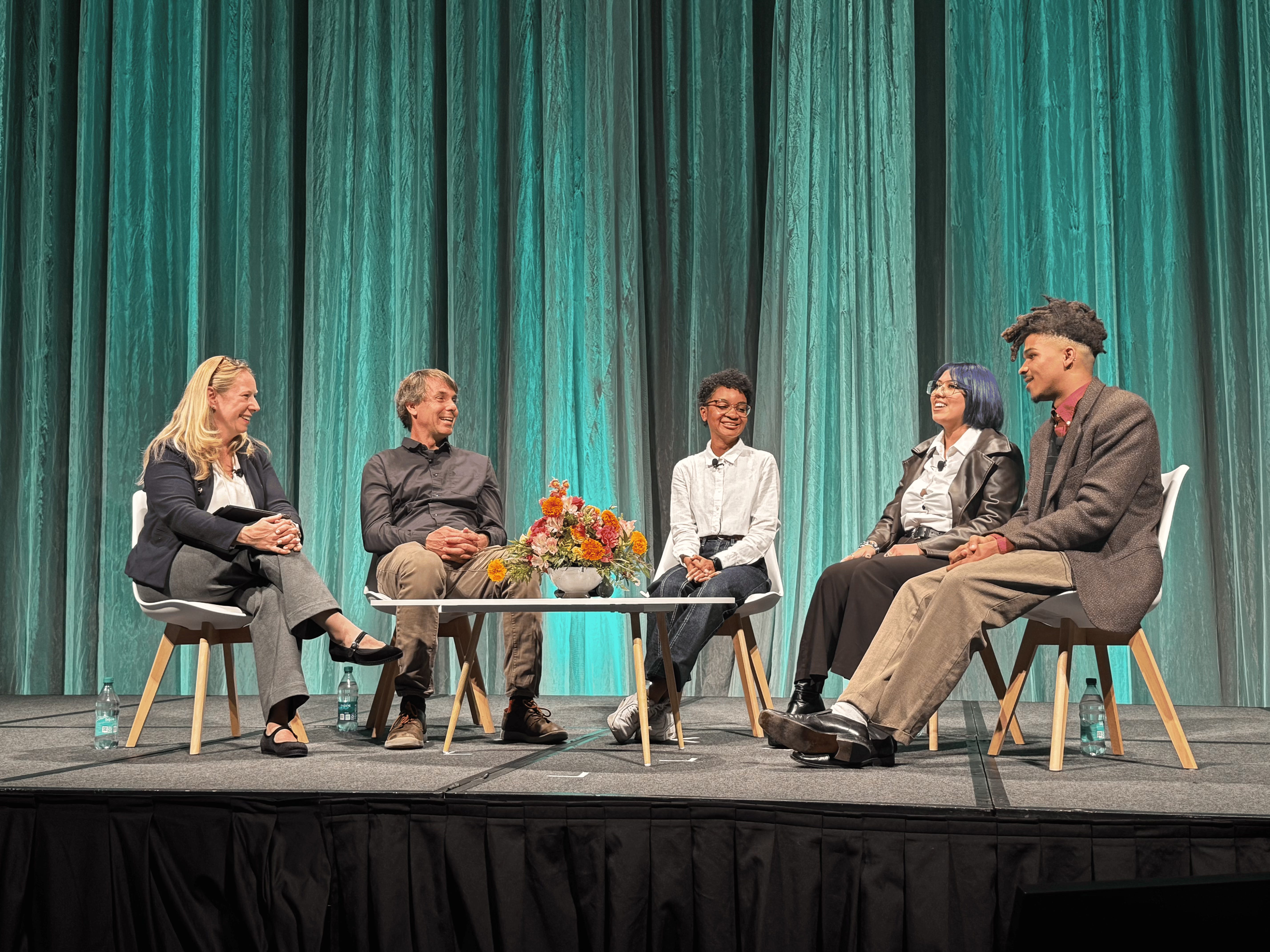
Q. What’s an experience that defines your journey so far?
My high school internship in a Senate office played a major role in shaping my path for my career, and I would consider it a pivotal moment in my journey. At the time, it was clear the office wasn’t fully on board with the idea of hiring a high school student. Because I had a connection with someone who worked there, and they made an exception. Since then, they’ve begun offering high school internships more regularly.
That experience gave me early exposure to the professional world, helped me build skills and relationships, and allowed me to understand what I liked and what I wanted to pursue. These opportunities are a crucial part of helping young people explore what they want from the working world and understand how to align their education to achieve those goals.
Now, I’m in a position where I can help create those same opportunities for young people, connecting them to experiences that can have a lasting impact on their futures; something I truly believe every young person should have the chance to pursue.
Q. In what ways did beginning your career exploration at a young age impact your career path and life decisions?
I was able to have many of the experiences that I believe all young people should have. I started with a high school internship, and then attended a university with a strong cooperative education model. By the time I graduated, I had completed six or seven different work experiences.
Those opportunities ultimately helped me hone in on what I wanted to do next. That kind of experience isn’t universal, and my path to my first job was really built on having the chance to try different things, experience the working world in meaningful ways, and pivot when something didn’t feel right, or lean further into what did.
“I think it’s critically important for young people to have the opportunity to explore different paths, eliminate options, and make decisions based on real experience rather than just theory, what others think is best, or what they’ve discussed but never actually tried.”
Q. What would you say to young people who are struggling to balance their own interests with the expectations of their parents or family?
A. It’s a hard conversation to have. But one of the things we really think about is how we help young people advocate for themselves and their interests. A lot of times, we see parents who are hesitant to let their children go down an untrodden path, something they haven’t experienced themselves. That can be nerve-racking. It feels like a risk, both for parents and for kids.
But we also talk about the fact that, for young people to truly be happy, they need to be doing something they’re passionate about; something that aligns with their interests and their skill set. From there, it becomes a conversation with parents about what the world needs and what you can get paid for.
Having those conversations in an authentic way is so important. Being able to say, “This may be something new, but it’s something I’m passionate about, something I’m good at, and here’s what a possible career in this field could look like.” Those are critical discussions to have, because parents don’t have all the answers, even if it sometimes feels like they should.
The world is constantly changing, especially the working world with the rise of AI and we need to think differently about opportunities for young people. We firmly believe that those opportunities should be connected to a person’s passions and interests, not just the standard paths others may have taken. Every young person’s journey is different, and we need to embrace that, giving them the space to explore what works for them while helping guide them toward long-term success.
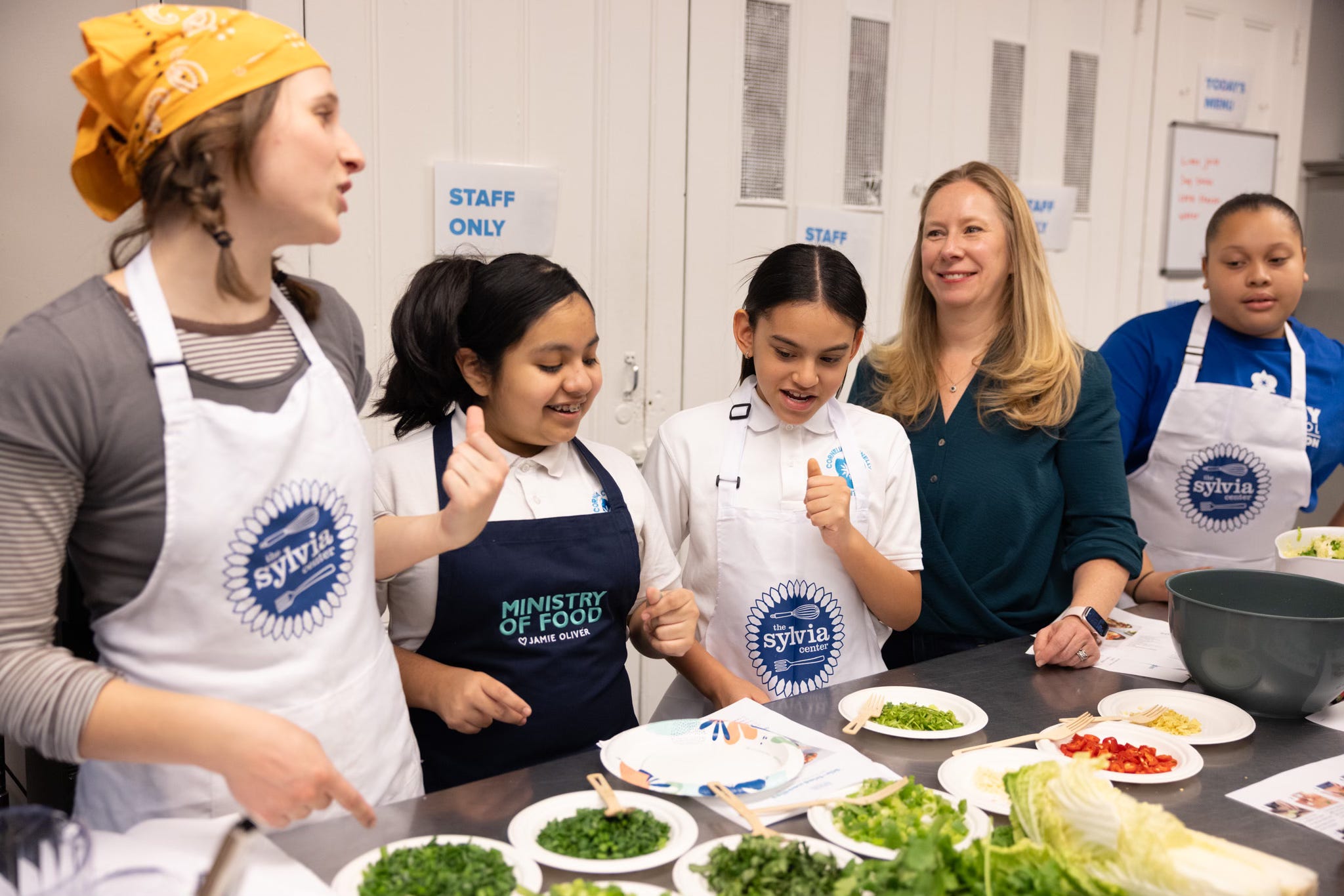
Q. How can we best support young people in exploring opportunities that help shape their future careers?
One of the reasons we’re so passionate about the work we do at Britebound; helping young people explore career opportunities at an earlier age, is that we want to create space for them to take risks in a more supportive environment, where the idea of trying something and even failing is okay.
Historically, conversations about careers and postsecondary education happen very late, when young people feel pressure to make big decisions with very little information. That’s where the real risk lies; both financially and in terms of time.
If you wait until junior year of college to take an internship and then realize you hate that field, that’s a significant risk that didn’t pay off. But if we can front-load some of those experiences, especially during high school; young people have more time to pivot based on what they learn about themselves and their interests. The risk of trying and failing becomes much lower.
What we’re trying to do instead, is make those decisions less risky by giving young people more exposure and experience early on, so they can make more informed choices about what comes next. Risks are much harder to navigate when you don’t understand the possible outcomes or how to mitigate them. By helping young people explore their options earlier, we believe they can make decisions that feel less like a leap; and more like a step forward based on real experience.
So we focus on how to support young people in trying new things, making choices, and adjusting based on what they learn. In many ways, it actually reduces risk, because it gives them a longer runway to figure out what works for them.
“That’s why helping young people think about what’s possible beyond the next steps in their lives, or beyond their immediate networks of influence, like what their parents or family members do, is so important. Encouraging them to think more broadly about their career paths is something we focus on a lot at Britebound.”
Q. How would you advise a young person who is having a difficult time identifying their career interests or passions?
I think sometimes it’s really about continuing to explore. You might need to take a job, but outside of work; in volunteer experiences, personal projects, or passion project; there may be opportunities that could eventually lead to a career. My advice is: never stop exploring. We want young people to have as many chances as possible, as early as possible, to try things out.
Not everyone will find the perfect fit right away, and that’s true for a lot of people; especially right out of college or in entry-level jobs. But by exploring opportunities earlier, you can at least get more aligned with the general area you want to pursue, and then refine your path over time. You will find through different opportunities there life lessons that shape your workplace identity, and they only come through experience.
“There’s no single end path for anyone. People are constantly pivoting and evolving in the working world, and that’s a good thing. Embrace it, and figure out your next steps as you go. Don’t panic if you haven’t figured it all out at once.”
Q. Looking back, have you always felt a strong pull toward giving back and opening doors for others; particularly for young people?
Yes, I’m really passionate about the idea of giving other young people the experiences I had. I know I was incredibly fortunate to be in a position to get the role I did in high school, with people advocating for me and helping break down the barriers around hiring high school students. That experience gave me incredible insight and allowed me, through college and beyond, to try a lot of different things.
“I truly believe all young people should have opportunities like that, even though it’s not something most people get to experience. Making that possible for as many young people as possible is deeply personal to me, and it’s something I’ve always been passionate about.”
That commitment to mission-driven work has always been central to what I want to do. Being part of an organization where I feel we can make an impact and help others is what keeps me engaged and motivated in the work we do every day.
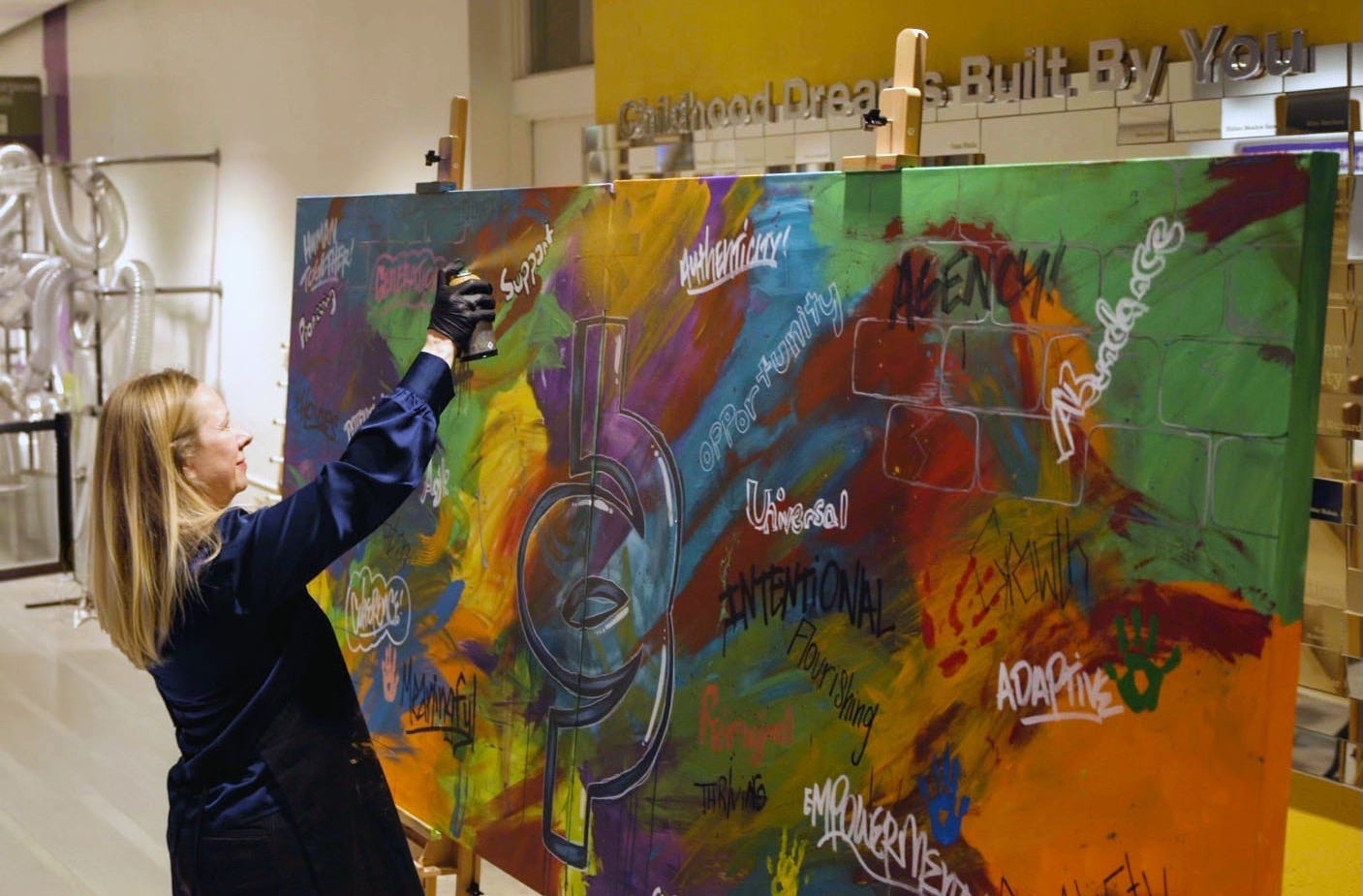
Q. If your dream were a movie, what would you title the movie?
“The Generation That Found Its Way.”
No posts
Comments
Nothing yet. Say the first thing.
Sign in to join the conversation.