
Some of these came out this year. Two came out in 2019. Deal with it.
BUY » Readings | Amazon
I’m essentially in the BDSM phase of crime fiction now. I’ve read so much of it —and written so much of it— that only extremity can elicit a feeling. I’ll read your well-crafted, finely-tuned procedural to pass the time, and to be collegial, but I simply cannot be reached beyond that. I am in my genre dungeon, sleeping in my gimp suit.
(Exhibits A through D: I had absolutely no trouble with Sarah Bailey’s Click, which is very grim in places. I happily blurbed Alex Dook’s Nothing Personal, which has a welcome Elmore Leonard feel to it (rare in Australian crime). I was likewise impressed with Christine Gregory’s second novel The Informant — where she really goes all in on the genre after a more literary debut. Do you really need me to tell you that Candice Fox released another insanely competent, highly enjoyable crime novel in Redbelly Crossing? She absolutely did. Again.)
And yet…
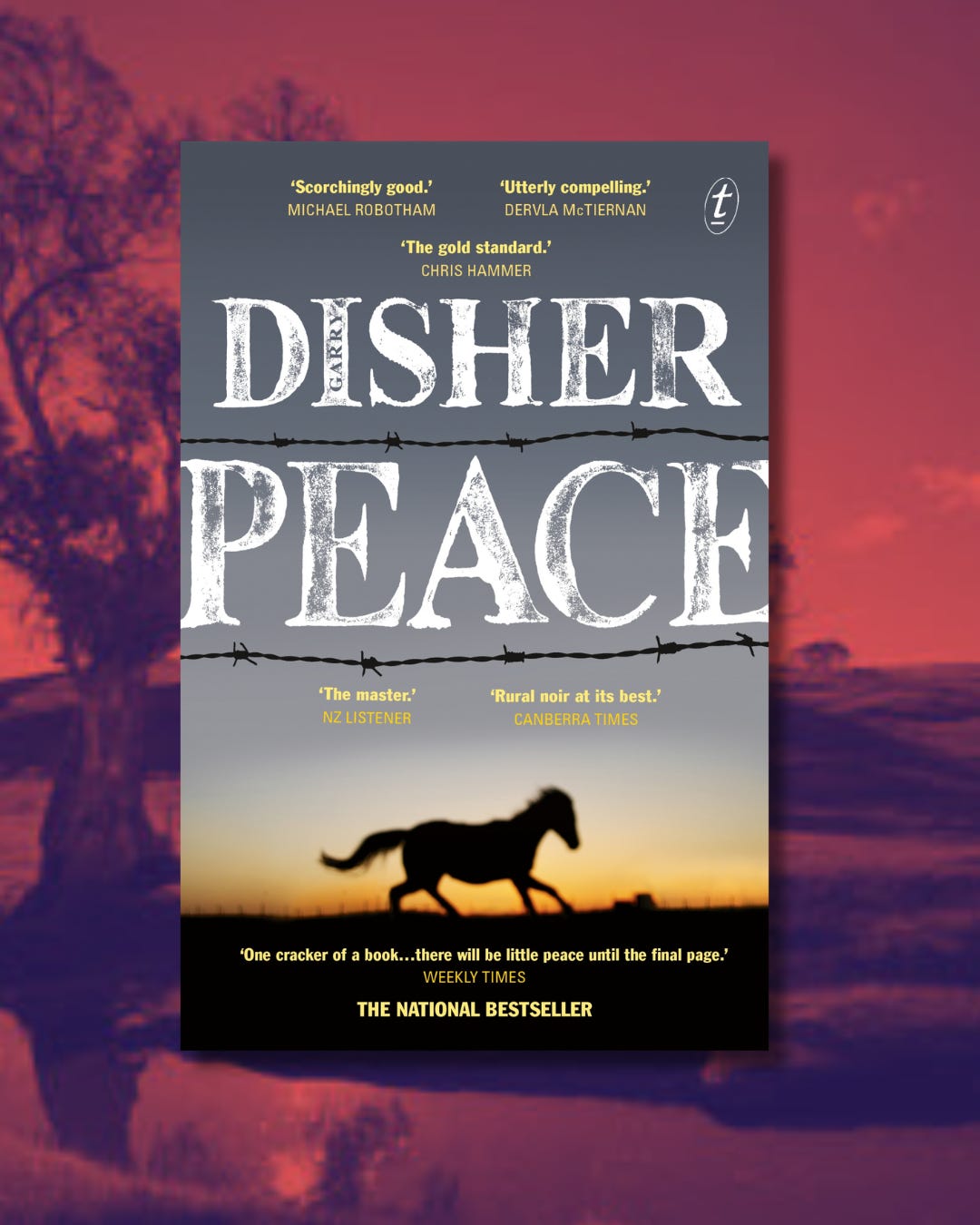
Garry Disher got to me with Peace. I borrowed the book —released in 2019— from the local library fully expecting a summertime stroll through the blue gum river flats of Outback Noir. Instead, I got a masterclass on subverting the tropes and bending the rules. I have to be careful with spoilers, but there are three or four concurrent mysteries here, and the dead body doesn’t appear until halfway through the novel. That crime scene is also especially grisly, after 150 pages of pastoral splendour. Yet, by some miracle of craft, experience and talent, Disher steadily closes all his open loops. He builds towards a totally inevitable conclusion. Nothing feels lopsided or formally experimental. There’s no flex, in other words. As you read it, you feel that this is all exactly as it should be, and yet it absolutely isn’t.
I have no idea how he did this.
Or why.
That woke me up.
BUY » Readings | Amazon
I reviewed this earlier in the year:
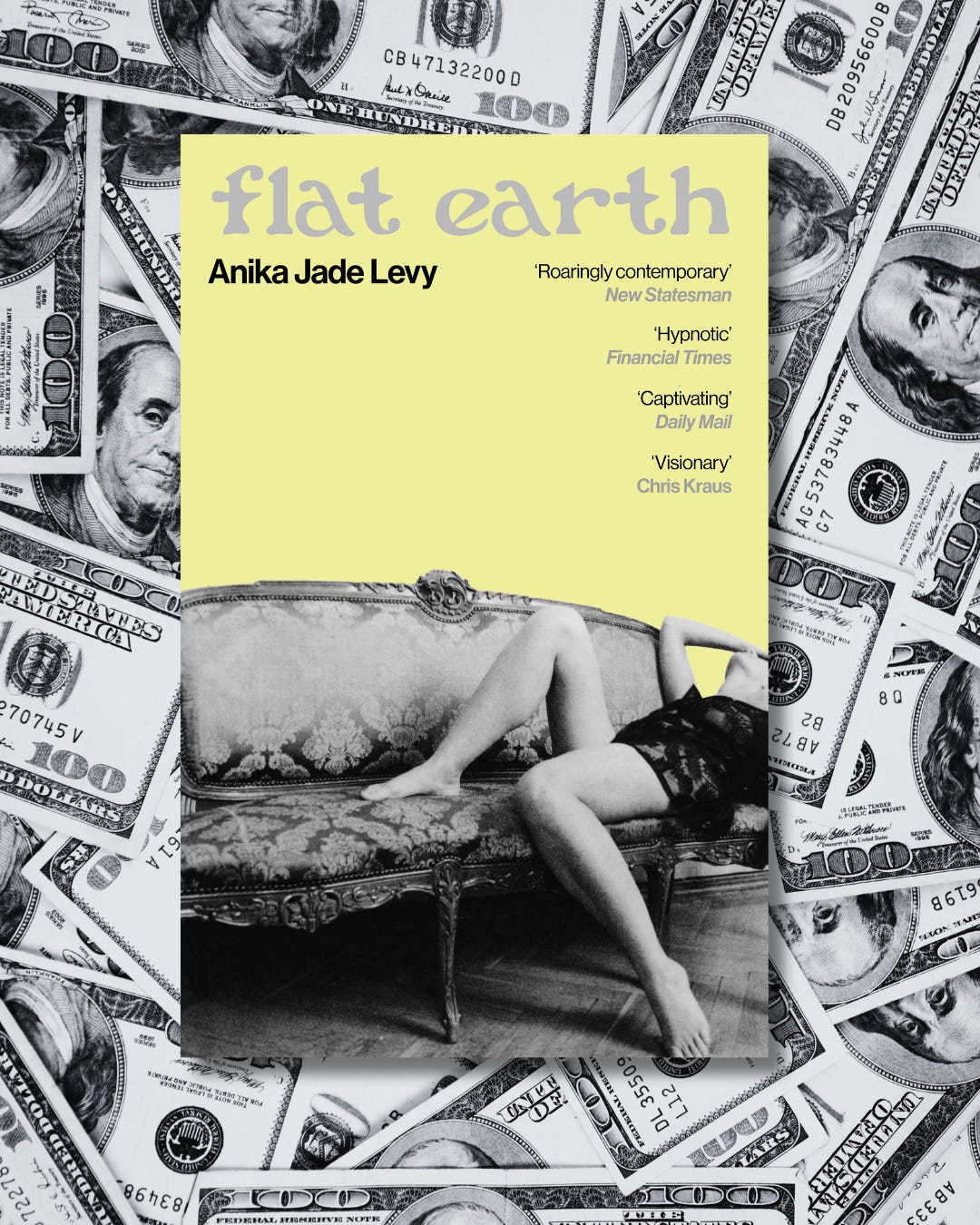
By the end, I could feel the edges of the novel lifting and underneath were the icy vibes of peak Joan Didion (and early Bret Easton Ellis). This doesn’t seem to be the prevailing opinion, though. Looking at the press coverage, reviewers are pitching this as a story about toxic friendships and the rigours of Capitalism (yawn), but Flat Earth is an exercise in style and argues for something else.
I don’t know what that something else is, which is why I read novels.
All I’ll add now is that if I sounded a little apprehensive about the book in February, I’m much less so now. I’ve recommended the book often —a sure sign that something is good— and more compelling, still: I’ve been thinking about it and how fast it all was.
BUY » Readings | Amazon
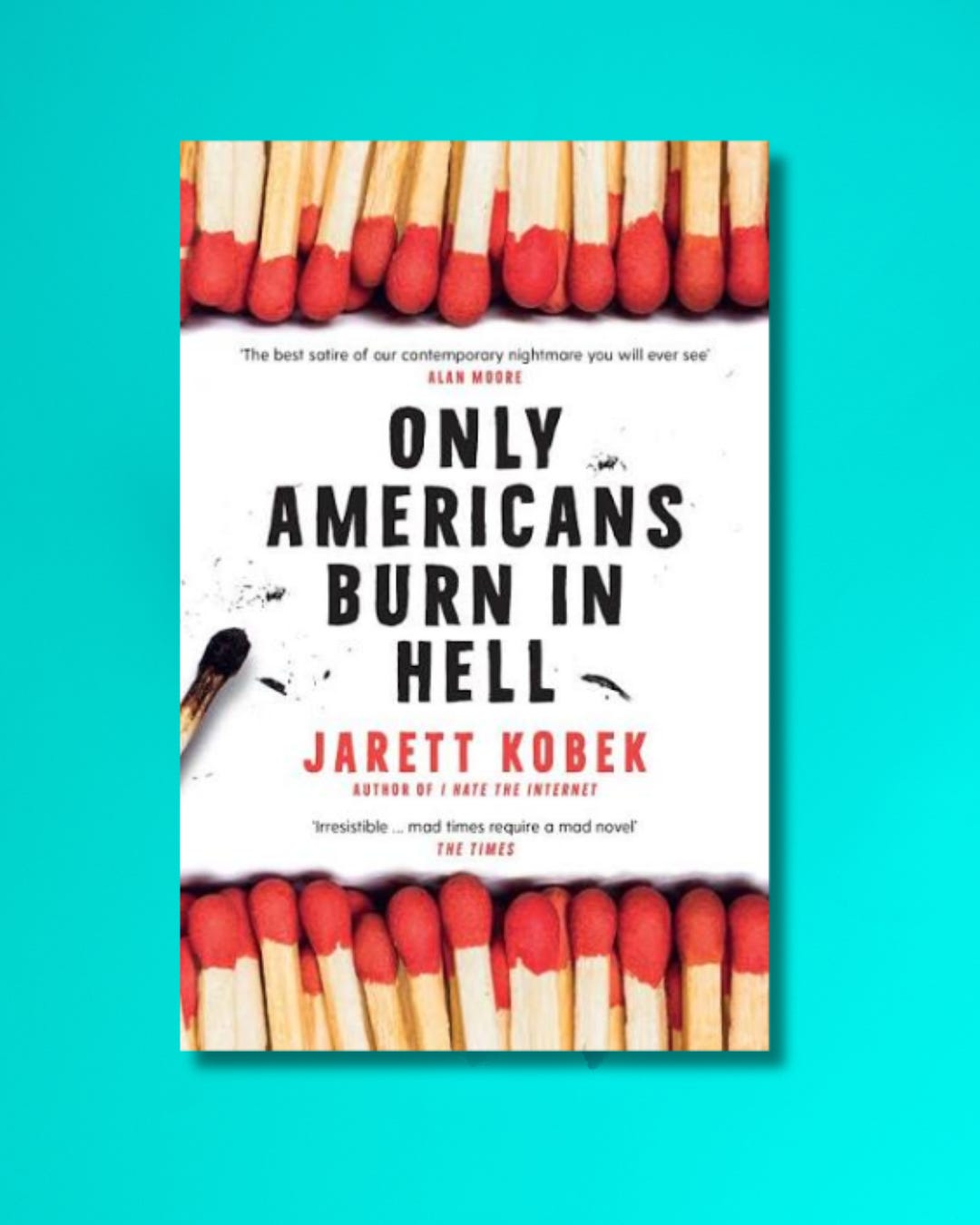
Regular readers know that I’m a fan. Kobek is without question, my favourite American writer. This is a weird place to be as a reader, as Kobek has often described himself as a deliberately bad writer. His thesis is, haven’t we all had our fill of good writing?
I have.
Back in March, I picked up Only Americans to re-read the first chapter, which is a brutal takedown of Kobek’s experience with the twin cornerstones of good writing: higher education and traditional publishing. I didn’t stop there. I read the whole thing through in a week, resolutely shocked at how prescient it remains, how accurate and heartfelt. This book was originally published in 2019.
(That’s two books from 2019, now)
But don’t go into this expecting any answers for today’s Trump 2.0 maladies. What Kobek provides instead is a clear analysis of something seldom depicted in all its glory: the truly deranging nature of 21st century culture and politics. In his estimation, you may as well turn to Jesus, or have a nervous breakdown, or write bad fiction, for all the good it will do. These freaks-outs he describes are the honest responses of sane people. They’re good things —clear signals of humanism— and if the book tells the reader anything, it’s that someone else feels the same way.
BUY » Readings | Amazon
On release, Lost Lambs created a whole industry plant discourse and, to be honest, it was one of the more exasperating moments of the year. Did people read the book?
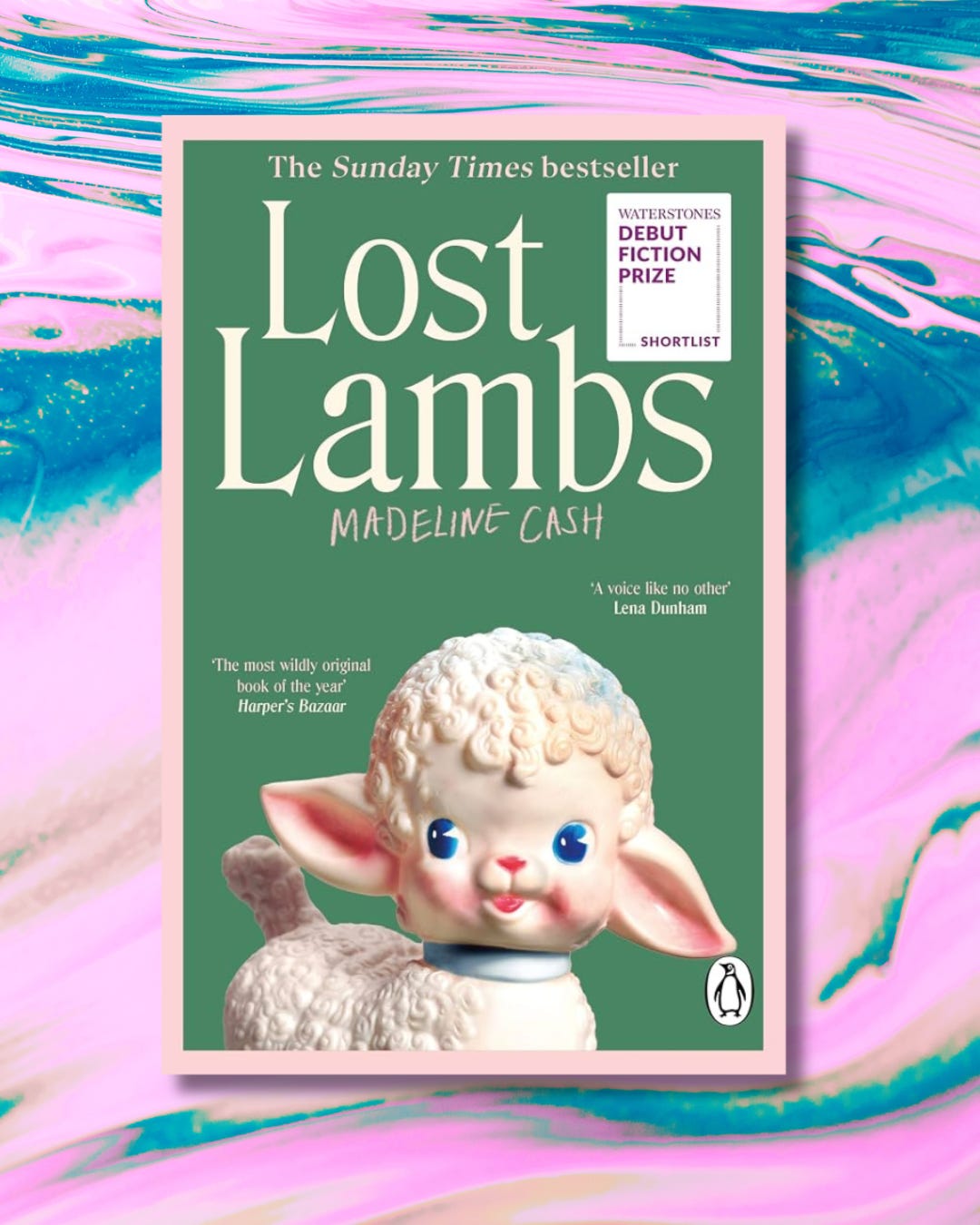
It’s great. And hardly the cookie-cutter example of good fiction that many pegged it as. Sure, it’s notionally about a family where the parents open their marriage, and there are a lot of female POV characters. Yes, the cover is pink. The book is obviously aimed at younger women. Yes, yes, yes.
But no, this is bait. Cash’s novel is far weirder and more contrary than its critics maintain. It is not explicitly progressive. I mean, I found the book to be all the things that extremely online left absolutely aren’t: funny, ambitious, warm, and very, very playful.
The ________ gnome was a childhood staple, responsible for the inexplicably lost. The sweater gnome, the mouth guard gnome. Then Abigail started dating her first boyfriend and Harper told their parents that the virginity gnome had snuck in. That put a stop to the bit.
What do you realistically want the New York book industry to get behind if not this?
I cannot hate the player when she’s this deft.
BUY » Readings | Amazon
As I’m writing this, we’re in the middle of a live discussion about the world’s most visible music critic, Anthony Fantano. I’m with Jeremy Larson, in that this whole debate is a classification error. Fantano is not a music critic. He does not objectively hate himself, which is the defining talent of all music writers.
But the internet prevails and now there’s a lot of thinkpieces about the importance of music writing in my feeds. Of course, this happens cyclically, like the reappearance of diarrhoea in my children’s school, and like the runs, there is no cure for it, aside from simply shitting it out and staying hydrated.
But Iain, you used to be a critic, isn’t music writing important?
It can be.
But no one ever asks the more pertinent question:
Is it good?
We all know the answer.
A: No.
Music writing is so routinely bad —as prose, as entertainment, as educational content, as a promotional hook— that it becomes emblematic of the entire enterprise. I spend all day, every day, in the archives of this stuff at work and let me tell you what I have learned over the years: 99.9% of all music writing, from the dawn of the genre, is purple and stupid and obviously written on deadline by hacks and inexperienced interns, very few of whom, are women. Warhammer criticism might be a stronger field. The lost field of pornographic film reviewing might have better storytelling. No, there is no defence of music writing, only of its exceptions. Or put another way, the best writers in this field are a drop of water in a barrel of effluent.
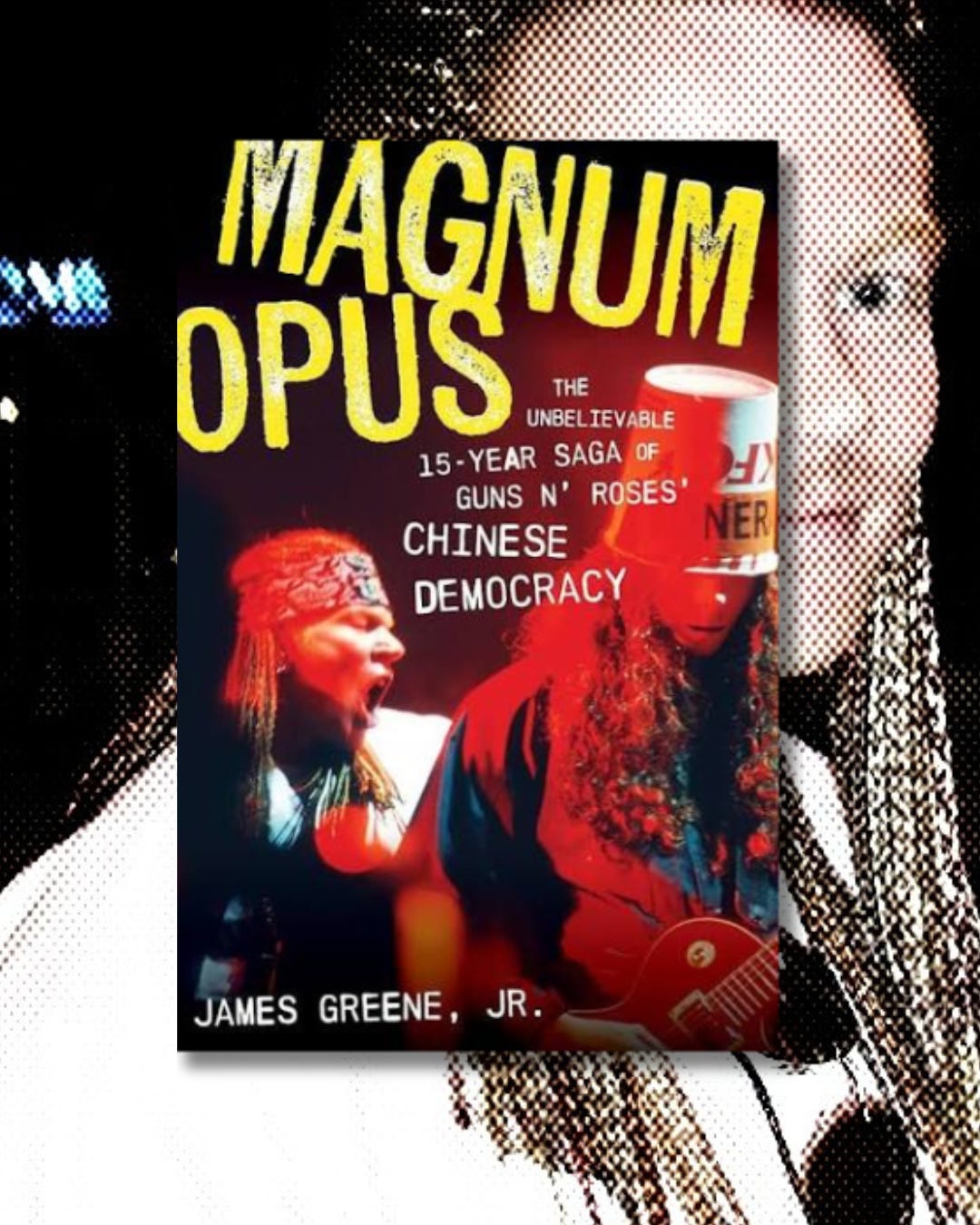
One way around this problem is to exclusively read book-length work. The bar is higher for books because they cost more to produce. Reading James Greene Jr’s fascinating take on (hopefully) the last Guns’n’Roses album was a good reminder of all this, as the internet did its thing. This book is everything that online music writing isn’t. It’s carefully reported and wrapped around, gasp, a big story worth telling. There’s a compelling protagonist in Axl Rose (awful, I hate him) and a tremendous amount of dramatic material is spun off this central character as he goes on his journey from racist and probable sex offender to the last rock artist given a blank cheque to make a grand artistic statement. In fact, the only time this account falters is when Green Jr incorporates the music writing of others, which he uses for historical context. No matter the narrative contribution of these excerpts, part of the context remains static: people have written stupid shit about music in every era.
I still haven’t listened to the album.
— IAIN
Comments
Nothing yet. Say the first thing.
Sign in to join the conversation.