
Africa’s AI story is increasingly one of ambition, opportunity and reinvention. Google is deepening its commitment to the continent with major investments in digital infrastructure and skills, while a Ugandan innovator is using AI to transform agriculture and earn global recognition.
African creatives are gaining new AI-powered tools to compete internationally, even as questions around copyright and ownership intensify. For professionals like Nigerian engineer John Robert, AI is opening doors to global careers and new possibilities.
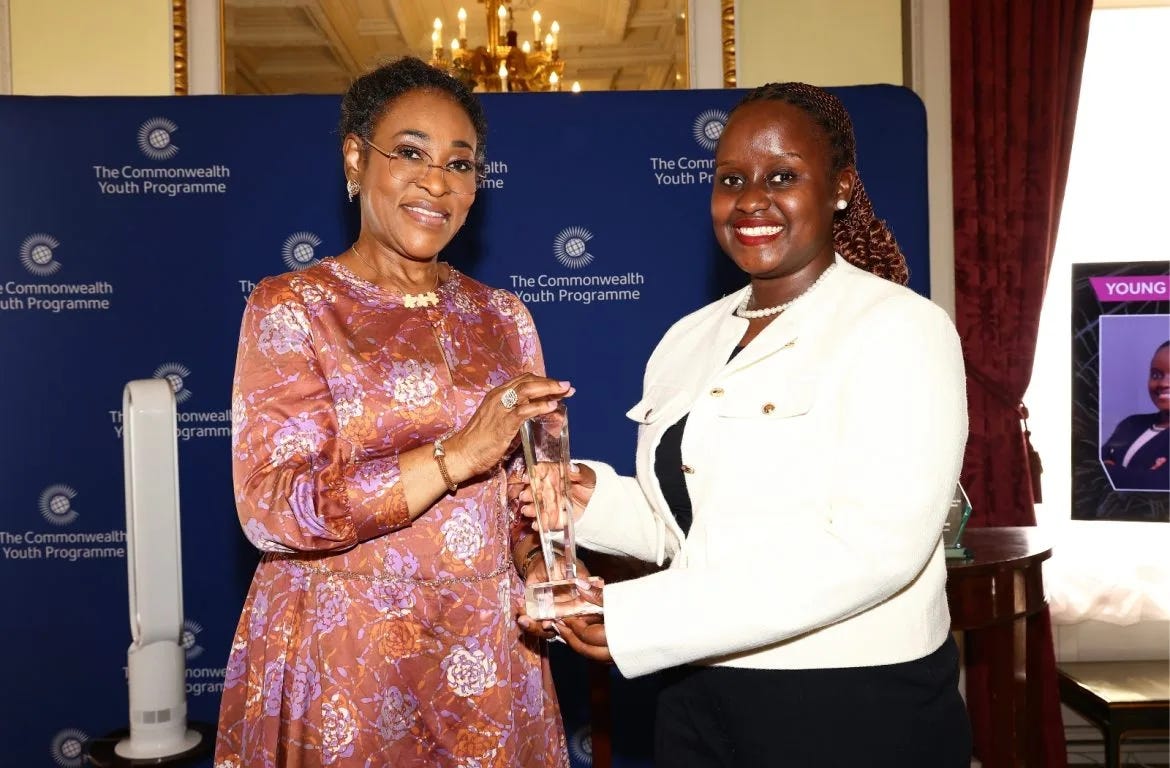
Ugandan entrepreneur Shifra Ainomugisha has been named the 2026 Commonwealth Young Person of the Year for harnessing artificial intelligence and renewable energy to tackle one of Africa’s biggest agricultural challenges: post-harvest losses. Through her company, Solafam Uganda, Ainomugisha has developed AI-powered and solar-driven technologies that help smallholder farmers preserve produce, improve productivity and boost incomes. Selected from nearly 1,000 applicants across the Commonwealth’s 56 member countries, she was also recognised as Africa’s regional winner under the UN’s Zero Hunger goal. Her achievement highlights the growing role of African innovators in building climate-smart, technology-driven solutions that strengthen food security and transform rural livelihoods across the continent.
Africa’s digital transformation received another major vote of confidence this week as Google Cloud unveiled five new initiatives designed to accelerate artificial intelligence adoption and strengthen digital infrastructure across the continent. The investments span new connectivity hubs, an applied AI lab in Ghana, startup support, digital skills programmes and a technology innovation centre in Soweto. The announcement comes as Google surpasses its $1 billion investment commitment to Africa, underscoring growing confidence in the continent’s digital economy. More than infrastructure projects, these initiatives represent a long-term bet on African talent and innovation, positioning the continent not just as a consumer of AI technologies, but as an emerging hub for building solutions tailored to local challenges and global opportunities.
As generative AI tools rapidly transform creative industries, South Africa’s legal system is grappling with a fundamental question: who owns content created by artificial intelligence? Current interpretations of the country’s copyright laws generally favour the user who prompts the AI, arguing that human input directs the creative process. However, legal experts caution that ownership becomes murkier when a simple prompt produces highly sophisticated outputs with minimal human contribution. The uncertainty extends to AI-generated music, videos, writing and artwork, exposing gaps in legislation designed long before the age of generative AI. As AI capabilities continue to advance, South Africa may need legal reforms and clearer judicial guidance to balance innovation, creativity and intellectual property rights in the digital era.
For Nigerian AI engineer John Robert, leaving home was never about leaving Africa behind—it was about expanding what was possible. After years of planning and saving, he moved to Germany in 2018, where he built a successful career in artificial intelligence, quadrupled his income and secured permanent residency. His journey underscores how global mobility, access to cutting-edge ecosystems and long-term vision can unlock new opportunities for Africa’s growing generation of tech talent.
A new AI initiative is giving African creators a powerful opportunity to reimagine the continent’s entertainment industry. Backed by Google and the Elba Hope Foundation, the programme will equip thousands of artists, musicians and storytellers with AI tools that can lower production costs and expand global reach. Beyond technology, the initiative is an investment in Africa’s creative economy, empowering creators to tell their stories at scale while building more sustainable and globally competitive careers.
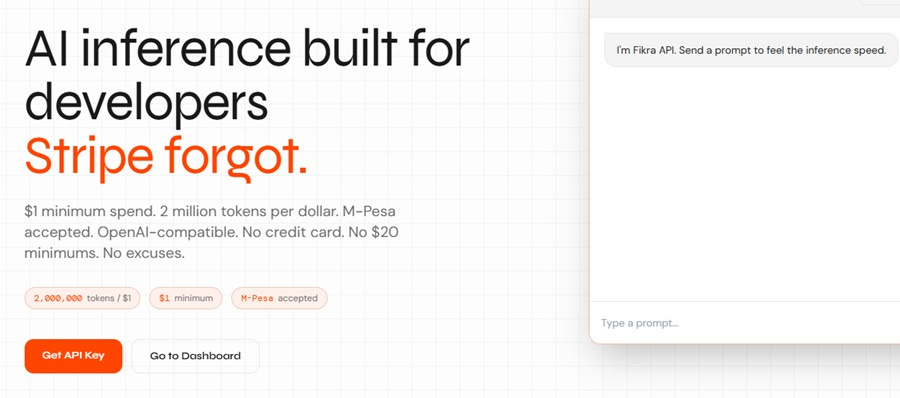
Kenyan startup Fikra API is tackling one of Africa’s biggest barriers to AI innovation: access. Its new AI inference platform allows developers and businesses to build with large language models using local pricing and familiar payment methods, including M-Pesa. By removing costly dollar-denominated entry requirements, Fikra is making advanced AI tools more accessible to African innovators and helping create an ecosystem where the continent’s next generation of AI solutions can be built locally, for local needs.

Keep sparking the AI revolution. Together, we’re shaping Africa’s digital destiny.
Stay sharp,
The iAfrica AI Insider Team
No posts
Comments
Nothing yet. Say the first thing.
Sign in to join the conversation.