
Happy Wednesday all,
Policy continues to take center stage this week as tariffs, AI competition, and tax policy reshape the investment landscape. From new trade measures aimed at reshoring pharmaceutical manufacturing to growing concerns over China’s rapidly expanding AI ecosystem, policymakers are increasingly grappling with how to balance economic security, innovation, and global competitiveness.
In this edition, we examine Trump’s latest tariff proposal on generic drugs, why Chinese AI models are gaining traction despite mounting scrutiny in Washington, and the little-known tax strategy that has become increasingly popular among the ultra-wealthy.
Enjoy this week’s Hump Days!
- Humphrey & Rickie

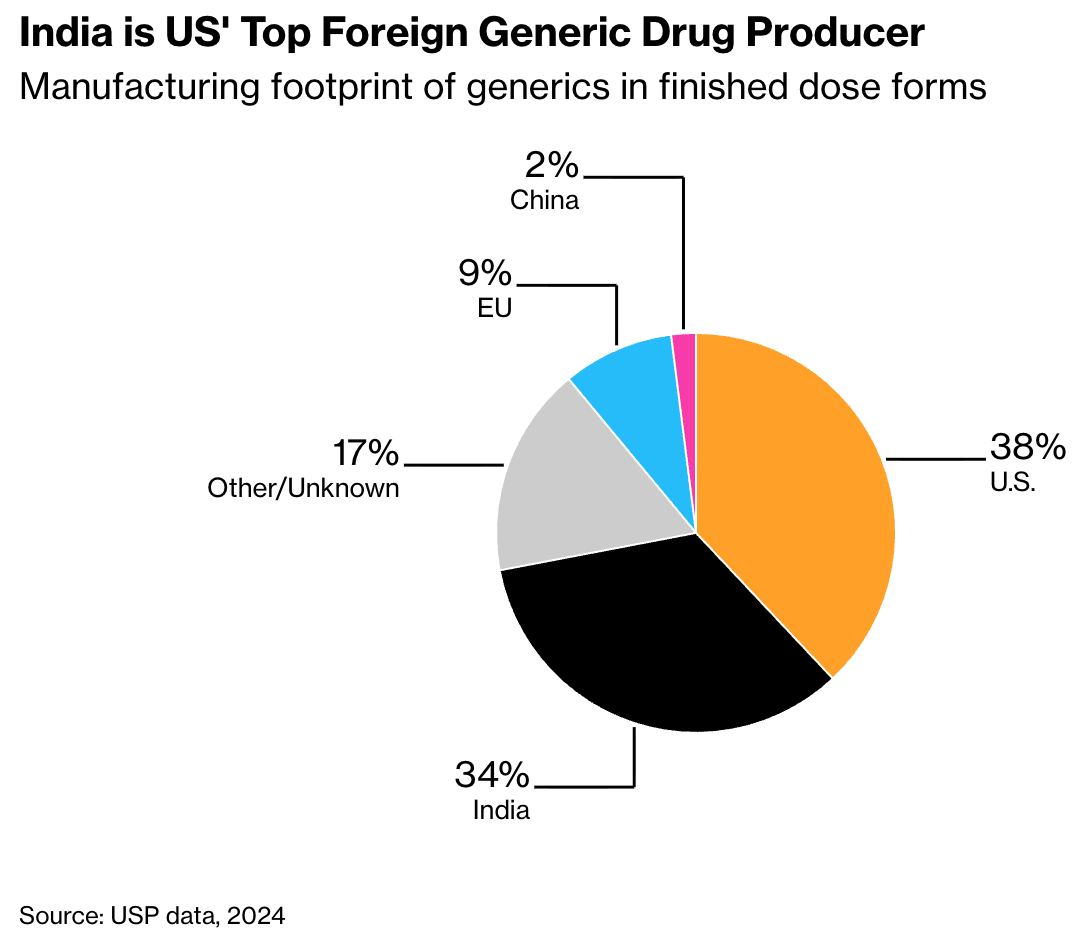
President Trump announced that generic drug manufacturers have two years to move production to the U.S. or face 100% import tariffs starting August 2028, rising to 200% in 2029.
The move targets a global supply chain that keeps generic medicines, which account for more than 90% of U.S. prescriptions, affordable for Americans.
Generic manufacturers already operate on razor-thin margins competing primarily on cost, and U.S. labor and manufacturing expenses are significantly higher than in established production hubs like India, which alone exports $10.5 billion in pharmaceuticals to the U.S. annually.
India supplies roughly 65% of all birth control pill prescriptions in the U.S. from just two companies, while China is a critical source of antibiotics, blood thinners, and transplant medications.
Industry executives have warned that steep tariffs will make drugs more expensive and limit patient access, not less. Trump has used tariff deadlines as leverage in past negotiations, and major branded pharmaceutical companies like Merck and Eli Lilly have already struck side deals to sidestep the worst outcomes.
Indian and other foreign generic producers will now face pressure to negotiate similar arrangements or begin costly reshoring plans.
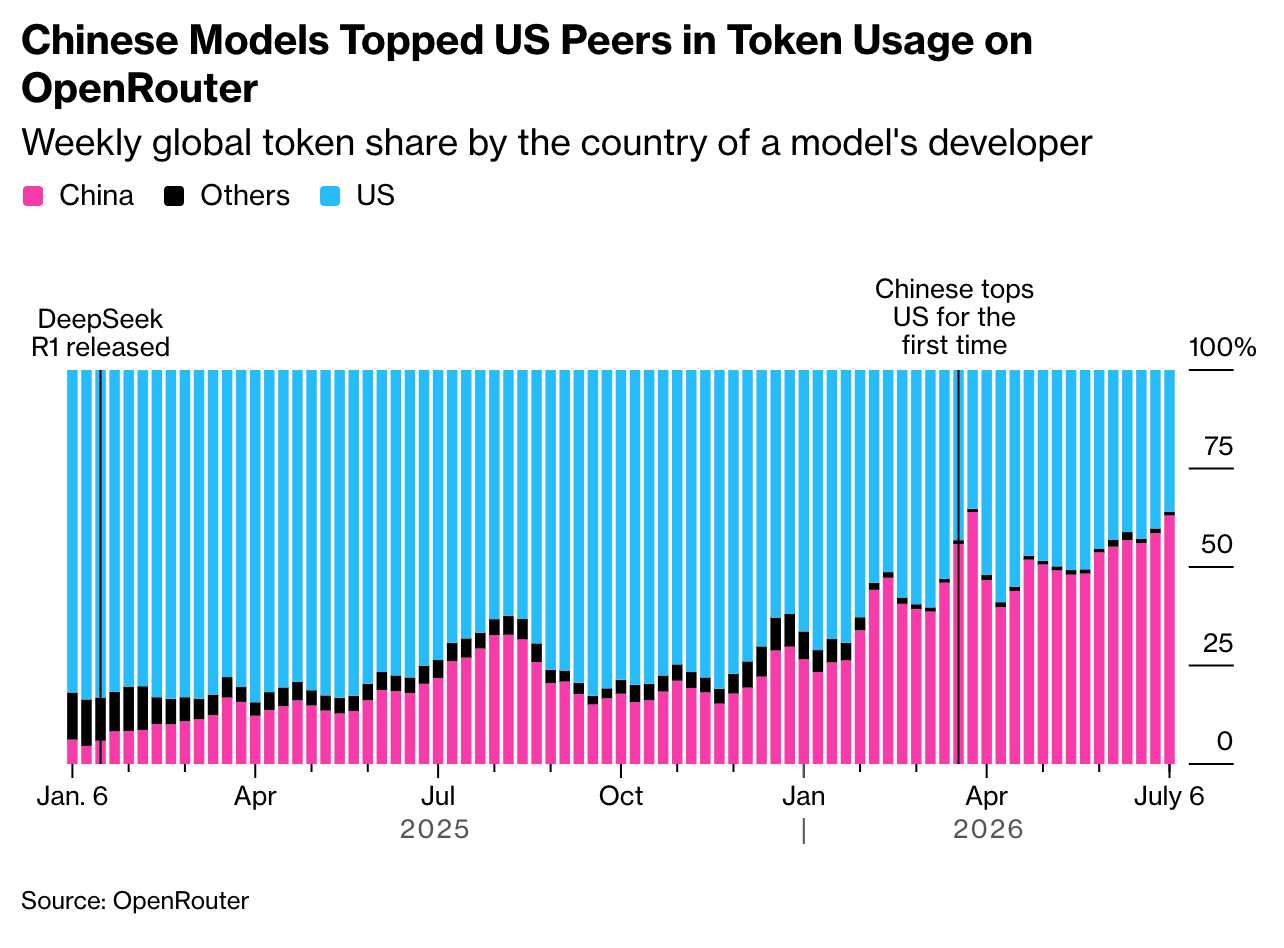
Chinese AI models now account for nearly 60% of token usage by U.S. companies on the OpenRouter AI marketplace, and are embedded in the workflows of American startups.
The Trump administration is signaling concern, with Treasury Secretary Bessent warning of potential sanctions for IP theft and Trade Representative Greer saying the U.S. is “taking a very close look” at China’s AI expansion.
Unlike banning Huawei hardware from telecom networks or tariffing Chinese EVs, open-weight software models can be downloaded, modified, and run locally once released — making them nearly impossible to contain through traditional trade tools.
The U.S. has found watermarks of American LLMs embedded in Chinese models, suggesting potential IP violations, but proving and prosecuting that at scale is a different challenge entirely.
By releasing inexpensive, high-quality open-source models, China is creating the same kind of technological dependency in American companies that the U.S. tried to create in China through controlled Nvidia chip sales.
Moving forward, companies that have built products on Chinese models could face compliance costs or forced transitions if Washington makes any moves.
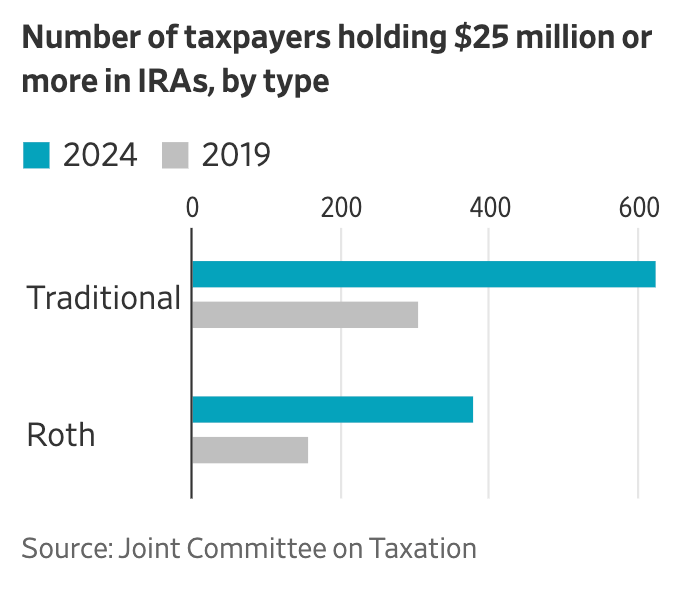
A little-known corner of tax law is becoming one of Wall Street’s hottest strategies for the ultra-wealthy.
Section 351 of the tax code allows investors to convert a portfolio of appreciated stocks into an ETF without immediately triggering capital gains taxes, effectively deferring taxes while gaining the ability to gradually diversify concentrated positions through the ETF’s tax-free redemption mechanism.
Bloomberg identified 105 ETFs created through such conversions, collectively holding $22.1 billion at launch and deferring at least $6.5 billion in embedded capital gains.
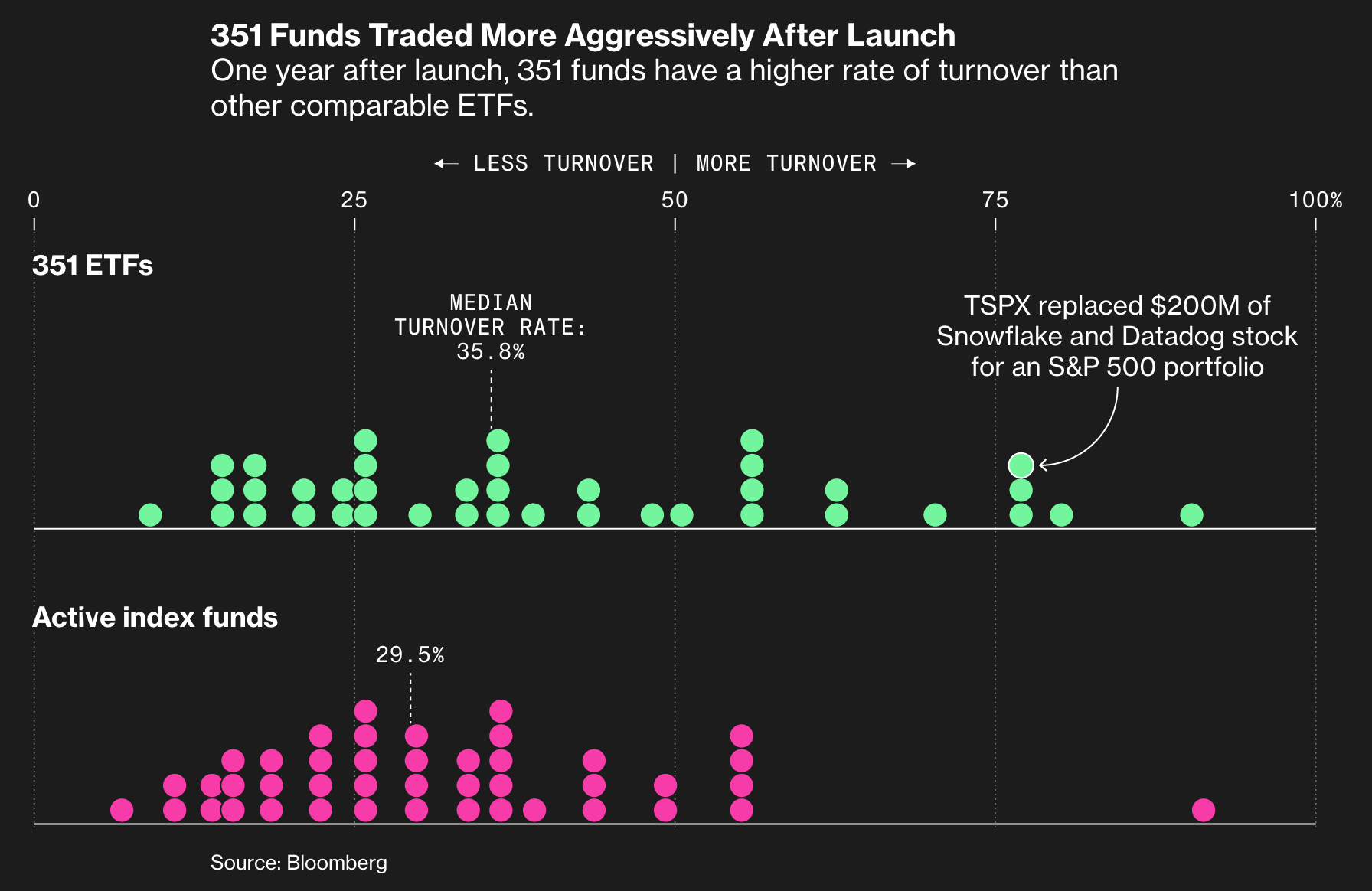
The strategy is legal for now, but the Treasury Department is watching closely and regulatory scrutiny is building. Officials have flagged concern that some conversions are essentially “tax-free diversification in disguise,” particularly when funds rapidly sell their initial stocks shortly after launch.
The average 351 fund replaced about 51% of its portfolio within the first year, a higher turnover rate than comparable ETFs.

No posts
Comments
Nothing yet. Say the first thing.
Sign in to join the conversation.