
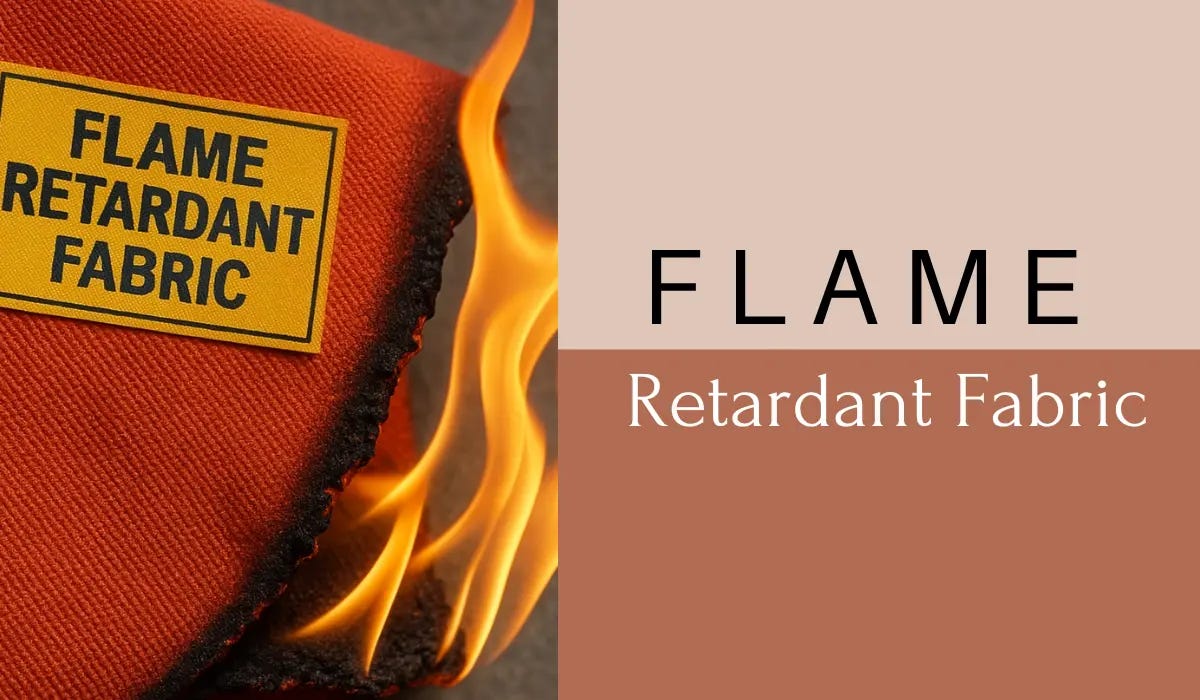
Imagine a fabric that doesn’t burst into flame the moment it meets a spark. A fabric that buys you precious seconds, slowing down fire spread, giving people time to escape, and saving lives. That’s the power of flame-retardant (FR) fabric. Whether woven from inherently fire-resistant fibers or treated chemically for flame resistance, FR textiles are engineered to resist ignition, suppress combustion, and prevent fire from racing across cloth, furniture, or protective clothing a simple but critical innovation in safety, industry, and public spaces.
FR fabrics are made in one of two fundamental ways: either by using naturally flame-resistant fibers or by applying fire-resistant chemical treatments to regular fabrics. Inherently FR fibers like aramids, modacrylics, or specially formulated synthetics resist ignition because their polymer structure decomposes slowly under high heat. Treated fabrics, on the other hand, are infused with flame-retardant chemicals that react when exposed to flame: gases form that limit oxygen availability, or a char layer develops on the fabric surface, creating a thermal barrier. In both cases, the result is a material that delays combustion and offers vital time for escape or intervention.
What matters is not that the cloth becomes “fireproof,” which doesn’t exist, but that it becomes fire-resistant: able to slow down, suppress, or resist ignition under specified conditions, often complying with established standards and safety regulations.
Industrial & Construction Workwear: Workers in oil/gas, welding, metal-work, utilities, and heavy manufacturing rely on FR cotton or aramid-based garments to protect against sparks, molten metal, and accidental fire.
Firefighting & Emergency Services: Many firefighters’ suits, gloves, hoods, and even helmets use inherently FR fibers, crucial when exposed to flames, heat, and smoke.
Public and Commercial Spaces: Curtains, upholstery, bedding, drapes, seating in theaters, hotels, schools, and hospitals, all often required by code to be flame-retardant to reduce fire risk in public venues.
Transportation Interiors: Aircraft, rail, bus, and ship interiors use FR fabrics to meet strict fire safety standards for seats, bedding, carpets, and paneling.
Home & Hospitality Furnishings: Blankets, upholstery, curtains, and mattress covers often use treated or inherent FR fabric to improve fire safety in residential and commercial buildings.
From protecting lives to meeting legal standards, flame-retardant fabric works quietly behind the scenes to keep us safer.
Flame-retardant doesn’t mean flame-proof. Under prolonged exposure, intense heat, or open flame, even FR fabrics can ignite or degrade. Treated fabrics may lose effectiveness over multiple washes or wear cycles, while inherently FR materials retain their properties longer.
Also, FR comes with trade-offs. Some treatments may affect breathability or comfort; costs are generally higher than regular fabrics; and proper care is essential, avoid bleach or harsh detergents, follow manufacturer instructions, and inspect garments for wear or damage.
Flame-retardant fabric isn’t about creating fireproof clothing; it’s about slowing the fire enough to save lives, protect property, and meet safety standards. In a world full of unexpected hazards, FR textiles are a smart, often invisible shield between danger and safety.
If you want to read a full, in-depth technical guide on flame-retardant fabrics, including fiber types, chemical treatments, use cases, and maintenance, check out the complete article from Hula Global on Flame-retardant fabric
!
No posts
Comments
Nothing yet. Say the first thing.
Sign in to join the conversation.