
Hello and welcome to HTVB Sport! 👋🏽
Tired of the same old rhetoric about equity, diversity and inclusion in sports? Ready for real, actionable change? Then you're in the right place.
In this issue, I share a critical need for a transformative shift in the sport industry’s EDI work. Our industry, while often celebrated for its global reach and influence, has too often fallen short in this area. HTVB Sport is not just here to highlight the problems; we want to provide practical solutions to help you make a difference.
To address these shortcomings, we've developed a six-point Manifesto for Change. Over the next few issues, we'll explore each point in detail, culminating in a guide for the industry.
- Hayley

What six things does HTVB Sport know would make the biggest impact across the board?
Introducing our manifesto…
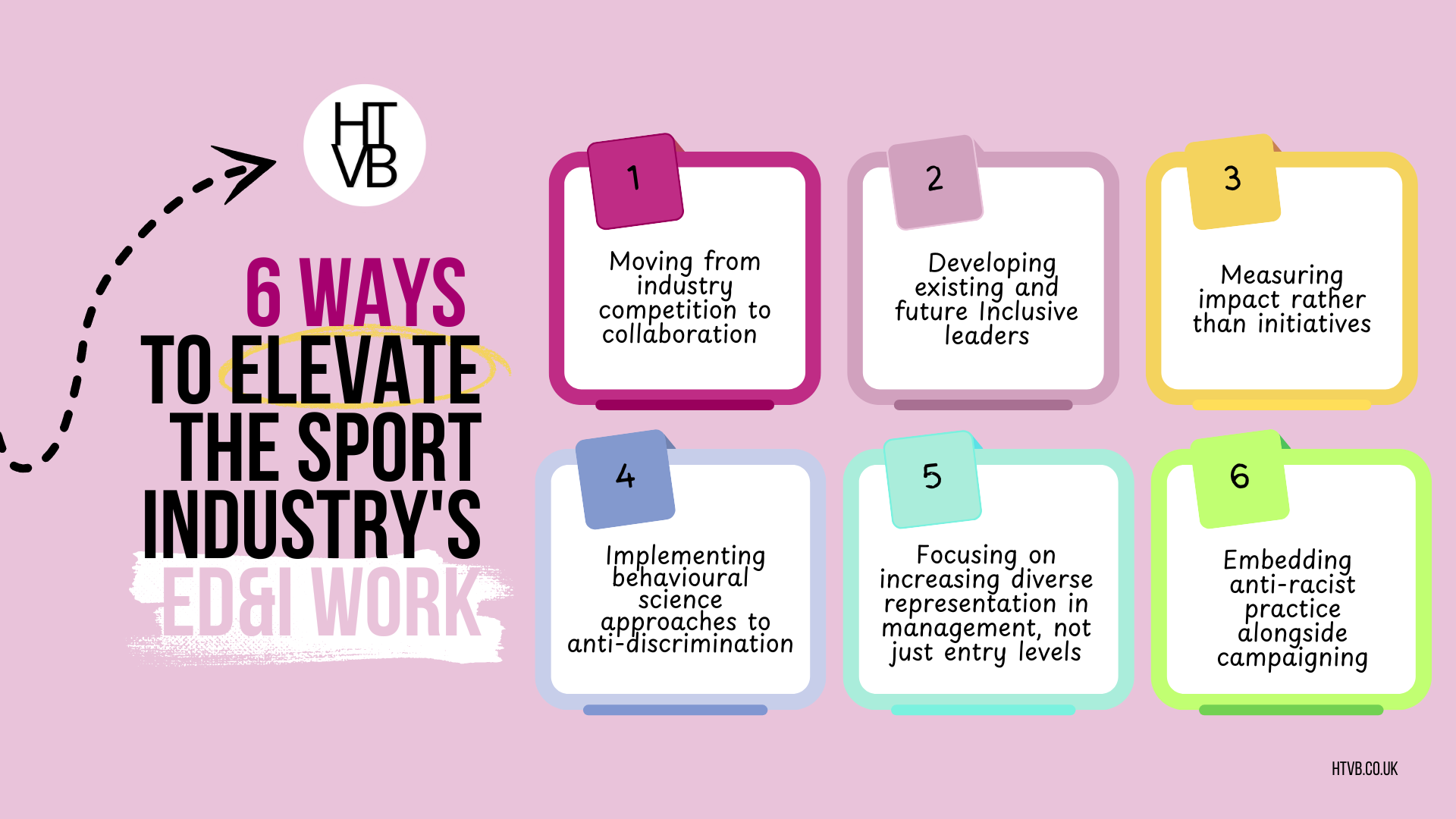
Currently, the sports industry's approach tends to be insular, often replicating the practices of industry peers or competitors without considering the potential for improvement. This approach can perpetuate bad practices and interventions that lack meaningful impact. Instead, the industry should foster greater cross-industry collaboration, and collaborate with sponsors and brands to share best practices and address structural inequalities.
It is crucial to equip existing and future leaders in sports with the skills necessary to drive inclusive organisations. Many industry leaders are uncertain about their role in promoting ED&I or may be waiting for "diversity" in leadership to take the lead. Despite years of discussions on diversity and inclusion within the sports sector, various initiatives have fallen short of achieving this goal. We believe that developing inclusive leaders is the key to addressing this challenge.
Strategies and tactics are essential for effective ED&I work. While many strategies exist in the sector, they often focus on tracking initiatives rather than measuring their long-term impact. Without a clear and strategic approach, it is difficult to assess whether real progress has been made. This can make it easy for the industry to neglect ED&I initiatives if their value and return on investment cannot be demonstrated.
Raising awareness ≠ change in behaviour. When applied to anti-discrimination campaigns in sports, behavioural science can eliminate guesswork by using proven strategies such as nudging inclusive behaviours, leveraging peer influence, and framing messages in ways that resonate with athletes and fans. This approach can make campaigns more effective and long-lasting by focusing on real behaviour change.
While there have been successes in creating opportunities for greater diversity at entry-level, apprenticeships and placement positions, the industry must focus on extending these efforts to more experienced roles. There is concern that solely increasing diversity in non-paid board roles has created a false sense of progress as executive director positions remain predominantly homogenous. This also reinforces the harmful practice of expecting marginalised people to do unpaid labor
We are regularly reminded about the importance of sport being anti-racist, but the success of awareness campaigns has not always translated into actual anti-racist practices at the interpersonal, institutional, and systemic levels. The industry still lacks a clear understanding of what anti-racist leadership, organisations, processes, and policies look like in practical terms on a day-to-day basis.
We invite you to share your questions, challenges, and best practices related to these topics. Next month we will dive right in with the first point on collaborating for impact!

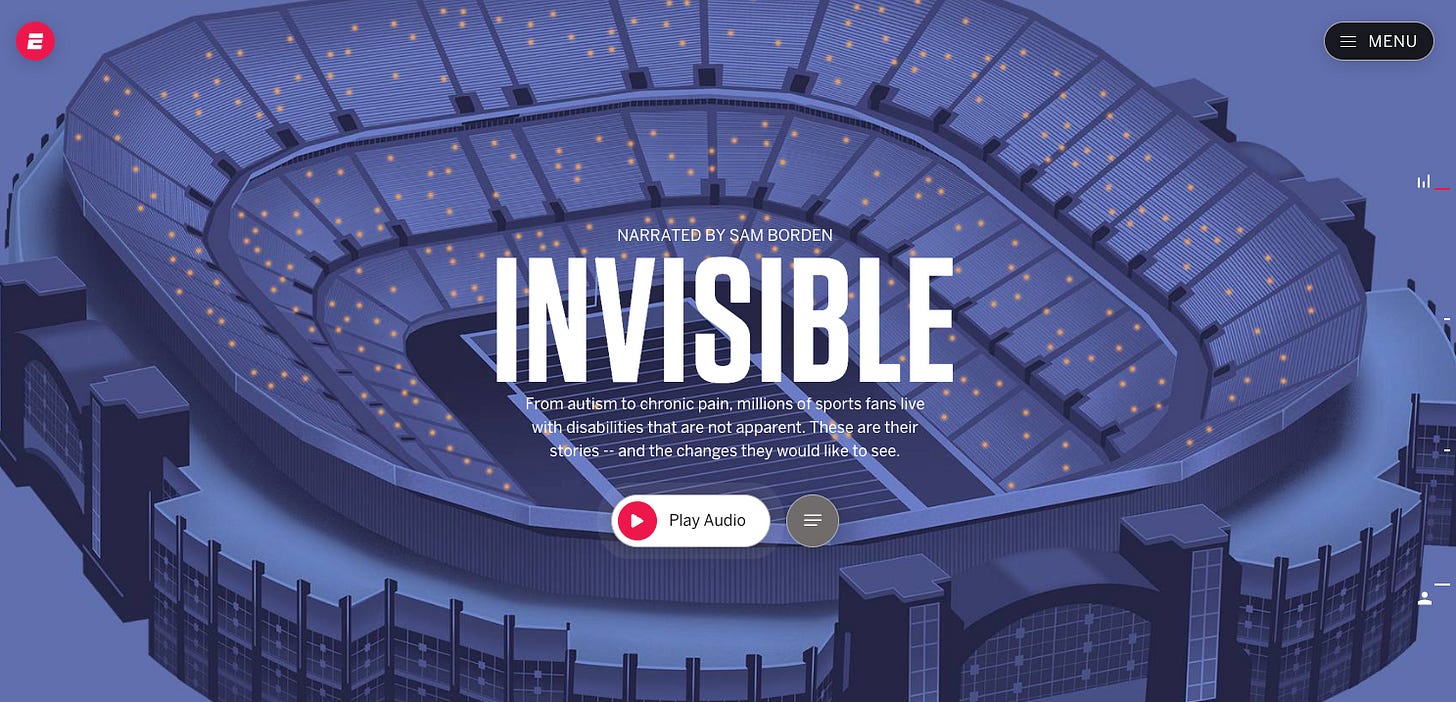
We’ve read and reviewed three key reports that were published over the past month, each highlighting different ED&I aspects of the supporter experience.
Whilst we recommend reading these reports yourself, we’ve summarised the main takeaways from each report into a practical checklist for your sport organisation or club to implement the findings based on theirs and HTVB’s recommendations. You’re welcome 😉
✅ Introduce accessible digital kiosks or provide physical menus with options for magnification and speech output.
✅ Provide dedicated accessible entrances.
✅ Train staff who supervise the use of lifts and provide signage around lifts that educates on misconceptions about disability.
✅ Allow fans to register online for specific accommodations, with an option to wear badges or other indicators, reducing the need for constant explanations to staff.
✅ Invest in comprehensive and regular training for stadium staff, focusing on invisible disabilities and how best to assist supporters. Use micro learning and ‘nudges’ instead of traditional methods of training to ensure information is retained and practical for casual workers.
✅ Broaden food offerings to cater to consider cultural and dietary preferences.
✅ Offer alcohol-free zones for those who are uncomfortable with alcohol consumption in the stands.
✅ Promote football to minority ethnic communities with subsidised tickets and initiatives such as coaching sessions for women and girls.
✅ Ensure fan zones celebrate diversity, incorporating music, street food, and educational content about the history and development of the women’s game.
✅ Establish clear and visible reporting systems for addressing racism in the stands, and ensure prompt action when incidents are reported.
✅ Increase the presence of women and non-binary staff in stadiums, particularly in support and stewarding roles, to enhance the comfort and safety of women and non-binary supporters.
✅ Improve access to sanitary facilities, ensuring they are clean, well-stocked, and sufficient in number for all attendees.
✅ Develop and enforce policies that promote gender inclusion, making sure that stadiums are safe and welcoming spaces for everyone, regardless of gender.
✅ Provide training for staff on recognising and responding to sexist or misogynistic behaviour.
✅ Create a range of educational assets that highlight reporting procedures, recognising the different audiences that attend games, and that the support they need may vary.

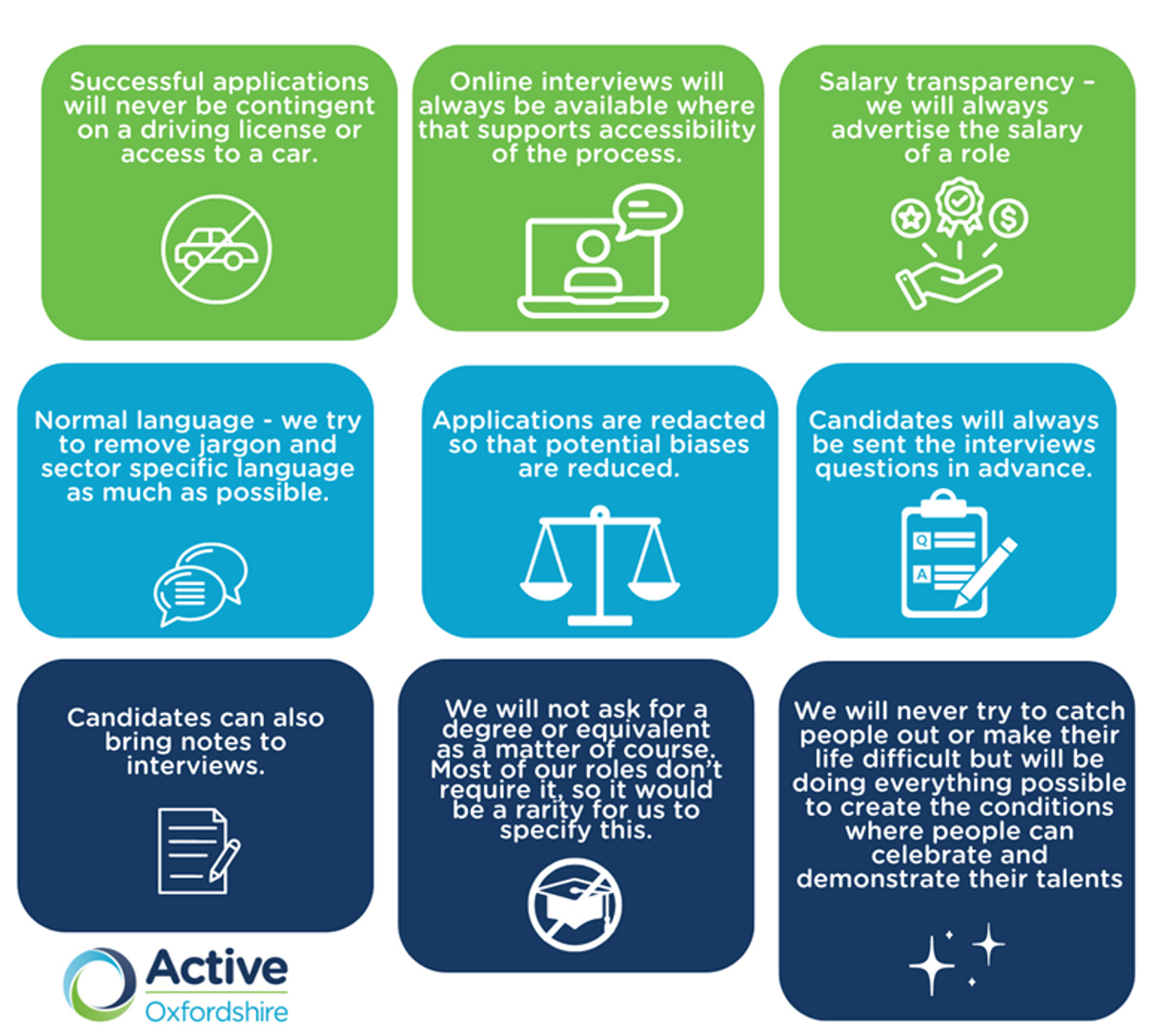
Read about the progress, achievements and plans the Bees have made, but learn how to be open about your organisation’s EDI journey.
👀 PS it is great to see a mention our game-changing anti-racism first aid sessions delivered to staff and players! 💥
Shout out to the organisation for being transparent and sharing how they introduced the introduced guiding principles below:


Thank you for reading! Stay tuned for more next month as we dive deeper. Send me a message if there are any topics you want to explore in the future. 👋🏽
No posts
Comments
Nothing yet. Say the first thing.
Sign in to join the conversation.