
Hello everyone,
Welcome to this month’s edition!
You’ll find insights on navigating polarising topics, how gender-diverse teams protect ethical decision-making, and a deeper look at the real impact of sensitivity reading. There’s also a resource on inclusive design I think more people should be using.
Whether you’re running workshops, reviewing policies or just trying to stay thoughtful in the work, I hope you find something here that sharpens your practice.
Thanks for reading and sharing,
Hayley

If policy and strategy are built on data, what happens when the data is wrong? This article digs into why the UK’s Office for National Statistics is under fire, and what that means for how we measure and address pay gaps.
Beyond the trends, this season’s Fashion Week is embedding inclusion and sustainability into the mainstream. Whether or not you work in fashion, this is a great reminder of what visibility, values and storytelling can achieve when they work together.
This behavioural science take on how to talk about difficult topics is packed with nuance. Rather than throwing facts at someone, the key is empathy, lived experience and shared stories. One to bookmark or share!
This research shows that diverse teams are more likely to act ethically under pressure. “You can create rules, roll out training, and repeat your values all you want. But also ask a more strategic question: who’s in the room?”
A personal, reflective piece on the complexity of spotting bias in stories, and the emotional labour of being responsible for calling it out. A useful read for anyone commissioning content, writing policy or creating training materials.

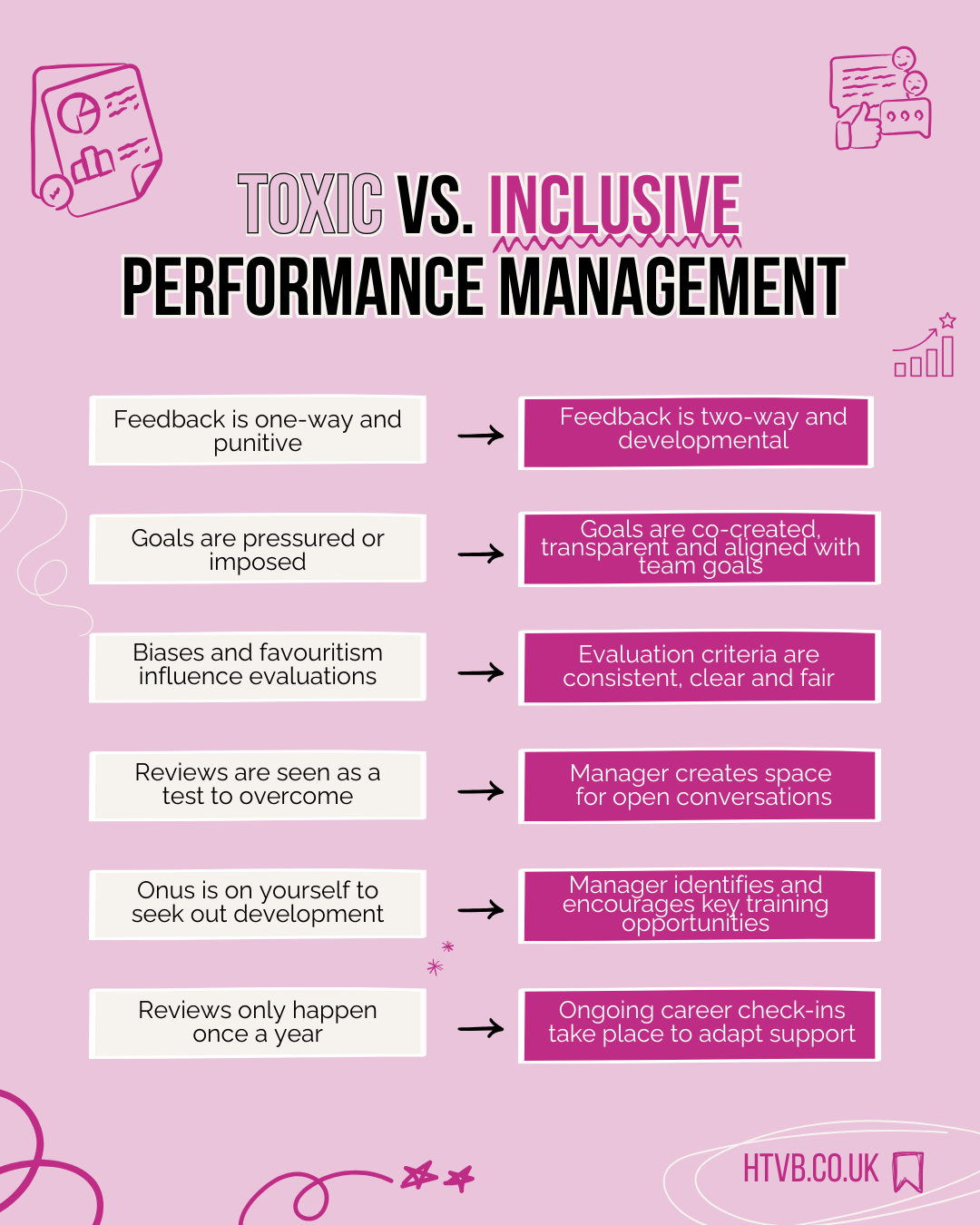
Inclusive performance management is absolutely crucial to DEI but I feel it gets much less focus that inclusive recruitment.
Here’s a quick guide on moving from punitive, biased reviews to collaborative, developmental conversations that support both wellbeing and performance.


Polyworking is the practice of holding multiple jobs at once, whether freelancing alongside a full-time role, juggling part-time gigs, or even “double dipping” with two full-time posts. What began as a way to make ends meet is now a growing career strategy.
For inclusion, this matters. HR leaders should think about what it means if significant numbers of employees are turning to second jobs… whether to stay afloat or to build new skills. It could signal that pay and/or career development pathways need urgent review. Workplace culture also plays a role: encouraging transparent conversations about outside projects and focusing performance measures on outcomes rather than hours logged can shift the emphasis from control to trust.
🔗 Source: three minute explainer on polyworking – Raconteur


This free, practical guidebook is full of frameworks and activities for anyone creating systems, services or products with inclusion in mind. Great for product teams, comms leads and anyone responsible for experiences that reach your people or users. Worth sharing internally if you’re doing design or delivery work.



Thanks for reading Monthly DEI learnings with Hayley ! This post is public so feel free to share it with a colleague or your network!

Comments
Nothing yet. Say the first thing.
Sign in to join the conversation.