
I’m going to say it upfront: Jennifer Dulski is one of my most favorite people.
And I’m not alone - if you follow Jennifer on LinkedIn, you’ve seen how quickly her posts on leadership spark engagement.
Jen is what I call a “triple crown leader” whose wide experience spans business, nonprofits, and educational institutions. As the former President of Change.org, beloved lecturer at Stanford’s Graduate School of Business, founder of Rising Team, and author of Purposeful, everything she does is about amplifying the talent and potential in others.
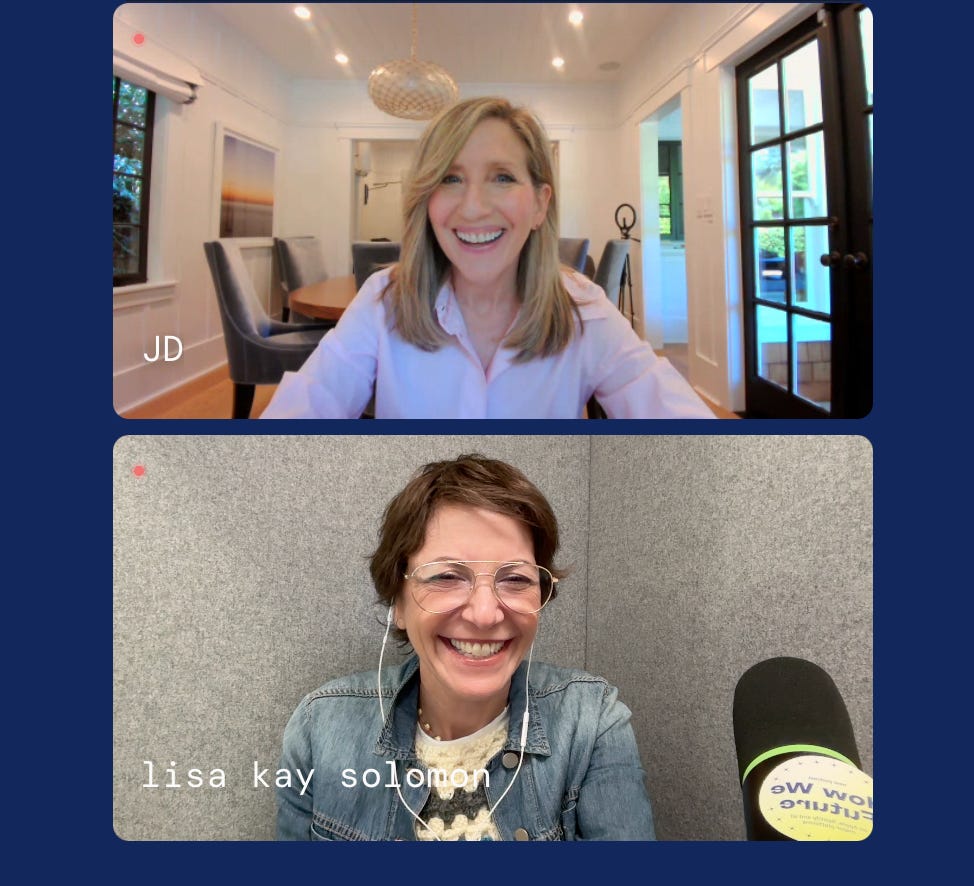
As part of our season of Big Ideas on How We Future, our conversation focused on one of Jen’s core passions: how to lead with purpose.
We had some great times reminiscing about old memories and talking about how purpose can align teams and fuel meaningful impact.
It was a super fun conversation, and I highly encourage you to listen - especially if you’re trying to figure out how AI can help more of us flourish and grow.
Here are a few highlights:
For as long as I’ve known her, Jen has infused purpose into everything she does.
In college we were both varsity athletes, but Jen also managed to mentor the local Boys and Girls Club, become a volunteer fire fighter, and then some. (I ended up spending my time bartending….but, as Jen often reminds me, “we all have our strengths.”).
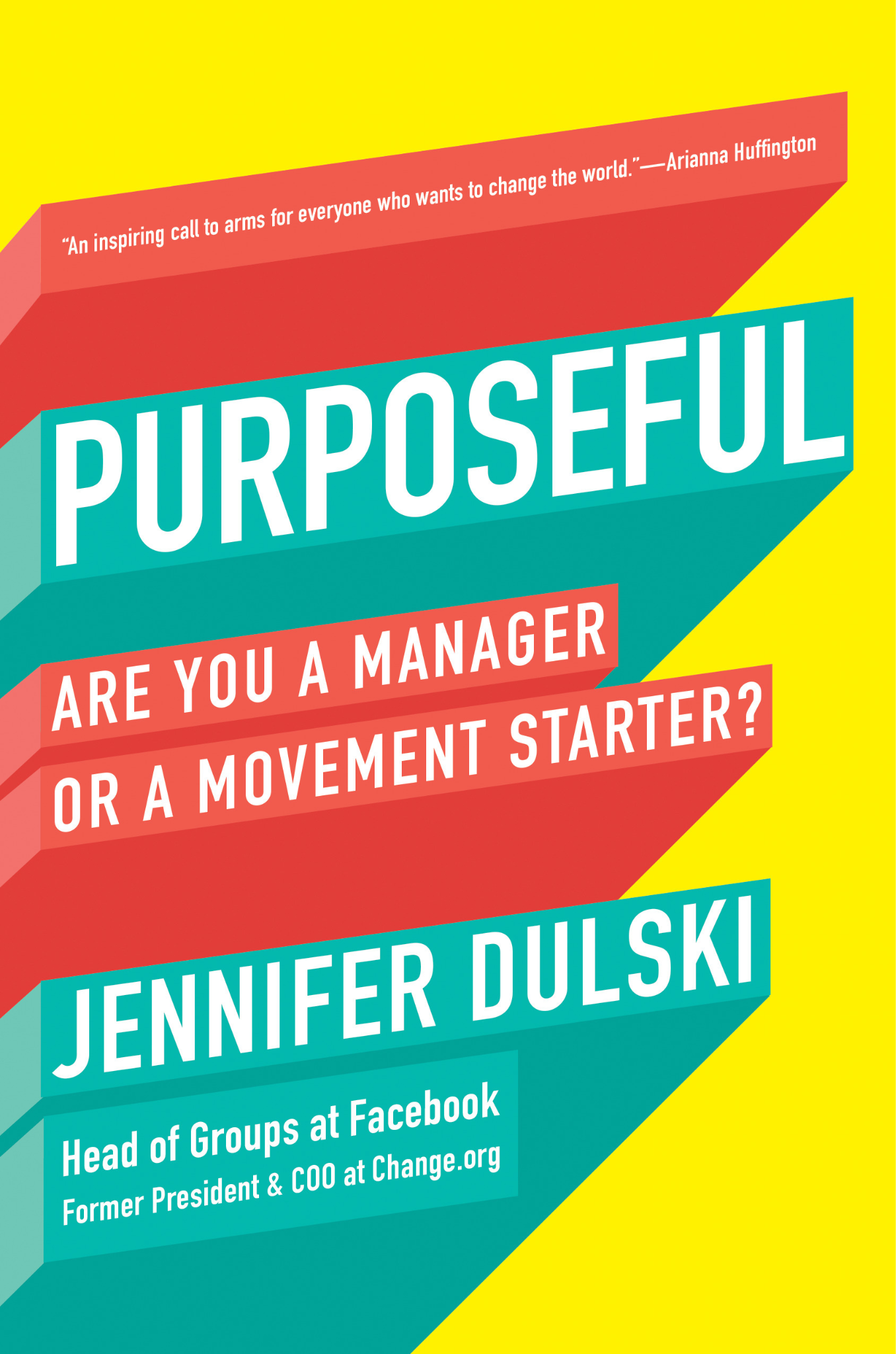
Even before Jen became the COO and President of Change.org, she infused purpose-driven values into every position and leadership opportunity, capturing her philosophy in her bestselling book, Purposeful.
As she writes in the opening chapter, “I believe wholeheartedly that every single person has the capacity to start and lead a movement that changes the world; you don’t need to be Nelson Mandela or Gloria Steinem to inspire change. Even the biggest movements in history were sparked by relatively small but critically important actions of key people along the way.”
One of my favorite pieces of advice is to be the first to start a standing ovation. Even if it’s uncomfortable at first, showing appreciation can be contagious.
Jen also reminds us that starting a movement takes commitment - even through the difficult times. “Dont drink the Hateraide” she says - I agree!
Many of Jen’s leadership principles come from formative experiences she had as a coxswain on her high school and college crew teams.
And, in case you’re wondering, being a coxswain is much harder than sitting in the boat yelling “stroke, stroke.”
As Jen says, you have to be uniquely attuned to everything that’s happening around you, starting with the people in your boat. For Jen, the team alignment starts with understanding how to motivate each rower, but also paying attention to the conditions of the water and the dynamics of that particular competition.
One of the most important strategic moments in a competition is knowing when to call a “Power 10.” This is when everyone in the boat gives it their all for 10 powerful strokes.
Jen cautions that you have to be really thoughtful on when and how you call it. Call it too often, the boat gets exhausted. Wait too long, and you’ll likely be outpaced by another boat. Trust powers the whole process. The team has to trust you, and you have to trust the team. There’s no faking it.
Jen’s latest venture, Rising Team, is focused on unleashing human potential with the support of AI.
As she shared, “in many ways, everything I’ve done in my career has led me to Rising Team. We wanted to build a tool that leaders at any level could use to get high touch support and unleash human potential in a scalable, affordable way. And that’s possible now.”
Most leadership trainings assume that we’re starting at the same place and need the same information. Again, referencing her early days as an athlete, “even the world class athletes start at different places with different strengths. They need personalized training to become their best.”
Rising Team’s personal AI coach serves as a confidential source of support, helping every member of the team better understand their strengths, identify areas for growth, and safely practice ways of improving.
So many headlines around AI talk about the potential for technology to collaborate with humans. Jen’s showing us what it looks like for technology to truly unleash human potential.
One of the many favorite things that I’ve learned from Jen is how to use acronyms to communicate important concepts in useful and clarifying ways.
Jen’s love for acronyms started from her family’s ongoing list of “Huret Family acronyms” posted on their fridge. You’ll have to listen to the episode to hear some of her favorites and how we invented new ones in college.
Over time, Jen has created her own acronyms that reflect and communicate core work values, like:
“JAV = Just Add Value.” A reminder that we’re all capable of being valuable, even if it’s not in our job description.
“BGF = Boat Go Faster.” This is another nod to lessons from Jen’s crew days. Centering on a key question to drive decisions: Does it help the boat go faster? Of course, in practice, you would substitute the boat for the primary goal you’re working on.
And, my new favorite: “DMSU = Don’t Make Shit Up.” As in, don’t make yourself crazy by assuming the worst or making negative stories up in your head before you have facts to support it.

One of the best gifts in life is to have friends that inspire you. What a gift to have Jen helping me - and so many others - become the best version of ourselves.
Want to contact us? Email hello@howwefuture.com
No posts
Comments
Nothing yet. Say the first thing.
Sign in to join the conversation.