
Hey,
There’s a version of aging that’s optional.
Most men don’t know that.
They assume the tired joints, the shrinking muscle, the slower metabolism, the lower testosterone, the body that feels ten years older than it should — they assume all of that is just what getting older looks like.
It isn’t.
It’s what getting older without training the right muscles looks like.
There’s a difference.
And the difference is four specific muscle groups that have a direct relationship with how fast your body ages, how well your hormones function, how efficiently your metabolism runs, and how capable you remain as the years pass.
Train them consistently and the aging process slows dramatically.
Ignore them and it accelerates in ways that no supplement, no skincare routine, and no lifestyle optimization can undo.
The first muscle: your glutes.
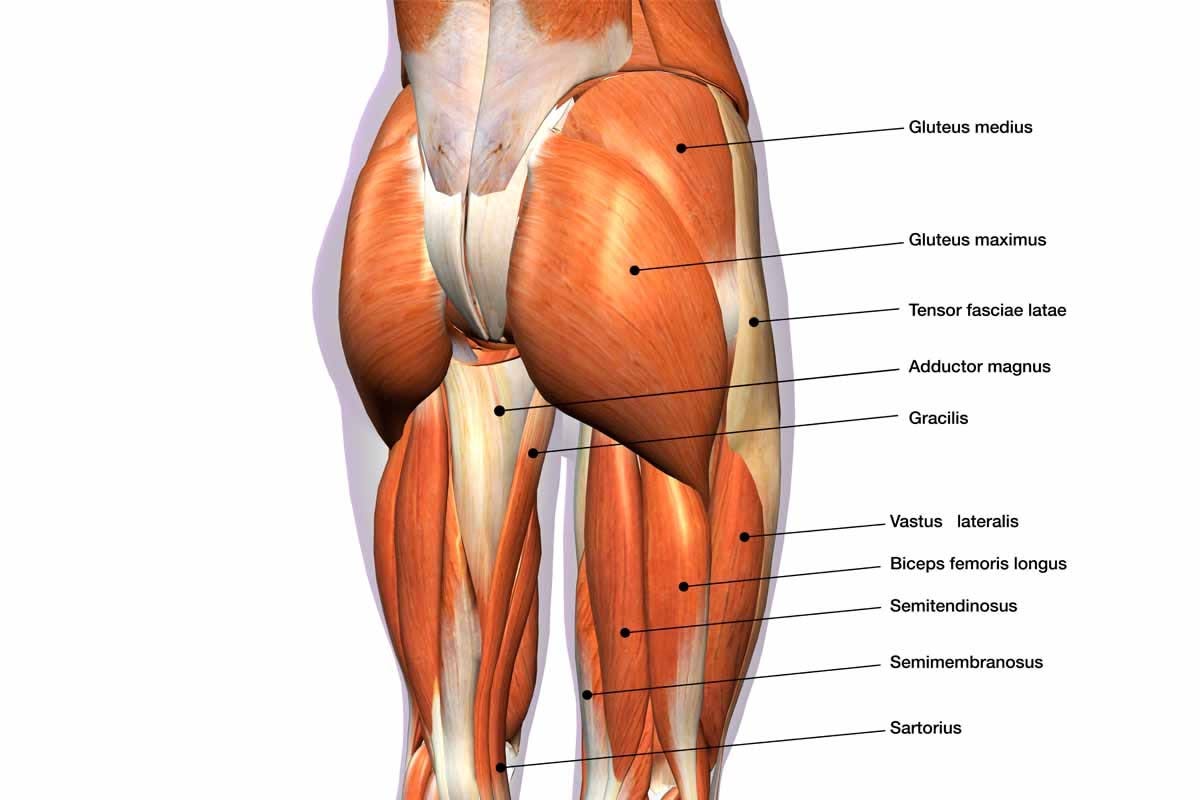
Most men never train their glutes directly because it feels unnecessary or uncomfortable or not masculine enough.
Their body pays for it in ways they never connect back to this one neglected muscle.
Your glutes are the largest and most powerful muscle group in your body.
They stabilize your pelvis, protect your lower back, drive your posture, and are directly connected to testosterone production through the heavy compound movements that load them.
Weak glutes mean anterior pelvic tilt that puts chronic stress on your lower back and makes you look softer even at low body fat.
Weak glutes mean less heavy squatting and deadlifting which means less testosterone stimulus which means faster hormonal decline.
Train your glutes and your posture improves, your lower back stops hurting, your compound lifts go up, and your testosterone gets the most powerful natural stimulus available.
The second muscle: your lats.
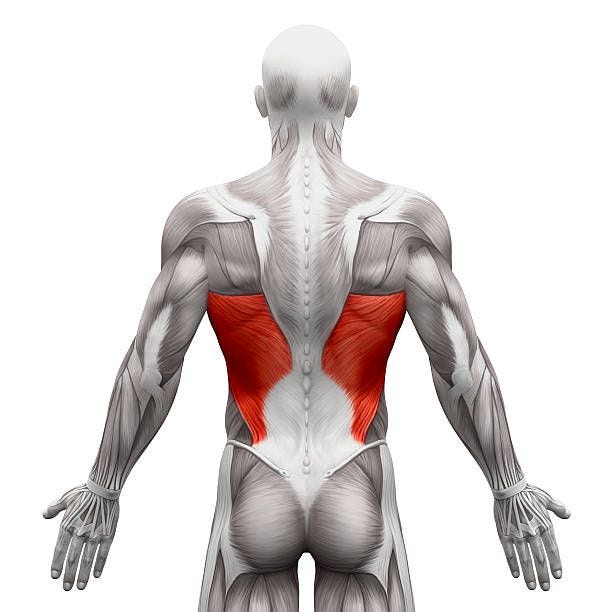
Your lats are the muscle that creates the V-taper. The width that makes your waist look smaller and your shoulders look wider and your entire physique look more impressive.
But the anti-aging benefit goes deeper than aesthetics.
Your lats are responsible for shoulder stability and scapular control.
As men age the most common movement restrictions and chronic pain points are in the shoulders and upper back.
Almost always connected to underdeveloped lats and the poor posture that follows.
Strong lats mean shoulders that work correctly for decades. Upper back that stays strong and upright instead of rounding forward. The structural integrity that keeps you moving freely at 60 the way you moved at 30.
The third muscle: your neck and upper traps.
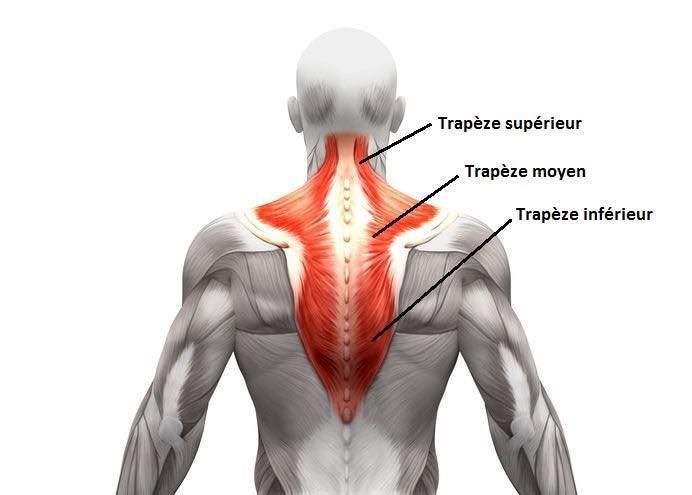
Nobody trains their neck directly.
Almost every man over 45 has chronic neck tension, headaches, or forward head posture that makes them look older and feel worse than they should.
The neck supports your head which weighs between 10 and 12 pounds.
Weak neck muscles mean that weight pulls your head forward, compresses your cervical spine, restricts blood flow, and creates the hunched posture that is the most visible sign of aging in men.
Direct neck training is the single most underrated anti-aging investment in fitness.
Three sets of neck flexion and extension twice weekly is all it takes.
Almost nobody does it.
The men who do carry themselves differently at every age.
The fourth muscle: your quadriceps.
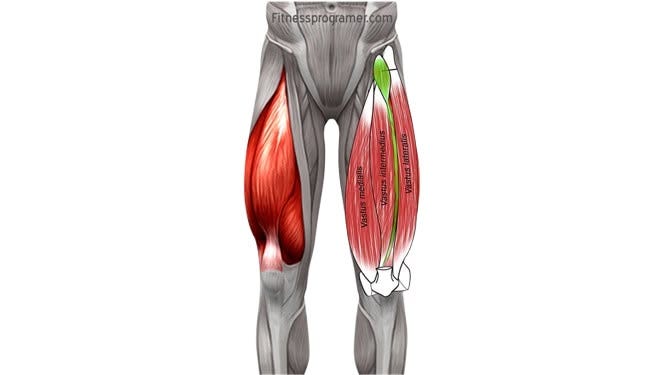
Leg strength is one of the most powerful predictors of longevity in the research.
Not cardiovascular fitness. Not upper body strength. Leg strength specifically.
Because your legs are where the majority of your muscle mass lives.
More muscle mass means higher resting metabolism. Better insulin sensitivity. More efficient fat burning. Higher testosterone baseline. Faster recovery from illness and injury.
Men who maintain strong quadriceps as they age maintain their metabolic health, their hormonal function, and their physical independence in ways that men with weak legs simply don’t.
The men in their 60s who still move well, still look lean, still have energy and testosterone that function the way they should — almost universally have strong legs.
The men who skipped leg day for thirty years are the ones who look and feel old before their time.
Here’s the honest reality about aging and muscle.
After 30 men lose roughly 3 to 5 percent of muscle mass per decade without deliberate resistance training.
That loss accelerates hormonal decline. Slows metabolism. Increases injury risk. Reduces energy. Makes fat gain easier and fat loss harder.
Every year you don’t train these four muscles specifically the gap between where you are and where you could be gets wider.
Not dramatically. Slightly.
But slightly every year for ten years becomes the difference between the 50 year old who looks and moves like he’s 40 and the 50 year old who looks and moves like he’s 60.
The training that closes that gap isn’t complicated.
Four muscle groups. Trained consistently. With progressive overload applied week over week.
Glutes. Lats. Neck. Quadriceps.
That combination maintains the hormonal environment, the structural integrity, the metabolic health, and the physical capability that keeps aging optional instead of inevitable.
BJ
P.S. Aging is inevitable. How fast it happens is not. The four muscles above are the difference between a body that performs at 55 the way it did at 35 and one that doesn’t. Train them or pay the price: Start here.
No posts
Comments
Nothing yet. Say the first thing.
Sign in to join the conversation.