
In the mid 90s, I reproduced a huge painting for a client’s 50th anniversary as an old-style, 4-color offset litho on a huge printer, just like the printers I started my career with in LA. When the posters arrived, there was something not quite right; the image seemed a bit too sharp. I was annoyed at this, understanding right then that I had to step to the correct side of the digital divide.
I bought a large desktop Mac 4 and began to learn Photoshop, before YouTube, so I hired a human as a tutor. I’m still only an intermediate because I’ve only used it for research, as a tool to make my actual paintings, whether on walls or a substrate. And now I’m hoping I haven’t timed out on my 2017, 24” Mac.
A second leap happened in 2017 with my discovery of the miraculous drawing program on an iPad Pro. Up to that point, I hadn’t created computer-generated art. But this new tool was just too great to be true. When I was writing for the Sacramento Bee, it was fun to capture a drawing in time-lapse, not just a still, and I thought readers might enjoy the “artistic process.” Procreate records each point that the Apple pencil touches the screen, changes and mistakes, no matter what.
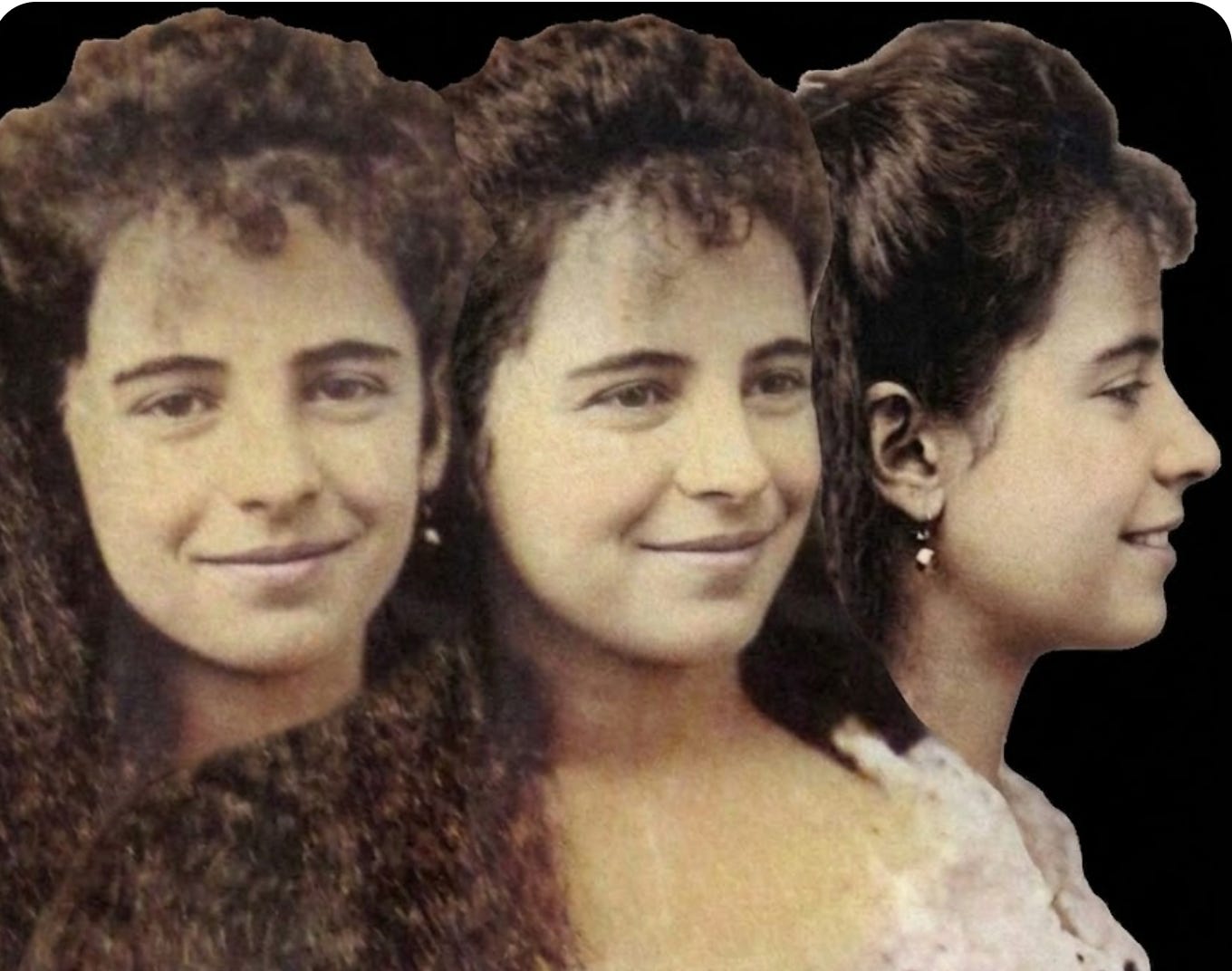
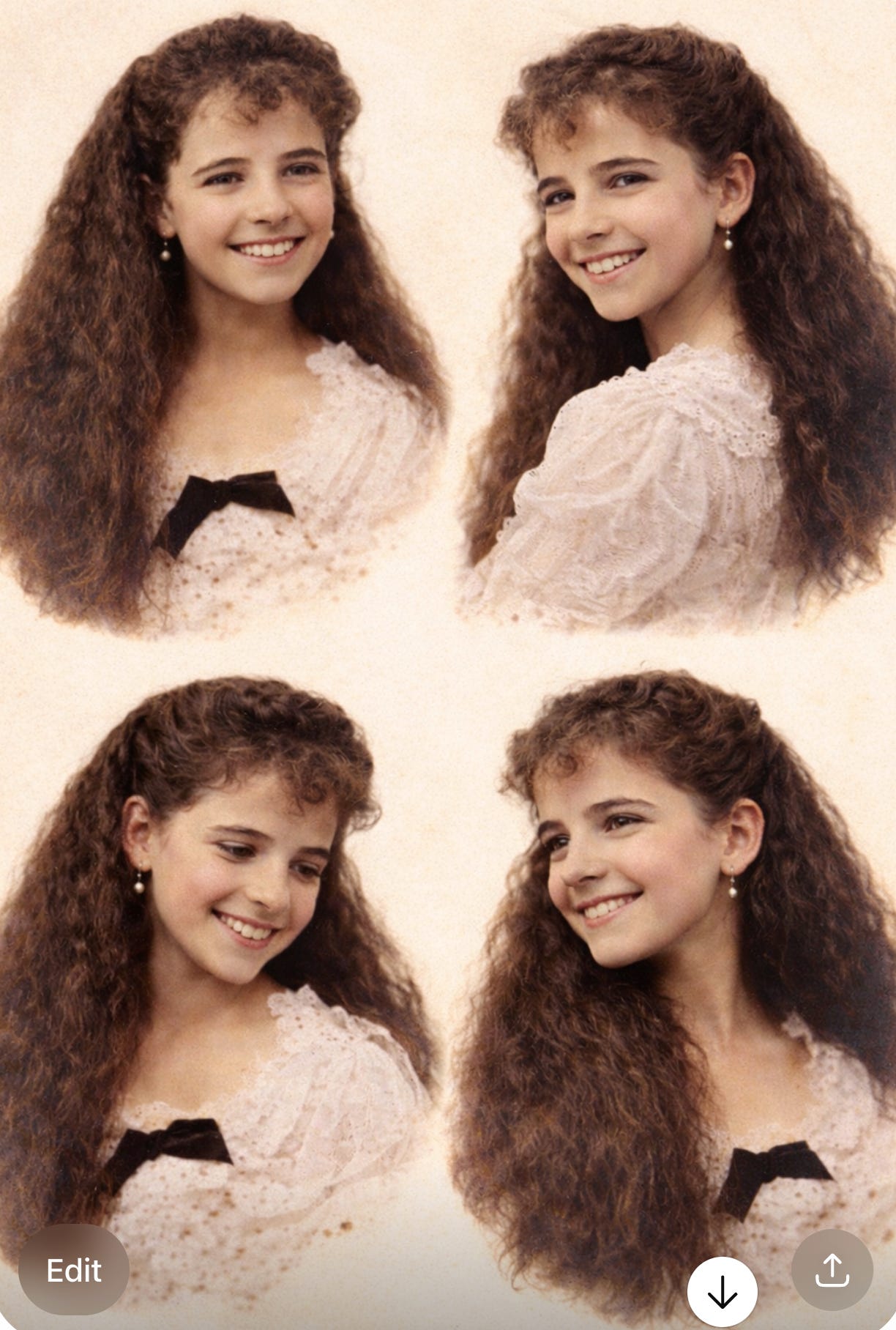
But let me back up a bit. We only have one picture of May Woolsey as a young woman, sometime before she got sick. Delta Mello, the executive director of the Sacramento History Museum, with whom I’m collaborating, said something that stopped me cold. What if I take that original picture, a try a couple of the AI image programs with two prompts: show me what this girl looks like at looking around at 3/4 and profile view, and again, show me what this girl looks like with a smile.
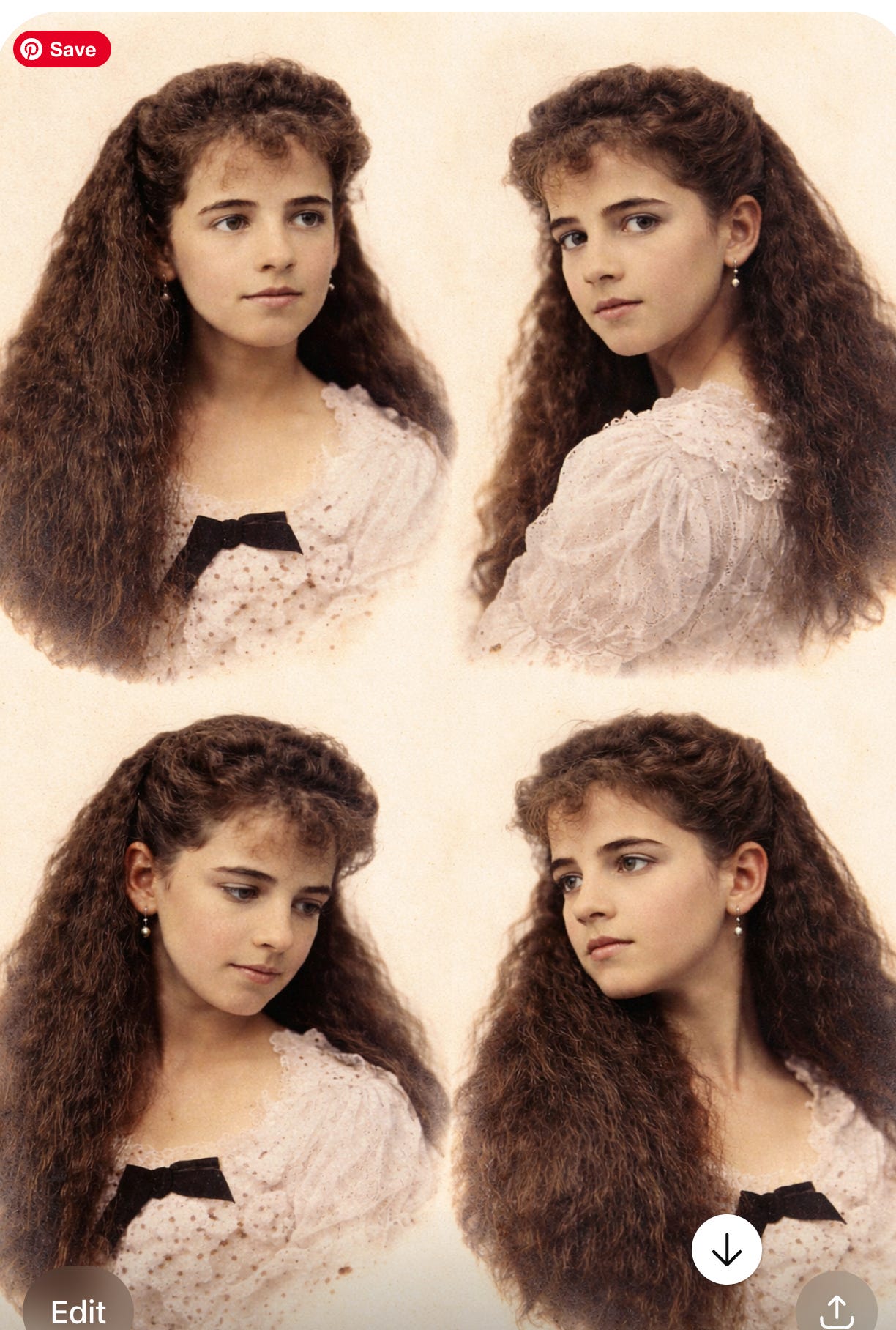
Suddenly, she came alive. Back in her day, a girl with a family with enough money to pay for a portrait had to sit still for a long time, which is why you rarely see a smile. And May was a very happy kid who must have smiled constantly. It made her death seem more immediate to me, and even more of a loss.
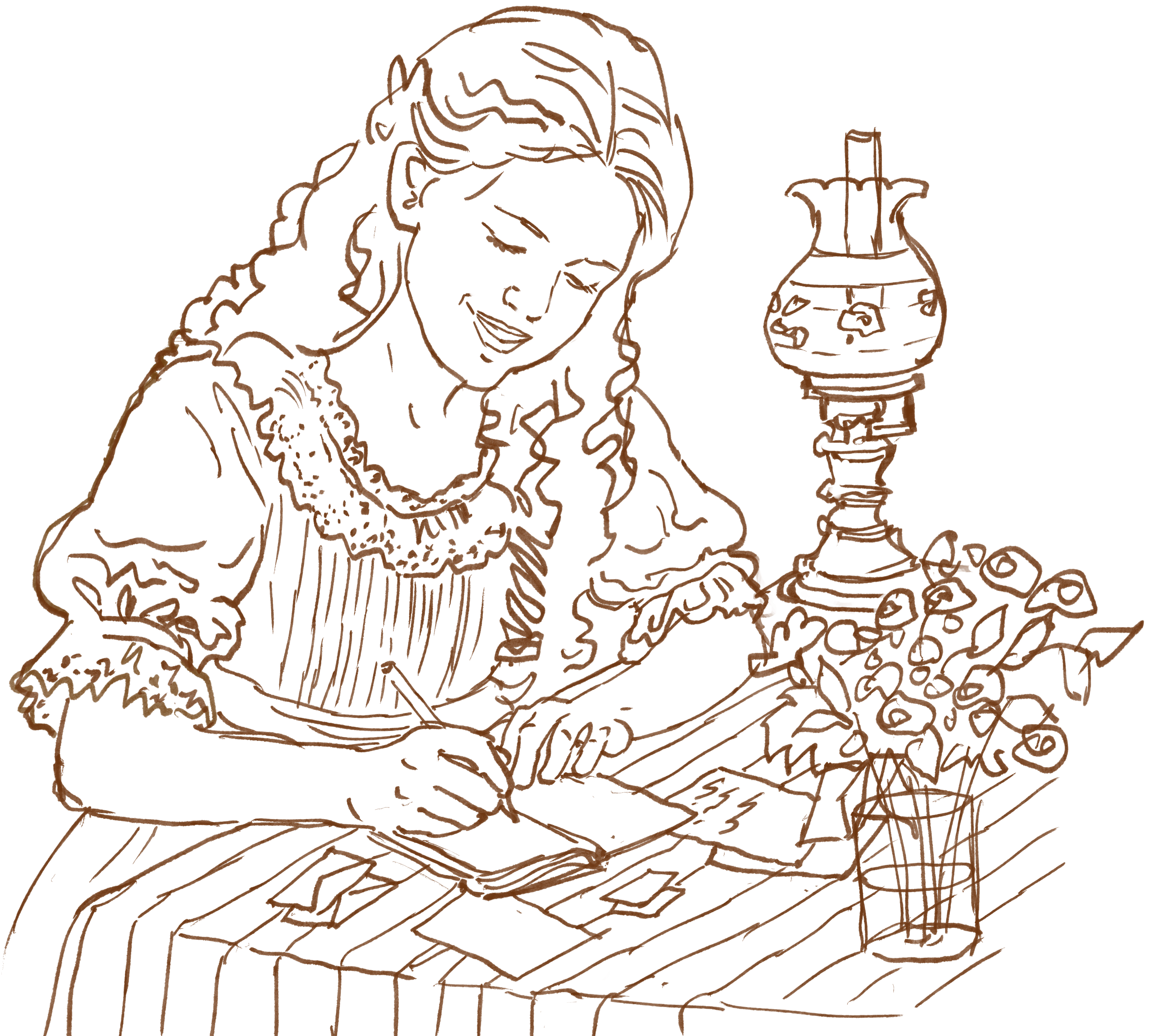
So why not use AI to help me generate what she might have been doing then, playing with dolls, drawing, writing in her diary?
I also need to know what her mother was doing, cooking, sewing, so I asked for an image of a woman cooking in 1879, in a Victorian kitchen. Here is a time-lapse so far.
A note about the process of creating a book with Procreate and an Apple pencil. I’ve just ordered a skin that mimics paper so my pencil won’t slickly glide over the glass. So that there’s a little tooth to whatever drawing tool I pick. Also, I created Frankenstein: A Graphic Interpretation with these tools, but my drawing style, whatever it might be, is unpredictable–until I start drawing. My hand seems to want to make weird little squiggles and random wanderings.
The May book is in color so I researched printing methods back then. A quick explanation of methods from Claude:
Chromolithography is a color lithographic technique developed in the mid-19th century. The process involved using multiple lithographic stones, one for each color, to yield a rich composite effect. Some chromolithographs used 30 or more separate lithographic stones to achieve the desired product.Chromolithographic images are produced by printing each color separately, then superimposing those colors to make a finished full-color print. The process is labor-intensive, as each color requires a separate stone with the image drawn on it. The stones are inked individually, and the paper — one sheet at a time — is run across the stones, taking on each pass the impression of a different color.
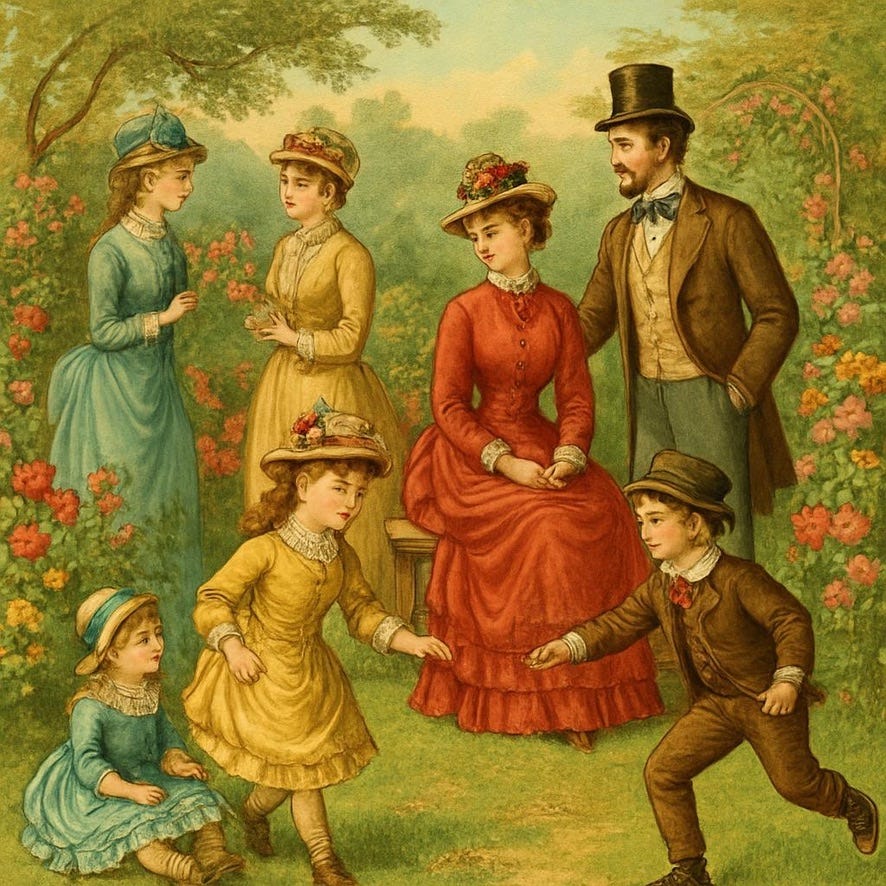
This example has wonderful colors, so I’m creating a palette in Procreate to match as closely as possible.
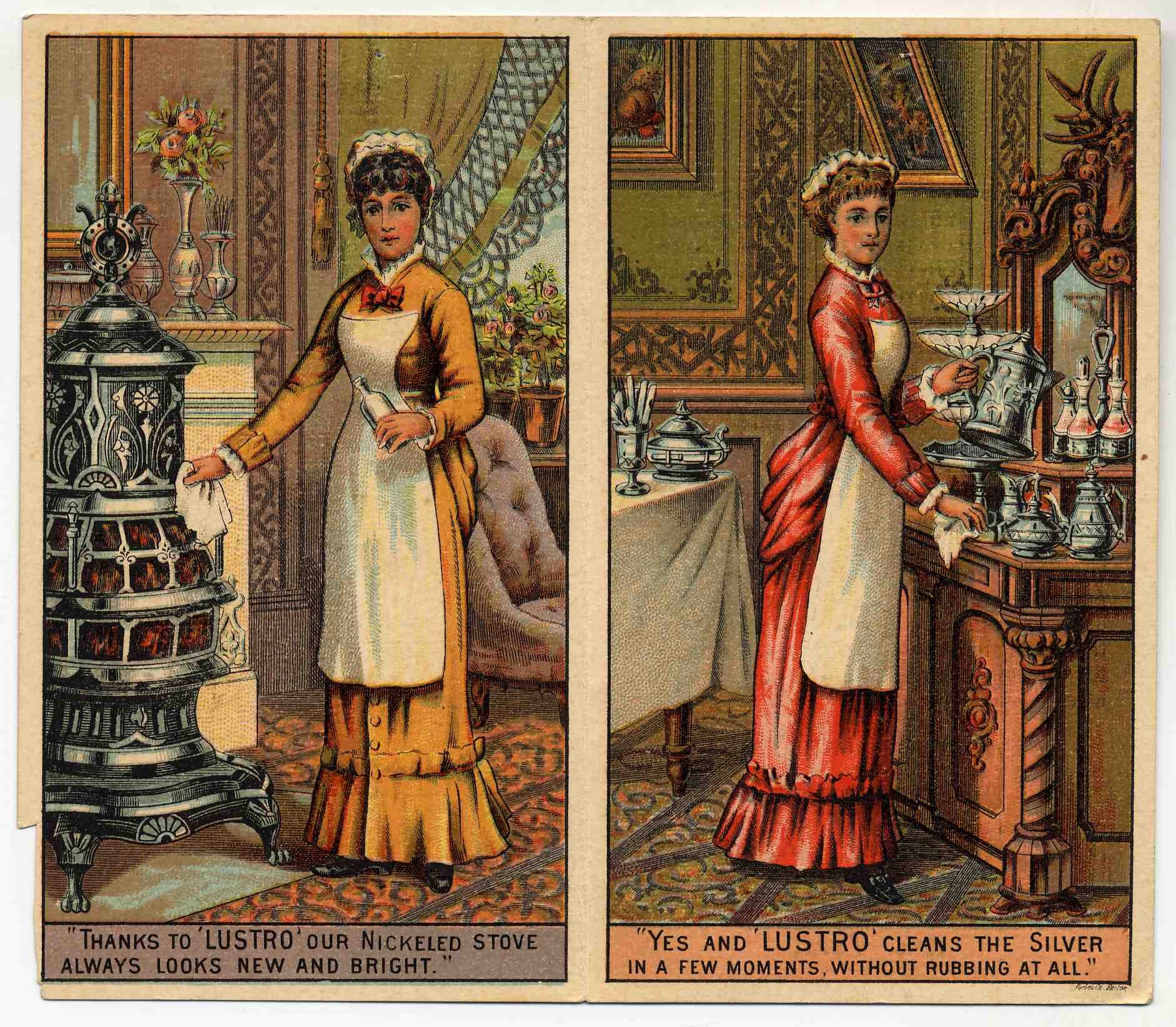
There are quite a few advertisements and “scrap” in May’s collection. May’s mother probably saved this. Out of register, it’s not the best printing example.
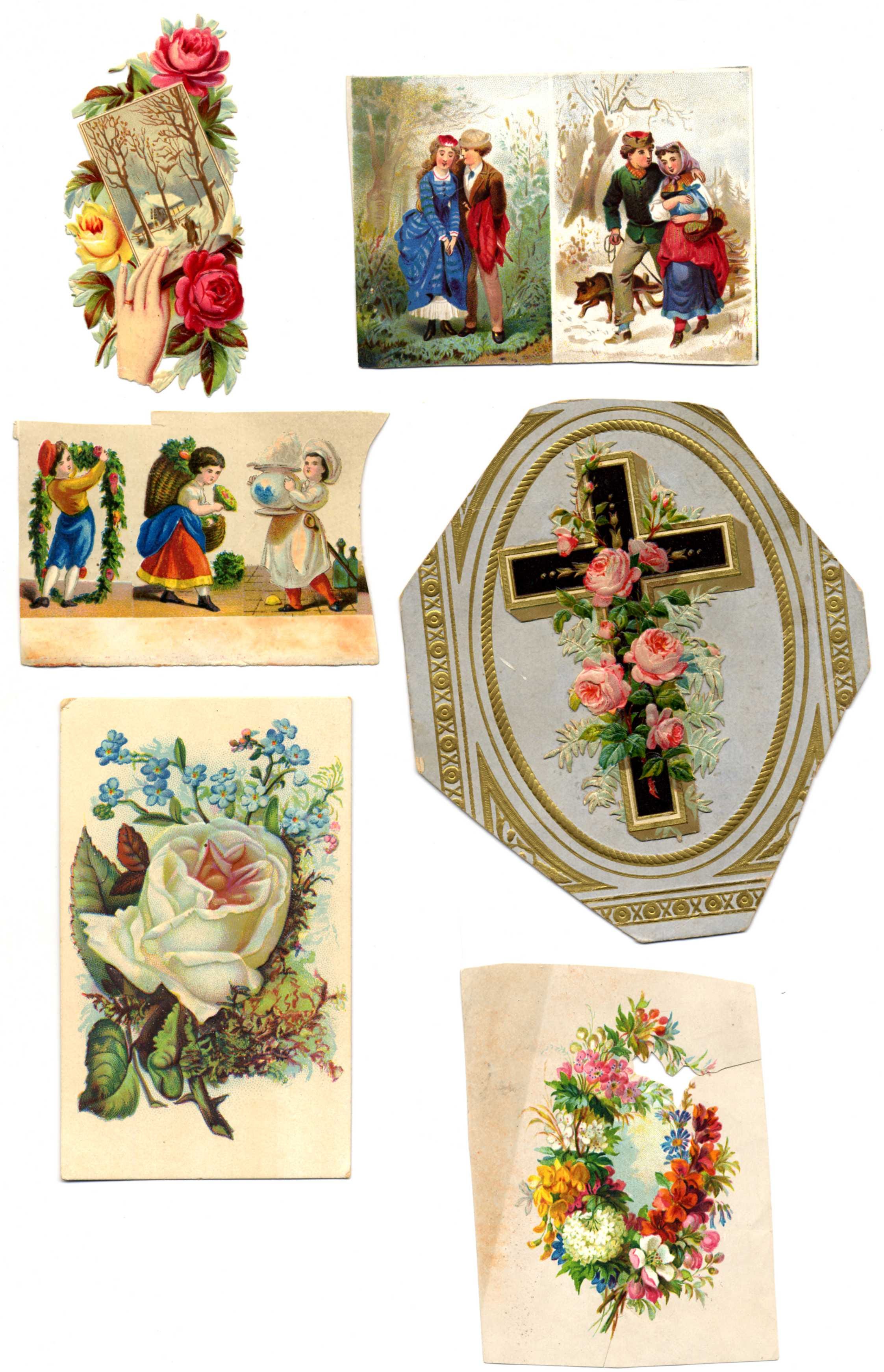
Somewhere in my late mother’s belongings are cards like these. They were from her mother, my courageous Norwegian grandmother who died during WWII for something that easily could have been cured by penicillin today. She kept them displayed under glass in our bathroom: a touch of the Victorian.
Comments
Nothing yet. Say the first thing.
Sign in to join the conversation.