
Dear friends,
This will be my last Friday newsletter for a while as I grant myself some maternity leave. I’ve been thinking a lot about how difficult giving myself this permission is, despite rest after giving birth and undivided time with your baby being the most natural, necessary things in the world.
I find it odd how willing we are to accept our existence as an intrinsic part of nature when it suits us and how much we fight it when it comes into conflict with our modern lives.
Strangely, we only seem able to accept our entwined existence as part of nature itself either when we are on holiday or when it’s wrapped up in risk. I realised this the other day when I was waiting for a bus.
A tiny parasitoid wasp flew into the bus stop and proceeded to struggle to get out again. I helped it, obviously, but in doing so, I became acutely aware of the standard response of most people if you ever point out that an insect is a parasitoid, a parasite, or something that might bite or sting. Automatically, this leads to a recoiling, some kind of disgusted face and a determination to move far away or squash it.
But when you’ve studied evolution in depth, you know how finely tuned so many of these relationships between species are—and how they are usually nothing to do with us.
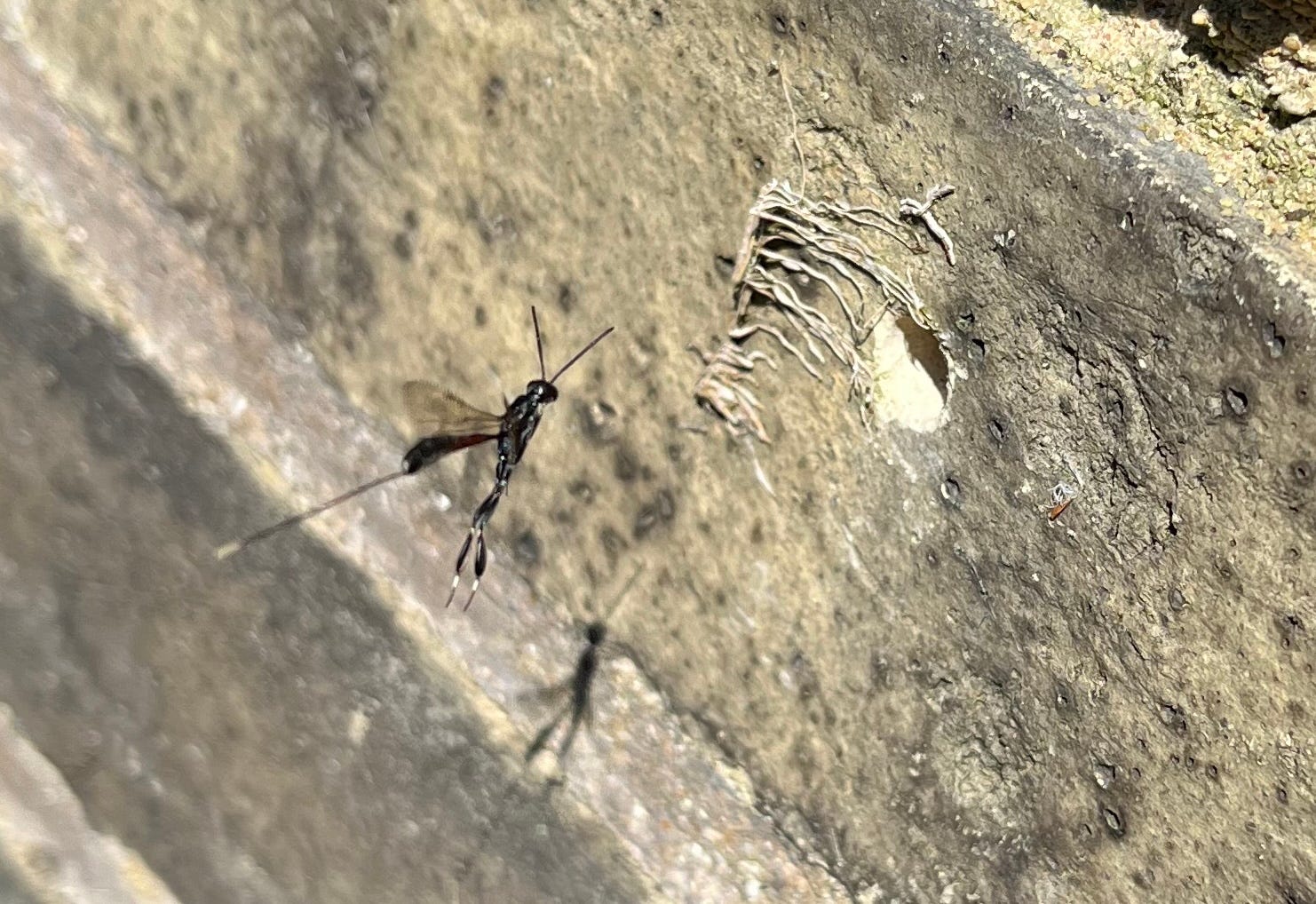
Take fig wasps, for instance. These are tiny, solitary wasps that have evolved incredibly specific relationships with fig plants. Some of these relationships are mutually beneficial—the fig wasps pollinate the fig plants, while the fig plants provide the female wasps with somewhere to lay their eggs. Some of the fig wasps, however, are parasitoids, which means that their larvae, after hatching from eggs, live inside and feed off the host plant without offering anything in return.
There are around 900 species of fig wasps and around 900 species of figs—many of these relationships are so specific that a single wasp species can only complete its life cycle on a single fig species, which depends entirely on this one species of wasp for its pollination. My point is that these relationships are often incredibly precise and, crucially, nothing to do with us. Just because a wasp is a parasitoid, it does not mean it gives one fig about us.
Here in the UK, none of our parasitoid wasps are interested in fig plants. But they are all looking for another kind of invertebrate to lay their eggs inside—caterpillars, aphids, whiteflies or leaf miners, to name a few. Crucially, again, they are not looking for us.
Yet we are so quick, instant in fact, to recoil away, assuming that ‘parasitoid’ means they are after us. In these circumstances, we have no conceptual problem with thinking of ourselves as part of the rest of the natural world, as wrapped up in the same complex system of life as everything else.
But when it comes to accepting this same philosophy as applied to our resource use, to our desperation to control things, to our frailties, capacities and morality, we fight it so very hard. We construct an illusion that we are separate, not bound by natural laws and limits, able to rise above all other living things.
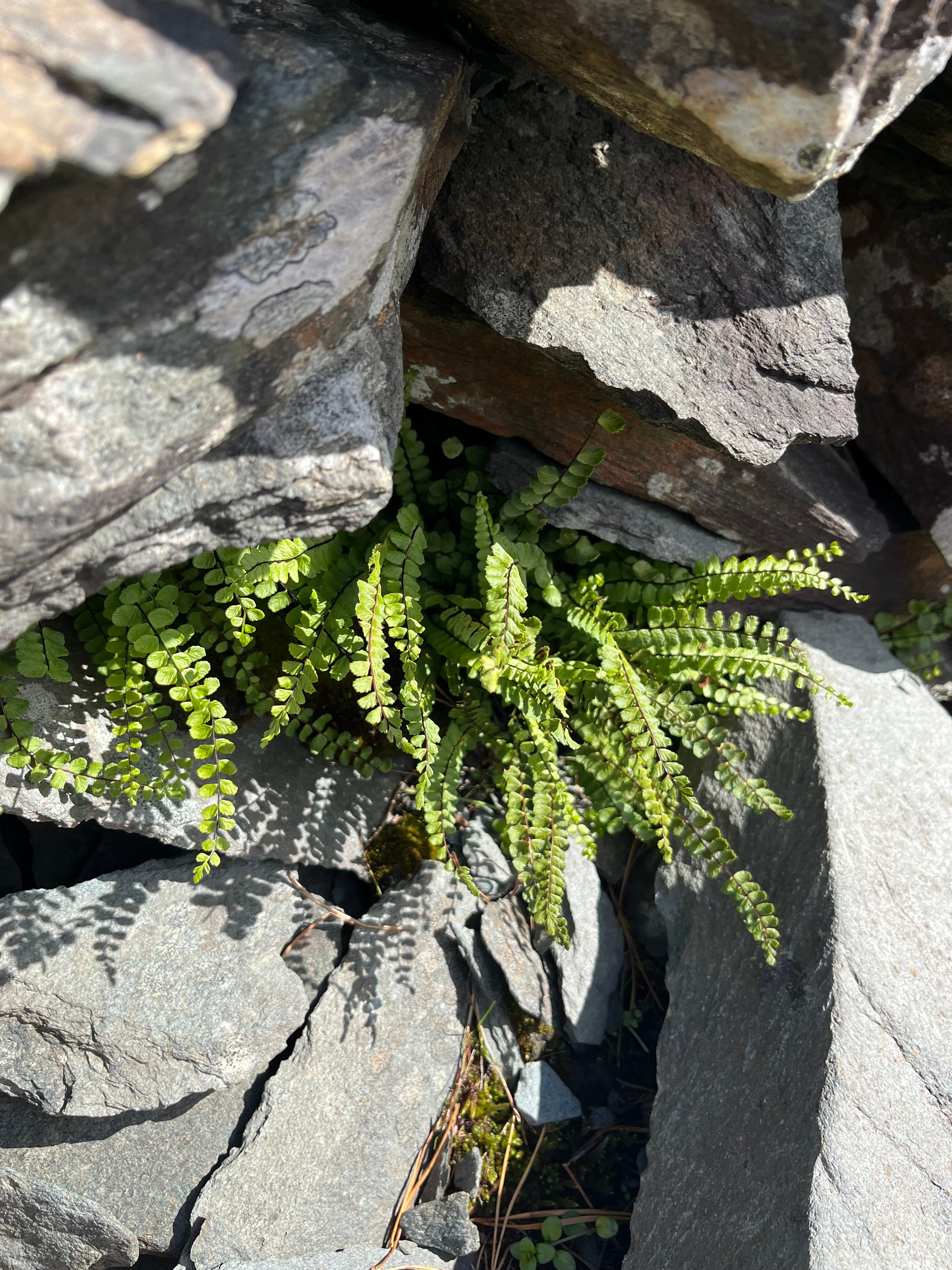
I’ve been brought face-to-face with this as I have wrestled with how to sign myself off for maternity leave. Why do I presume my mind and body will keep going as before, when all they are currently telling me to do is sleep, rest, nourish and nest?
There are very few moments in our modern, nature-separate lives in which we are stripped back, right back, to the essence of what matters, of what existence and life actually is—birth, caring for vulnerable loved ones, being ill or injured, death, accompanying someone as they die. In all of these moments, the lucidity of the world is unignorable.
It’s as if tunnel vision descends over us, placing the only things with any worth right in front of our eyes to the exclusion of everything else, which spins away into non-existence. It’s in these moments that our lives are humbled—our morality, dependencies and vulnerabilities become the lenses through which we breathe, through which we become painfully aware of our entanglement with others, aware of how much of ourselves is knitted into and held in these connections. We are suddenly vibrantly alert to these intangible threads that bind us together as we move through the world, aware these are the only threads that can never be severed, woven as they are in gold.
It’s within these precious moments that we learn, whether we intend to or not, how we are entwined with all other living things—no different, no better, no more capable—just as dependent, raw and vulnerable.
I find it ironic—the way we think our vulnerabilities lie in being harmed by nature, by those mosquitos and parasitoid wasps, how we conjure illusions of our separation from the natural world so we do not succumb to these risks. Yet, in reality, our greatest vulnerability lies in resisting this intrinsic entanglement—we are not part of nature because we can get stung by an insect; we are part of nature because we all have the same needs and vulnerabilities as each other. All living things need food, shelter, connection, safety, kindness and love—we are all the same.
Yet here I am fighting the intense and primal urge to disappear into the newborn bubble because what is my worth if I stop producing writing for other people? I’m realising that I am heading into another of these rare and precious phases that remind us of what we, deep down, already know but spend every day constructing to-do lists in an attempt to forget. I’m accepting that the pull to being exactly the same as every other mother of every other species is unavoidable—the dependency on others for support, the all-consuming nature of mothering.
There is simply no space for what we tell ourselves is ‘productive’, since this type of ‘productive’ is an illusion that crumbles whenever something real happens. In just the same way that plenty realised we were not, in fact, ‘key workers’ in the time of COVID lockdowns, despite the pedestal we placed our jobs on, we realise that real productivity lies in devoting all of our energy to what matters—living, the actual nitty-gritty of living with each other.
So much of this is trust. We must trust that we are all human, that we all know this deep down, that those who do not understand the need for times of pause and reflection do not understand what it means to be alive.
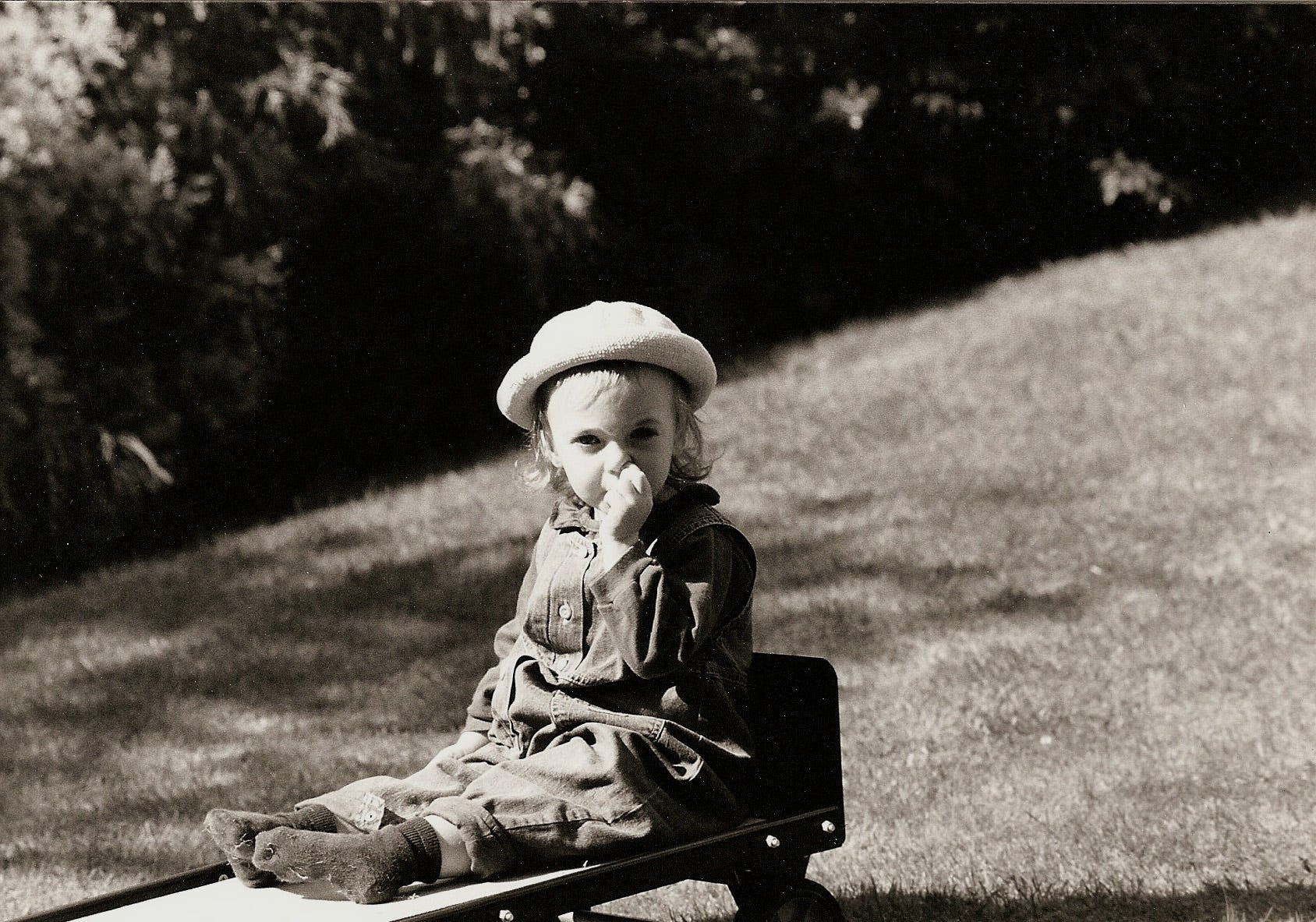
This cuts right to the heart of what writing this newsletter is all about for me, to the heart of what creating is. When we write, we write to share ideas, perspectives and stories, to make connections with others we will never meet, who we never even know read our words, to spark thoughts and feelings in strangers’ hearts and minds across the world. Yes, to exist within the capitalist system we have constructed, we must add ‘Upgrade to paid’ or ‘Buy Me A Coffee’ buttons to support ourselves. But this is not why we do it.
And when we remember this, we realise that this sharing of thought and stories across space does not have a timeline or a best-before date. If this work does indeed have value (not monetary value, actual value), then a pause does not matter. Things that matter do not dim when they are not fed. They hold their value because it is real and untouchable.
The tree outside our windows that we love to watch bloom each spring and breathe through summer breezes with the gentle swaying of lush branches does not lose value for us as it overwinters. It simply overwinters because it is necessary, and we understand this. We hold it just as dear when it is skeletal as when it is fully dressed.
So we must hold each other in patience, trust and mind when our lives necessitate a nesting phase, a brief hibernation away from the fast, nature-separate human world we have built to cover reality.
I will be back to my weekly Friday newsletters in the autumn. In the meantime, I have scheduled my monthly Nature Deep Dive articles for the next few months to keep you going.
If you find value in this newsletter each week, would you consider upgrading to paid or buying me a coffee? It allows me to keep writing.
Comments
Nothing yet. Say the first thing.
Sign in to join the conversation.