
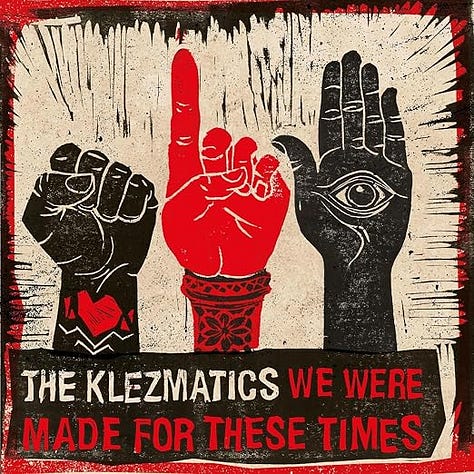
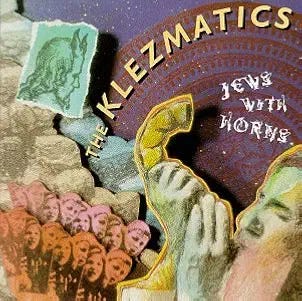
In its 40th year of performance and with a new album, We Were Made for These Times, celebrating freedom, tradition, resistance and solidarity, The Klezmatics dropped in at Chicago’s tony City Winery a couple weeks ago, and I went to see how the band has developed since emerging from NYC’s East Village-Knitting Factory scene at the time I lived there. Founding trumpeter Frank London was a neighbor, our kids crossed paths in Tompkins Square Park, and I wrote a lengthy profile of the band for RhythmMusic, a promising but ill-fated publication which has apparently disappeared from the public record. I cannot find an archive of the issues anywhere.
New proudly Jewish music was on the rise in the ‘80s and ‘90s, sparked by a revival that began in part thanks to Hankus Nevsky at New England Conservatory, mandolinist-turned-clarinetist Andy Statman, and Yiddish culture scholar Henry Sapoznik, but spread through attentions to religious heritage picked up by such diverse artists as Steve Reich, John Zorn and David Krakauer. The Klezmatics,
established in ‘87, reveled in an edgy, sardonic yet also honestly loving take on the polyglot music that had been in the air of the Lower East Side from the turn of the last century through the Depression, updating while staying true to traditions, creating new blends. They’ve remained a hardworking unit over the decades, with limited personnel changes: besides London and co-founder-leader singer-accordionist-pianist Lorin Sklamberg, reedist Matt Darriau (he blows a fierce kaval), drummer Richie Barshay and Paul Morrisett on bass and cymbalom are longtime members; Lisa Gutkin, in the group only since 2002, is a commanding violinist, soaring in the front line.
They innovate in bridging of Eastern European/Ashkenazi and Spanish/North African/Sephardic folk melodies and dances, often aced at amazing fast tempos but also they flaunte keening ballads. As progressive and edge-loving composer-performers, not hide-bound purists, they arrange each tune meticulously, contrasting tightly twined group parts and exploratory solos, Sklamberg’s ecstatic vocals (and on the album Janis Siegel, late of Manhattan Transfer; the Lavender Light Gospel Choir; the women of La Manga), Louis Armstrong-inspired breaks and Brecht-and-Weill theatrics, complicated Balkan rhythms and the ache of the globally recognizably blues.
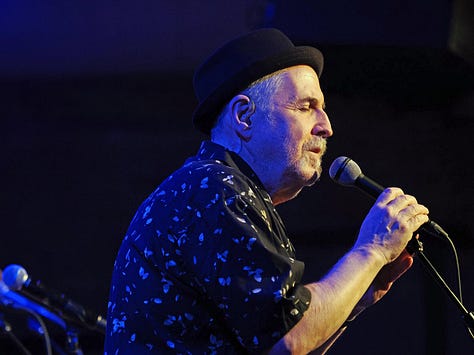
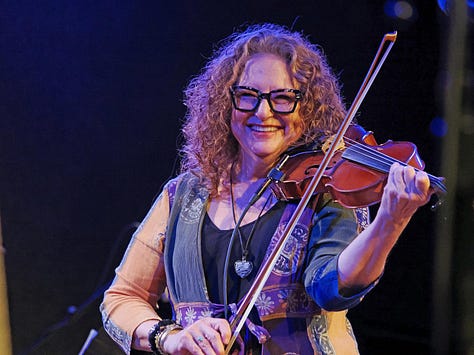
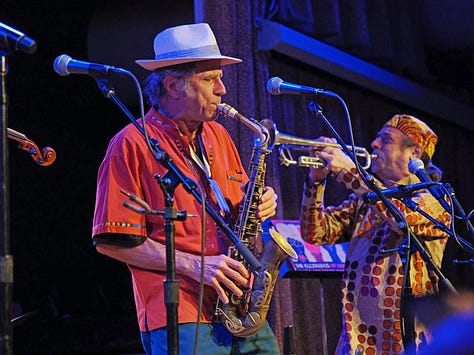
Much of their repertoire is explicitly political. Although London readily announces onstage the Klezmatics are radical anarchists, they’re not bluntly condemning the outrages of the current American government, but devoutly secular and humanistic, all-inclusive, empathetic with the displaced and marginalized, pro-immigrant, women and men together, and workers rights. Their show I saw touched on sorrows, sympathies and triumphs, with individual excellence and communitarian spirit powering it all.
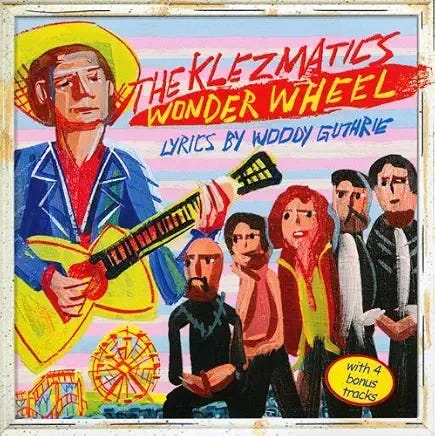
We Were Made for These Times includes tracks featuring a gospel choir singing a song by LGBTQIA+ icon Holly Near, a Gaza-related “Elegy for the Innocents” with guest tenor saxophonist James Brandon Lewis, and Sofia Rei translating into Spanish the words of Woody Guthrie about the plight of deportees. One of my favorite Klezmatics projects is Wonder Wheel, their 2006 Grammy winning realization of works Guthrie wrote while living with his Jewish family in Brooklyn, but never previously recorded. Irish-American “Celtic Priestess” Susan McKeon is the prominent vocalist on that one.
The Klezmatic’s collaborative reach, fearless confrontation of tough topics, and ultimate musicality sets them on a high plane of socially conscious music. I’m put in mind of the Charlie Haden-Carla Bley Liberation Music Orchestra, of the Last Poets’ Transcending Toxic Times with Jamaaladeen Tacuma, and of Amir ElSaffar’s adaptation of Iraqi makam and jazz idiomatics into cross-cultural glories, for instance on Crisis.
And regarding the issues so pressing on Jews today given the abomination of Netanyahu’s Middle East warfare and frightening reassertion of anti-Semitic sentiments in the West, the Klezmatics seem to take positions akin to those of the Bund, the revolutionary, anti-Zionist and socialist labor movement of significant influence in the 19th and early 20th centuries, getting attention now through Molly Crabapple’s deeply researched book Here Where We Live Is Our Country. The relevant message is: We live in the here-and-now, and embrace the age-old imperative of Tikkun Olam, “to heal the world.” The Klezmatics are playing Krakow, Poland on July 3 but back in the States at Yidstock Fest in Amherst, MA on July 12, and with Joshua' Nelson - Kosher Gospel at the JetLAG Fest in West Fort Ann, NY on Aug 14.
No posts
Comments
Nothing yet. Say the first thing.
Sign in to join the conversation.