
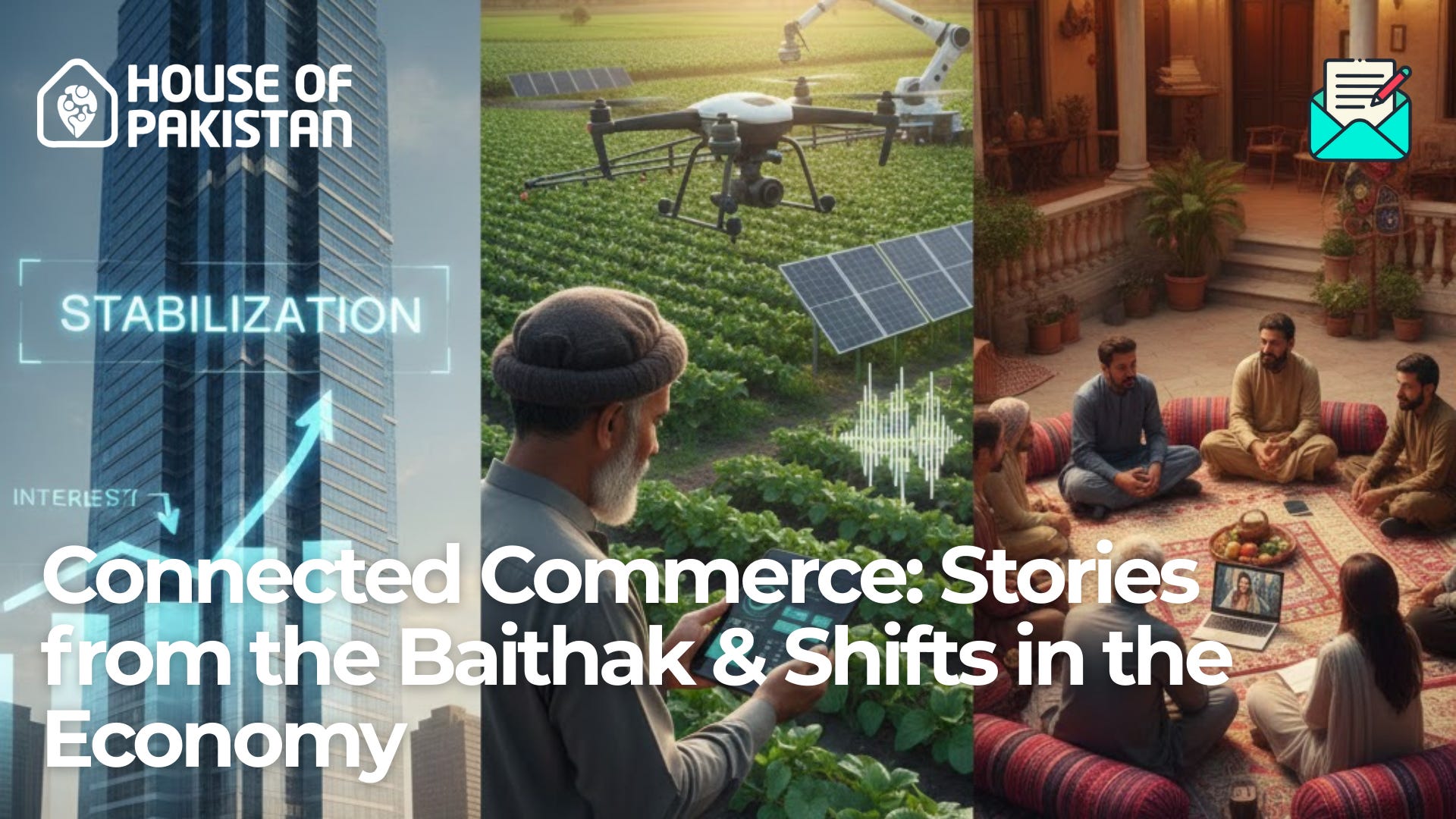
The first month of 2026 has seen a continuation of the “stabilization phase,” characterized by cautious monetary easing and a decelerating inflation trend.
Policy Rate: In its first meeting of 2026 (January 26), the State Bank of Pakistan (SBP) kept the policy rate unchanged at 10.5%. This follows the 50 bps cut in December 2025. The SBP cited a desire to ensure inflation stays within the 5–7% target range despite potential base-effect pressures in the second half of FY26.
Inflation (CPI): * December 2025: Dropped to 5.6% YoY (down from 6.1% in November).
January 2026 (Projection): The Ministry of Finance expects inflation to settle between 5% and 6%.
Foreign Exchange Reserves: SBP’s liquid FX reserves have shown significant recovery, reaching $16.1 billion (as of the week ended Jan 23, 2026). Total liquid reserves (including commercial banks) stand at approximately $21.3 billion.
Following the receipt of ~$1.2 billion in December 2025, the focus has shifted toward meeting structural benchmarks and addressing deep-seated governance issues.
Growth Outlook: The IMF recently revised Pakistan’s GDP growth forecast for FY26 to 3.2% (down slightly from 3.6%), while the SBP remains more optimistic, projecting growth between 3.75% and 4.75%.
Governance Diagnostic: Per the IMF’s requirements, the government is working on an action plan to address vulnerabilities identified in the Corruption Diagnostic. This includes digitizing tax administration and improving the transparency of State-Owned Enterprises (SOEs).
Social Protection: Despite IMF-mandated fiscal tightening, the government has committed to expanding the Benazir Income Support Programme (BISP) to 10.2 million families by the end of FY26, increasing the monthly Kafaalat benefit to Rs. 14,500.
Agriculture has been elevated to a “priority sector” under CPEC Phase-II, with a major push toward modernization and indigenous technology.
Investment Milestone: The Pakistan–China Agriculture Investment Conference (January 2026) resulted in 78 MoUs valued at $4.5 billion.
Priority Sub-sectors: Investment is being funneled into:
Agri-Genomics: Operationalizing the NIGAB/Blazon Diagnostics venture for indigenous sequencing.
Mechanization: Technology transfer for smart irrigation and precision farming.
Exports: New protocols for meat (heat-treated beef), dairy (cheese production), and fisheries.
Infrastructure: The Punjab Resilient and Inclusive Agriculture Transformation (PRIAT) project ($68.67bn PKR) is actively deploying water-efficient technologies (drip/sprinkler) across the province.
Since the 2022 ratification, 2025/2026 marks the transition from policy drafting to data-driven implementation.
Data Revolution: In late 2025, Beaconhouse National University (funded by the UNESCO IFCD) completed the first cross-provincial dataset on Cultural and Creative Industries (CCIs). This provides a baseline for the economic contribution of sectors like gaming, music, and textiles.
Digital Transformation: UNESCO has launched a new two-year project (2025–2027) titled “CCIs and Digital Transformation in Pakistan,” aimed at closing the digital gap for emerging creators and filmmakers.
Regional Hubs: Awareness workshops held in Hunza, Lahore, and Karachi have begun integrating local creative clusters into the global IFCD funding framework.
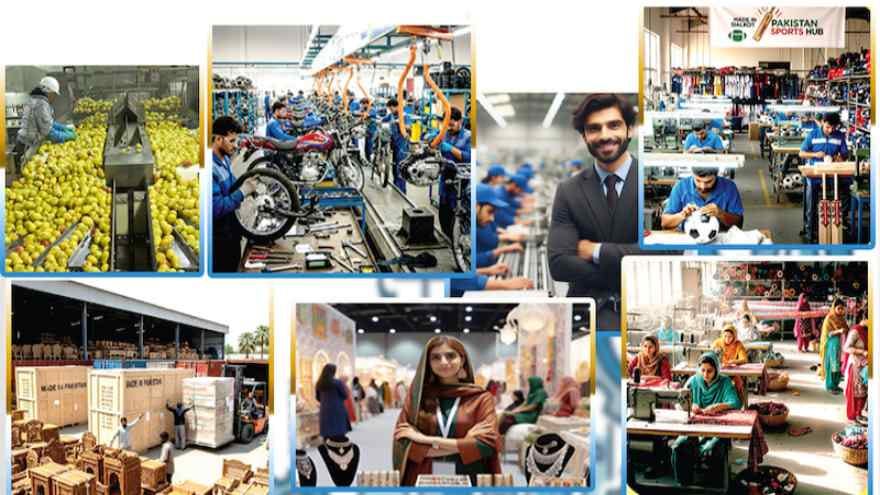
SMEDA’s “Made in Pakistan: SME Cluster Showcase Expo 2026” in Expo Centre Lahore brought Pakistan’s cluster-based SMEs into a single, structured marketplace, moving beyond “stall visibility” toward deal-making. Organized by SMEDA under the Ministry of Industries and Production, the three-day expo (Jan 24–26) was designed as a multi-year national platform where regional SME clusters could be showcased and connected directly to corporate buyers, investors, financial institutions, policymakers, and development partners.
What made it “actionable” was the format: cluster-focused product showcases supported by business matchmaking and policy dialogue, plus panel discussions on SME support mechanisms, access to finance, and export readiness, so participating businesses aren’t just seen; they’re guided toward becoming investment-ready and export-ready.
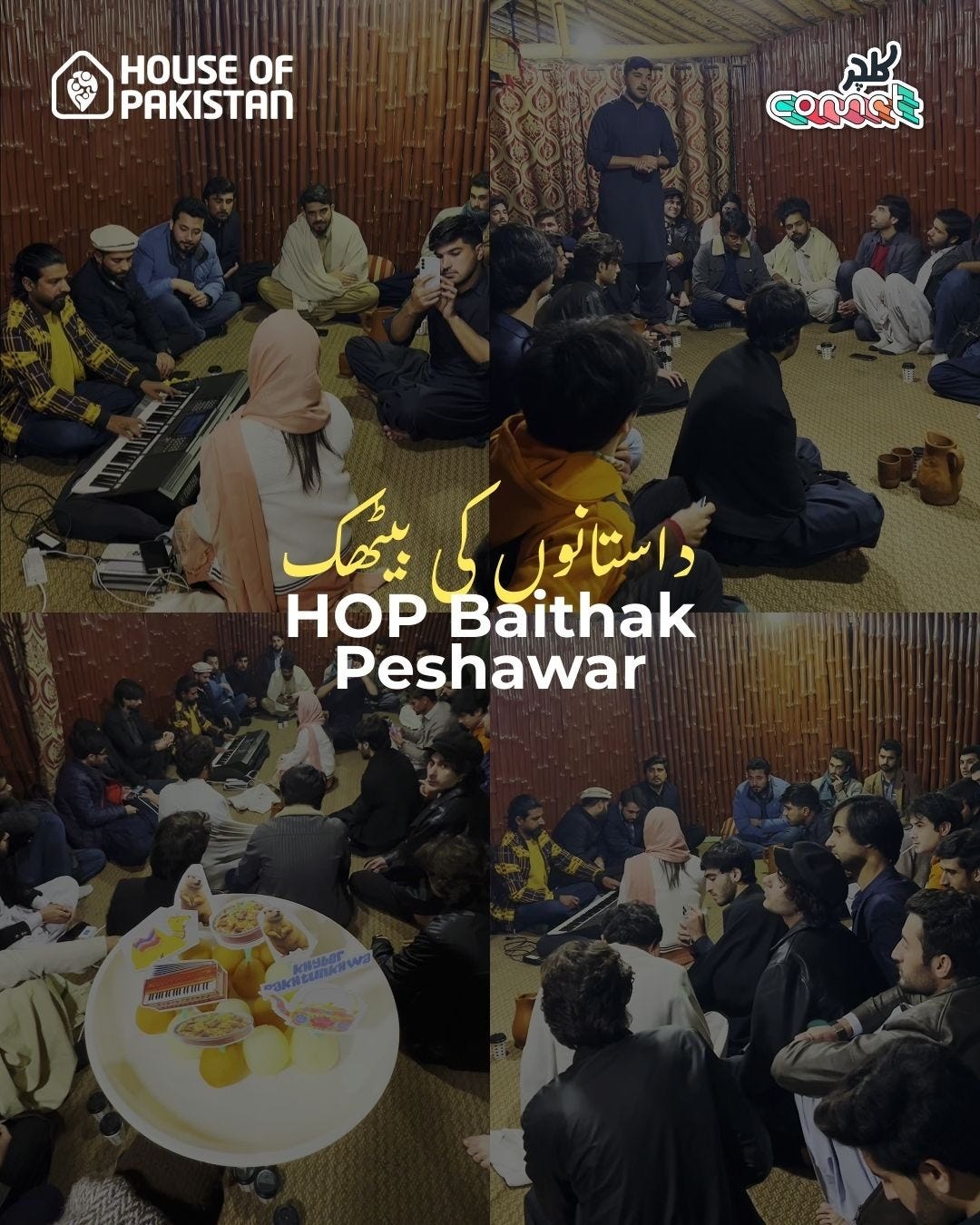
This month, HouseOfPakistan is piloting HOP Baithak (KultureConnect#), a curated community gathering in Peshawar designed to revive Pakistan’s traditional baithak culture in a modern, structured format.
HOP KultureConnect# is envisioned as a storytelling and knowledge sharing circle that brings together local entrepreneurs, creatives, cultural practitioners, and community leaders to exchange lived experiences, business insights, and cultural narratives. The initiative aims to build a living archive of local stories and micro economic realities, while strengthening community bonds and peer learning.
The upcoming Baithak session will feature a moderated storytelling format, guided by music, melody, and discussions on culture, and community building, and curated participation from creatives and SME ecosystem stakeholders. The goal is to create high trust, low barrier spaces where local voices are documented, amplified, and connected to broader digital and economic platforms under the House of Pakistan.
This pilot will inform future HOP community formats, including regional storytelling circles, knowledge exchanges, and cultural documentation initiatives across Pakistan.
This month on HouseOfPakistan, the big theme is “less scrolling, more discovery.” The platform’s Discovery Search guide breaks down how to use the Where + What fields, city/area pages, and filters so people can find the right experience faster (even if they don’t know the perfect keywords).
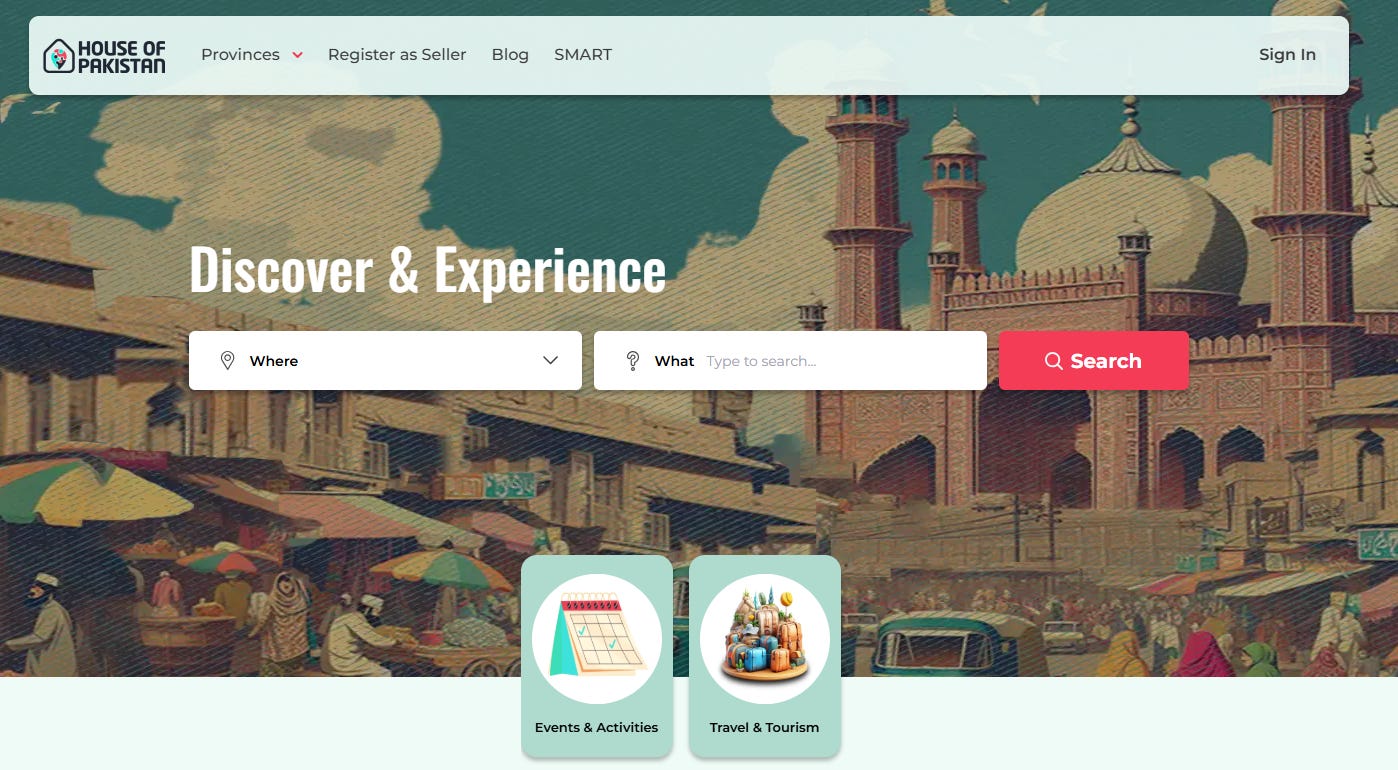
On the travel side, the Travel & Tourism directory is built for real trip planning: users can browse across tours, stays, transport, and travel services, then narrow down using filters like Stay Type, Destination, and Vibe & Aesthetic (so planning starts with the vibe, not just the price). If you’re highlighting winter travel, listings and curated picks across destinations like Skardu are already structured in a way that’s newsletter-friendly (quick scan → click → book).
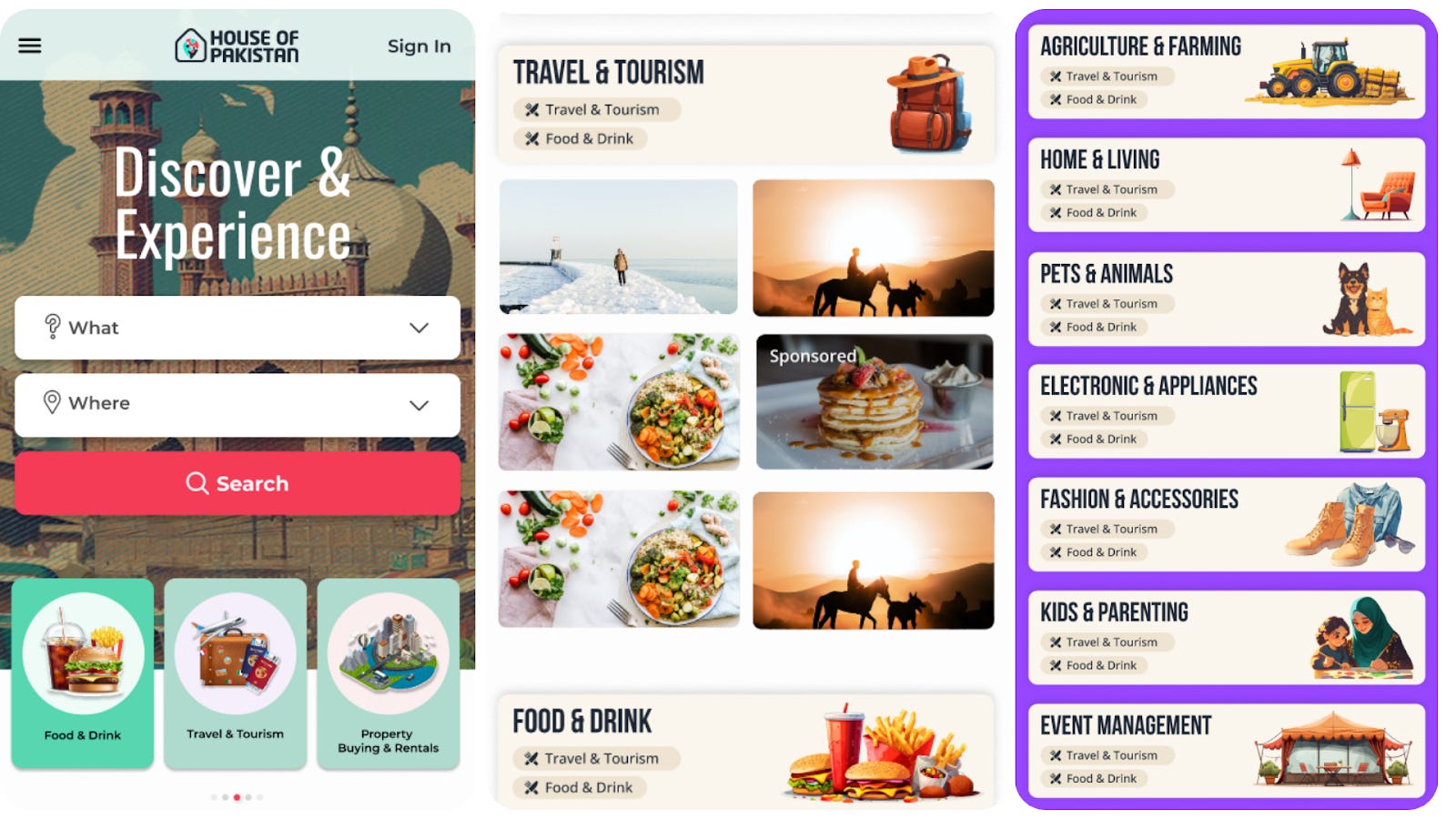
For curated planning pages, HouseOfPakistan also has dedicated hubs for Group Tours and Honeymoon packages, useful as “jump-in points” for readers who want a clean starting path instead of a generic search.
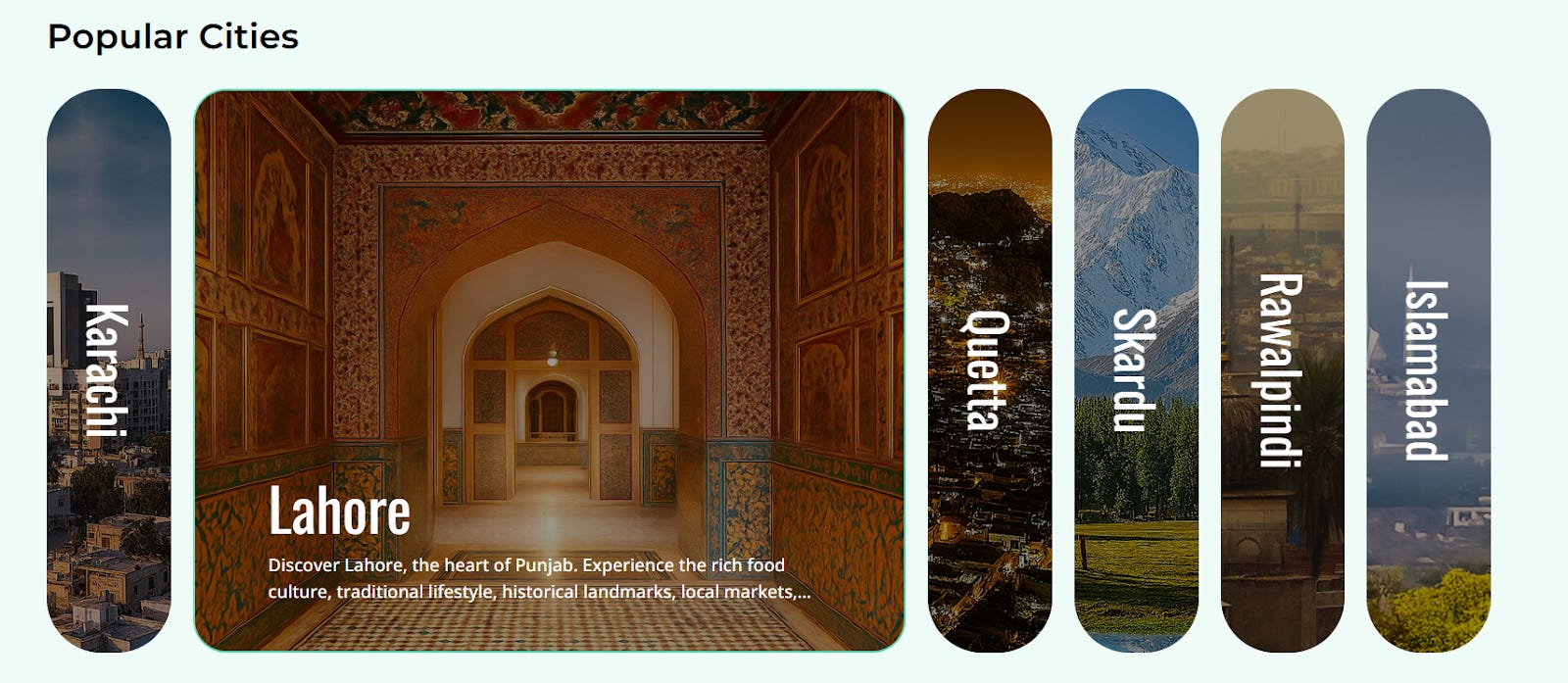
This month, House of Pakistan is expanding its city map with dedicated city hubs for Islamabad, Rawalpindi, Karachi, Lahore, Peshawar, Murree, Skardu and Quetta, so readers can browse one city at a time with “things to do,” places, and FAQs in one flow.
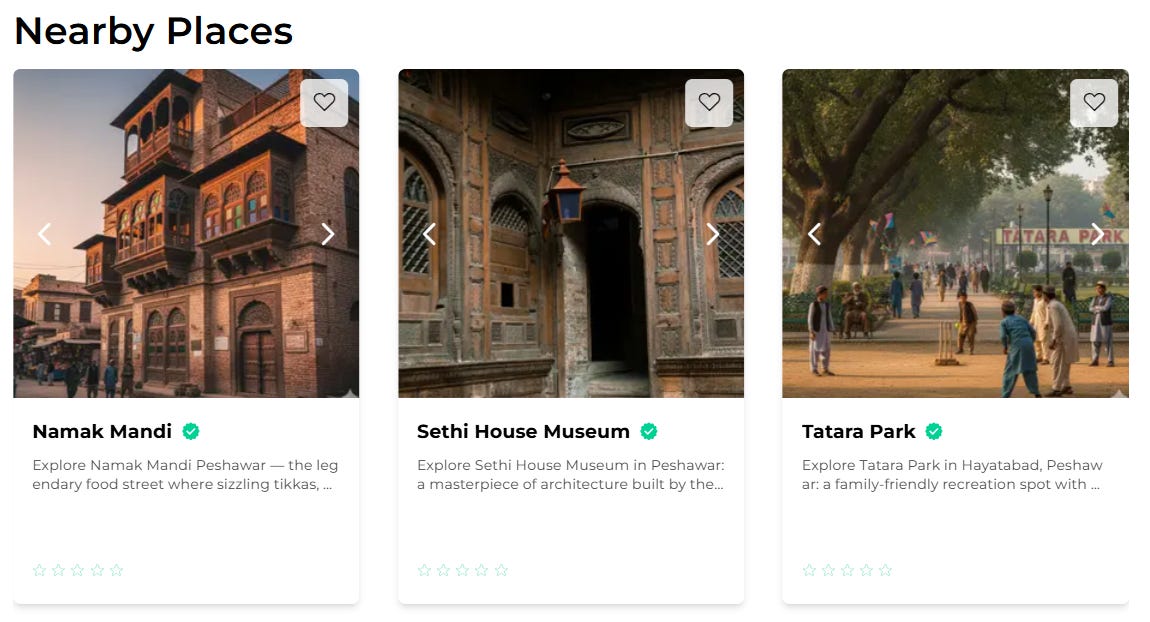
On the travel side, the destination pages are getting more “bite-sized” and trip-planning friendly with attraction overviews like Deosai Plains, Basho Valley, and Sadpara, plus neighborhood “places” pages like Clifton for quick local exploring.
February is a high-activity month for industrial networking at the Islamabad and Karachi Expo Centres.
Manufacturer’s Expo (Jan 31 – Feb 3): Wrapping up in early February, focusing on SME manufacturing and local supply chains.
Safe Secure Pakistan (Feb 10 – 12): Venue: Pak-China Friendship Centre, Islamabad. Dedicated to fire safety, occupational health, and security tech.
POGEE 2026 (Feb 10 – 12): Venue: Islamabad. The premier event for the Energy, Oil, Gas, and Electricity sectors.
Dairy Asia Expo (Feb 13 – 15): A critical event for the agriculture sector, focusing on livestock technology and dairy processing.
Lahore International Book Fair (Feb 4 – 8): Key for the creative economy and publishing industry.
Strategic Compliance Reminder
IFRS 17 “Month Two”: After the Jan 1 go-live, insurance firms should finalize their first full month of comparative reporting under the new standard this February.
Digital Onboarding: Per SECP Circular 02 of 2026, February is the target for Asset Management Companies to streamline their account opening frameworks for digital investors.
Expect reduced banking hours or complete closures on these dates, which may impact payment clearances.
Feb 5, 2026 (Thursday): Kashmir Day. National public holiday; all banks and government offices closed.
Feb 18, 2026 (Wednesday): 1st Ramazan (Tentative). Bank holiday for Zakat deduction. Banks remain closed for public dealing but open for internal staff.
Feb 16, 2026 (Monday): Shiv Ratri. Optional holiday (relevant for HR planning in diverse workforces).
HouseOfPakistan is a digital platform that supports small businesses and creative entrepreneurs across Pakistan. Through HOP SMART, we provide resources, training, and online tools to help local businesses grow, stay resilient, and combine traditional commerce with innovative technologies.
Comments
Nothing yet. Say the first thing.
Sign in to join the conversation.