
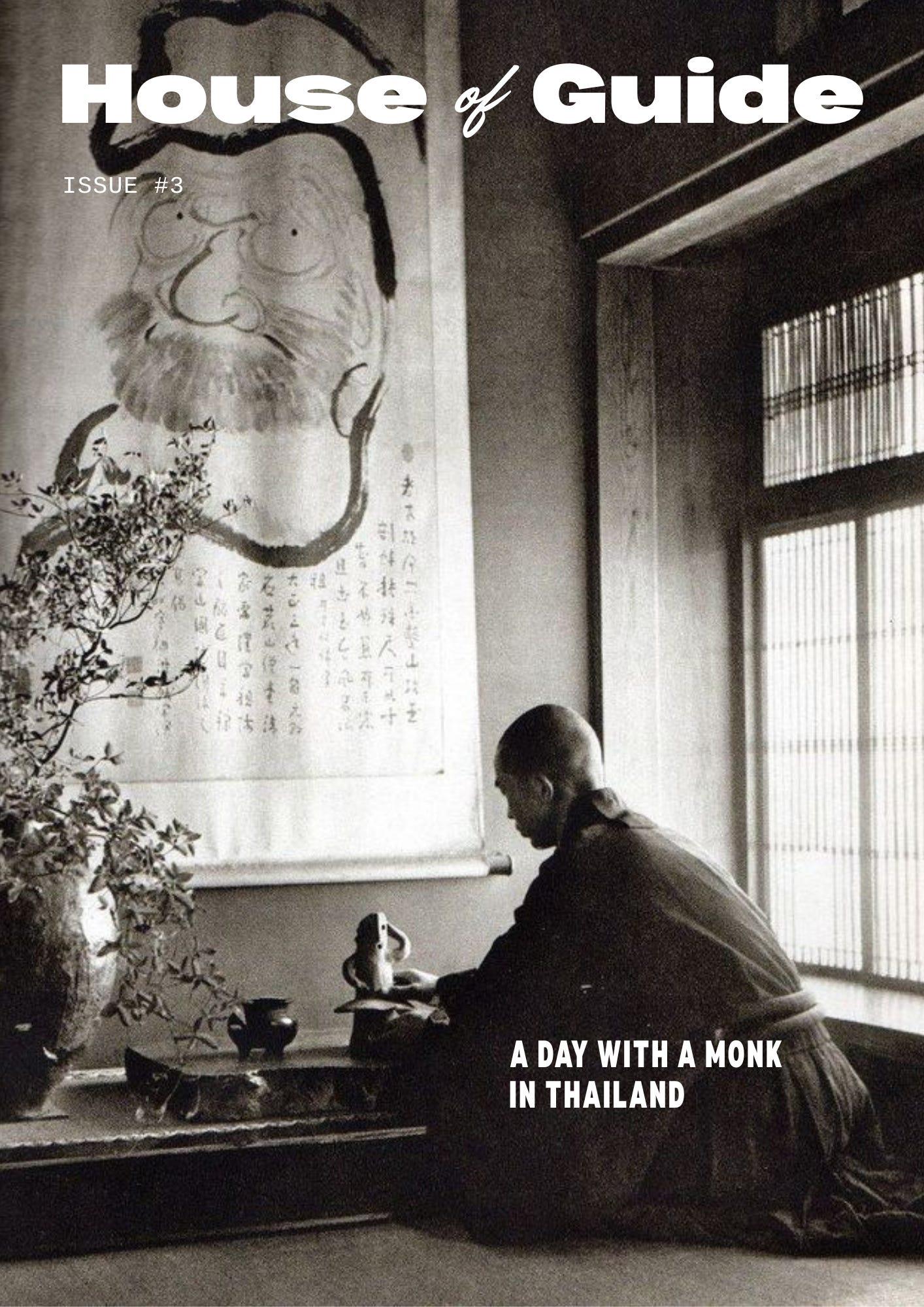
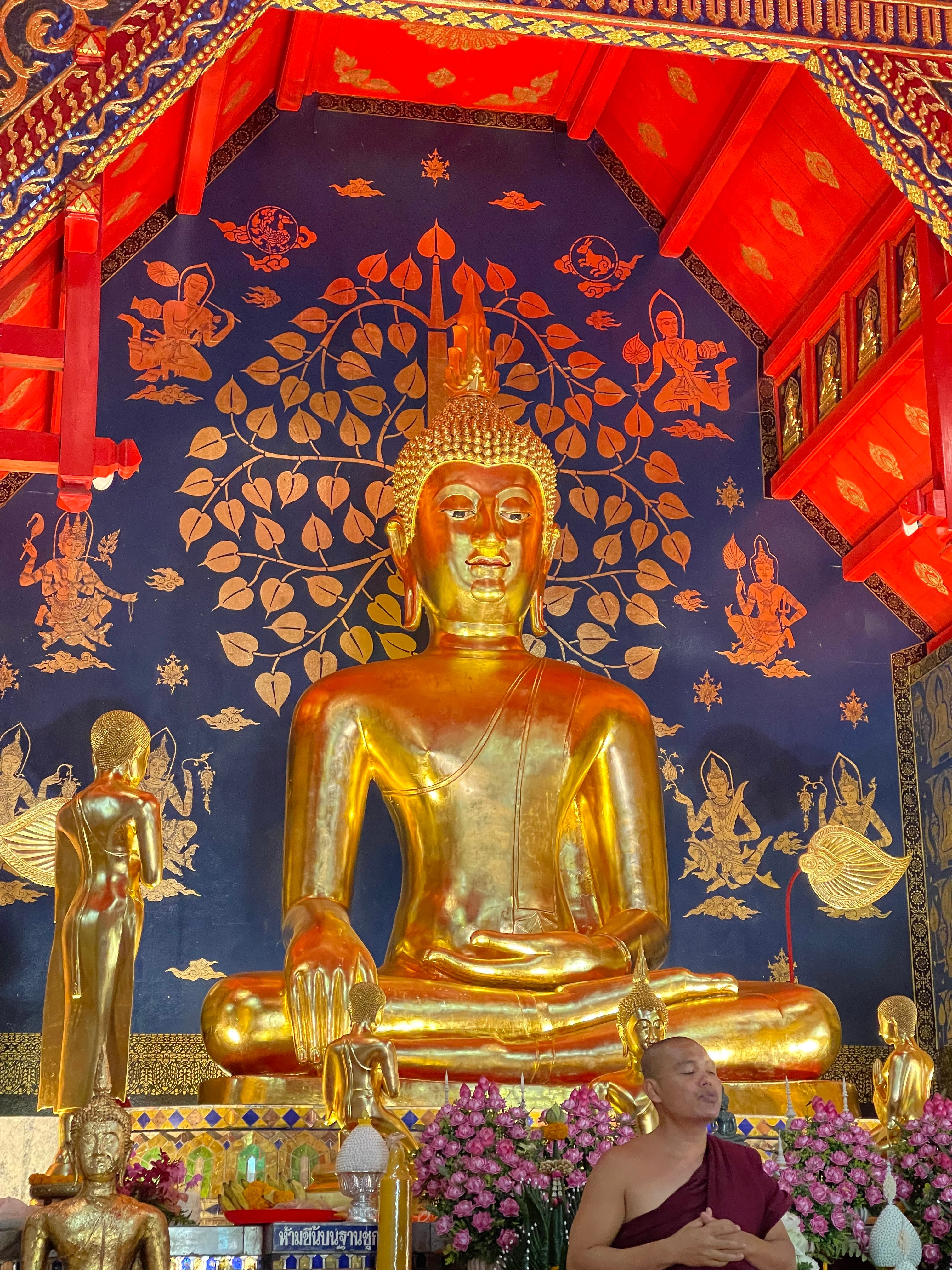
December 2022, I had already been living in Chiang Mai for a few months when I decided to spend a day with a monk. Used to meditating, I wanted to go further. What started as curiosity turned into a powerful lesson on life, suffering, and happiness. Let’s dive in.
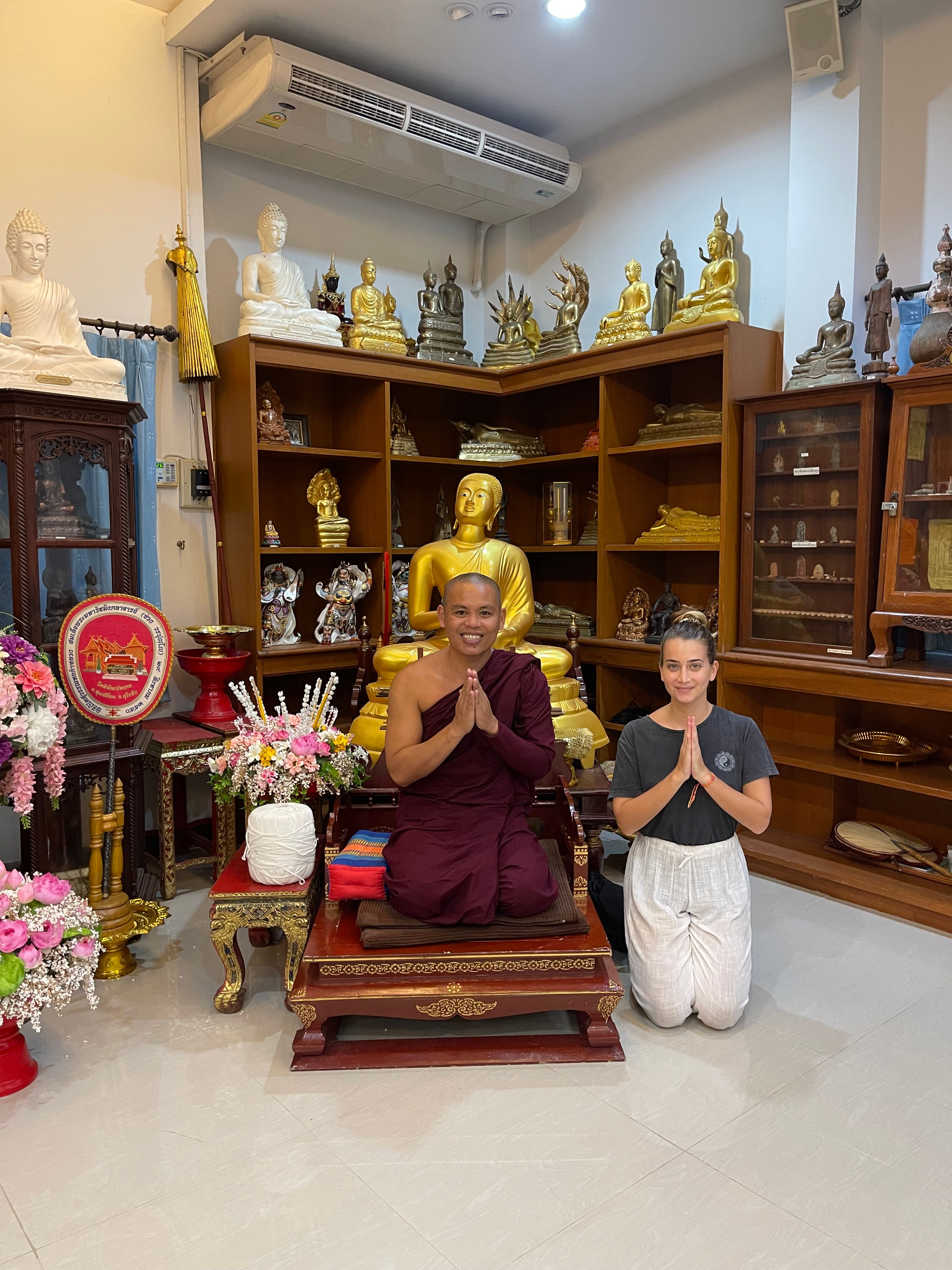
First of all- Buddhism is not a religion; it’s a philosophy, a way of mind.
Siddhartha Gautama, later known as the Buddha, founded Buddhism over 2,600 years ago in India. He sought to help others end suffering (Dukkha) through the Eightfold Path, aiming for personal liberation (Nirvana) while emphasizing compassion and wisdom to improve individual lives and society.
What leads to suffering: greed, hangover, delusion, ego. Stay away from it.
What leads to happiness: simple life, renonciation of the superflue (that’s why the monk have shaved head or the same cloth color everyday). Happiness isn’t about adding more; it’s about wanting less.
What leads to inner peace: everything is temporary: life, feelings, even challenges. Understanding life’s impermanence and letting go of attachments will bring you peace.
PS: What goes around, comes around: Karma isn’t just a saying; it’s a reminder to act with love and wisdom.
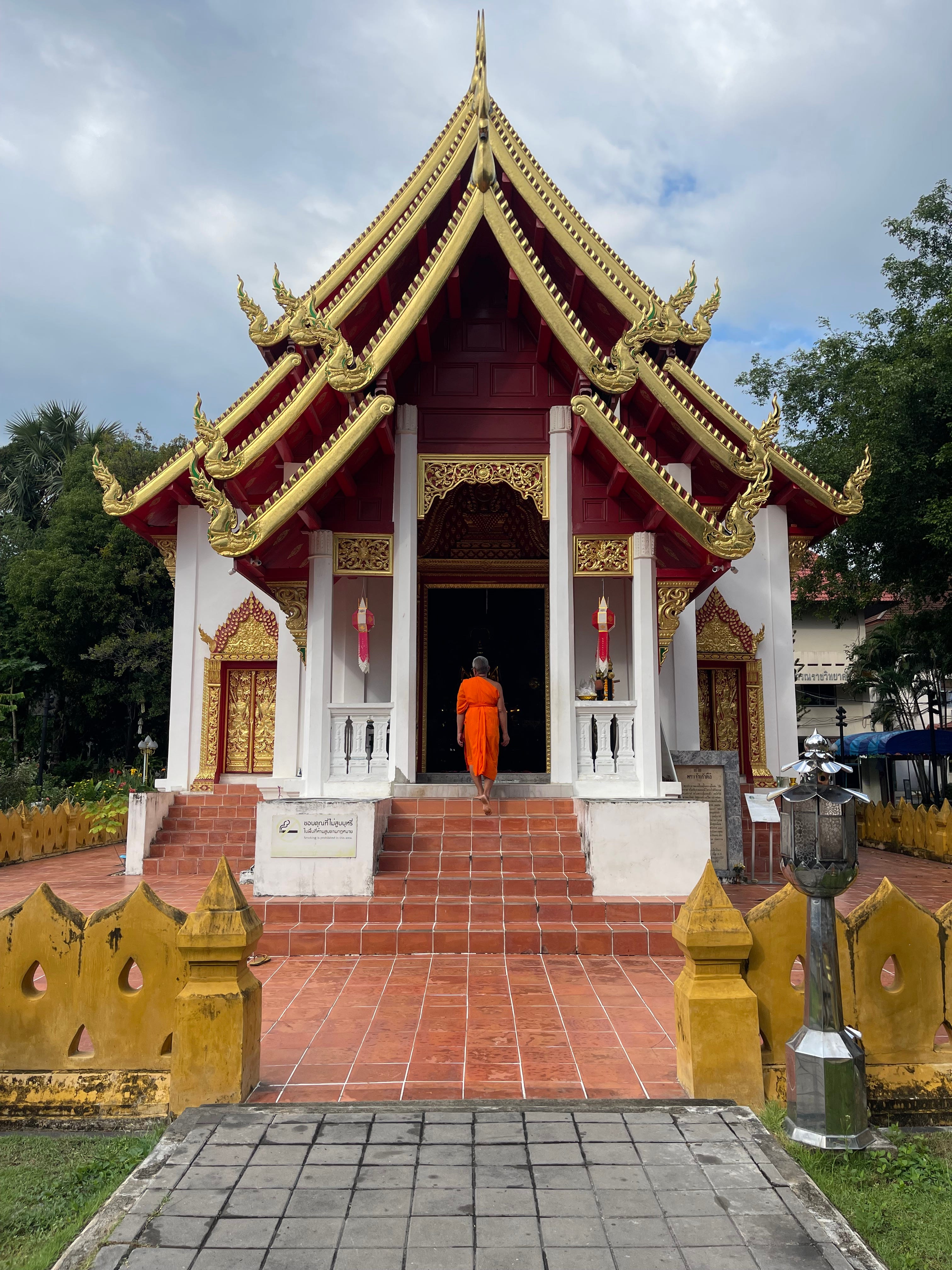
At the heart of Buddhist philosophy are the Four Noble Truths.
The truth of suffering: Physical and mental suffering are inevitable. Everything is temporary, unpermanent. The past is already done and the future is unknown. Don’t resist, accept it and move on.
Example: Losing a loved one is universal. Instead of asking, “Why me?” ask, “Why not?”
The truth of the cause of suffering: Our minds dwell on problems, amplifying them. The more we let go, the less we suffer.
The truth of the end of suffering: Peace comes when we train ourselves to let go of attachments and expectations.
The truth of the path that leads to the end of suffering: Balance is key. It’s not about extremes but walking the middle way—practicing kindness, discipline, and mindfulness. In today’s world, we are used to protect our body with sports, but not our mind with meditation.
Buddhism’s Middle Path emphasizes harmony in all aspects of life.
Moral Training: Do good to me and to others. Speak kindly, act with integrity. Think right, speak right, and act right towards yourself and others.
Wisdom Training: Understand the nature of life and think clearly. Avoid extremes—whether in indulgence or deprivation.
Mental Training: Train your ‘monkey mind’ with mediation, calming restless thoughts and focusing on the present. Change yourself to change your life.
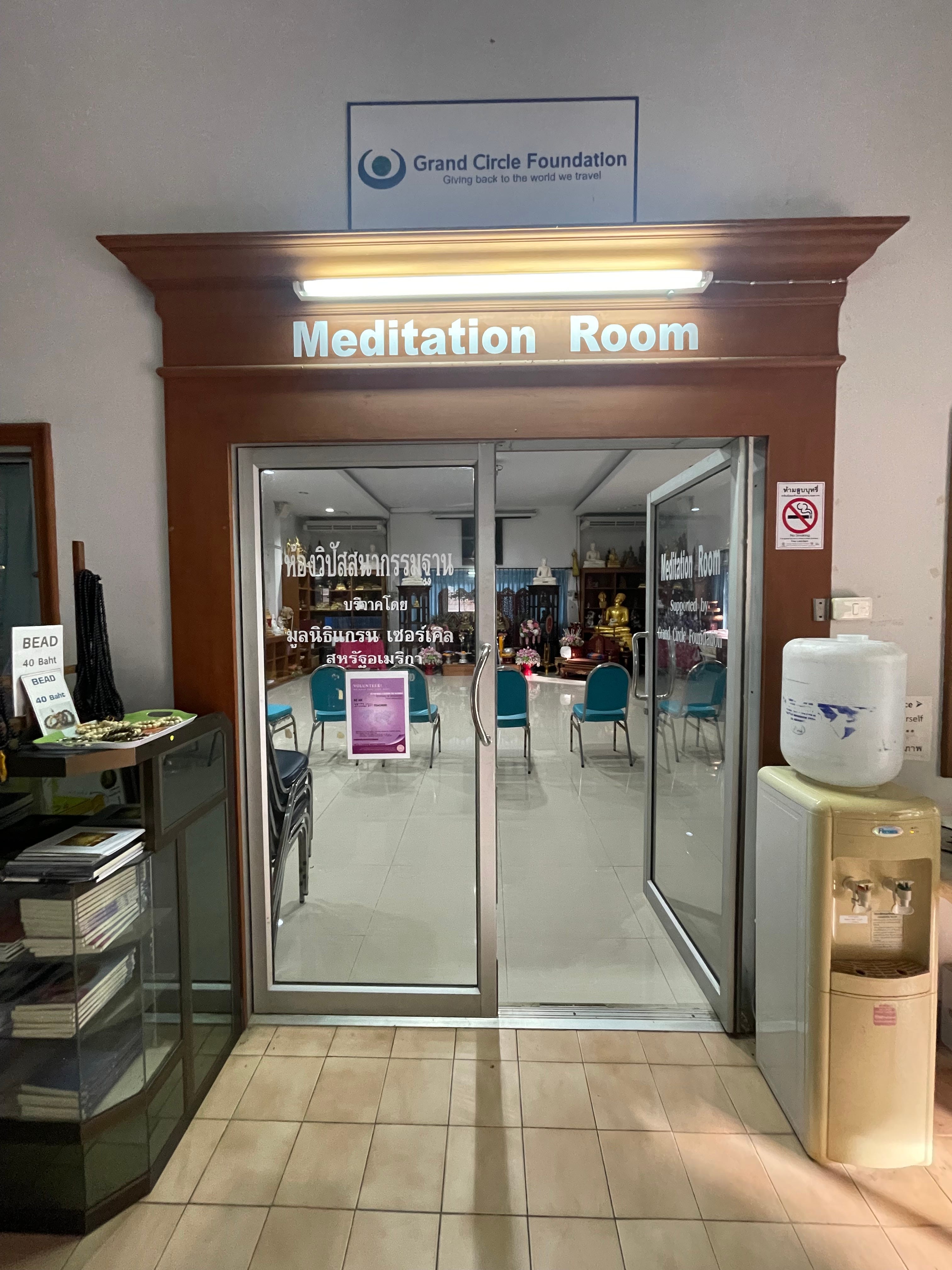
Meditation is not about controlling the mind, but to understand it. By training your ‘monkey mind’ you will purify it.
Concentration Meditation (Samatha):
Focus on your breath, a mantra, or the rise and fall of your abdomen.
Practice walking meditation or use a mala for counting beads.
Mindfulness Meditation (Vipassana):
Observe thoughts without judgment, returning to your focus object. It’s ok to think to much, let it pass by and go back.
Accept impermanence: everything changes; nothing truly belongs to “self.”
If you want to go further: Monk Training
45 days silent meditation
15-19 hours of silence, 5-6 hours of mediation
less desire → less attachment → less anger → happier
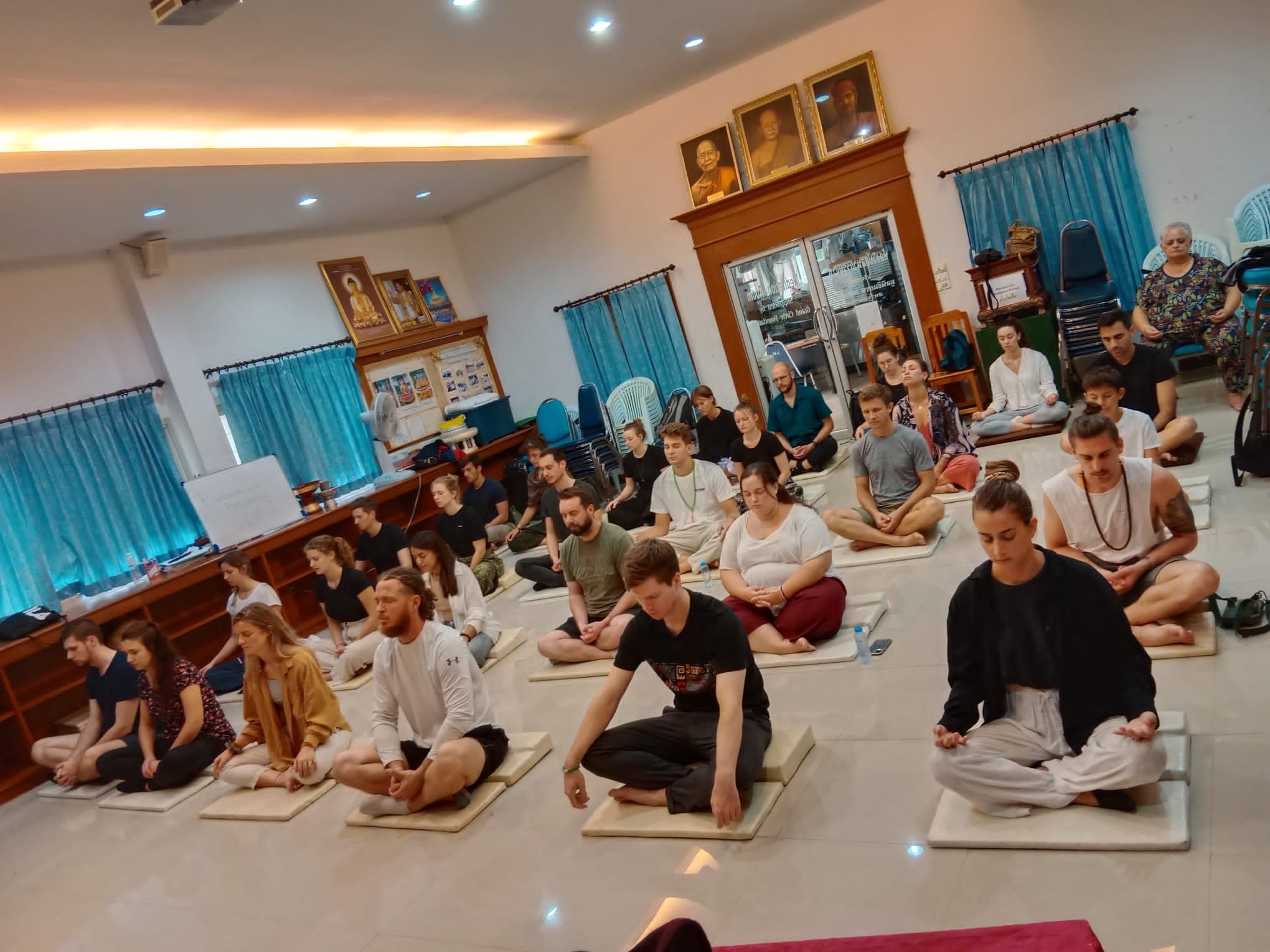
Eat slowly for the nourishment of the body
Eat intentionally: “Eat to live, don’t live to eat.”
Sleep early, wake up early: Less stress, more clarity.
Monks are waking up at 4:30am
Don’t dwell, learn to detach form it. Avoid screens 30 minutes before bed and after waking up.
Be mindful with your phone: lower brightness, avoid overuse, and don’t charge it while using.
Call on the left side, don’t put it in your jean pocket.
Never compare yourself to others.
Be happy with who you are and what you have. Be proud of you.
Like the “black bird” that flies free while others are caged, freedom is more valuable than external beauty.
Don’t underestimate the power of minimalism
The monk’s simple life—shaved head, one set of robes, and few possessions—is a reflection of minimalism in practice.
His mantra: Less desire = Less attachment = Less anger = More happiness.
‘Live with happiness, die in peace.’
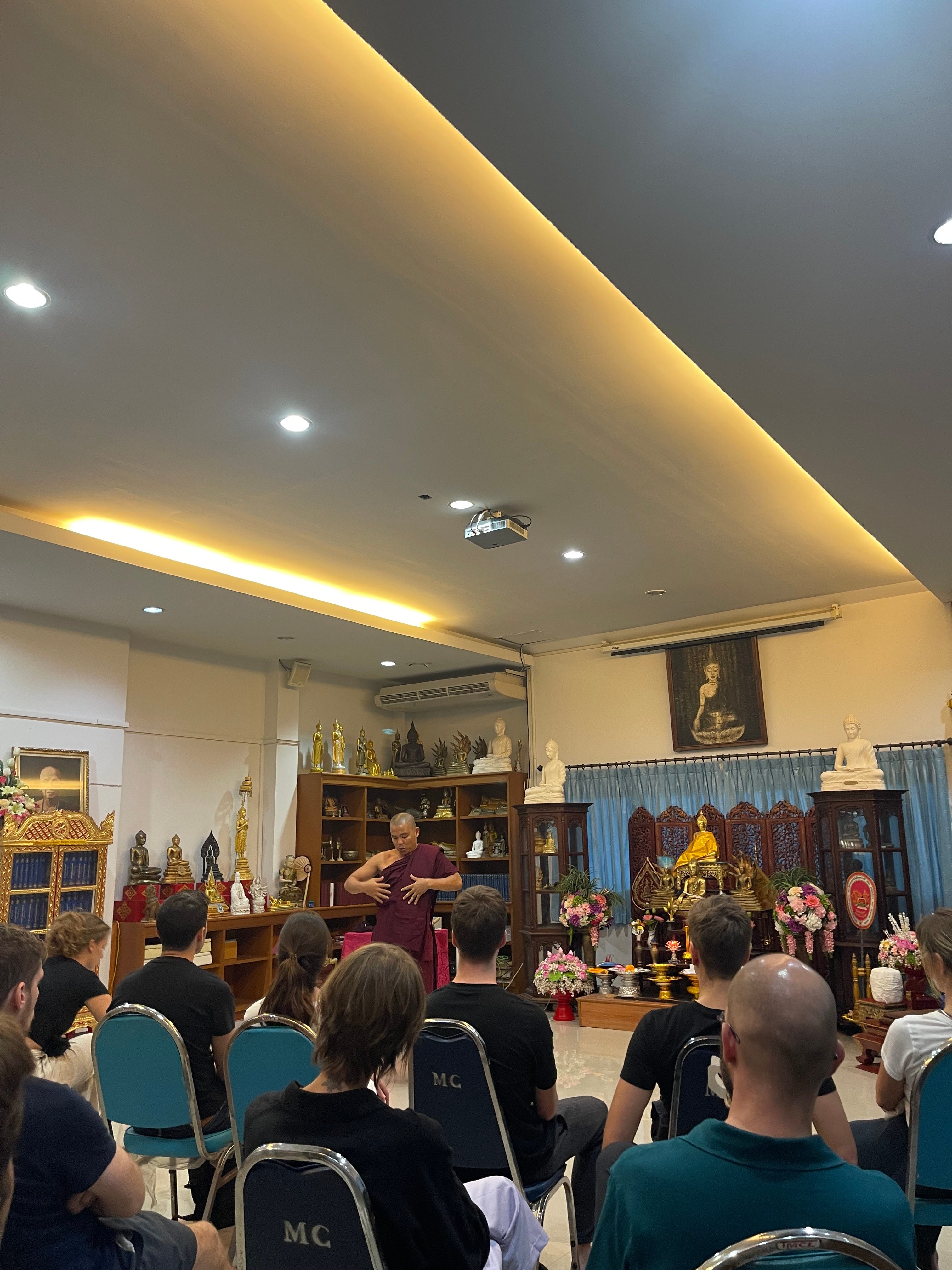
Temple Attire: Monks wear full-body coverings when outside a temple, with a half-shoulder robe when inside.
Monastic Uniforms: Each temple’s leader monk chooses a single color for the monks to create unity in appearance. Thai monks are categorized into forest monks (dark robes) and city monks (bright colors like orange and red).
Rules:
Women have 311 rules to follow, while men have 227.
The first female temple, Tamak Bekuni, exists, but female monks are not allowed in Thailand, though they are accepted in other countries.
Female nuns follow only 8 rules.
Daily Routine:
4 AM: Wake up, mantras, meditate, clean the temple.
7-8am: Collect food + breakfast
Evening: mantras, meditation, temple cleaning. Study and homework.
No food at night / Early sleep.
Food: Monks are not vegetarians due to the tradition of collecting food, though chicken is not allowed.
Days Off: Based on the moon, it can be any day of the week.
Monk Responsibilities: Senior monks perform funeral ceremonies and teach others.
Breaking the Rules: Serious offenses like killing, stealing, lying, engaging in sex, or using drugs result in losing the monkhood.
There are specific rules such as not standing while urinating or being naked.
Monks cannot travel for leisure, only for teaching purposes. They can visit their parents with permission.
Code of Conduct: Monks are not allowed to judge others.
They accept all religions.
Monks can be born Buddhists or practitioners.
Desires: Desires are part of success but cause suffering if not managed. The key is to be aware and not dwell on them.
Core Values: Love, kindness, compassion, and the balance of ying and yang.
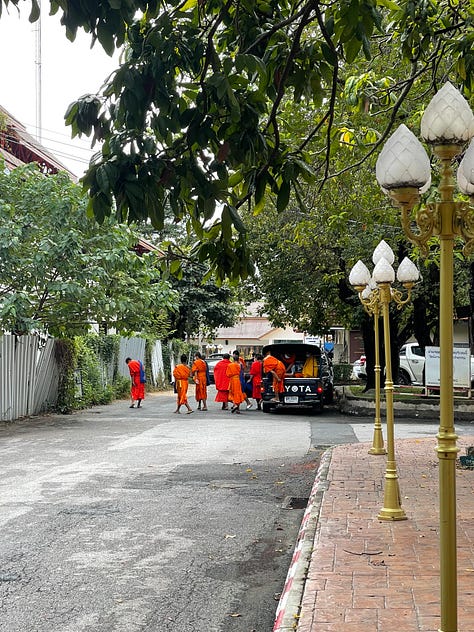
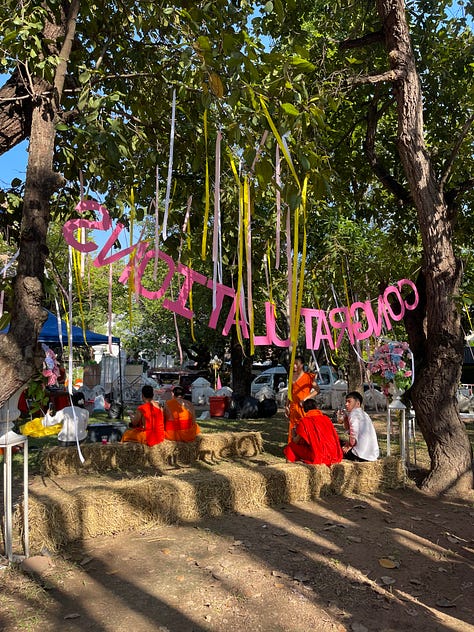
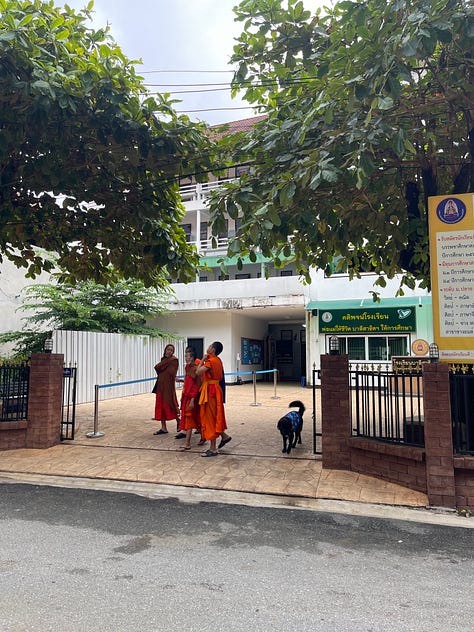
When visiting a temple, sit and bow three times to Buddha to show respect.
Never point the soles of your feet towards others, as it is considered disrespectful.
In Thailand, becoming a monk offers young people the opportunity for education. Some choose to stay, while others eventually leave.
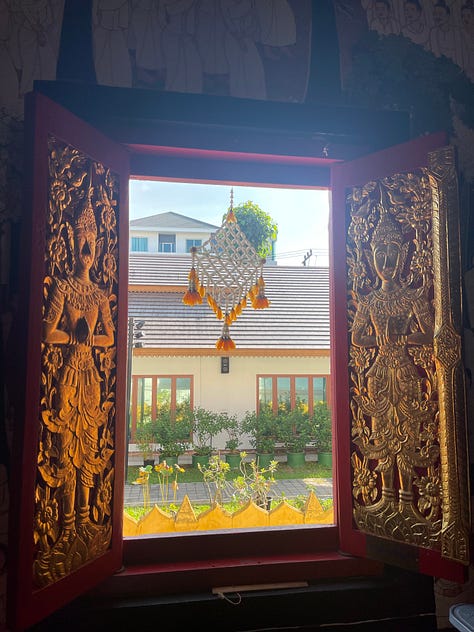
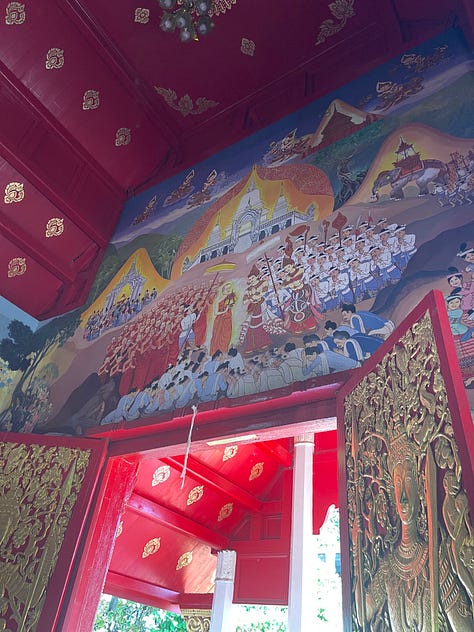
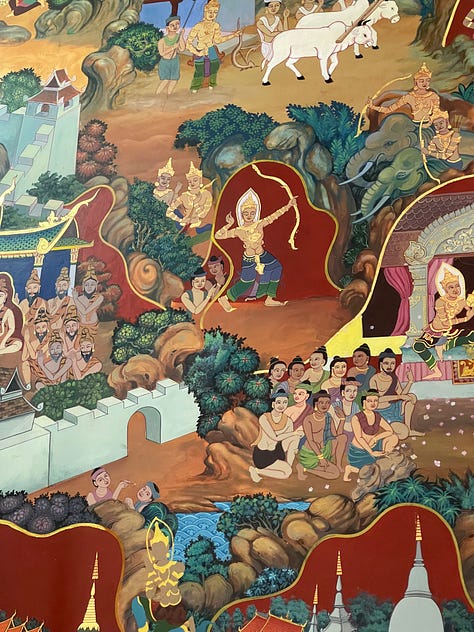
I’ve created a new Notion template to help you embrace the monk’s mindset and live with more intention. Designed to help you shift your focus from wanting more to appreciating less, find peace in impermanence, and make space for what truly matters— it’s perfect for aligning your life with purpose.
Inside, you’ll find everything you need: an action plan, daily journal, monk mode routine, reminders, tips, and curated resources.
Ready to simplify your life? Check it out here!
When someone asked the monk why we are born, his answer was simple yet profound: “To achieve nirvana.”
For Buddhists, this means liberation from suffering and the cycle of rebirth. For the rest of us, it’s about finding peace in the chaos of daily life.
Perhaps the path to happiness isn’t about doing more but being more—more mindful, more loving, and more in tune— with the truth that everything is temporary.
Comments
Nothing yet. Say the first thing.
Sign in to join the conversation.