
Note: all of these photos are owned and captured by me, Alexandra Fasulo.
Date captured: June 15, 2026.
Location: Fort Edward, New York.
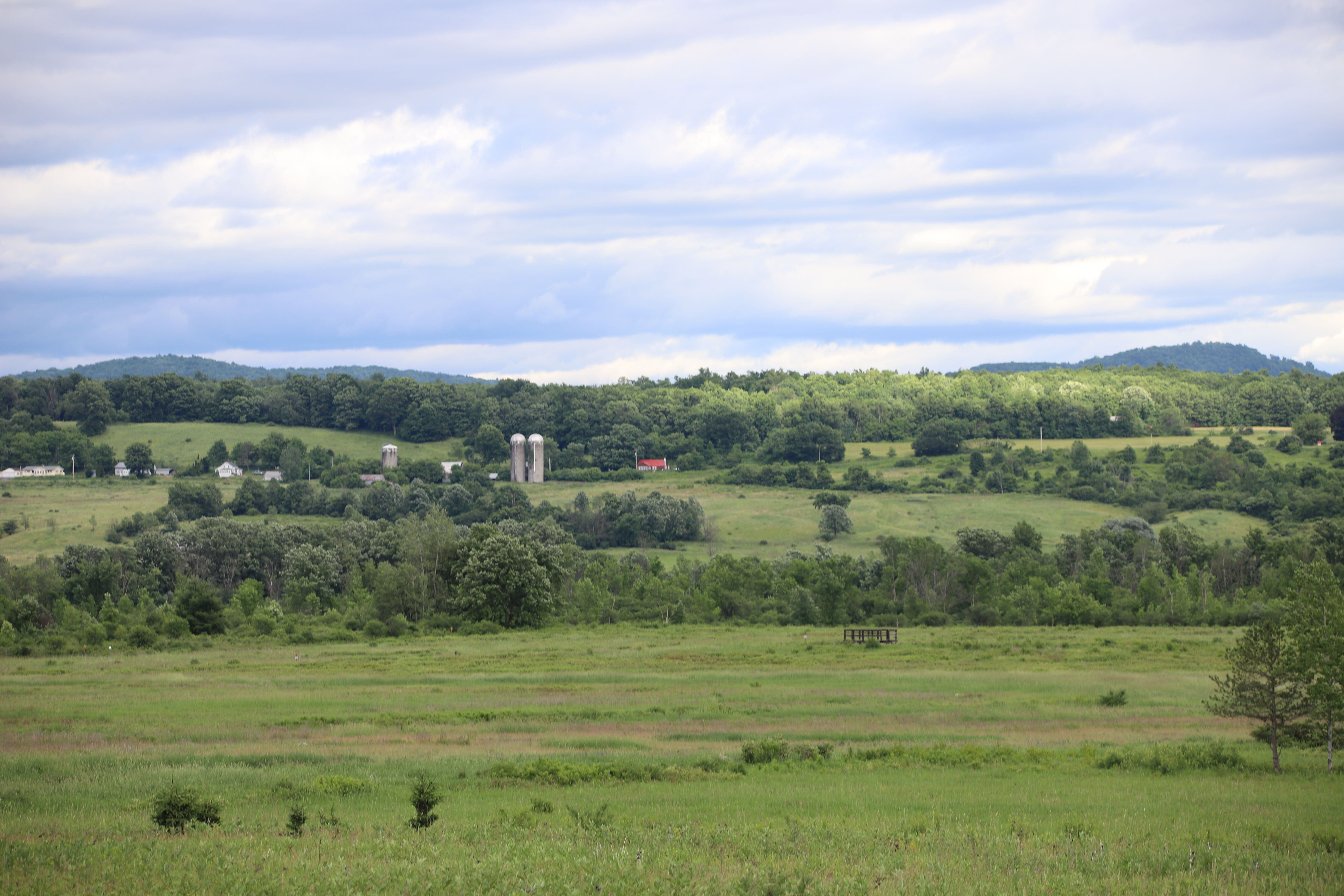
It’s hard to do one of the last grasslands of its kind throughout the entire Northeast justice, even in high-resolution photos. I certainly don’t have to edit the pictures or augment colors. The landscape speaks for itself.
It speaks for itself because in our increasingly developed world, littered with high-rise apartments, shopping strips, Costcos, parking lots, commercial solar and wind complexes, and glyphosate-covered ethanol corn fields, it’s rare to come across an ecosystem that is this extensive, stretching to the horizon.
We’ve fragmented just about every habitat that isn’t inside of a National Park. But the Fort Edward Grasslands is one of the last of its kind with thousands of acres of grassland that include small family farms that make up a patchwork of America’s rural character as far as the eye can see.
As some would call this: it’s God’s country.
It’s easy to focus on the powerful and mystical raptors that call these grasslands home, like the short-eared owl and northern harrier. But what gets lost in the discussion is the role this grassland plays during the summer months in our climate as a refuge for the declining pollinators that need our help in North America.
One of those pollinators is the monarch butterfly, which makes its way from Mexico to the northern parts of the US and into Canada, only to turn around and do it all over again the next year. The fourth and “super” generation of monarchs will be hatched in Upstate NY and beyond during the months of August and September, going on a 2,500+ mile journey back to the mountains of Mexico where they will enter a state of diapause and rest throughout the winter to begin the first generation of monarchs the following year.
As you all know, I traveled to Piedra Herrada outside of Mexico City this past January to see the super monarchs in their winter sanctuary. It was the closest I believe one can come to experiencing heaven.
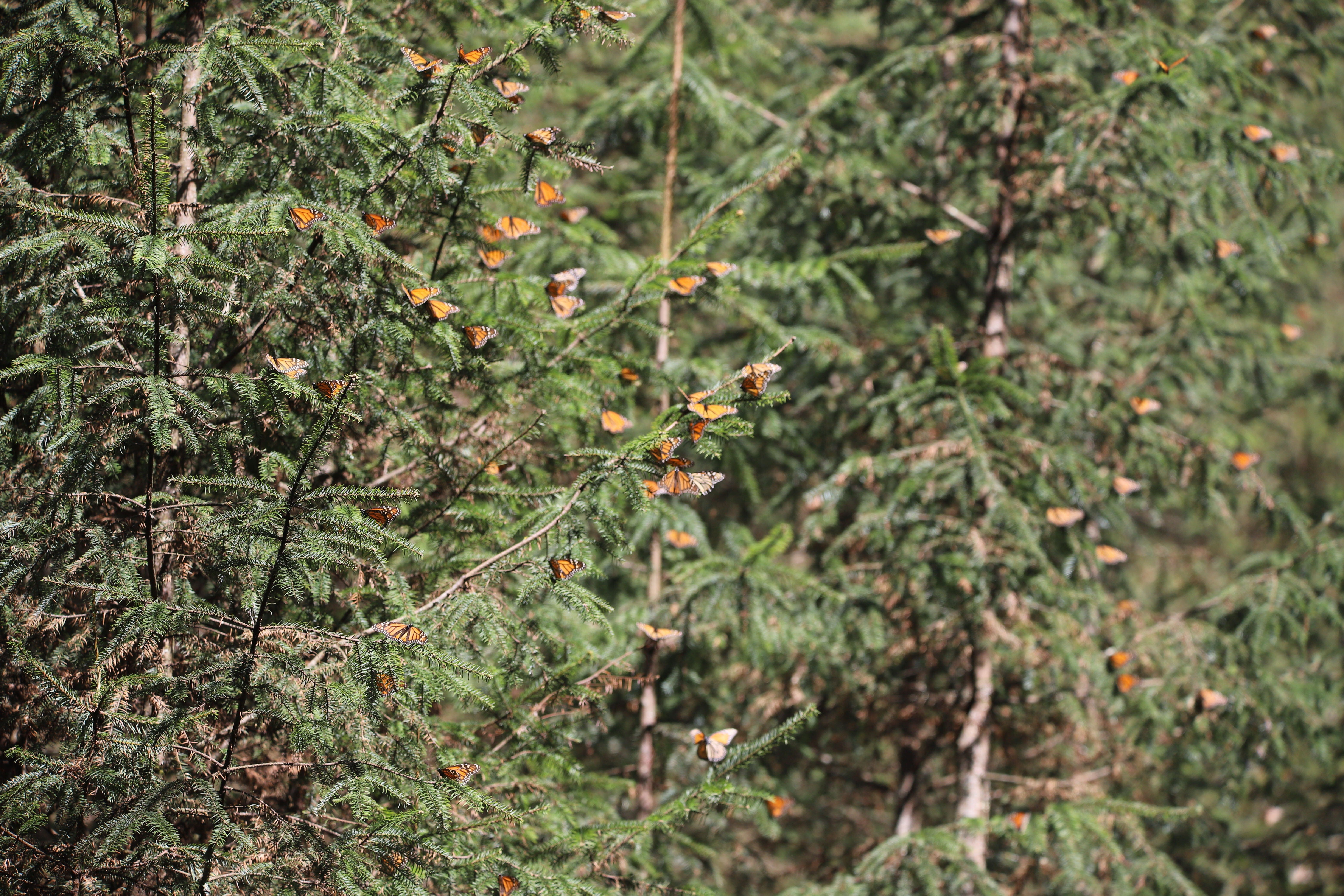
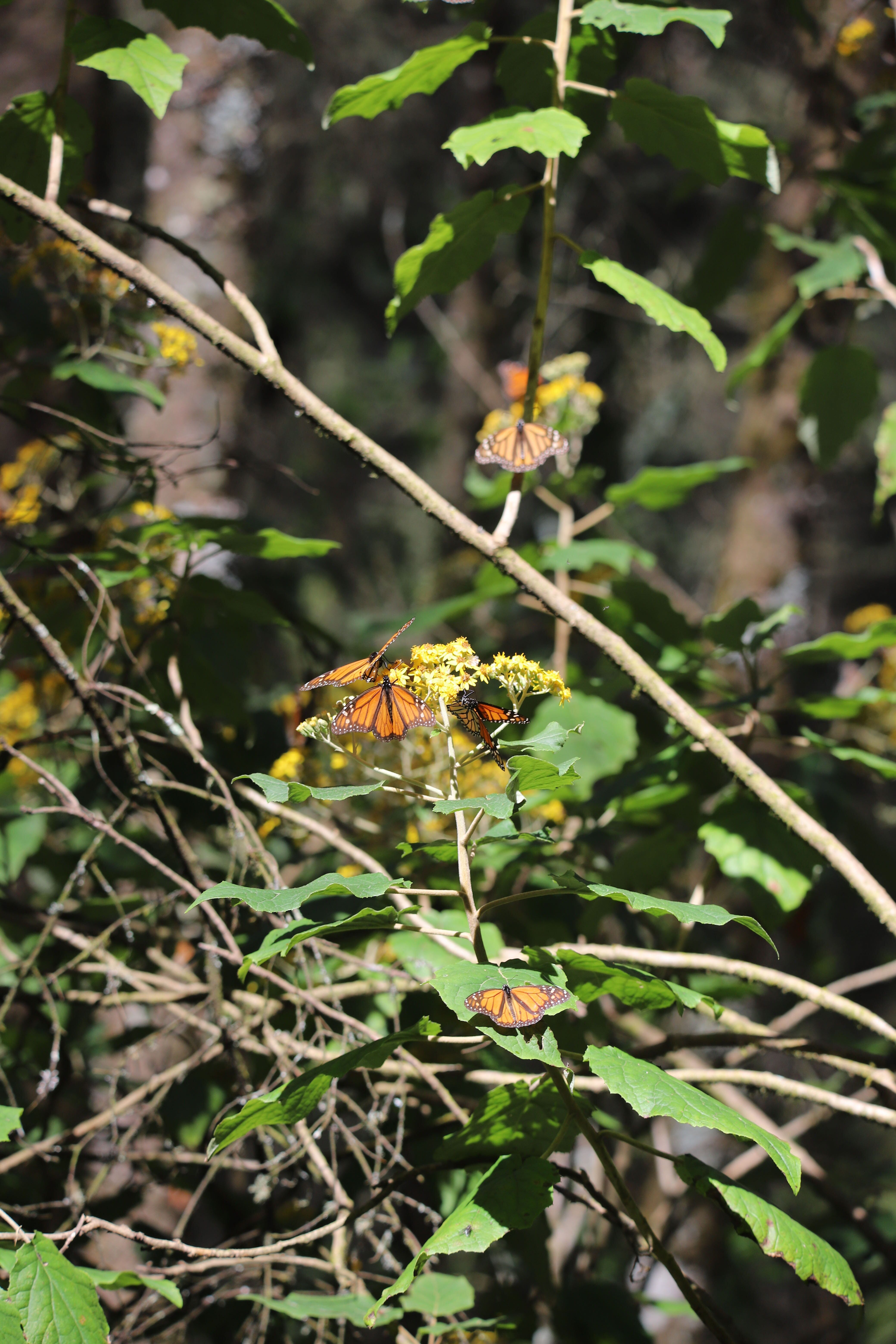
When I talked to the Mexican guides about the survival of the monarch butterfly, considering we’ve lost 80% of the species since the 1990s, they said to me: “It depends on the habitat availability for these butterflies up north in your country.”
They were resoundingly correct.
When Fort Edward Solar was sited for the Fort Edward Grasslands, the botched and redacted science purchased by Boralex left out pollinators altogether. So we invested in an unbiased scientific assessment by Hudsonia Ltd. that can be read here.
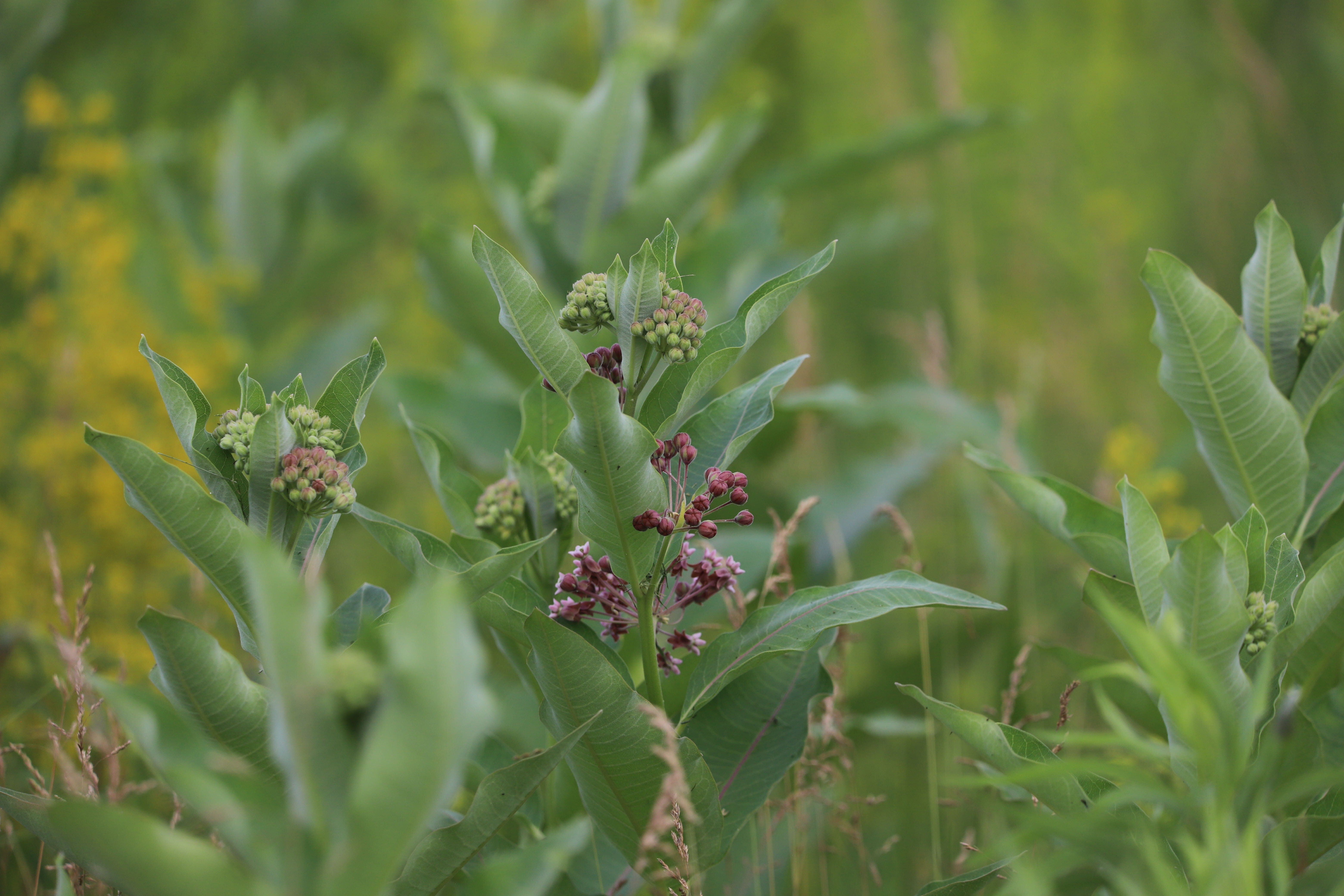
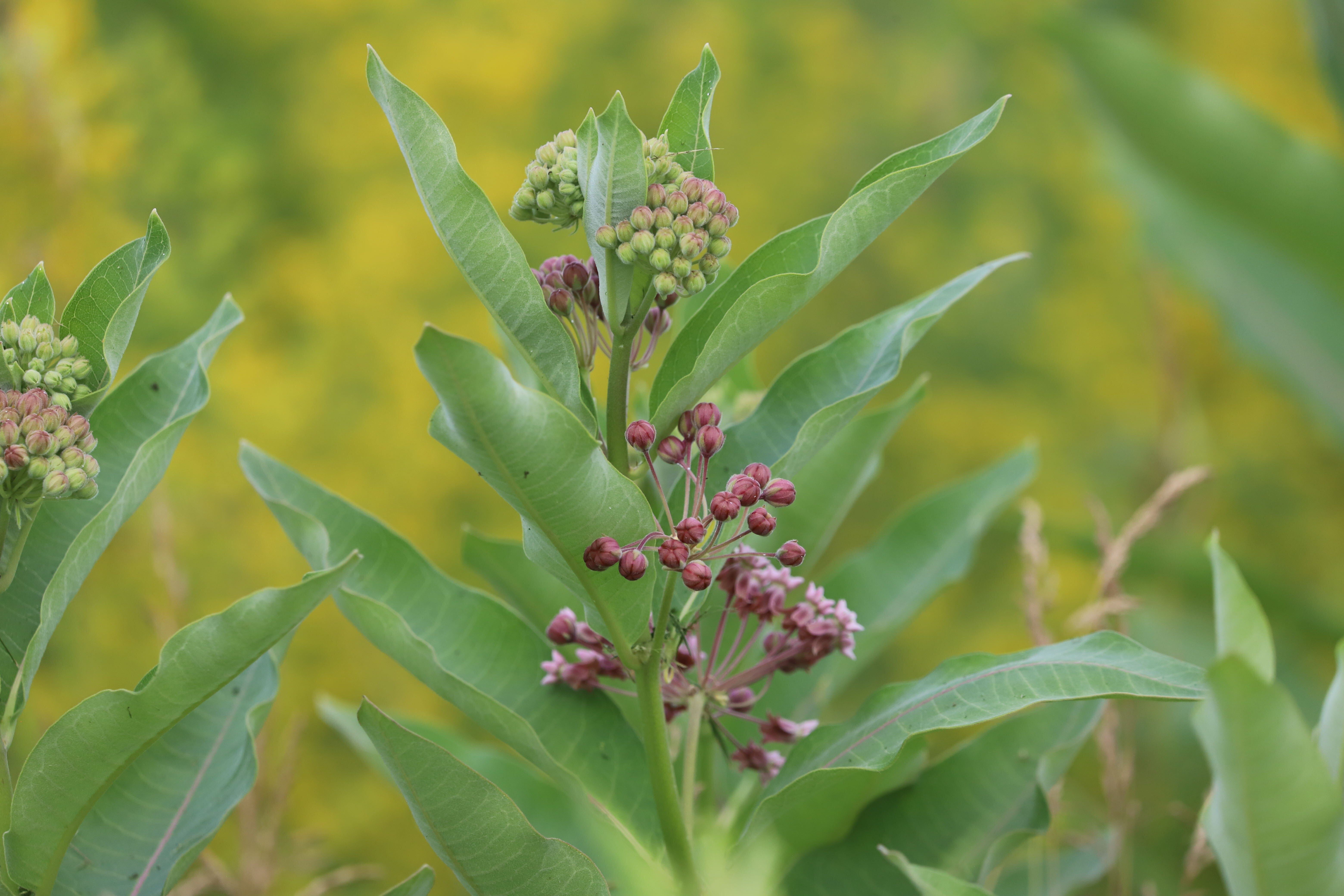
The Fort Edward Grasslands are a major monarch butterfly hub, littered with thousands of stems of milkweed during a critical time when nearly 800 million stems of this plant have been cleared for massive glyphosate-ready corporate farming across the country.
Around this grassland are family farms, a Wildlife Management Area, a designated DEC-conservation center, and walking trails that all lend themselves to contiguous grassland acreage filled with the host plants our nearly endangered pollinators need to survive.
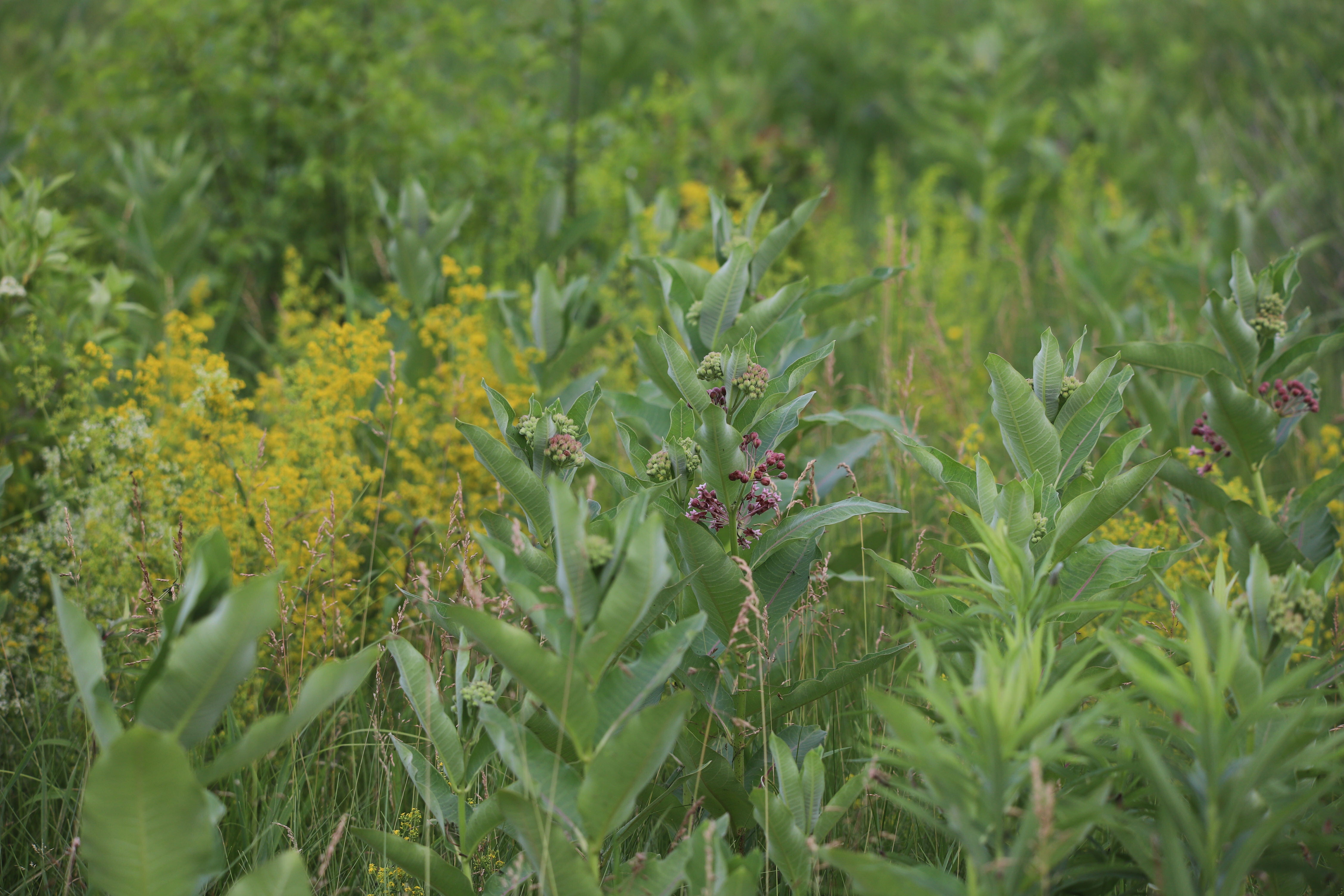
As the Hudsonia scientists also concluded, the proximity of the grassland to a Karner blue habitat in Wilton, New York ensures there is the probable presence of perennial lupine - though, we wouldn’t know since Boralex and New York State failed to survey for this endangered butterfly.
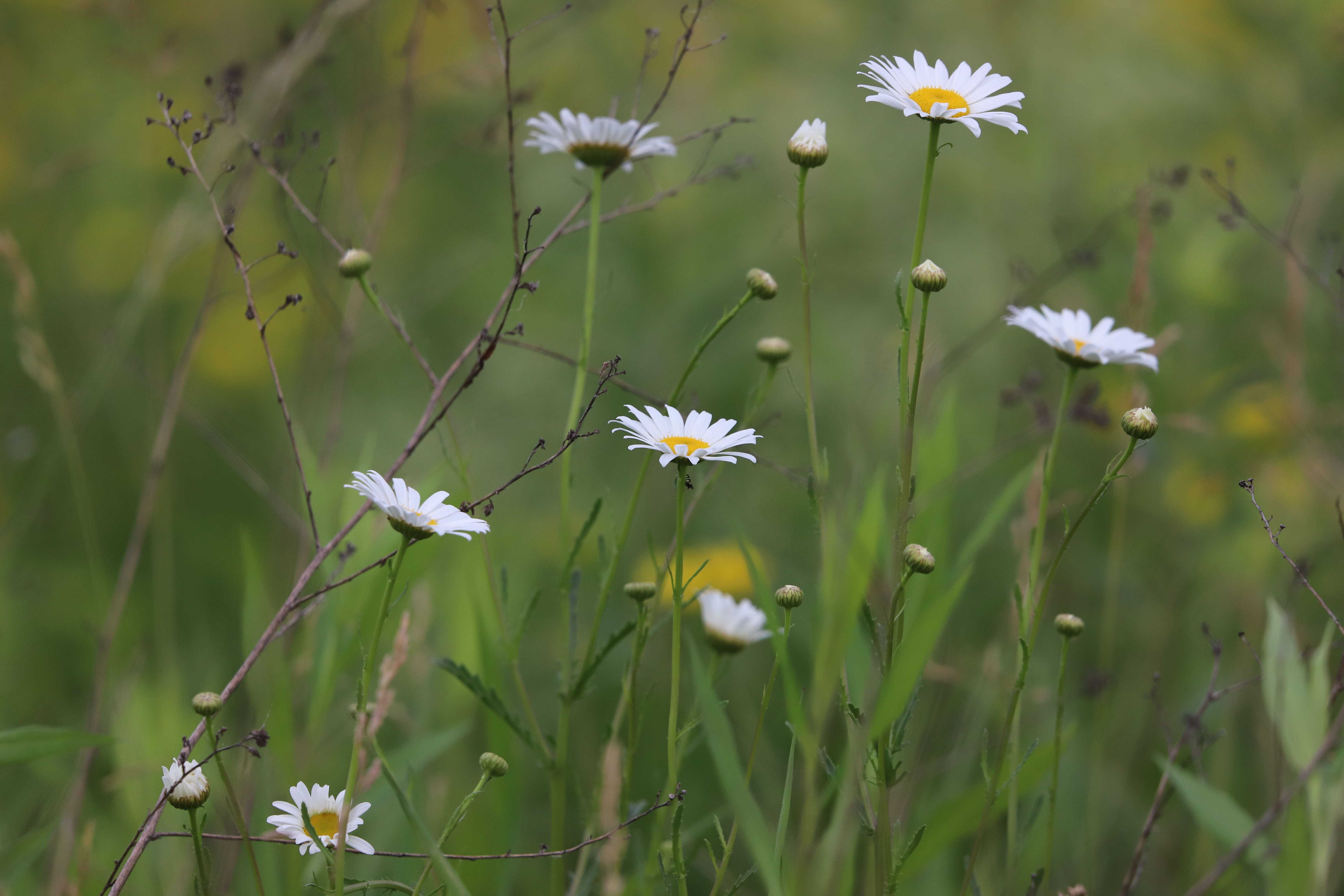
While I sat there this week at the Fort Edward Grasslands, completing my 34th consecutive week I have visited this imperiled habitat to document what I see and learn more about its critical role in the greater Northeast, I was pleased to behold monarch butterflies back once more, searching for the perfect milkweed plant to lay their eggs on before passing into the great beyond.
Monarch caterpillars will feed exclusively on the leaves of the milkweed plant before becoming butterflies. It’s a brilliant way to evolve since wild animals don’t have a taste for milkweed. In fact, it’s poisonous to them. Therefore, the monarch butterfly isn’t appetizing to predators, either.
The only predator this butterfly has to fear is man.
And man is drunk on greed in the form of “green” energy credits intent on wiping out protected habitats and endangered species today.
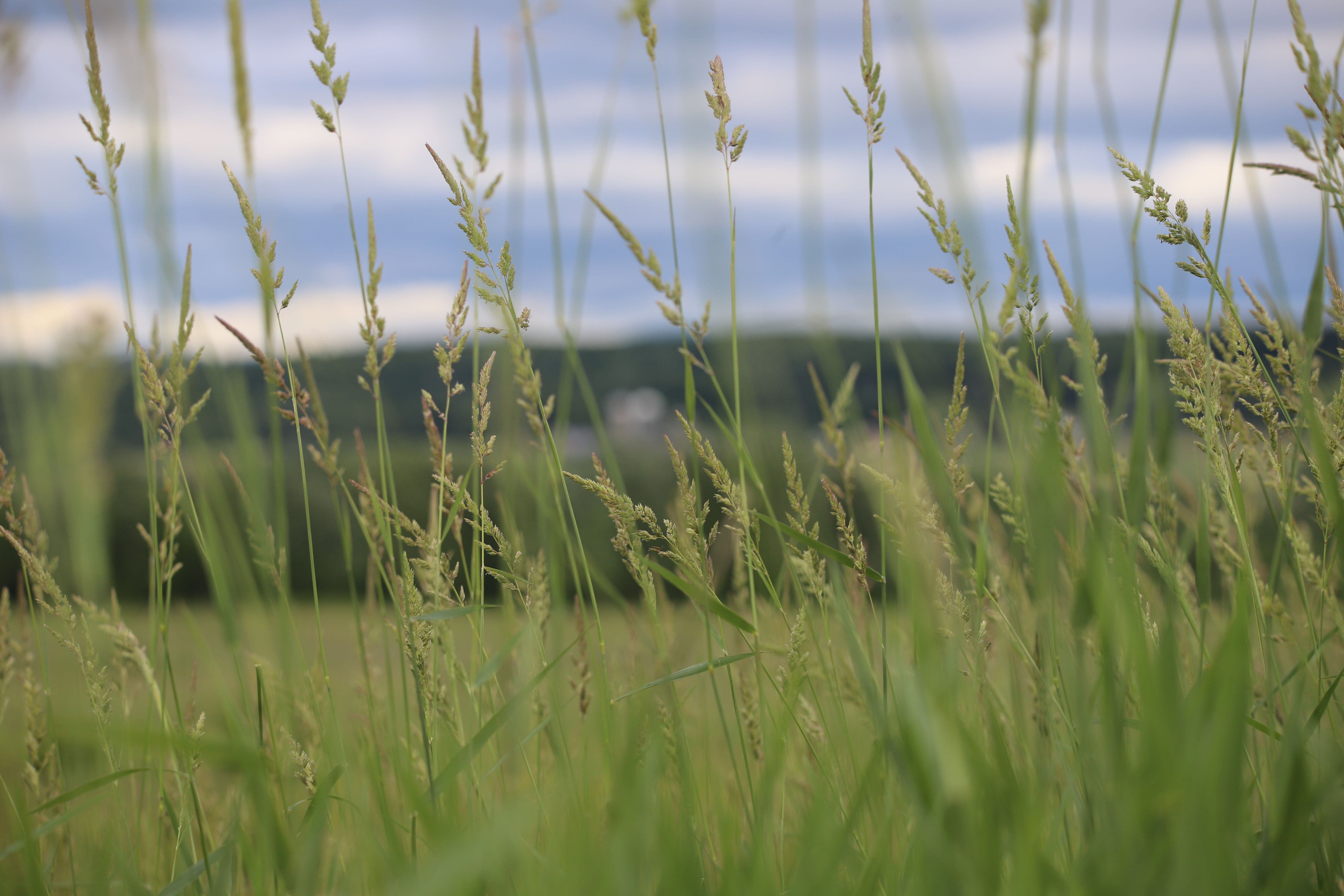
Developers, politicians, bureaucrats, and legacy media reporters all have a lot to say about this grassland and Fort Edward Solar today. I can say, after 34 weeks in a row, I have never seen a single one of them at this grassland, taking in all it has to offer from the viewing decks.
Nothing will take my love of this habitat away from me. And it has them mad as hell.
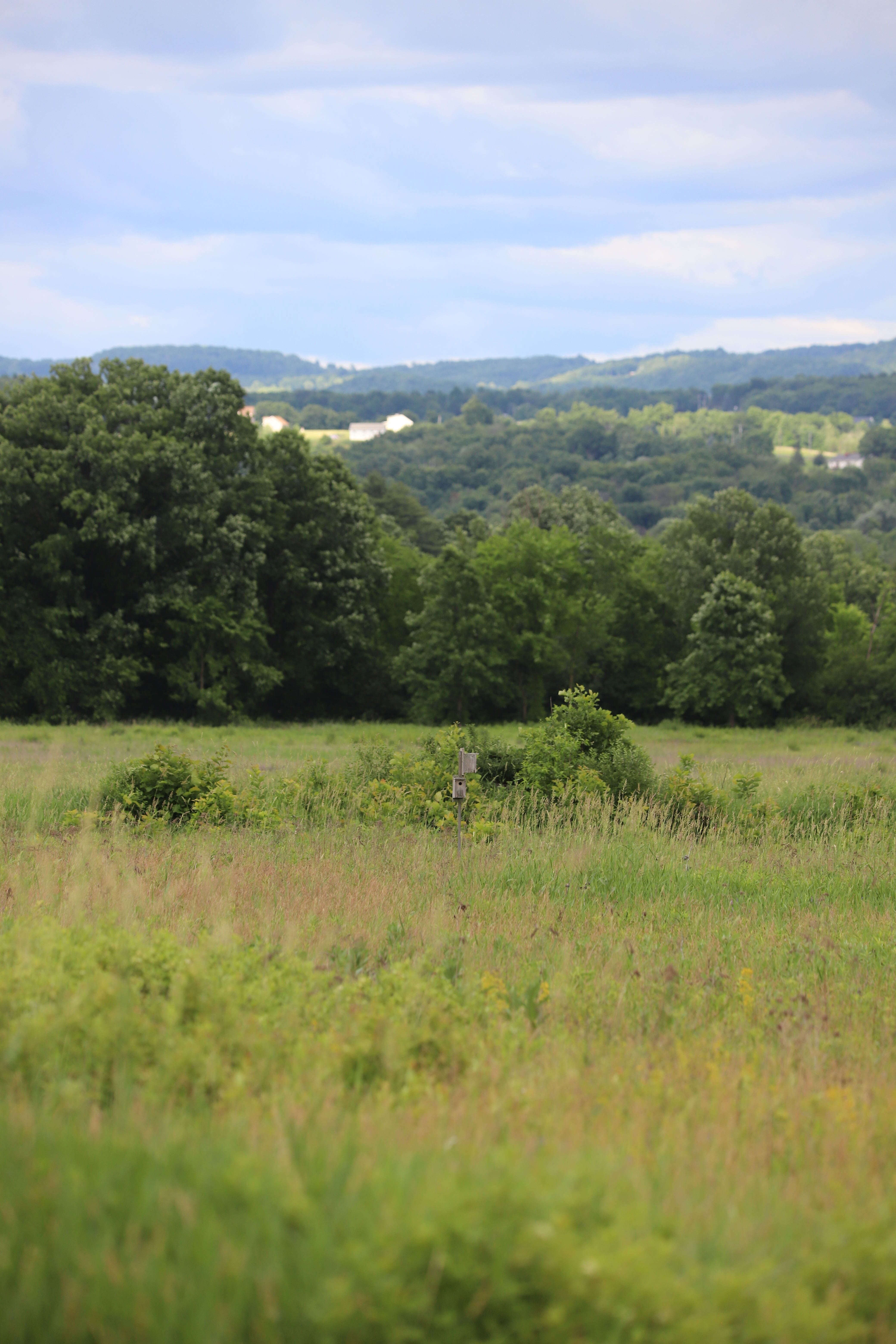
"There was only the enormous, empty prairie, with grasses blowing in waves of light and shadow across it, and the great blue sky above it... She liked the enormous sky and the winds, and the land that you couldn’t see to the end of."
Laura Ingalls Wilder
No posts
Comments
Nothing yet. Say the first thing.
Sign in to join the conversation.