
I suppose I always end up talking about grief. Nothing brings me back to the page more than grief. Except perhaps birth. As I said to Trevor after the birth of my eldest, bloodied, broken open by both love and pain: I have only ever encountered one other doorway that felt the same. Death. I remember lying there, covered in the haze of postpartum, convinced I had just touched something beyond this world. For a moment, I understood how thin the veil really is. But that is for another day, another story.
I am here to talk about my teacher.
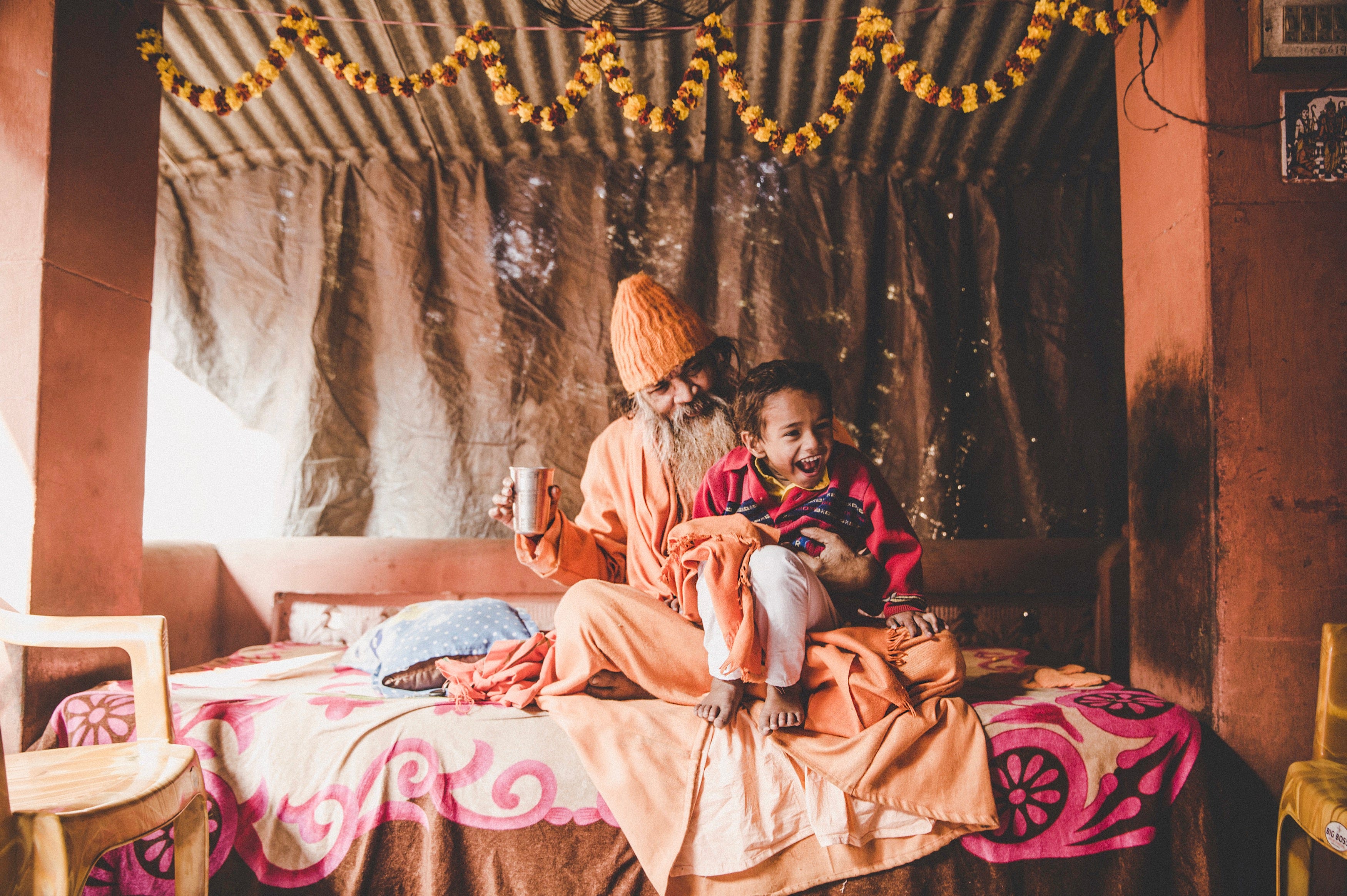
In so many ways, I have refused to write about him because to do so would acknowledge that he is gone. For months I have lived hiding from that truth, afraid of what it means for my heart, and for all the dreams I carried of a future with him still in it.
But to not speak of him, to not tell even a little of his story, would only deepen the wound his absence has left behind. His life was a teaching, and I only know how to carry that teaching forward by writing of him now.
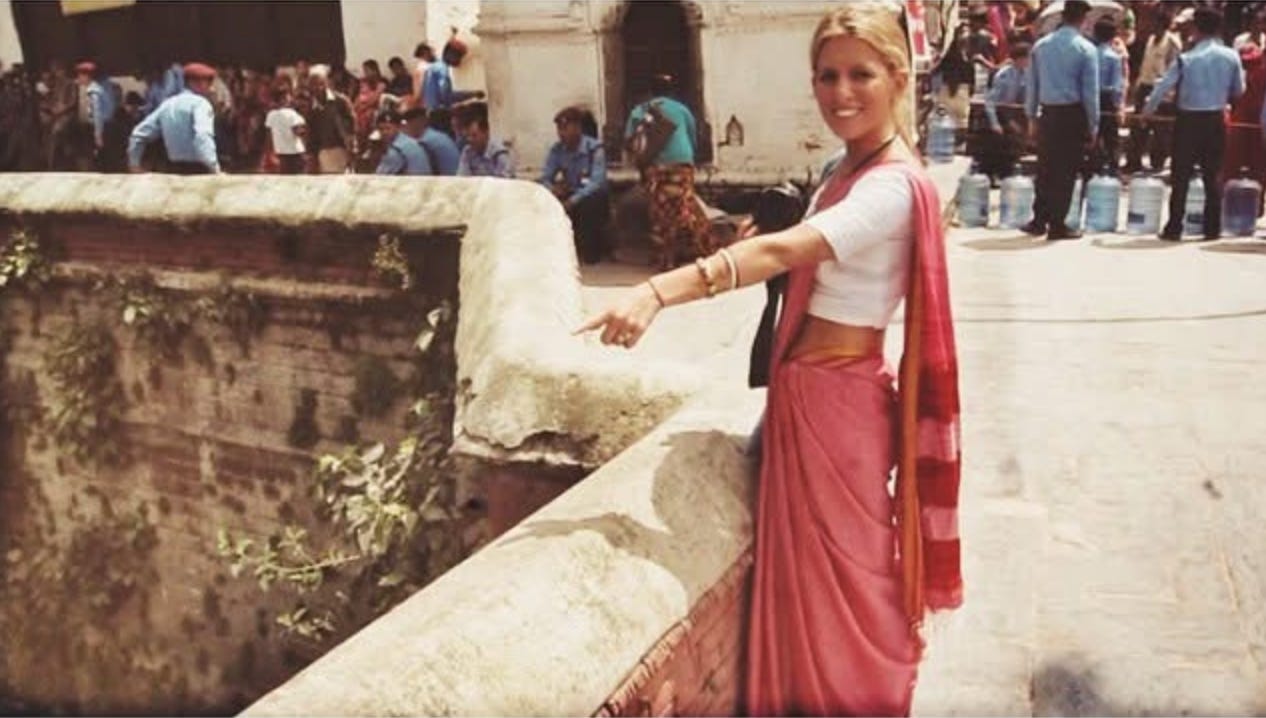
I will never forget when I first met him. I was newly twenty-one, lost but on fire with my seeking. I had spent the previous two years in Asia, moving from hostels to monasteries to ashrams to the floors of homes in remote villages. I was hungry for answers to a life that had already dealt me some hard things, desperate for something deeper and truer than what I had been given.
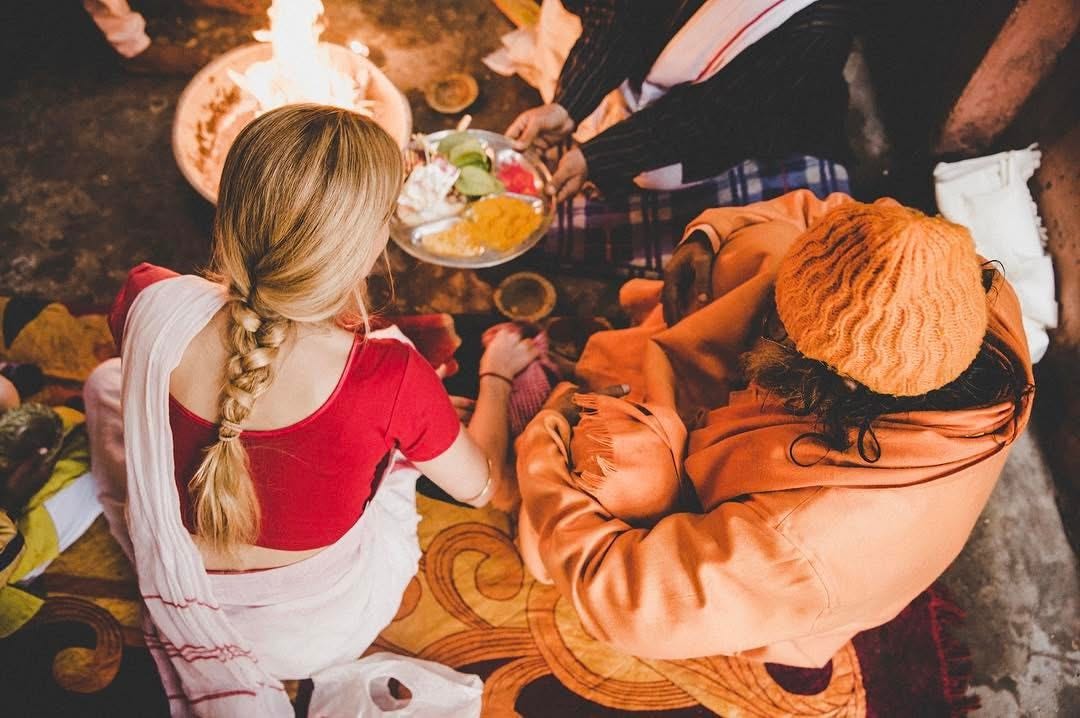
There he was, seated on his thuket. A sea of orange cloth — the mark of a sadhu, one who has renounced worldly pursuits in the name of enlightenment. Around him sat a circle of children, maybe ten or fifteen of them, their tiny eyes darting between their teacher and the blonde girl with fair skin who had just stepped through their door.
He asked my name.
“Emory,” I replied.
Then he sat quietly for what felt like an eternity.
Finally he looked at me and smiled.
“Basanti,” he said. “I will name you Basanti. Do you know what this means? Basanti means Divine Spring. This is your name now.”
In that moment, though I didn’t yet understand it, the course of my life shifted.
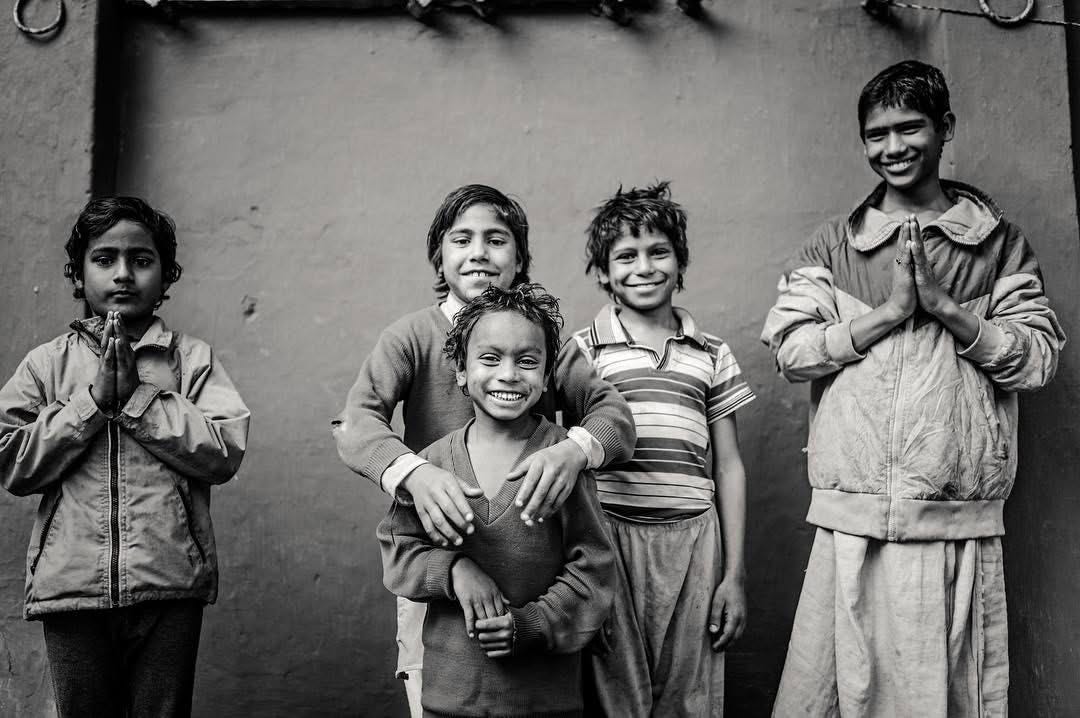
I remember him telling us once why he named people the way he did. Every girl and boy he took under his care — orphaned children, children from troubled homes — received a new name.
Sevanand. The bliss of service.
Madhavanand. The bliss of devotion.
He told us that after getting to know the child, he would name them not for what they already were, but for the ideal they might one day grow into. The name was a prayer. A seed. Something he saw quietly resting inside them long before the world ever could. Something he watered through love, patience, and unwavering care.
And that, above all the gifts Guruji gave me, was perhaps the greatest.
He saw me.
From the moment I walked through the doors of his ashram, a few concrete walls tucked beneath a crowded bridge in a sea of pollution in a remote city of India, he saw me in the most unfiltered, honest, and raw way. Yet it was woven so completely with love and non-judgment that it took my breath away.
I still struggle to find words for that feeling. To know that someone sees every inch of you and loves you fully, without hesitation or conditions. I am not sure there is a greater gift in this world.
That is what Guruji gave me. And countless others I will never know.
He saw people for who they were, loved them anyway, and worked tirelessly for their happiness and wellbeing without ever asking for anything in return. To encounter a soul like that in this world feels almost impossible.
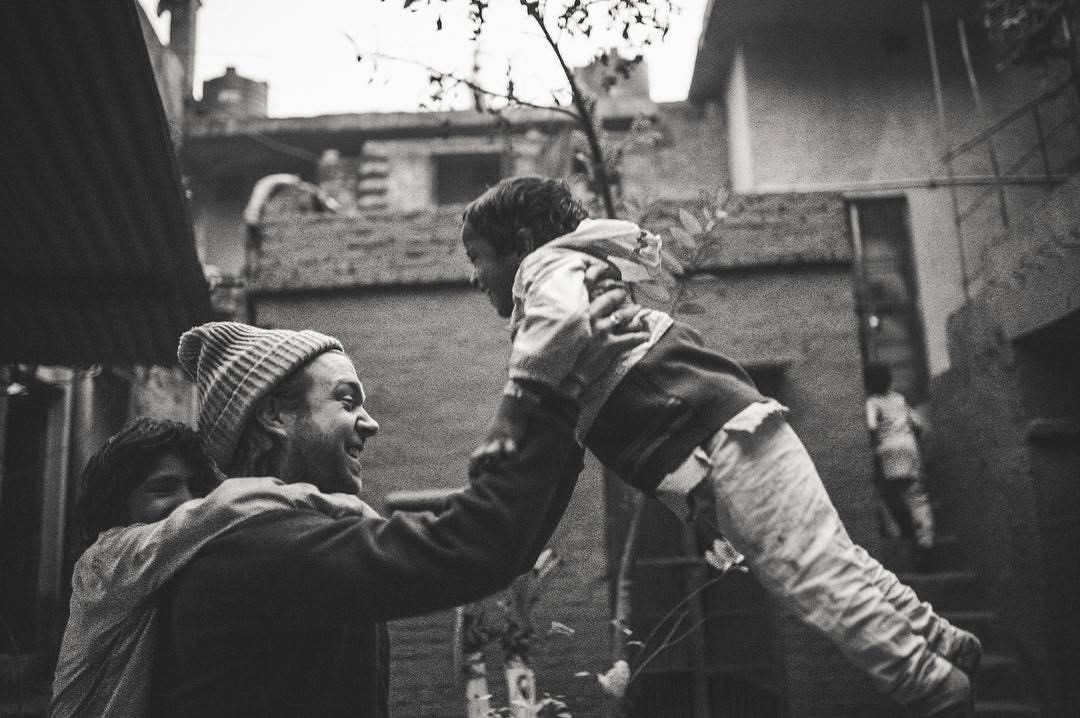
One man, who had been only a child when Trevor first came to Guruji’s ashram, wrote after Guruji’s passing that it felt as though the great shade of a mighty banyan tree had been lifted from above our heads. The shelter Guruji gave to so many had disappeared, and those who loved him felt suddenly exposed to a harsh world.
I understood exactly what he meant.
In my quietest moments — when I stop long enough to feel the reality of his absence — I am often left breathless. I do feel lost. Guruji was, in so many ways, a refuge and a home to me. Something I leaned on from thousands of miles away during my most private and desperate moments.
When the world felt desolate, I thought of him. I thought of the feeling of sitting beside him drinking tea in silence, and somehow I knew that no matter what happened, I would be okay. That no matter how fractured life became, I had a home at his feet, at his ashram, at the meeting of rivers.
I do not know what to do without that feeling now.
I remember with vivid clarity the days after I first met him. I had to eventually leave the ashram and return to the university group I had been studying with a few hours away. Every cell in my body wanted to stay. I pried myself from the floor where I had spent days sitting beside him — a magnetic pull, a bee to a flower — and somehow boarded the bus back to the city.
I spent the entire ride sobbing into my scarf.
Only a few days later, I found myself crawling up the concrete stairs of my homestay at two in the morning, begging someone to take me to the hospital. I had spent hours over the toilet losing everything inside me with such violence I thought I would faint and never wake again.
The next several days blurred together. I drifted in and out of consciousness in the back room of a tiny house tucked inside a narrow alleyway near the Ganges. There were no windows. The walls were painted bubblegum pink. Hundreds of glass vials of medicine crowded my bedside table. Rats scurried across my feet in broad daylight.
I was trapped in a nightmare I could not wake from.
After several days in treatment, I slowly regained my strength. I was finally strong enough to be carried into the back of a rickshaw and transferred to a hostel to await my evacuation flight back to the United States.
I remember arriving there with aching clarity.
Crawling into the shower after what felt like centuries. Touching a body I no longer recognized as my own: pale, gaunt, bruised from endless IVs that seemed to mark every inch of me.
And then afterward, wrapping myself in the only clean clothes I had left and walking slowly down the long white-tiled hallway toward a small balcony overlooking the streets of Varanasi. The distant sound of horns drifted upward through the heat. In my shaking hands was an ancient Nokia phone with its tiny glowing screen.
Without thinking, I dialed the only number I knew I needed.
I had known this man for three days. He was the only person I wanted to call.
I told Guruji what had happened. I told him I was getting on a plane that afternoon. I told him I did not know if I had the strength to make it home. I asked for his blessing.
I barely remember his exact words now. Only the sound of his voice and the sentence he repeated so many times throughout my life afterward:
“You have my blessing. Rest, all is okay.”
Those words became the signature at the end of nearly every email he ever sent me — and there were hundreds.
Rest. All is okay.


Now, lying awake during another sleepless night where his death still feels surreal, like a fever dream I cannot escape, I can hear him saying those words to me still.
Reminding me.
I have lost many people in my life. I have seen the holes loss leaves behind. I have watched grief hollow out hearts. I know now that we never fully recover from losing people we truly love.
But something about Guruji’s passing has left me sitting with a different realization.
Some losses create an emptiness that steals all the oxygen from the room. But Guruji’s death feels different because of the way he lived. Because of the way he loved and served every person who crossed his path, including countless people none of us will ever know.
When I think about the impact he had on my life in such a short amount of time, I cannot help but think about the lives he quietly carried when no one was watching.
I think about the day he gave me initiation. Afterward, he sent me out into the street in front of the ashram with enormous pots of rice and lentils he had ordered to be cooked that day.
“Serve everyone,” he told me. “Beggars. Pilgrims. Sadhus. Children. This service will be good karma for you. Go and serve.”
None of it was ever for him.
That is still difficult for me to fully comprehend — a person who lived with that level of selflessness.
I think of my own wants and ambitions, all the things I hope to attain in this life, and when I place them beside the backdrop of his holy life, something inside me shatters open. I am reminded that when I leave this earth, none of it will come with me. Nothing material will last.
Only the love we gave.
Only the ways we served one another.
Only the invisible ripples of kindness we leave behind in places we may never even witness.
If you take one thing from these words today, let it be this:
The love we give is our only lasting impact.
And —
Rest. All is okay.
I love you, Guruji.
I miss you every day.
No posts
Comments
Nothing yet. Say the first thing.
Sign in to join the conversation.