
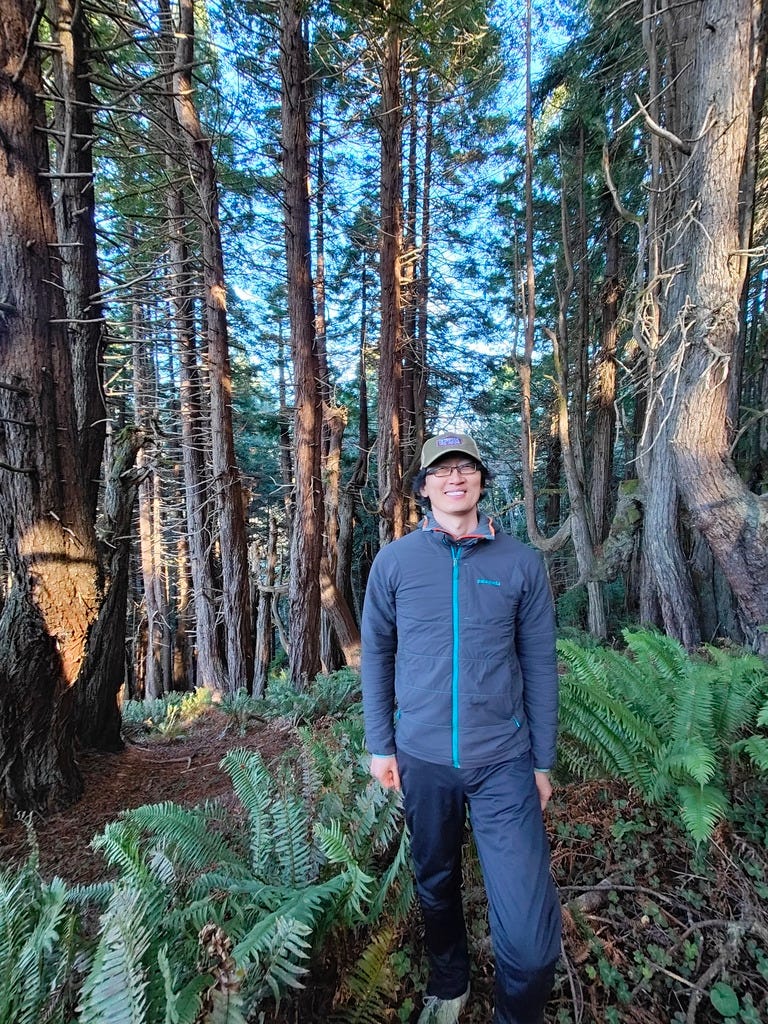
Constellia helps communities around the world strengthen their climate resilience with hyperlocal weather forecasts. Our platform seamlessly blends a low-cost sensor network with real-time analytics and AI forecasting to capture variations in individual microclimates. We feed these forecasts into custom risk thresholds to provide early warnings for multiple climate risks, including extreme heat, drought, flooding, wildfire, and air pollution. Combining the latest in sensor technology with data-driven analytics may seem at odds with nature, yet our heart’s allegiance is with all living beings and the Earth herself. The ecological, social, and economic benefits of our unique approach is really what matters most to us. In other words, we are driven to innovate not for innovation’s sake, but because people approach us with their environmental challenges that are exacerbated by surrounding structural challenges. Together we dream up solutions that implement cutting-edge technology in ways that enhance human knowledge, capacity, and well-being within the context of climate adaptation.
One of our clients is the Redwood Forest Foundation (RFFI), an organization that acquires, protects, restores, and manages forestland in the Redwood Region of California. Their larger vision is not of pristine natural habitats closed off from human activity, but of “community-based forests” where wildlife as well as people benefit in harmony. Born in the aftermath of the Redwood Summer of 1990, when the Timber Wars between environmentalists and loggers reached its peak, RFFI weaves together so many different perspectives and approaches in its stewardship style. To our eyes it sets a model for how we as a species might find our way back to sacred partnership with the planet, and also move forward in establishing goodwill relationships with each other in spite of the many historical, social, and economic tensions that plague modern life.
RFFI’s Usal Redwood Forest currently comprises 50,000 acres of forested watersheds located on the ancestral and unceded lands of the Wailaki, Cahto, Sinkiyone and Coast Yuki peoples. One of its founding tenets is to work meaningfully with these communities so that the forest might be restored to how it looked and functioned when their ancestors walked the land and were nourished by its many gifts. Going beyond symbolic or philanthropic gestures, RFFI truly learns from its engagement with indigenous groups. Tribal wisdom, for example, transformed the organization’s regard for the tanoak from a problematic species to be controlled to a cultural resource to be honored and enjoyed for its acorn production.
Traditional know-how also informs RFFI’s growing involvement in cultural burns (the traditional use of fire by indigenous tribes to foster the ecological health of their historic territories) and prescribed fire (the planned and controlled use of fire to achieve certain land management goals). In wildfire-stricken California, fighting fire with fire might seem risky and counterintuitive, but controlled burns actually save time, energy, and money compared to manual thinning. A 10-person crew can clear an acre of understory a day. Controlled fire moves much more quickly at under half the cost. Additionally, fire engenders a host of ecological benefits including improved wildlife habitat and increased biodiversity. Indeed, the redwoods themselves are just one of many forest species that rely on fire for reproduction and growth. Prescribed burns are gaining in popularity thanks to changes in California law. Most of these burns occur in grasslands. RFFI is pioneering the use of prescribed burns directly within a forest, which adds to the challenge but also the benefits.
Another pillar of RFFI’s innovative brand of land management is the concept of “smart forestry,” which is the use of advanced technology to monitor and support forest health in ways that go beyond the capabilities of traditional forestry. Camera traps, bioacoustic sensors, thermal monitors, and eDNA sampling are just some of the non-invasive methods used for tracking forest wildlife (foremost on the list being the endangered spotted owl).
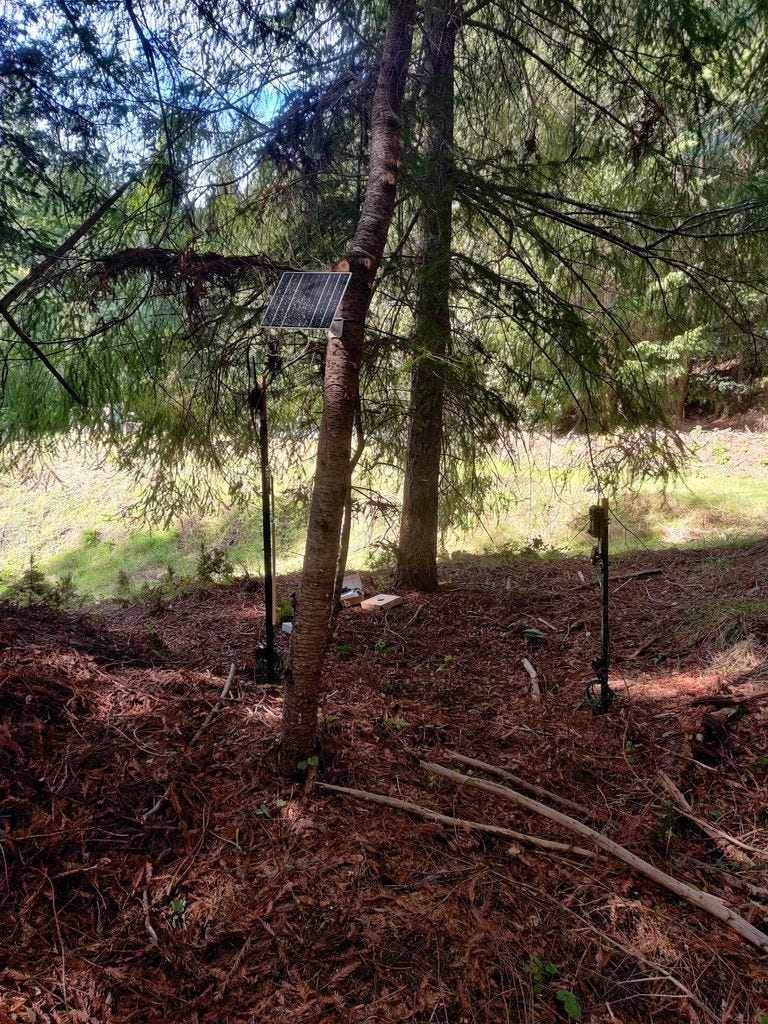
When RFFI approached us to help build out their smart forest infrastructure, we leaped at the chance! Previous projects had already led us to urban forests and agroforestry. The opportunity to shape the vision of smart forests coupled with the call of the wild was irresistible. We are expanding the concept of smart forestry beyond taking biodiversity inventories in ways that accelerate forest restoration efforts. Our work with RFFI is already showing promise. By leveraging data science and AI we’re showing how their conservation work is boosting the spotted owl population.
Our current focus is supporting their prescribed burn projects. We’re installing custom sensor devices that provide fuel moisture estimates within the forest, which is a key activity leading up to a burn. Our approach will save RFFI the expense and laboriousness of a manual process, which relies on recording local weather and fuel moisture conditions on an hourly basis for up to two weeks before a burn.
Just how we are going about this is a topic for another time, but for now we hope you have enjoyed learning about our spotlighted client and the tremendous work they are doing in their corner of California. We sure do appreciate RFFI’s dedication, creativity, and collaboration. Please do check them out and consider supporting their forest!
Hotter Times is published jointly by Zato Novo and Constellia. Together, they are accelerating climate adaptation and resilience with accessible and transparent technology. Learn more at https://constellia.ca
No posts
Comments
Nothing yet. Say the first thing.
Sign in to join the conversation.