
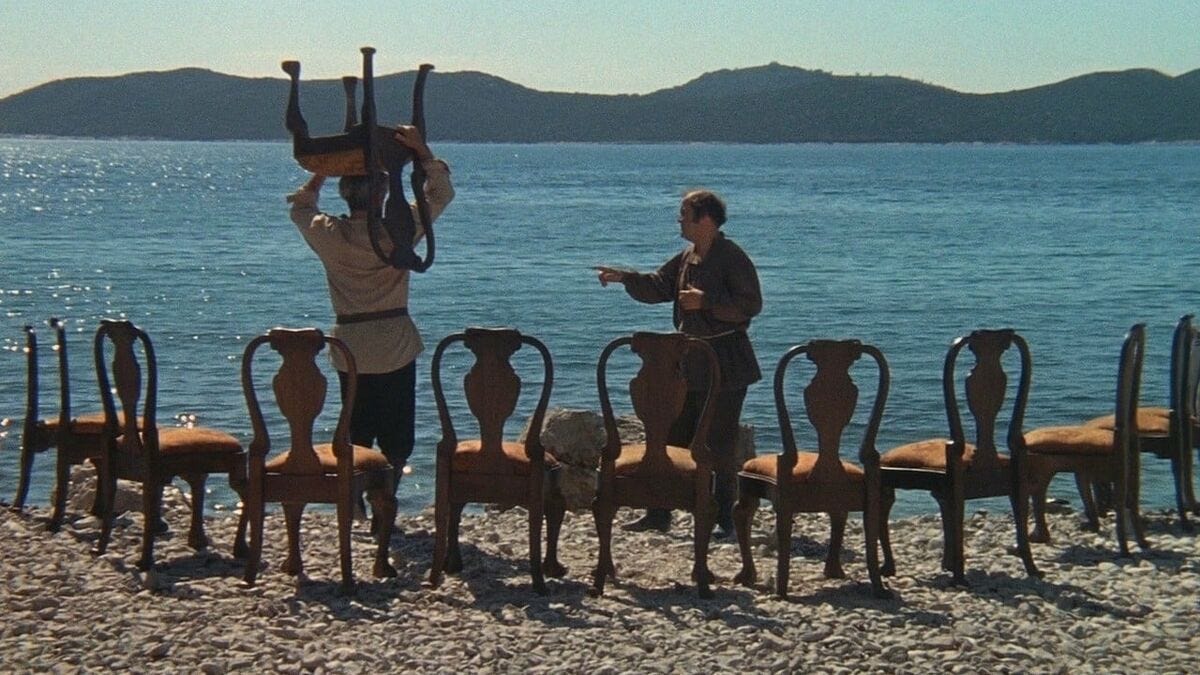
Hello, and welcome to a special fall preview of the UW Cinematheque fall film schedule! The calendar is now live, and I’m pretty effusive about the quality of this lineup. There are a number of films I’ve already written up for the summer schedule preview (and, yes, I’m still looking forward to The Hole, reprogrammed from Bleak Week,) and I won’t be writing those up again, but if I highlighted them there, I still look forward to them now.
That still left me with an overwhelming number of films I’m thrilled to see on the schedule, and none I have zero interest in seeing. I picked out seven films from the premieres and twelve (six I’ve seen, six I haven’t) from the rep screenings I’m especially anticipating to go alongside the other series. Generally speaking, to be honest, if I already know I want to see a movie, I don’t go out of my way to read a lot about it - for those films, if someone’s piece specifically intrigued me, I try to include a link.
After a glowing endorsement from Fran Hoepfner in a recent episode of Critical Darlings, I marked this sci-fi drama starring George MacKay and Callum Turner as fishermen encountering a grim mystery on my radar. The film boasts 16mm photography to tell this sort-of-ghost story of the lost ship returned. That approach requires all the audio to be dubbed after the fact, creating a formal remove even before the out-of-time storytelling. This film probably won’t be for everybody, but it does jump out as right up my alley.
I’ve actually never seen How To with John Wilson, certainly the comedian/documentarian’s most well-known work thus far. Instead, my exposure is his short film Temporary Color, the “making-of” documentary for Contemporary Color about David Byrne’s color guard concert series. Wilson’s making-of takes a major tangent, more about his personal experience and a news story breaking alongside the concert. To my surprise, Temporary Color beats the pants off Contemporary Color, with the monologue and tangent feeling in its own way more considered and successful than Byrne’s misbegotten “celebration of color guard.” Reviews of Wilson’s documentary about The History of Concrete indicate something similar here - yes, you’ll learn a little about concrete, but you’ll also learn a lot about a great deal of other subjects.
I’ll admit, I was pretty surprised the Palme D’or winner is playing the Cinematheque again this year! NorthernLion jokes aside, Fjord is one of the year’s more intriguing films, reuniting A Different Man’s Sebastian Stan and Renate Reinsve in a film centered on concerns of abuse. I’ve seen people comparing the film to Anatomy of a Fall, both positively and negatively, but reading the description, what comes to mind is Hirokazu Kore-eda’s Monster, which played the Cinematheque a few years ago. The film centers on challenging characters, some with abhorrent views and excuses for behavior - director Cristian Mungiu, of 4 Months 3 Weeks and 2 Days fame, is known for not shying away from challenging social issues. I’m not sure how I’m ultimately going to feel about this film, but I expect it will be one of the year’s most impactful and widely-discussed releases, and with the actors front and center, I’m definitely compelled to pick up the gauntlet it’s throwing down.
William Greaves’ Symbiotaxiplasm: Take One is an all time great documentary, and that alone would be enough to convince me to see anything he’s made that people admire. Once Upon a Time in Harlem, which documents a party he threw with Harlem legends, is his long-unfinished project, finally finished now by his son. Jourdain Searles describes the film in The Hollywood Reporter better than I can, but it’s a film that invites audiences into a remarkable gathering.
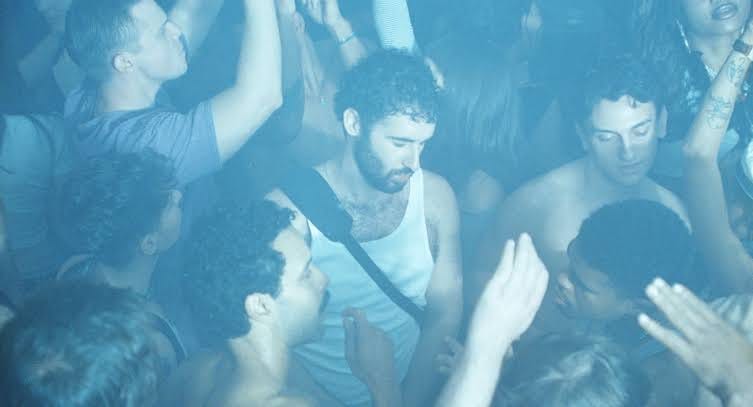
My first awareness of Jordan Firstman came in his (quite excellent) supporting role in the explicit gay thriller Rotting in the Sun, which played the Cinematheque a few falls ago. My understanding then was that Firstman was only barely acting, a comedian and influencer with enough self-awareness to play the parts of his personality that sometimes turn sour. Since then, he took on major roles in Bryan Jordan Alvarez’s English Teacher and Rachel Sennott’s I Love L.A., now directing his debut feature Club Kid. The surprise is that this story of a club promoter meeting his ten year old son is getting raves, with Firstman having nailed the comedy and sentimentality of the subject.
Jesse Eisenberg’s previous two features, When You Finish Saving The World and A Real Pain, both passed me by, though the latter especially sounds like a perfectly pleasant time! So this film about a small town community theater pitching method actress Mona Friedman (Julianne Moore) against controlling director Jerry (Paul Giamatti) may very well be my introduction. But that pitch sounds fantastic! I love Julianne Moore and I love Paul Giamatti! Bernadette Peters is down the cast list! Tell me that doesn’t sound good! The film won’t premiere until September 13th at TIFF, but we’ll learn more then.
This one came out of nowhere for me, but “academic mystery noir a la Borges or Eco” is a catnip pitch to me. Other than a rave from Sam Bodrojan and a Critic’s Pick review from The Film Stage’s Leonardo Goi, the story of an investigation into a time-defying camera is not one I can find much buzz about, but those I know who’ve seen the film at festivals all adore it. Pretty immediately one of my most anticipated films of the year.
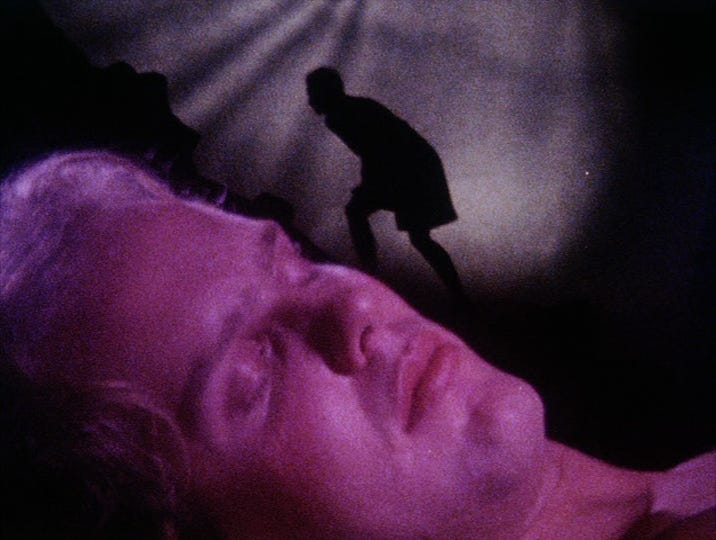
This series starts with a film by my beloved Todd Haynes and then only gets better. Poison is Todd Haynes’s generally accepted debut after the devastating zero-budget Superstar: The Karen Carpenter story - I haven’t seen Poison yet, but anyone who’s seen Superstar can tell you he already had it. The shorts program the next month, from the incredible grotesque animation of Jan Svankmejer to the playful surrealism of Peter Greenaway, is incredibly strong. Careful is Guy Maddin’s first major films, one of Canada’s great filmmakers coming into his own as a mixture of silent era German expressionism and intense coloration. And then it concludes on the essential Blue, Derek Jarman’s poetic experiment about his experience with AIDS - Jarman was already partially by the time he was making the film and passed four months later, only able to see in shades of blue. If there are only four films you see this semester, I might be hard pressed to make an argument against these being the most essential four.
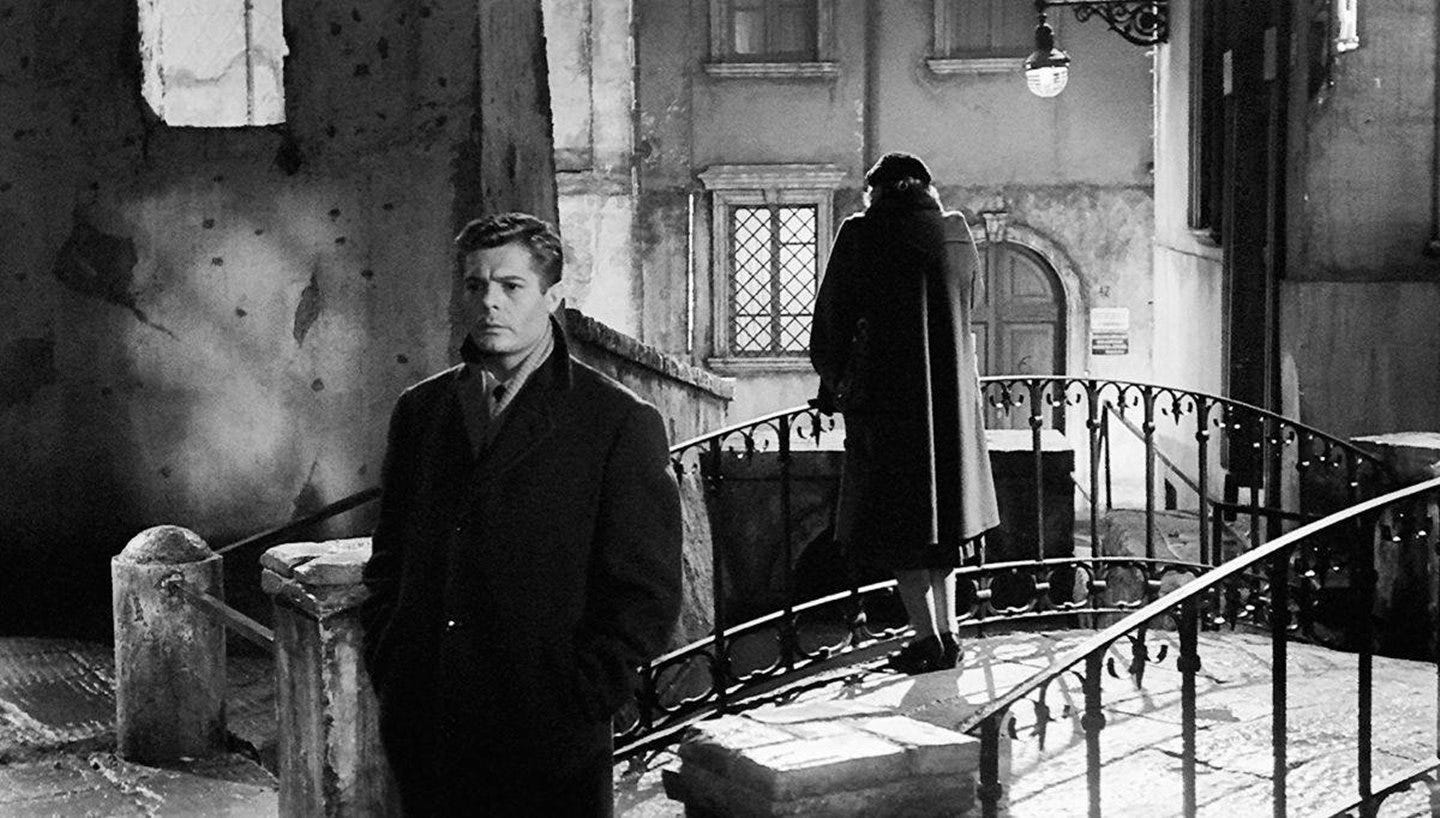
I’ll be honest, I had all three of these films on my watchlist without ever knowing that they were adaptations of the same source material, a short story by Dostoevsky. James Gray’s Two Lovers, anyway, is the loosest adaptation of the bunch. Visconti, Bresson, and Gray are three filmmakers who have made films I strongly admire and films I’ve chafed against slightly - they’re three major dramatists, and the two older filmmakers should be considered influential masters. I put in a hold at the library for a Dostoevsky collection with the story included - I recommend people follow suit!
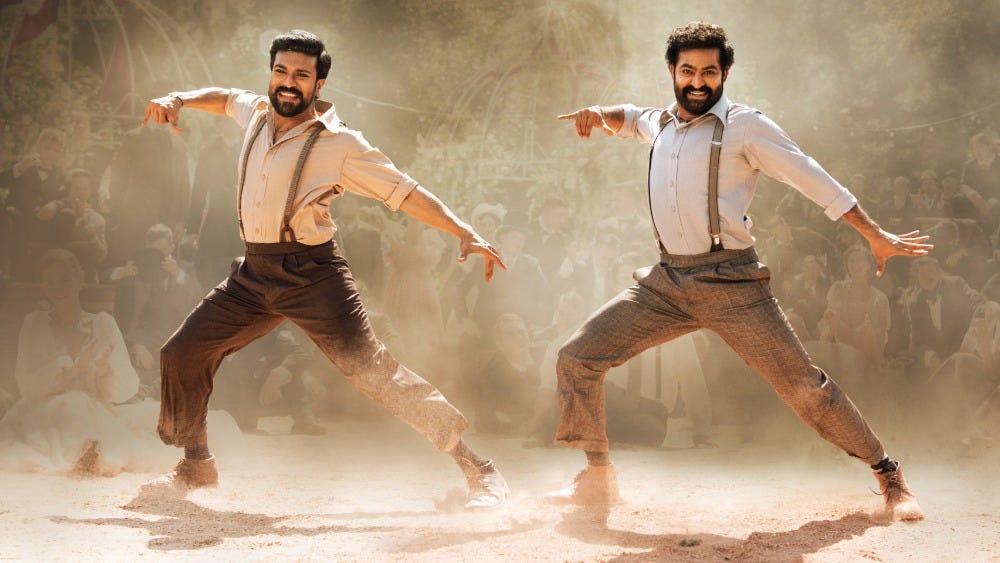
Rajamouli exploded into Western mainstream film awareness with RRR, an action epic that blew away American audiences with explosive stunts and a very strong central friendship. While that film has since received some more thoughtful criticism, Rajamouli auteurism has continued to develop. We had Bahubali: The Epic, a re-edit of the two parts, play last year in our commercial theaters - Cinematheque instead presents them in their original format with a twenty minute intermission between. Maybe most exciting, then, is Eega, Rajamouli’s most absurd film, a revenge thriller where the wronged revenant takes possession of a housefly.
I don’t think I’ve rewatched Caspar Kelly’s infamous Too Many Cooks since around when it was released, and I haven’t kept up with him since. His new film Buddy seems like an attempt to make something more impressive out of the mascot horror genre that’s bloomed out of the Five Nights at Freddy’s franchise, but the thing I’d never have predicted is such a strong rep series alongside it. Salesman and About Endlessness have been on my list for a long time, The Maysles Brothers and Roy Andersson two filmmakers who’ve made films I love dearly. Under the Skin and The Parallax View are awesome picks for theatrical exhibition. And I’m not previously familiar with The Devil and Miss Jones or The Dreamlife of Angels, but based on his other selections, I’m definitely compelled by both the Golden Age Hollywood class comedy and the French working class drama.
Share The Horizon Line Madison
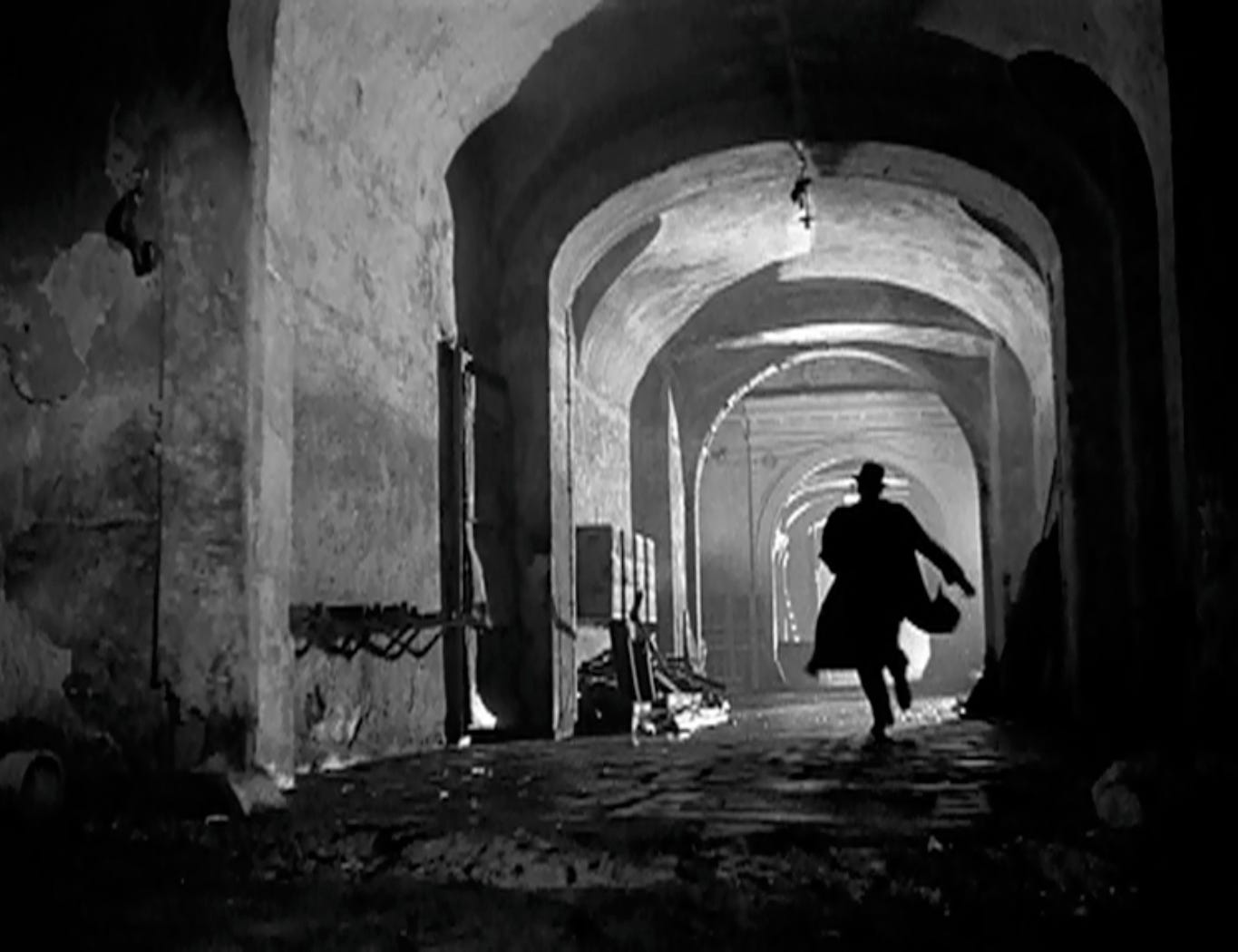
There’s a small sample of the Harry Lime theme in the UW Cinematheque musical intro that plays over their sizzle reel, that zither playing just a small hook right near the top. The Third Man boasts one of film’s greatest scores, a gorgeously shot film noir reuniting Joseph Cotten and Orson Welles in post-war Vienna. It’s a thrilling mystery, with strong characters, wonderful tension, and a killer ending. While Britain regularly celebrates it one of the very greatest British films ever, Americans tend to displace it a smidge - I gotta say, I think it’s actually a little underrated!
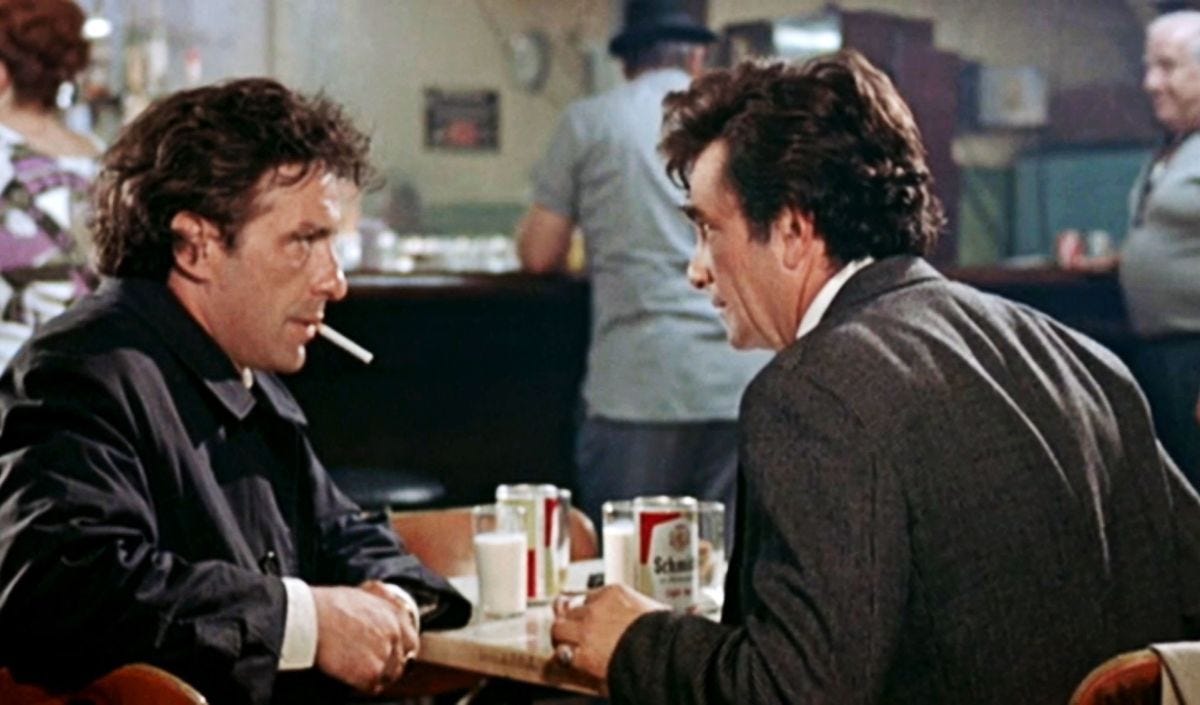
I adore Elaine May - all four of her films are masterpieces of different stripes, a master of comedy and character work, perhaps the greatest at riding the modern “cringe film” in New Wave Hollywood. John Cassavetes is perhaps one of the single most influential filmmakers of all time in his own right, his impact on acting still underrated in the mainstream conception compared to Brando and those actors who descend from Stanislavsky and Strasberg, and he’d made many of his most famous films already when he and frequent collaborator Peter Falk came onboard May’s crime film about one crazy night. The production went wildly overbudget, with miles of improvisation caught on film, and the battle May had with the studio got so bad that she hid two reels of film from them to prevent its completion - as a result, she wouldn’t direct for another decade. Watching the film now, it’s impossible not to see the blueprint for Josh Safdie’s last three films in Mikey & Nicky, the exhausting megalomania of a charismatic man leading you through the darkest paths of a night in New York City. It’s funny, deeply sad, and tense as a panic attack. The film played as part of Bleak Week programs earlier this year, and I’m thrilled we’re getting to see it exhibited now.
I genuinely gasped with delight at seeing Ishtar on the calendar - nothing is going to bring me more pleasure this season. Long lambasted as one of the worst films of all time, Ishtar is finally regaining an appreciative audience as we catch up to its comedic sensibility. Watching it now, Warren Beatty and Dustin Hoffman’s absurd anti-musicians Rogers & Clarke come across so clearly as a key predecessor to Nirvanna the Band, but also so much of what Will Ferrell was working out with John C. Reilly or what Christopher Guest would build toward with Waiting for Guffman. With songs by Muppets alum Paul Williams, photography by Vittorio Storaro, and delightful supporting performances from Isabelle Adjani, Charles Grodin, and Carol Kane, I think Ishtar is one (terrible) auction scene from being one of the absolute greatest comedies ever made. If you’re like me, you’ll have “Dangerous Business” stuck in your head for literal years.
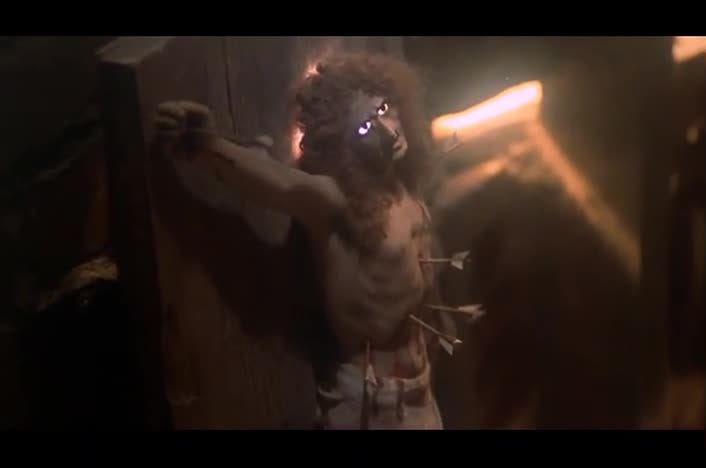
Apologies to Mike Flanagan and his fans for dissing a still-unseen remake, but until someone is willing to try to put the book’s Carrie White on screen, nobody is going to achieve anything De Palma and Spacek didn’t achieve with the first ever adaptation of Stephen King’s work. De Palma takes the story of this bullied girl who develops terrible power as the ultimate revenge play, a theater of blood that shocks the mind. Gorgeously shot and morally ugly, De Palma amps up the monstrosity of most of the book’s characters and creates one of cinema’s great villains with Piper Laurie as Mrs. White - he abandons some of the sillier science fiction moments of the book and focuses on the unnatural cruelty of these characters. Book purists (maybe rightfully) balk at Spacek’s casting, as the book’s emphasis on body shaming and superficial focus on looks just never feels quite the same directed at Spacek, but I think the performance we get is pretty undeniable.

I was sad to have moved back so soon after many of Mann’s films played the Cinematheque, as he’s a favorite director of mine whose work I’ve never seen theatrically. Manhunter is a fascinating adaptation of Red Dragon, the first screen appearance of Hannibal Lecter and quite a lot less operatic than Demme’s more iconic The Silence of the Lambs. Both Tom Noonan as the killer Francis Dollarhyde and Brian Cox as Lecter take on a quieter, more unsettling tone, better matched to William Petersen’s exhausted Will Graham. These characters are set against one another to create a reality that is not as dressed up as later adaptations, making their violence quite a lot more threatening. And Mann is in full force here as a stylist, the photography in his 80s films lurid when it isn’t intentionally antiseptic.
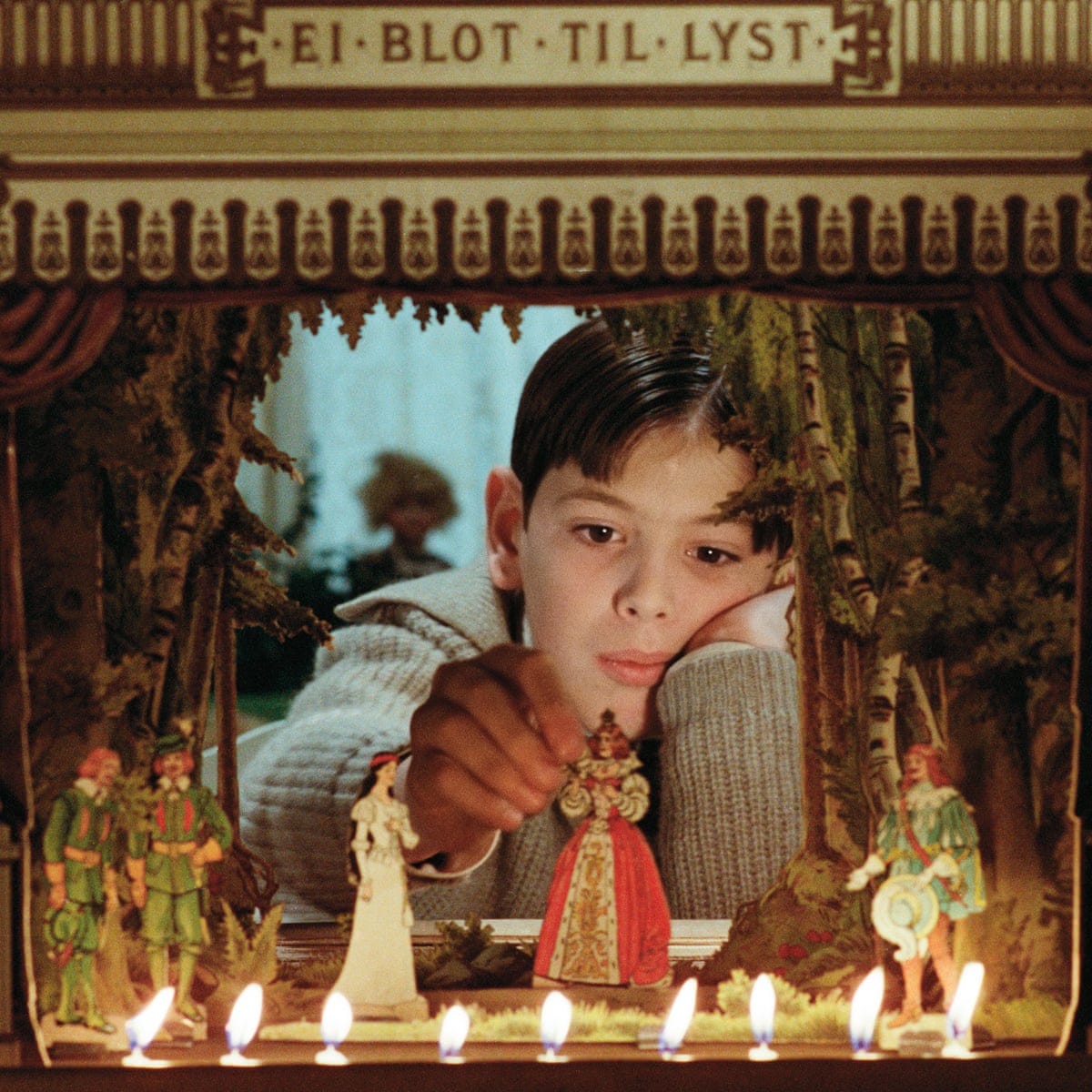
Unfortunately, this Christmas gothic story by Bergman is one I saw so long ago that I only half-remember why I loved it so much - I remember gorgeous, decadent visuals and a story that captures the moment the classical Victorian novel and the Gothic seem to split at the seams. I’m excited to be reunited with the titular siblings, whose happy life falls away after the death of their father at the hands of an authoritarian religious stepfather, as their performances haunt my mind only in fragmentary images. Shot by Bergman’s longtime D.O.P. Sven Nykvist, maybe one of the greatest to ever do it, I’m glad to get the chance to see this epic theatrically.
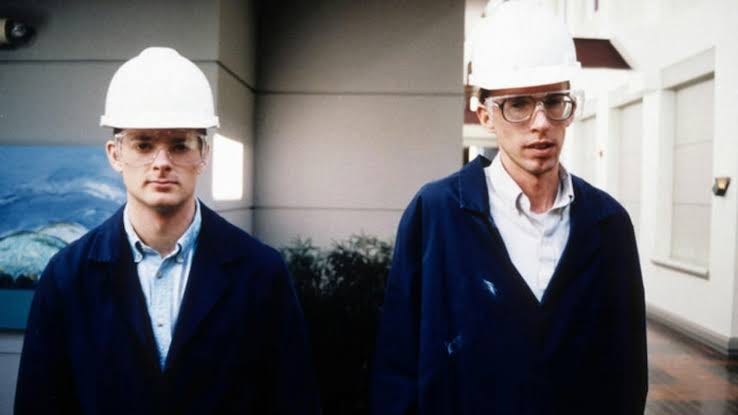
A Wisconsin meditation on working class labor, Chris Smith is probably better known for his documentary American Movie than this fiction film. I’ve seen comparisons to Frederick Wiseman and Chantal Akerman, so maybe expect some quiet mundanity more than uproarious laughter or drama, but I think any of us who have done wage shifts will find a lot to love here.
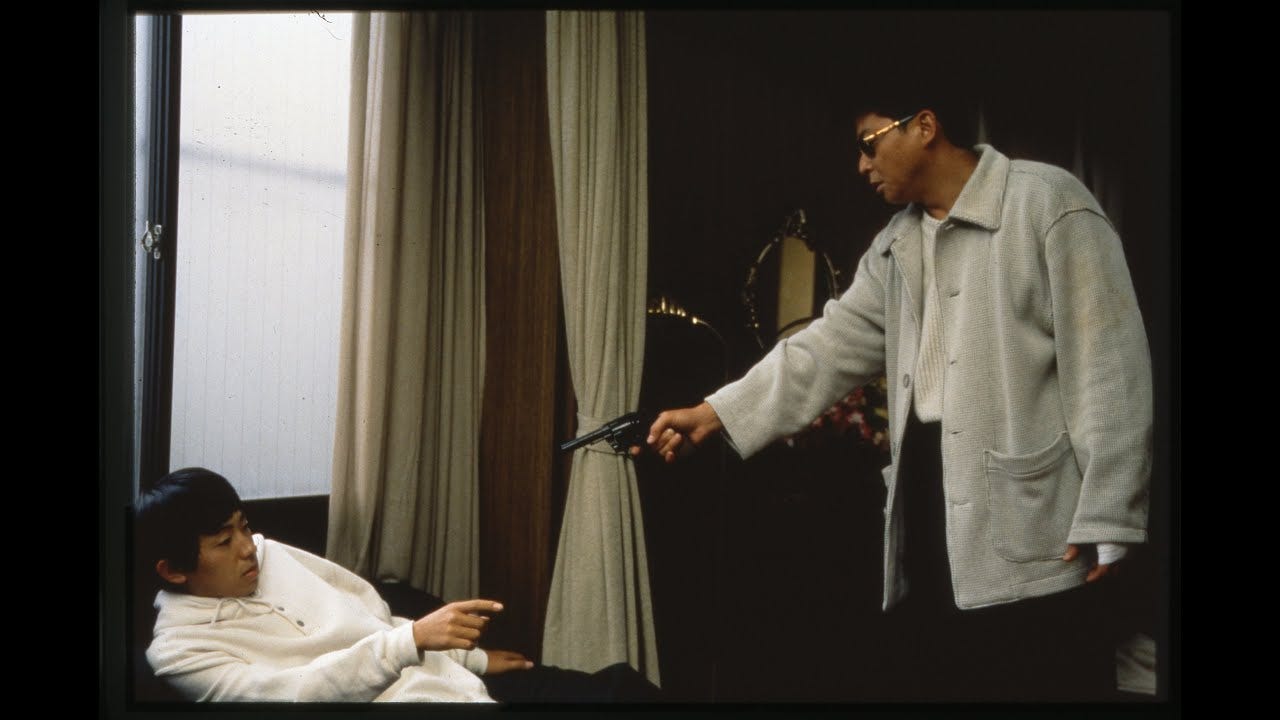
Sadly, I’ll be out of town for Kiyoshi Kurosawa’s original take on this story, one of many films produced in the few years between his horror masterpieces Cure and Pulse - Serpent’s Path is more of a wronged man crime thriller, a former yakuza avenging his daughter. Rather than reuniting Kurosawa with his crew for Cure, this is more the film where he works with future collaborators for the first time, including actors Show Aikawa and Teruyuki Kagawa and assistant director Tatsuya Yoshimura. They’ll be showing Kurosawa’s recent remake the next Thursday as part of the premieres series with a stacked cast (Ko Shibasaki, Mathieu Amalric, Hidetoshi Nishijima) and a relocation to France.
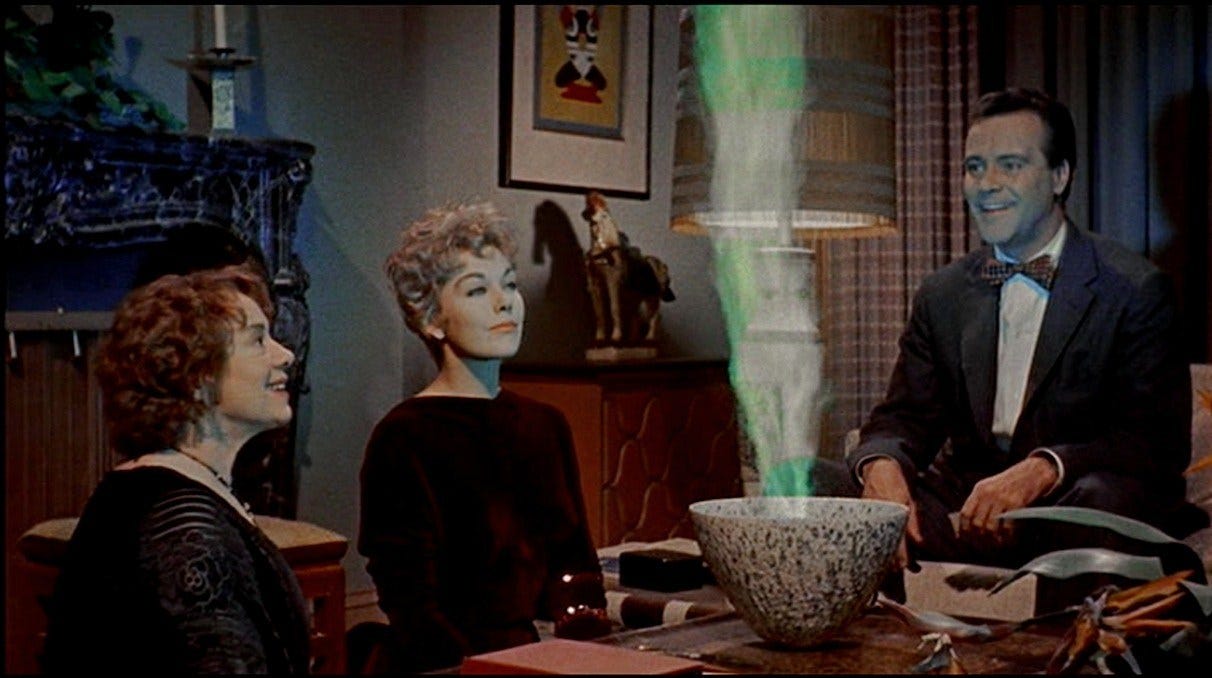
Kim Novak and Jimmy Stewart reunite in this supernatural romantic comedy a few months after Vertigo basically out of contract convenience - the producers originally wanted Rex Harrison and Lilli Palmer. No offence to either, really, but with Vertigo’s climb to all-time masterpiece status, I’m consistently compelled by the promise of a campy witch story starring those same leads. We’ve, of course, seen Stewart spellbound by Novak before, but this time the magic is up-front. Also, apparently Jack Lemmon plays a bongo banging warlock in this - I’m so sold.
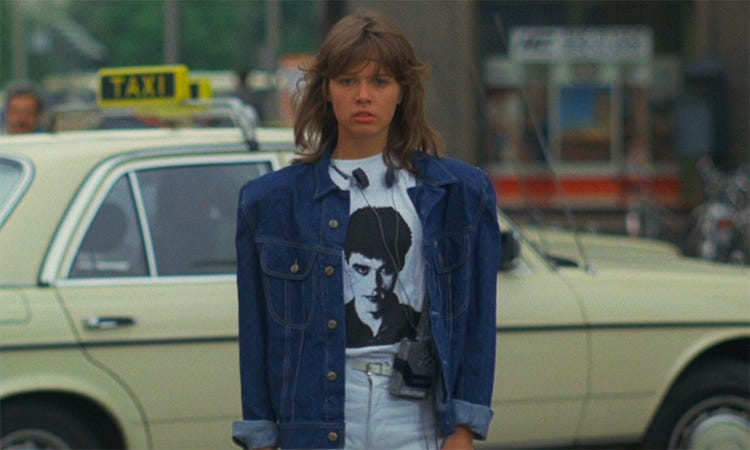
There are two true horror films playing this October, and as you already read I’ve seen Carrie - The Fan is new to me, and this restoration actually marks its first US theatrical release. When digging through old horror films, this one comes up not infrequently as a genuinely obscene and shocking film, a monstrous riff on falling in love with a rock star. In a year where horror is somewhat resurgent in the mainstream but seems to pull its punches, I’m looking forward to seeing something that actually freaks me out.
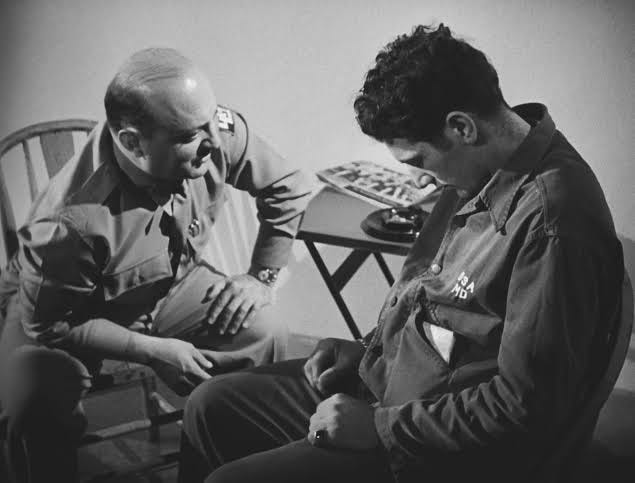
The US Army hired John Huston to make a propaganda doc about the soldiers returning from World War II and how mentally strong they were - Huston’s documentary was not deemed fit for propaganda. In fact, Let There Be Light was deemed a depiction of trauma devastating enough that the US Army banned it until the 80s. I remember growing up and PTSD still being essentially limited to discussions of soldiers, and typically soldiers who’d served in Vietnam. This film went on to impact films like The Master, which study that traumatized mind, and revisiting our understanding of the Greatest Generation is our only path to understanding the bizarre America of the 50s and 60s that led us to today.
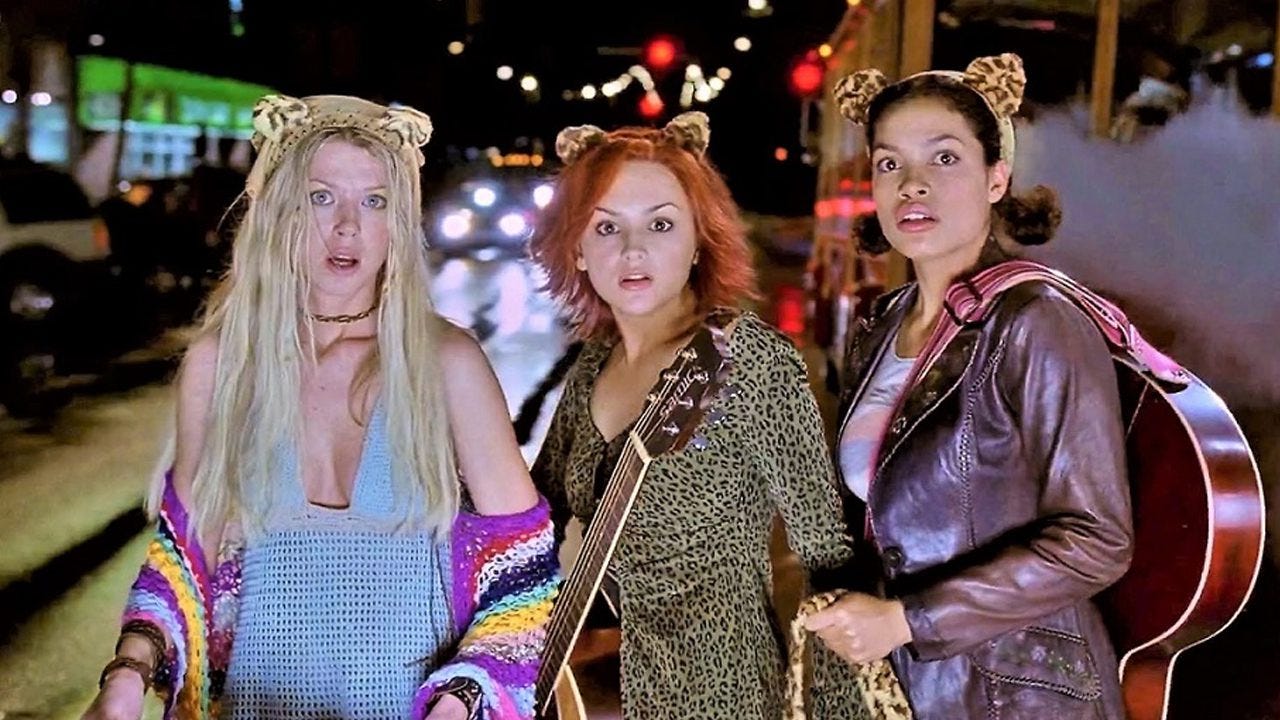
Josie and the Pussycats is a film I definitely saw as a child but don’t remember at all, instead being served clips of its outwardly satirical bent. The plot takes the titular band and places them at the center at a pop music conspiracy, using their ascent to fame to instill subliminal messages in the youth. Like the (inevitable) Verhoeven comparisons, this film doesn’t fully, reflexively reject the aesthetics it satirizes, relishing in strong songs by Adam Schlesinger and music video visuals. Being able to simultaneously roast Y2K and celebrate it feels honest to how many millennials remember those years, both mourning the exploitation of Britney Spears and singing full belt to “(You Drive Me) Crazy.” I’m excited to revisit the film.
I’ll be back later this week with my usual screening reports - if you’d like to see your film event, writing, or work highlighted in the newsletter, please email horizonlinemadison@gmail.com! And if it helps you to keep up with us, follow along on Bluesky or Instagram!
No posts
Comments
Nothing yet. Say the first thing.
Sign in to join the conversation.