
A long time ago, I worked in a bookstore, where a lot of thought and care went into curating recommendations and reading lists for customers. One of the elite versions of the reading list is the summer reading list: books that feel particularly indulgent or enjoyable to accompany the sunny days and travels of the season.
Summer here in DC does not match the vision of an idyllic summer by the beach—given we’re on the Potomac and experiencing heat waves and tornado watches—but we wanted to share some fun books to accompany the final month of your summer, whatever it looks like, that the Horizon staff have found particularly fun or insightful. If you have recommendations in a similar vein, please feel free to leave them in the comments! We’d love to hear what books you’d recommend to tech policy wonks.
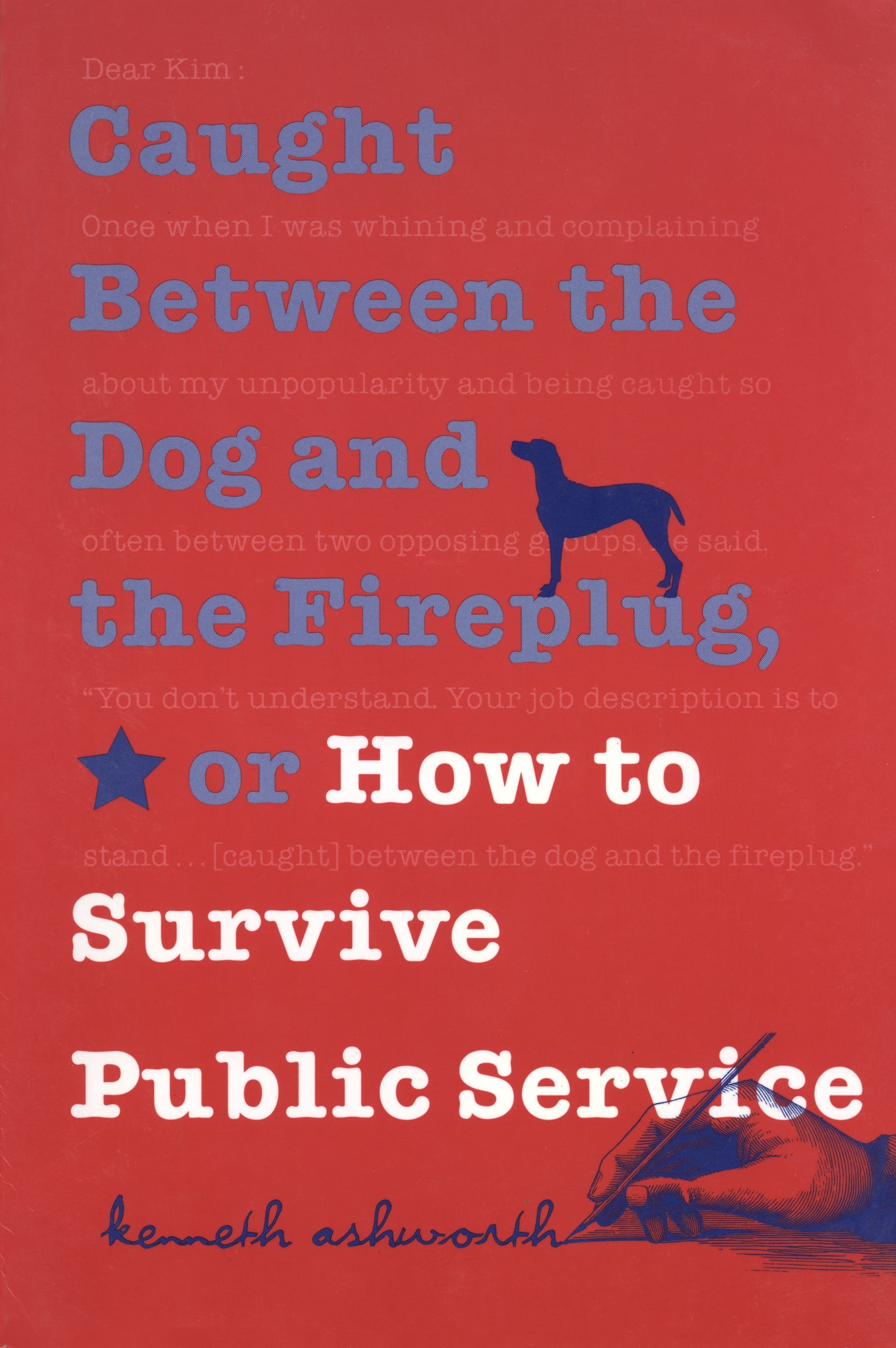
“A very enjoyable memoir from a former public servant, framed as a series of letters conveying anecdotes and advice to an up-and-comer. At the time of publication in 2001, the author, Kenneth Ashworth, had just completed nearly four decades in federal, state, and local government, including two decades as Texas Commissioner of Higher Education. While not often flattering, his stories of government service are somehow still uniformly inspiring, with a level of candor that’s probably facilitated by his frequent use of anonymity for the big personalities involved.” —Ryan
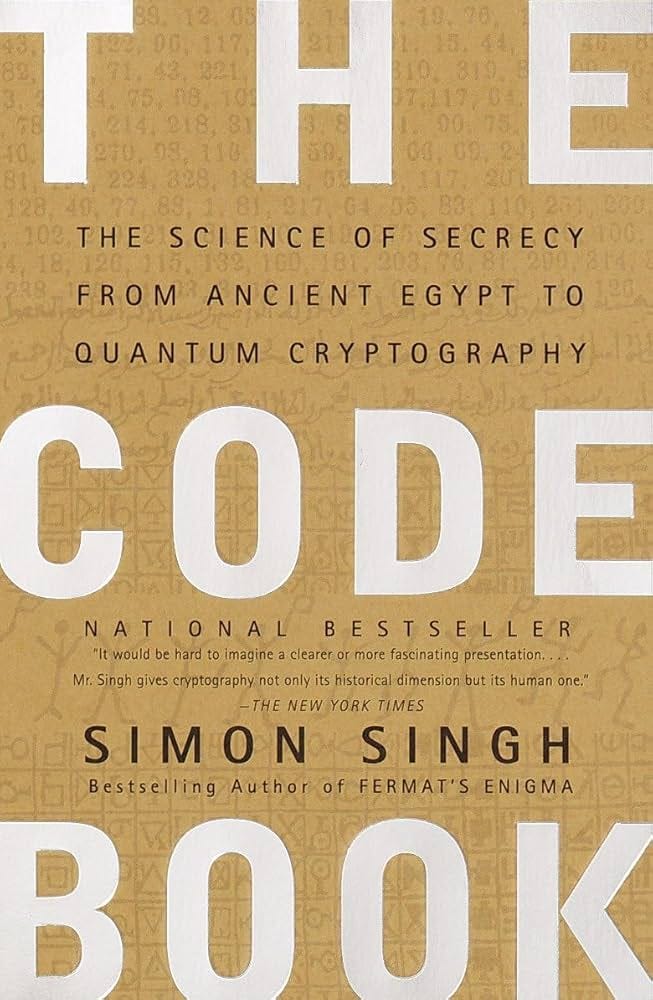
“A history of cryptography. Written in the late ‘90s, but still relevant for many technological discussions today: how technology changes the offense/defense balance of cryptography is super interesting to track throughout the book.” —Anna
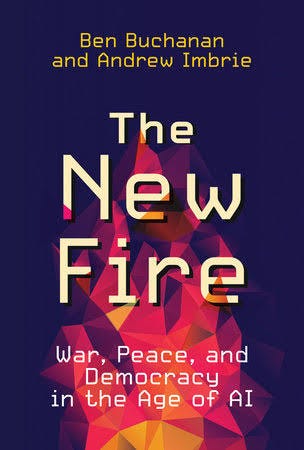
“The New Fire argues that AI, like fire, is a powerful force that can warm or burn depending on who wields it and how. The authors look at how ‘evangelists,’ ‘warriors,’ and ‘Cassandras’ are shaping AI’s use in statecraft, warfare, and democratic governance. Their core message is that democracies must actively steer AI’s development rather than cede that ground to autocracies. I like the book because it treats AI as a governance and policy challenge rather than just a technical one.” —Mikaela
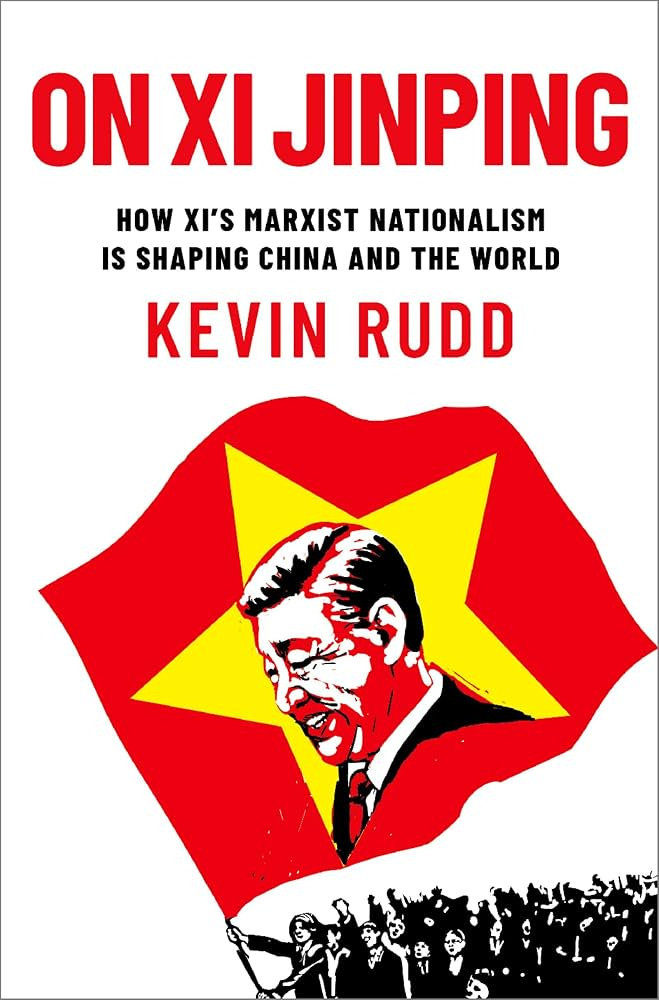
“The world’s three most important cities for AI policy are arguably DC, San Francisco, and Beijing. Understanding the first two is no small feat even for people who have lived in the US all their lives. But it can be even more challenging to understand China—while there are hundreds of thousands of Chinese students studying in the US, there are barely 1,000 American students doing the same in China. Consequently, any American hoping to work on AI or China policy could stand to read at least one book about Chinese political institutions. On Xi Jinping, by Kevin Rudd, president of the Asia Society and former Australian prime minister, is among the best available resources for understanding how Xi’s ideology shapes the actions of the Chinese government. ” —Jarom
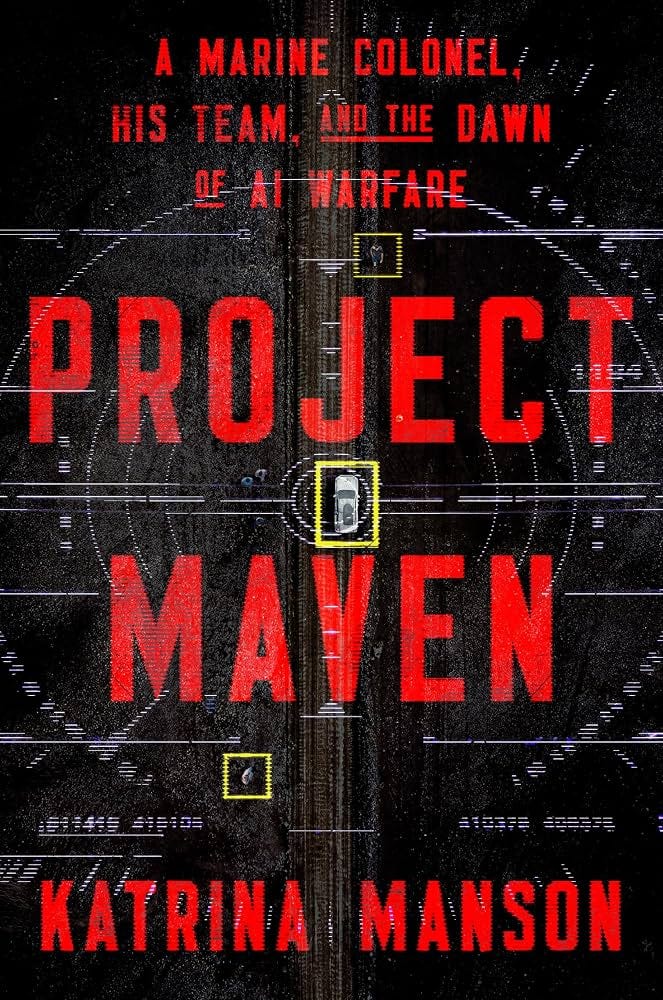
“A detailed journalistic account of a key project to develop AI warfighting tools in the Pentagon. Valuable for thinking about questions of state capacity, AI adoption, and the use of AI in high-consequence, ethically challenging scenarios.” —Ollie
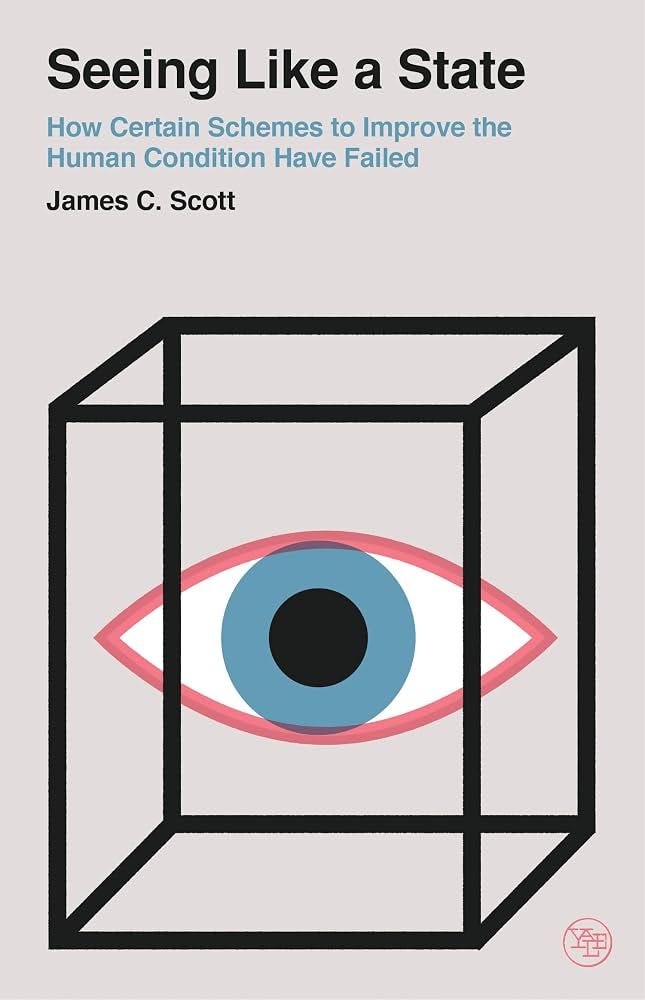
“Seeing Like a State is a book on how governments often push to make reality legible to state apparatus (e.g., for taxation or urban planning) and the unintended consequences that flow from those pushes. Often the unintended consequences are large and bad, especially when state officials lack some implicit knowledge about the systems they’re trying to regulate or make legible. I recommend it because it’s a great reminder of the law of unintended consequences — that unintended, second- or third- order effects can dominate the intended effects of a policy.” —Kevin
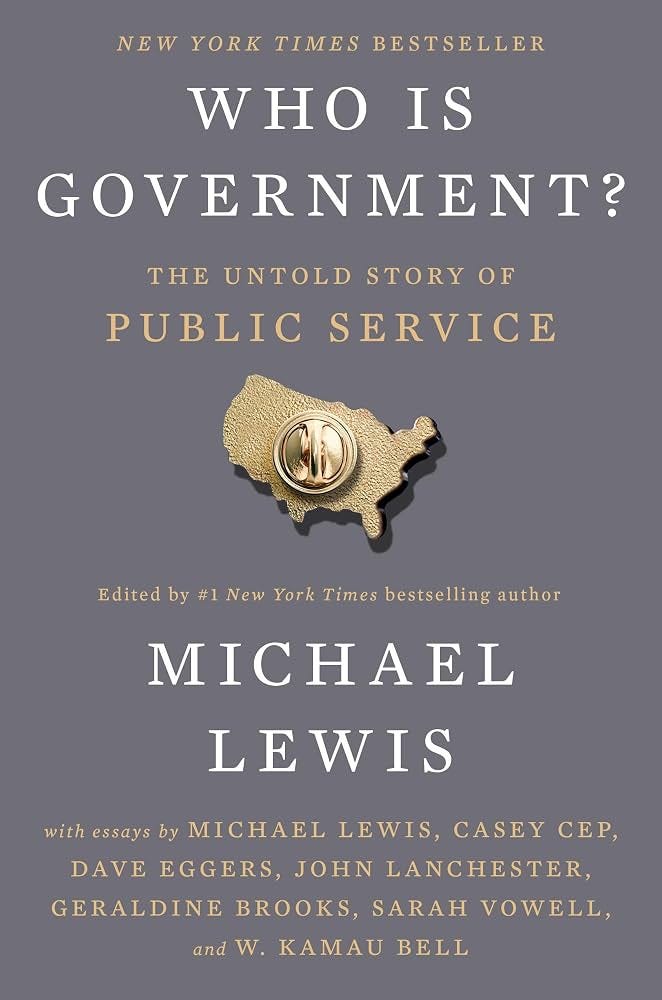
“Michael Lewis and other writers profile federal employees doing jobs most people don’t know exist—the standout for me was a coal mine safety researcher who all but eliminated roof collapse deaths in coal mines. I’d hand it to anyone trying to picture what a career in government can feel like day to day and what you can accomplish, which is harder to find written down than it should be.” —Emma
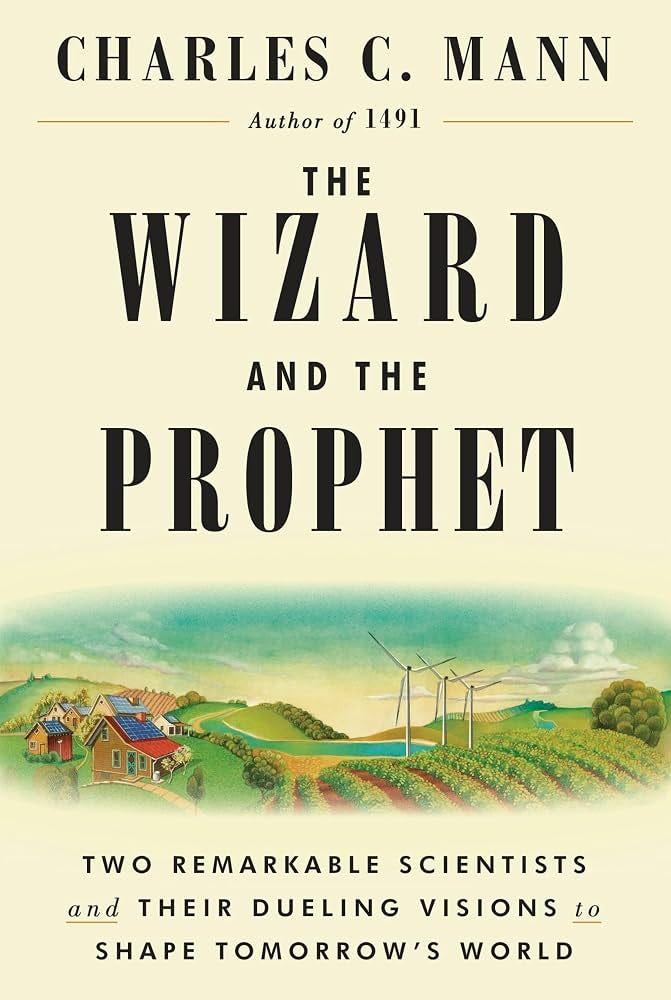
“Wizard and the Prophet explores the competing views of techno-optimism and environmental conservationism through the lives of two twentieth century scientists. Very interesting for thinking about contemporary abundance and acceleration debates.” —Ollie
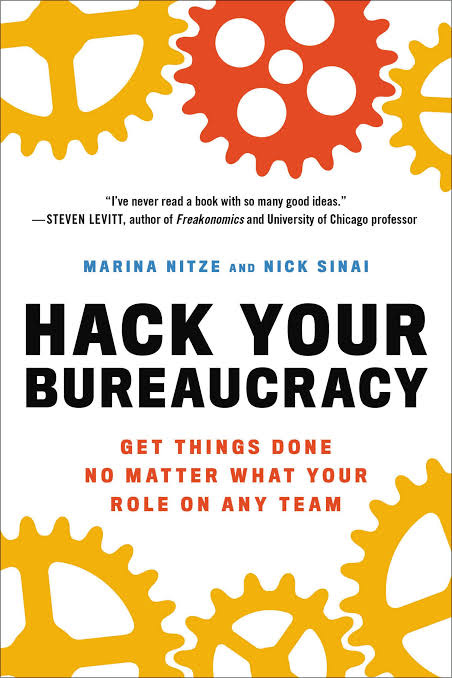
“An essential guide to getting stuff done in and around government, especially if you’re new to that world. Tech folks have so much to contribute in public service, but also often fail to understand how to work the system, causing them to accomplish less than they could have and to have a worse time on the job. This book will help you avoid that. Plus, it’s a light and fun read with lots of great stories!” —Remco
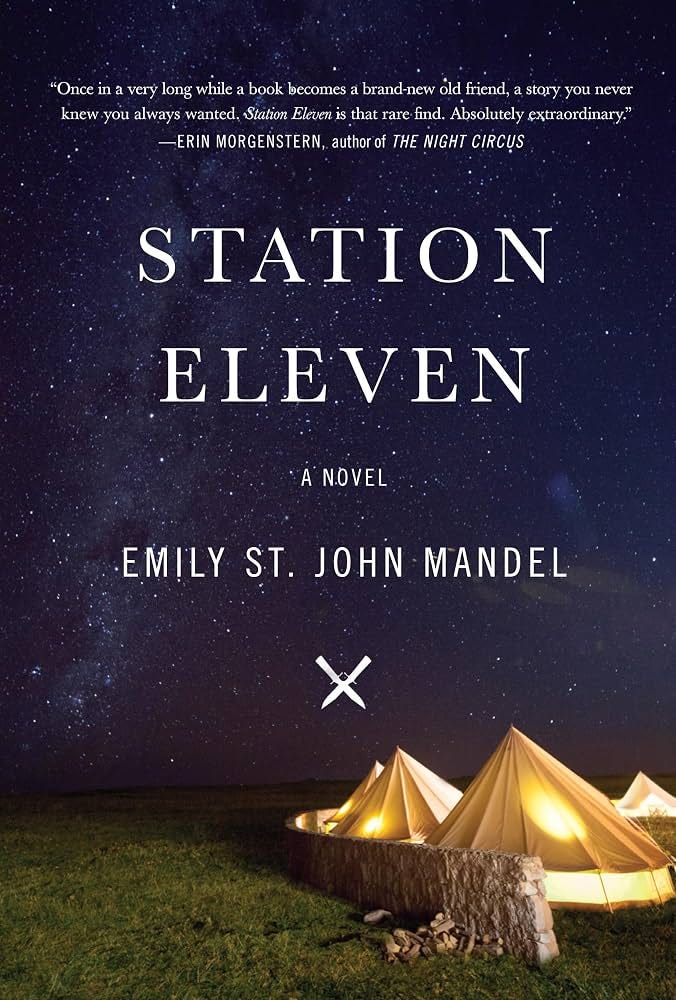
And one fiction pick to close out: “Station Eleven tells the story of a troupe of actors and musicians who travel the Great Lakes region performing Shakespeare, after surviving a flu pandemic that has wiped out the vast majority of the population and caused civilization to collapse. Published well before COVID, Station Eleven eerily captures the uncertainty and panic of the early pandemic days, and hauntingly imagines what could happen should a catastrophic pandemic eventuate. It also renders the human side of collapse so vividly—the devastation and fear, but also the resilience, the art, and the hope to rebuild.” —Sarah
Happy reading and happy summer!
No posts
Comments
Nothing yet. Say the first thing.
Sign in to join the conversation.