

Fever? What should we do? The prevailing reaction to fever is to view it as the enemy and suppress it, but fever is evidence that your body is fighting. Let’s support His design.
“I will praise You, for I am fearfully and wonderfully made; Marvelous are Your works, And that my soul knows very well.” - Psalm 139:14 NKJV
Sniffles, sneezes, coughs, and fever are beneficial defenses. Recognizing their roles helps us avoid unnecessary suppression. Sneezing and coughing clear the airways of harmful irritants, while fevers help the body fight viruses and bacteria.
Fever is not a symptom to suppress; instead, it plays a beneficial, protective role in defending us against infection. Mucus is the body’s natural way to clear infection. We blow our noses, cough, and run a fever. Each of these reactions to infection is our friend, not our enemy! Coughing, though a nuisance, is the body’s natural way to clear infection from the lungs, while fever is designed to heat the body and kill the infection.
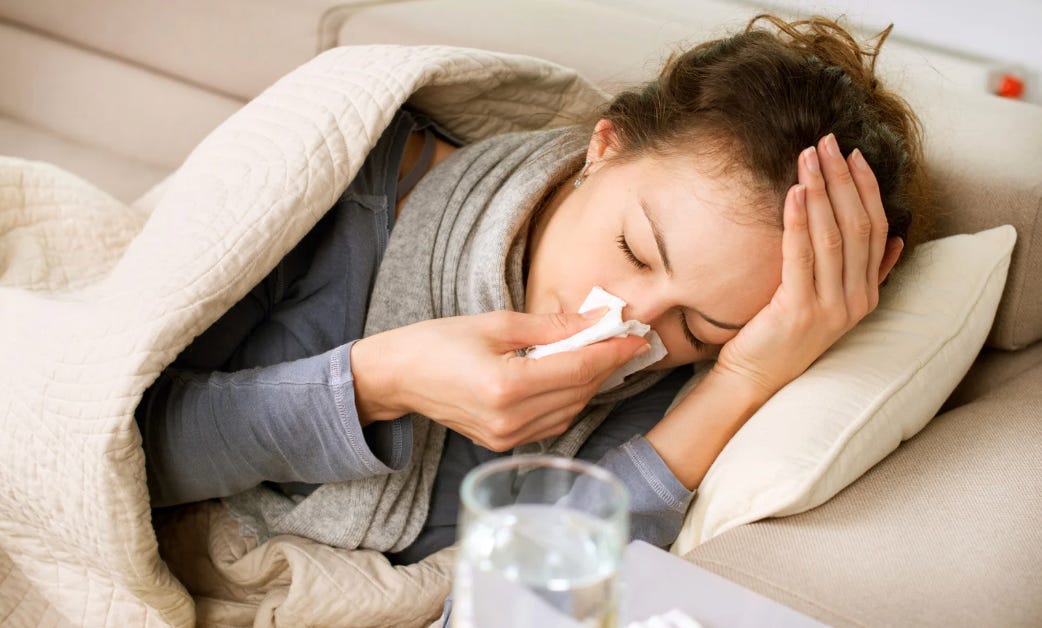
When we interfere with these natural, protective mechanisms, we remove the very defenses the Lord intended to help us heal and recover. We want to support the immune response, not shoot ourselves in the foot by dismissing our defenses simply as nuisances to mask, reduce, or suppress. Reducing fever and suppressing coughs may actually allow the infection to move deeper and become more serious, hindering recovery rather than facilitating it.
Susan Markel, MD, wrote: “The pervasive belief that fever is dangerous and must be suppressed disregards the scientific evidence demonstrating its beneficial role in inflammatory diseases. The immune system relies on fever to accomplish myriad tasks as it gears up to fight infections. Numerous studies have shown that fever enhances the immune response by disabling bacteria and viruses. Also, with a temperature rise, iron is removed from the blood and stored in the liver, further disabling the rate at which bacteria can multiply.” 1
Dr. Robert Mendelsohn wrote: “Fevers produced by viral or bacterial infections will not cause brain damage or permanent physical harm. Fevers are a common symptom in children and are not an indication of serious illness unless associated with major changes in appearance and behavior or other additional symptoms such as respiratory difficulty, extreme listlessness, or loss of consciousness. The height of fever is not a measure of the severity of the illness.” Scientific evidence does not support the practice of reducing fever. 2
Stay hydrated
Eat protein and micronutrients (zinc, vitamin C, vitamin A, selenium)
Eat real, nutrient-dense foods that supply immune-critical minerals and vitamins — especially with adequate protein.Protein sources: eggs, chicken, turkey, beef, lamb, salmon, sardines, bone broth, Greek yogurt, cottage cheese, beans, lentils
Zinc sources: beef, lamb, pumpkin seeds, chickpeas, lentils, eggs
Low zinc results in a weaker immune response and slower healing.Vitamin C sources: citrus fruits, kiwi, strawberries, bell peppers (especially red), broccoli, Brussels sprouts
Vitamin A sources: liver (small amounts - it’s very potent, egg yolks, butter, whole dairy
Vitamin A is especially important for respiratory and gut immunity.Selenium sources: Brazil nuts (1-2 per day meets most needs), sardines, tuna, eggs, sunflower seeds, turkey
Low selenium has been linked to worse viral outcomes with some infections.
Limit refined sugar, especially soda, candy and fruit juice
Don’t restrict calories aggressively when sick — Your immune system needs fuel to work.
Vitamin C supplement to bowel tolerance. White blood cells can effectively absorb Vitamin C, provided there is not too much glucose in the bloodstream. It is essential for white blood cells to destroy pathogens.
Sugary drinks and treats (soda, juice boxes, candy, sweet cereals): These are poor choices and spike blood sugar, may worsen inflammation and diarrhea, and displace nourishing foods.
Fried and greasy foods (fries, nuggets, chips): These are difficult to digest and can increase nausea or stomach pain.
Rich dairy treats (ice cream, cheesy casseroles) when congested or queasy: These can feel heavy and may worsen mucus or digestive upset in some children.
Alcohol and caffeine (wine, cocktails, energy drinks, strong coffee): These promote dehydration and can interfere with sleep and immune recovery.
Highly processed “easy” meals (frozen dinners, instant noodles, fast food): These are low in micronutrients and often high in sodium, sugar, and poor‑quality fats.
Heavy, spicy, or greasy comfort foods (pizza, burgers, creamy take‑out): These foods increase gut irritation and inflammation when the body needs energy for healing, not digestion.
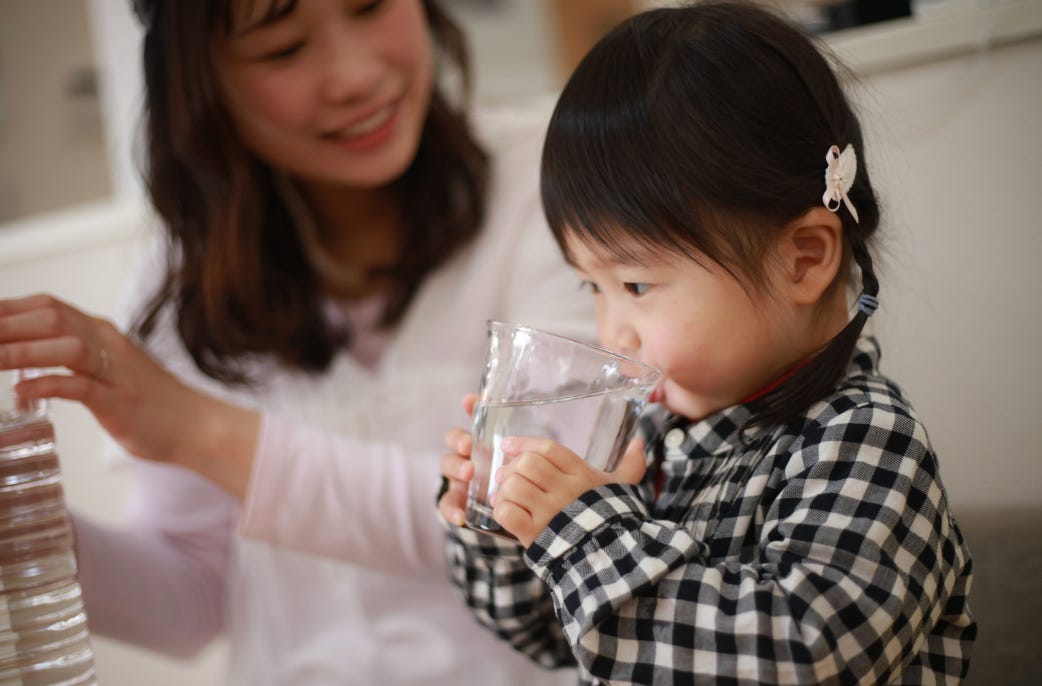
While the body is fighting, be sure the patient rests and drinks enough filtered water and other liquids to stay hydrated. Our favorite is homemade bone broth (lightly salted), and we avoid drinks with sugar, including fruit juice. Recovery time is shortened when the body is adequately hydrated and allowed to put all its energy into fighting. Good hydration options:
Filtered Water
Bone broth (homemade or low-sodium, organic store-bought brands like Pacific or Imagine)
Coconut water is a good option. It is rich in potassium and naturally sweet.
Herbal teas (for a child, choose appropriate teas such as chamomile or weak ginger)
Electrolyte mixes in filtered water, such as LMNT
If a child refuses other fluids and you must give juice, dilute it by mixing ½ juice with ½ filtered water and administering small amounts.
High blood sugar can weaken the immune response, making infections easier to develop and more likely to persist.
Dr. Ronald A. Saltman, D.C., wrote, “… fever is a built-in mechanism of repair. The muscles around the bones become warm in order to leach what is called IONIZED CALCIUM from the bones … The ionized calcium is needed by the body to activate white blood cells. Our white blood cells are our defensive cells that attack invaders of our blood, such as bacteria and viruses. The best source of ionizable calcium is [Standard Process] Calcium lactate. It has been shown to be very beneficial in overcoming and/or preventing calcium deficits.”
By providing a calcium lactate supplement when a fever presents, we assist the body by providing the ‘fuel’ it needs, greatly reducing or eliminating the need to leach calcium from the bones. We feel less achy and facilitate healing. In our experience with family and friends, taking Calcium lactate ‘amazingly’ eases the discomfort of fever, providing gentle relief that encourages your loved ones to rest and recover. The goal is not to reduce an effective fever, but to ease discomfort while allowing the fever to serve its role in the body’s healing process.
Dose for Children
Dr. Saltman wrote: “For children who are still on a bottle, two to four tablets (10 grains) can be dissolved in non-fluoridated, non-chlorinated water. The fluorine or chlorine in the water will bind with the calcium and make it not free. If you give your child soy milk, it will dissolve in it very easily. For older children or adults, taking it with juice or water on an empty stomach is preferable. These dosages can be taken every hour or two until the temperature returns to normal.”3
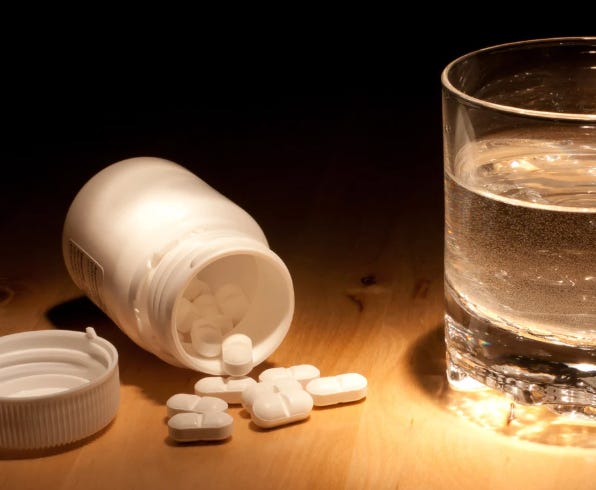
This research is critical to understand. Acetaminophen (Tylenol) lowers glutathione, and “glutathione is essential for the immune system’s proper functioning and is vital in building and repairing tissue.”4 When people take Tylenol to reduce fever, aches, and pains, they may inadvertently hinder the body’s natural ability to fight infection by depleting it of a critical component (glutathione) that the Lord provides for healing.
American Chemical Society Glutathione Research Study
“When the antiviral activity of GSH [glutathione] is taken into account, individuals with glutathione deficiency seem to have a higher susceptibility for uncontrolled replication of SARS-CoV-2 virus and thereby suffer from an increasing viral load.” More studies are linked in the footnotes below.5

While it is rare that a fever is truly an emergency, here are some warning signs that should be discussed with your health care provider immediately:
difficulty breathing or breathing rapidly
repetitive vomiting
signs of dehydration such as dry mouth, no tears, very little urine
lethargy, hard to wake or loss of consciousness
stiff neck
severe headache
twitching
heatstroke-induced fever
poisoning-induced fever
fever over 102–103°F (38.9–39.4°C) that doesn’t respond to fluids/rest and lasts longer than 48-72 hours
fever higher than 105°F
Hydration helps, but it does not replace medical evaluation when the above signs are present.
Children with fevers need special consideration, and it’s always best to discuss your concerns with your health care provider when you feel uncertain (such as a baby under 3 months with a rectal temperature over 100°F, or a 3-12 month old with an oral temperature over 102°F, or a child under 2 years with a fever lasting longer than 24-48 hours.) Robert Mendelson, MD, wrote: “High fevers do not cause convulsions. [Convulsions] result when the temperature rises at an extremely rapid rate and are relatively uncommon.” Research shows that febrile seizures are usually benign and do not cause brain damage. “Fever phobia, an exaggerated fear of fever in their children, is common among parents, who have a poor understanding of fever and little or no information about its beneficial role in diseases … Fever per se is self-limiting and rarely serious provided that the cause is known and fluid loss is replaced.”6
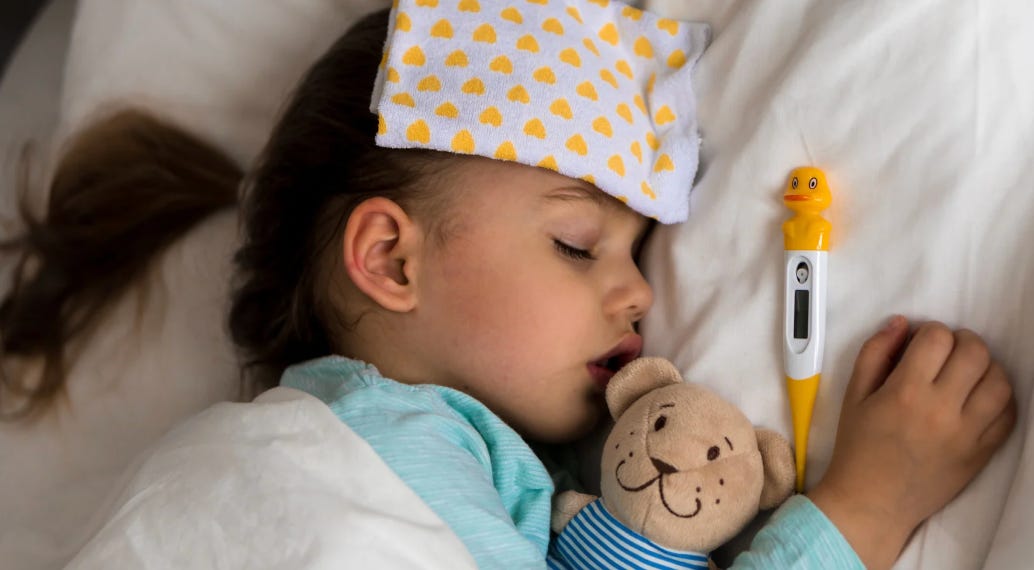
These essential oils are known to have febrifuge (fever-reducing) properties and may also ease discomfort: Bergamot, Roman Chamomile, Eucalyptus, Lavender, Peppermint, Tea Tree, and Blue Yarrow.
Pour 2 cups of cool water into a non-reactive bowl.* Combine 2-3 drops Roman Chamomile, Ginger, Lavender or Lemon (age-appropriate for a child) with a few drops of a carrier oil, then add this combination to the cool water. For an adult, consider also using Cajeput, Hyssop var decumbens, Peppermint and Spearmint. Stir well to disperse the essential oil. Soak a cloth and wring out enough water so the cloth doesn’t drip. Place on forehead, repeating as often as desired.7
Fill the tub with cool to lukewarm water, deep enough to cover as much of the body as possible. In a non-reactive bowl,* combine 1 tsp liquid castile soap and 1-2 drops Roman Chamomile, Ginger, Lavender or Lemon (age-appropriate for a child). Add to the tub along with a few slices of lemon and agitate to disperse. Bathe/Soak for 20-30 minutes, if possible. For an adult, you may want to consider using Cajeput mixed with 2 tsp raw honey.8
*By “non-reactive,” the authors refer to a bowl that will not react to essential oils, as plastics tend to. Choose glass, stainless or ceramic.
These are the top three remedies our family uses to address an illness with a fever. We are not treating the fever; rather, we use the body’s symptoms to determine what it needs to facilitate healing.9
Aconite 30c - First sign of illness; sudden onset with high fever, pale, chilly, worse from cold, dry wind
Belladonna 30c - Sudden onset with high fever, bright red
Chamomilla 30c - the teething-fever remedy; child is inconsolable and irritable
Fever can be alarming, especially when it occurs in a child, but it most often indicates that the body is functioning as it should. Instead of focusing on reducing the fever, a supportive approach can help the immune system function as designed while ensuring comfort and safety. With proper hydration, gentle nourishment, and careful monitoring, most fevers can be managed comfortably at home, where you can support the Master’s design. We are truly “wonderfully made.”
*Photo credits: Canva Pro
Purchon, Nerys, Cantele, Lora, The Complete Aromatherapy & Essential Oils Handbook for Everyday Wellness, pages 26, 231-232, 172-173.
Purchon, Nerys, Cantele, Lora, The Complete Aromatherapy & Essential Oils Handbook for Everyday Wellness, pages 26, 231-232, 172-173.
Comments
Nothing yet. Say the first thing.
Sign in to join the conversation.