
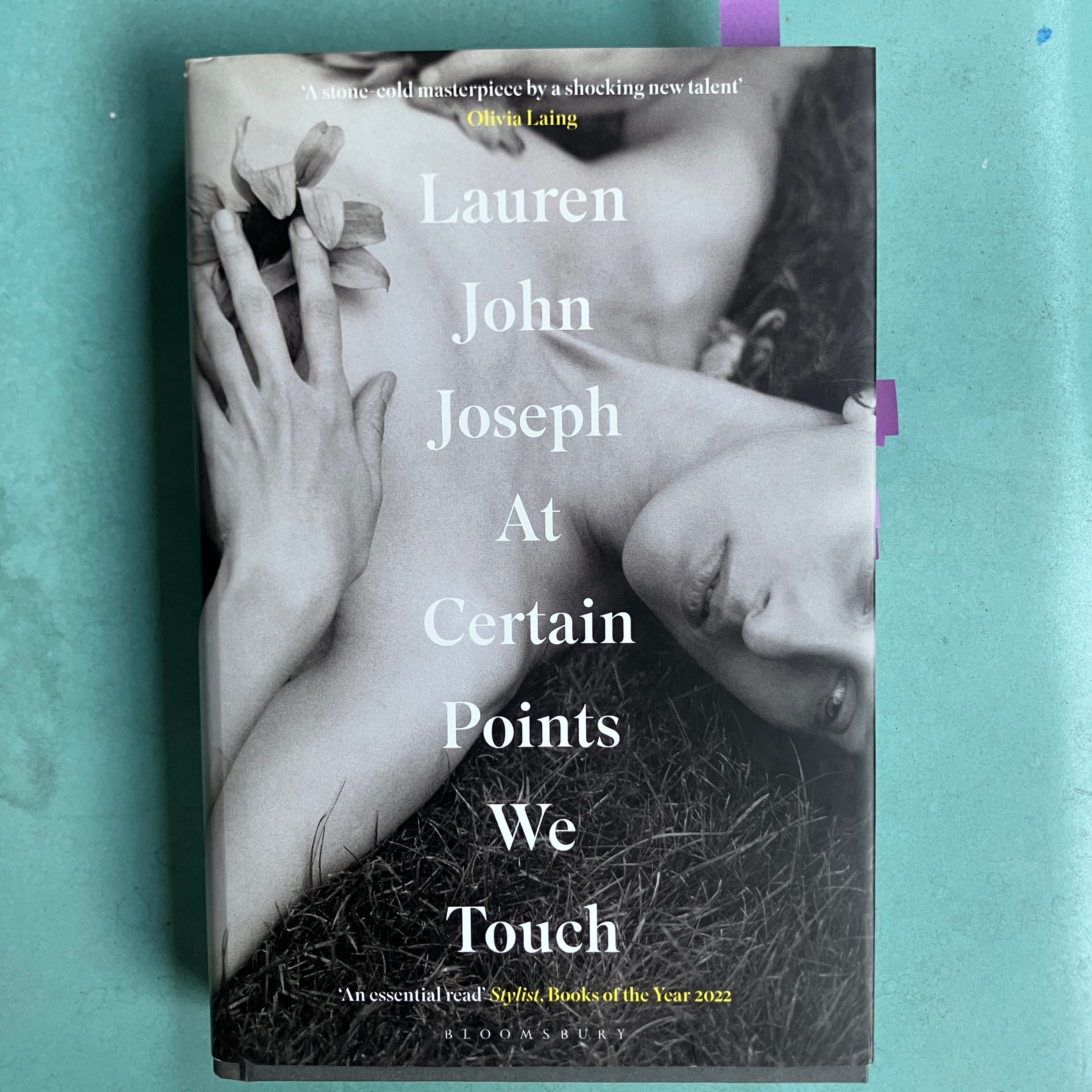
This afternoon, on the couch, I finished the last 100 pages of Lauren J. Joseph’s At Certain Times We Touch. An extended, slow motion gut punch of grief, youth, and frenetic energy1 that tells the story of a relationship and a death as a clear before and after.
I am left in my own stew of before and afters. Of deaths and love and wasted time and aging.
It is Saturday, the only day announced on my calendar as a day off, even though it is often marked with a class or an event, or necessary administrative catch up. Some days I make lazy plans with friends, sit in the forest or a river until we forget the time.
I take afternoons off for swimming, or I clear a morning to write. My schedule is the skeleton for the week, arranged and rearranged according to weather and headaches.
Last month, I signed up to participate in a neighborhood wide yard sale. Remember reading the classifieds, or craigslist, and making a plan, a list of sales to try? Portland neighborhood associations make it easier with one day or weekend for localized sales. Convenient and celebratory, a chance to wave to your neighbors, or explore the pots and pans of multiple sales.
For the past six months, there’s been a stash in my basement, mystery boxes labeled “yard sale” with no plan for one until the notice came for my neighborhood. I signed up.
Unpacking those mystery boxes, I realized I had a lot of odds and ends, and a few items of clothing that would appeal to a very specific few.
Now, a migraine waits on a ledge in my skull, the biggest culprit for plan-cancelling. I had a month without needing any migraine meds, a first in years. At last! I have learned to go home when I need to! I have cracked the code!
As soon as I tell this to five people, a spell is cast and for the weekend, no food appeals to me, and the headache ebbs at the lip of my thoughts.
Three hours into the yard sale, I move everything to the curb, into a box labeled “FREE,” turn down a walk with a patient friend, and do something I rarely do: sit on the couch for two hours and read.
But it takes time and practice.
Joseph’s book has me uneasy with remembered grief for dead friends and ephemeral youth. I feel like I do when I drink now— sitting with stirred emotions, soaked in nostalgia, too soppy to write and too ruffled for sleep.
I know I need rest, I know because I feel drained, emptied. As a self-employed artist, I schedule days off so I might not burn out. I make as much space as I can in my calendar, and when I see the days piled together, classes stacked back to back with appointments, I make space later in the week. I often cannot tell if I am tired because of doing too much, or because of a sleepy inertia. Usually, it is exhaustion, but the deeply ingrained push to DO MORE has me doubting my own limbs.
At five, I shuffle around the block. The sales are over, the stragglers return to their quadrants, and I sift through a few free piles, as if I am waking from a dream.
In a Homework Club meeting2, Beth Pickens reminded a zoom room full of artists that on top of day jobs, we come home and have a second (or third or fourth) job making art.
When I heard that, it was the diagnosis I needed.
She also recommended planning for one day off a month, with nothing scheduled. Again, I am good at making schedules but bad at sticking to them strictly, I take a wandering day whenever I can. I might take the streetcar to Torea’s studio, eat curly fries, and laugh about whatever is funny in the moment. I might stop at the art museum, or drive to the river.
Three weeks ago, the day after my 49th birthday, I woke with a stiff knee that refused to straighten3. For the following week, I walked no more than a half mile, read, wrote, iced my knee, napped. I made no plans, hoping to heal enough to print, which I did, then rested for the remainder of the weekend.
The crumbling body is a truth.
By the 3rd day of knee rest, I brought out my computer and worked on a story. I spent three days re-imagining a rough draft.
This story has no future home, no deadline. It is a story I was reminded of when an old friend was gifted a Keep Writing subscription, putting us back in contact after 30 years.
Do you make anything just for the sake of making it? Make something beautiful or full or rage or goofy or delicious, just because? I haven’t been doing that so much lately.
Even now as I write this, I know it will be shared in a few days. I have a map to draw, a collage to rip, a story to edit, all of them work, and fun but work.
Joseph’s book reminded me of the need to share a story.
I have two collage sketchbooks on my desk, and for the past year, the spaces between entries is weeks, then a month at a time.
I notice, decide what warrants change, adjust. I am very comfortable trying a new habit, for as long as it helpful, then dropping it if it is not. Useful but forgotten habits are re-integrated. Un-helpful activities, dropped.
In May, which was approximately eight years ago in time experienced, I moved my press into a new home. I say “I” though most of what I did was call the moving company over and over and over. I have been saying it is “rehomed” because it is a somewhat complicated arrangement, where I will still be printing on my press for the next year, but by then it will no longer be “mine.” When I told Aubree this, she stated: you’ll be a printer without a press.
Yes. Again.
I was a printer without a press in California, and when I returned to Lousiana. I bought my first press just a month before I bought Tiny, the 2,500 lb stone I tied my profession to. Before that, I was a printer without a press for eight years. Keep Writing was printed on borrowed presses—at LSU, at Blackbird Letterpress, at SFCB, on Ben’s Universal one, at Painted Tongue, Baskerville, and then finally on my own press. Keep Writing inspired the purchase of my press, with dreams of expansion.
After 18 years, the subscription rate is still slightly below 200, admirable, but not worthy of the workhorse I fiddle with monthly, coaxing another card from it. When printing was no longer my job, I began to let go of the press.
A few weeks ago, in a moment of exhaustion, I imagined what it might be like to stop making art. What if I came home from work, and read a book and saw my friends and did not have endless to do lists of ambitions. Lists I frequently edit to become more reasonable AND YET I AM EXHAUSTED. It sounded liberating. Would I be satisfied? What if I never finished writing a book? Would my friendships deepen? Would I be lonely? Would I volunteer more? What if I read all the books at my bedside? Would that be enough?
As I read the last hundred pages of At Certain Points We Touch, borrowed from the library, I used post it notes to mark memorable bits about grief. There were too many to copy into my notebook. Before I finished reading, I ordered a copy of the book to mark up as I like, to stack net to my bed.
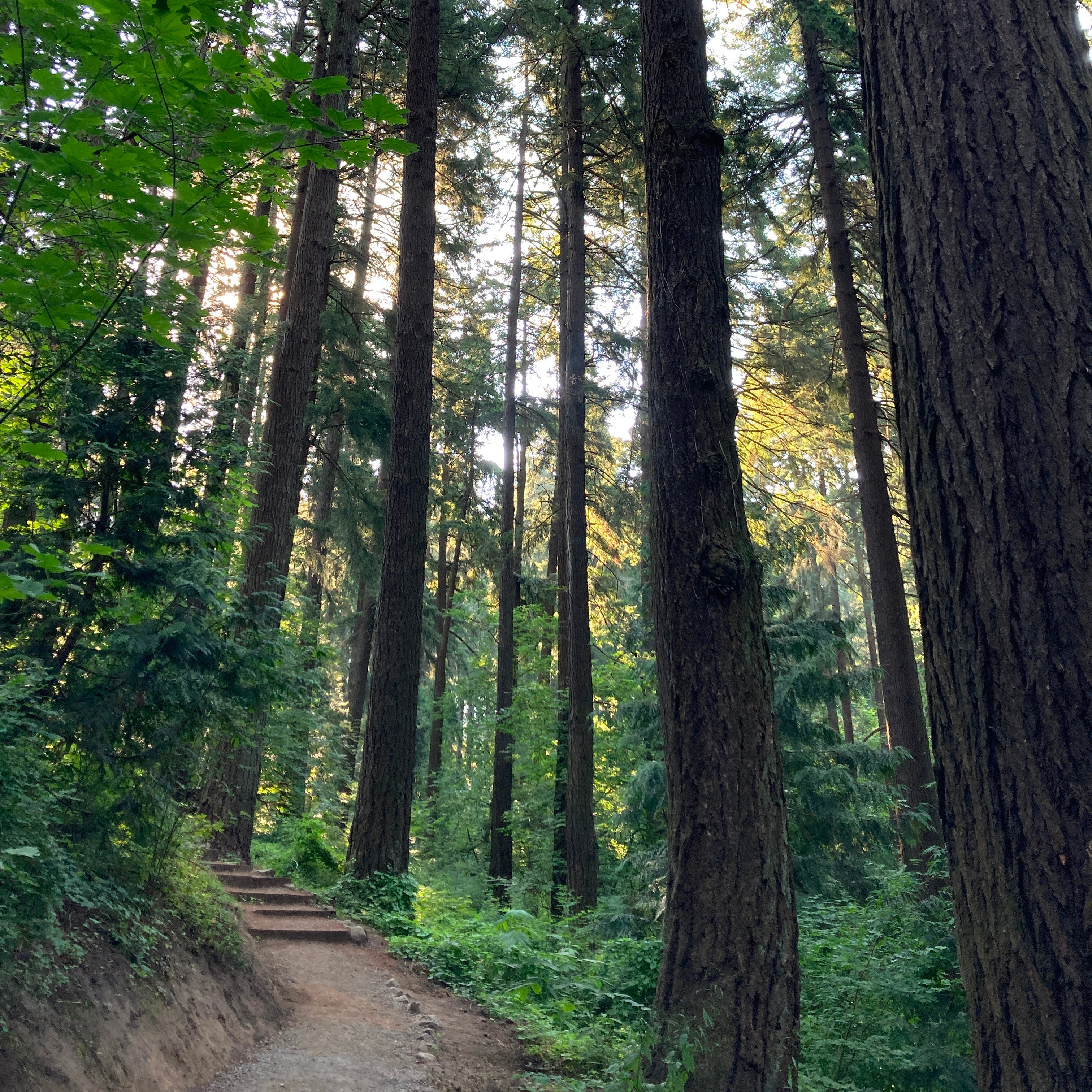
The following day, I printed this month’s Keep Writing card. The day after, I cancelled all my plans, rode my bike up and up into the park that borders my neighborhood. Surrounded by trees, and the sickly sweet stink of rotting blackberries, I dictated a note4, a new opening to a project maybe no one will ever see but me.
Maybe. Maybe I’ll never finish it. The artless life seems dreamy, if only for more time in my days. I can’t remember a time, since high school, that I didn’t have a project to work on, a story, a book of poems, a poster, a zine. Is the art practice bringing me down, or the day job. I think you know the answer.

without laughter we’d be crying.
chop wood, carry water is a round up ACTUAL GOOD NEWS and a list of small actions you can take!
that’s all! take care of each other!
Hope

and a lot of queer sex. not that much, not really. but enough to note. It’s not Heated Rivalry nor it is as restrained as Pride and Prejudiced (other books I’ve read recently)
even my knee is queer! (you would’ve said it if I didn’t)
thanks Amy Berko for this tip
Comments
Nothing yet. Say the first thing.
Sign in to join the conversation.