Discover forgotten stories from small-town America that never made it into history books. Hometown History is the podcast uncovering hidden American history—overlooked events, local mysteries, and untold tragedies from communities across the nation. Every week, meticulous research brings pre-2000 small-town stories to life in 20-minute episodes. From forgotten disasters to local legends, hidden chapters to pivotal moments, each episode explores a different town's overlooked history. Perfect for…
In the 1960s, Tucker State Prison Farm in Arkansas sat on 4,500 acres of Delta bottomland in Jefferson County. Three hundred inmates worked the cotton and soybean fields under the supervision of armed fellow prisoners, a practice the state called the trusty system. Only eight free-world employees ran the entire facility. Behind the walls of the so-called hospital building, a prison physician named…
In 1975, a construction crew breaking ground for a government complex on West Markham Street in Little Rock, Arkansas, unearthed an estimated three thousand to four thousand bodies buried in shallow, unmarked graves. They were patients of the Arkansas Lunatic Asylum — committed not only for mental illness but for alcoholism, epilepsy, poverty, old age, and conditions as vague as "emotional…
In the spring of 1903, attorney James Buchanan Marcum faced a terrible daily calculation in Jackson, Kentucky. For seventy-two days, the most prominent lawyer in Breathitt County refused to leave his own home without his infant son pressed against his chest. The reasoning was as simple as it was horrifying: the men who wanted him dead would not risk shooting a man holding a baby. Marcum had made…
On April 6, 1936, two tornadoes merged over Gainesville, Georgia, and in just three minutes, killed 203 people, the deadliest tornado in a single building in American history. This is the haunting story of the Cooper Pants Factory disaster and how one catastrophic afternoon changed building codes forever. Gainesville, nestled in the Blue Ridge foothills, was thriving during the Great Depression.…
In the sweltering summer of 1888, a Tampa saloon keeper named R.D. McCormick stepped off a train in Jacksonville, Florida, carrying something far deadlier than luggage. Within weeks, the disease known as Yellow Jack would transform America's booming winter playground into a quarantined city of the dead, sending refugees fleeing north only to be met with armed guards, locked gates, and threats of…
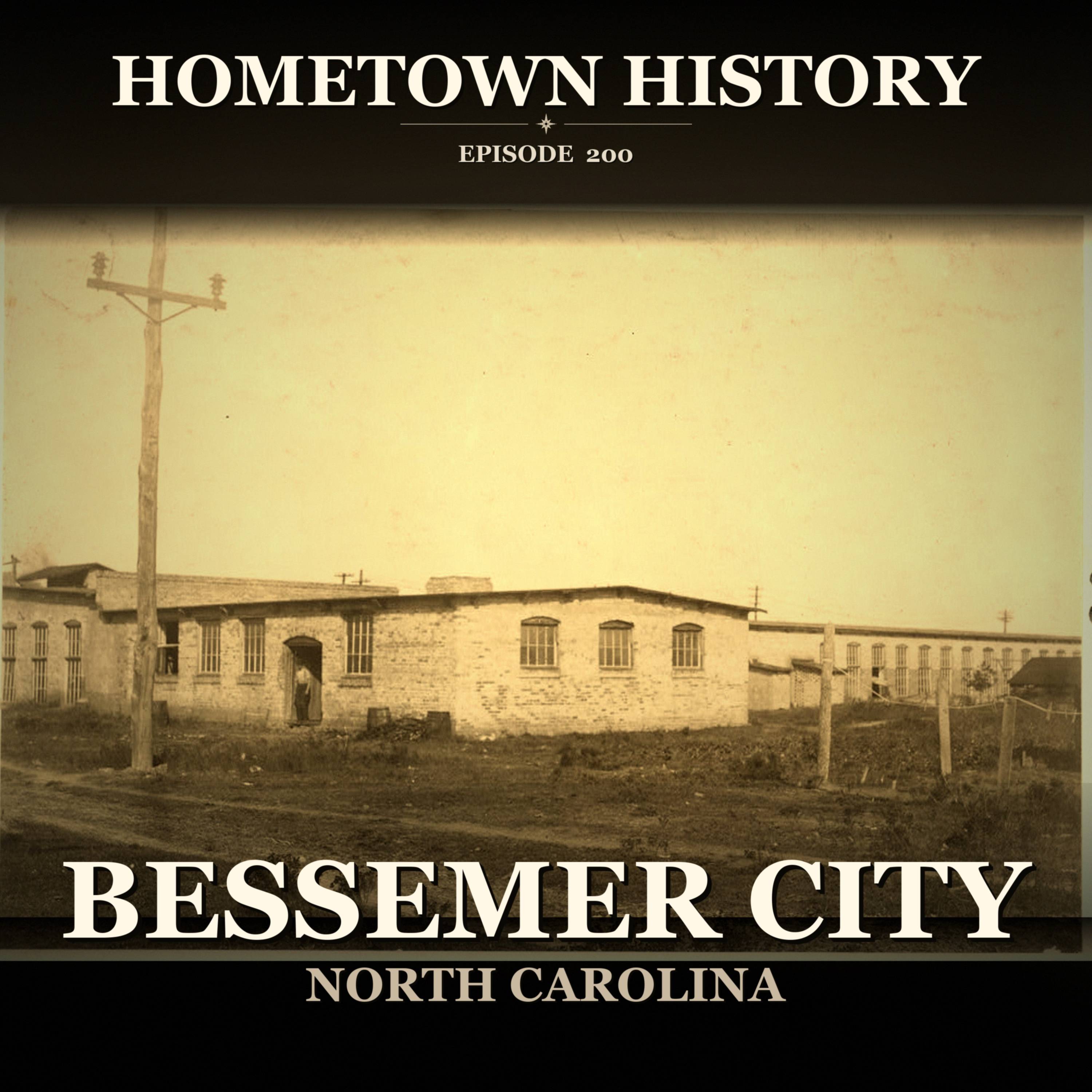
Bessemer City, North Carolina. September 14th, 1929. A flatbed truck kicks up Red Carolina dust on a back road outside Bessemer City. The boards rattle beneath 22 pairs of feet. No one in the truck bed carries a weapon. They are textile workers heading home from a roadblock that turned them around. They did what they were told. They turned back, and the cars behind them kept coming. In that truck…
September, 1912, Forsyth County, Georgia, 30 miles northeast of Atlanta, farming country, red clay roads, pine forests thick enough to block out the afternoon sun. The air sits heavy. It smells like turned earth and wood smoke. More than a thousand black Americans live here. They own land. They go to church. William and Ida Bagley own 60 acres. Grant Smith preaches on Sunday. Children walk to…
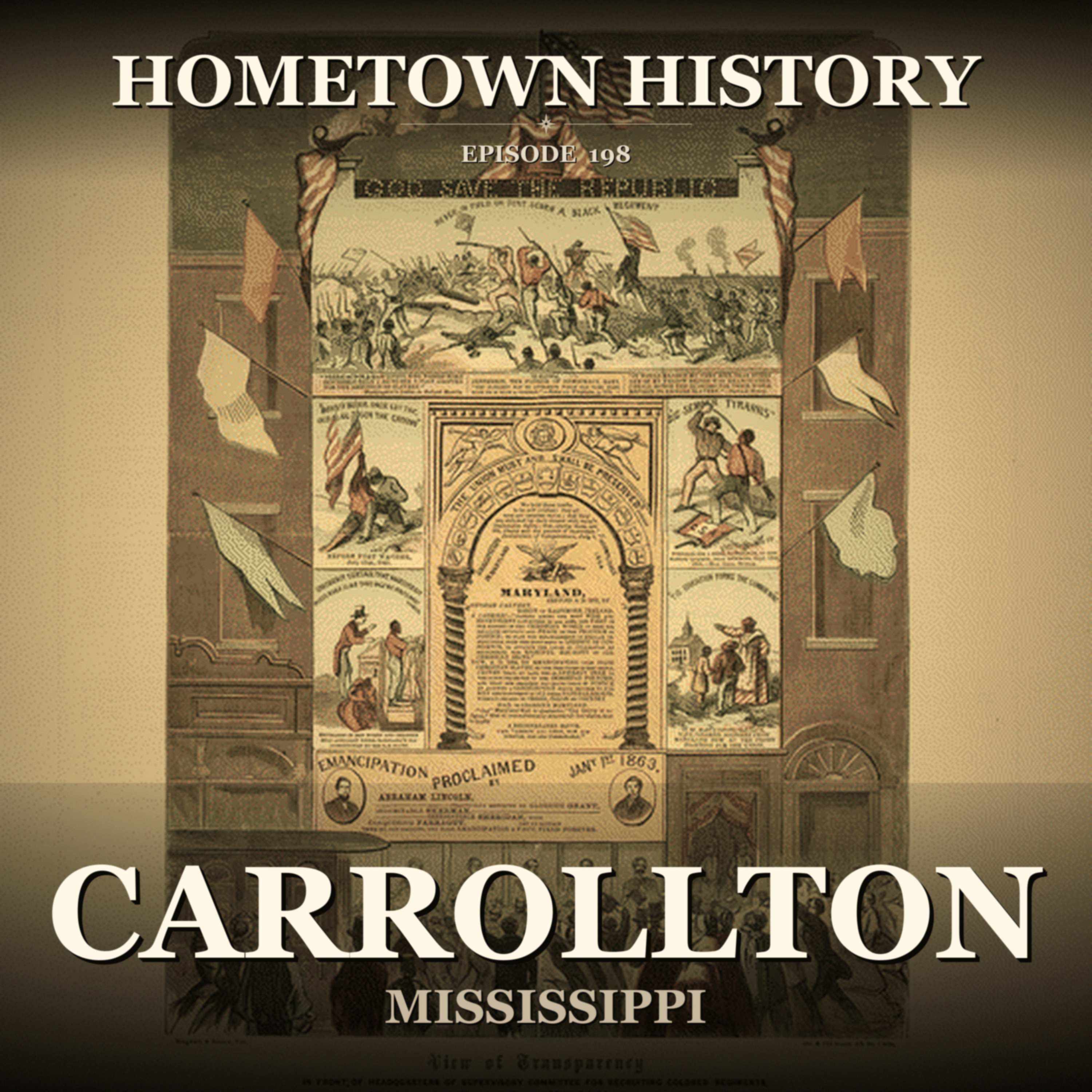
January 1886, Carrollton, Mississippi, a Saturday afternoon. Two brothers are hauling jugs of molasses from a wagon into a saloon. Heavy earthenware vessels, maybe 20 pounds each, slick with condensation. Ed and Charlie Brown, part African American, part Native American, working men making a delivery. The doorways narrow, someone's coming out as they're going in. Bodies shift, a jug tilts, and…
August 1898, Dover, Delaware. The heat of the day has broken, and the air smells of cut grass and warm earth. On the porch of the Pennington family home, Mary Elizabeth Dunning opens a package from the afternoon mail, a box of chocolate bonbons, a Cambric handkerchief, and a note. With love to yourself and baby, Miss C. She passes the candy around. Her sister Ida takes one. Her daughter takes one.…
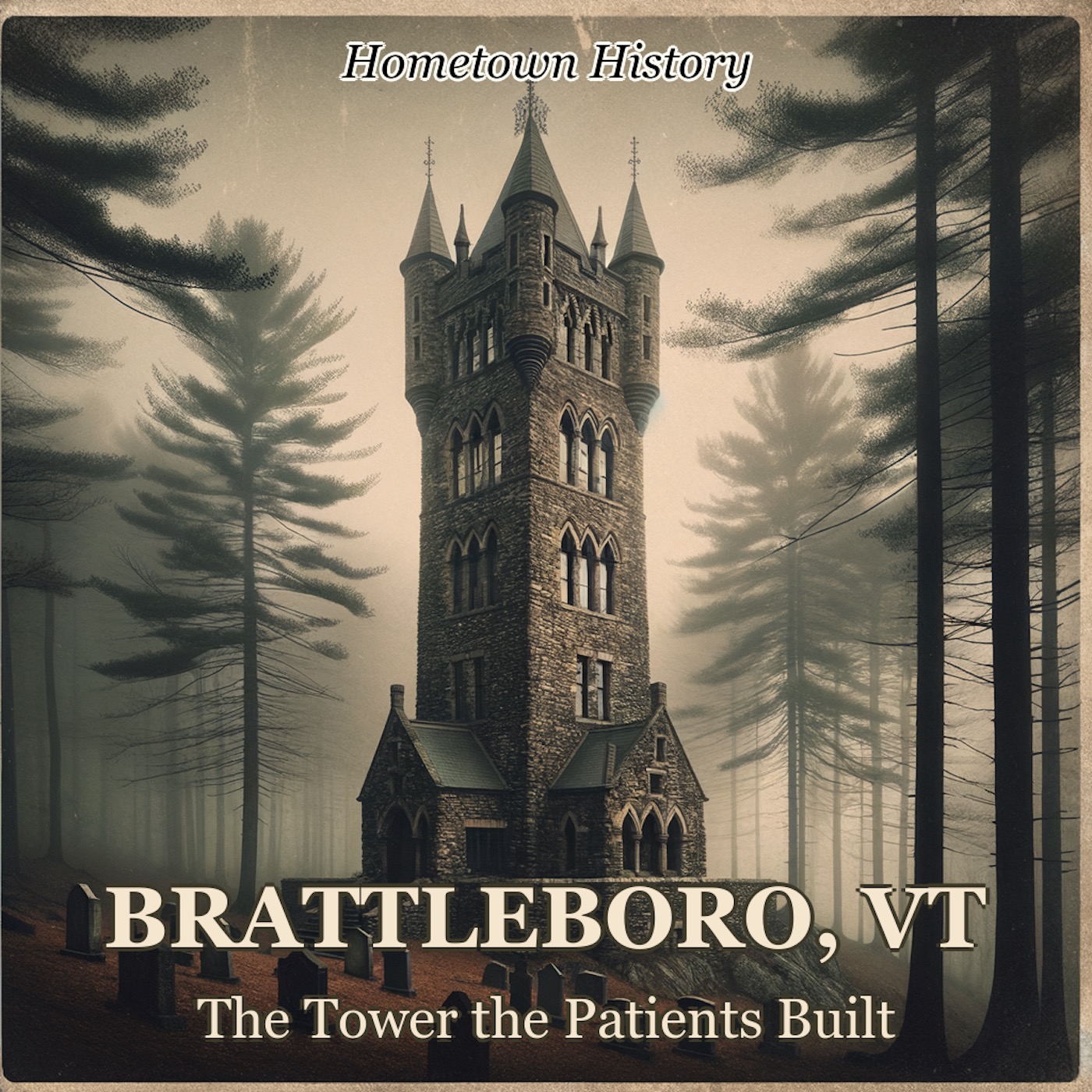
In the woods above Brattleboro, Vermont, a 65-foot stone tower has stood since the 1890s. It was not built by architects or hired masons. It was built by the patients of an insane asylum, stone by stone, under the direction of their doctors who believed that breaking rocks could fix broken minds. But some patients found another use for the tower they had built with their own hands. They climbed it…