
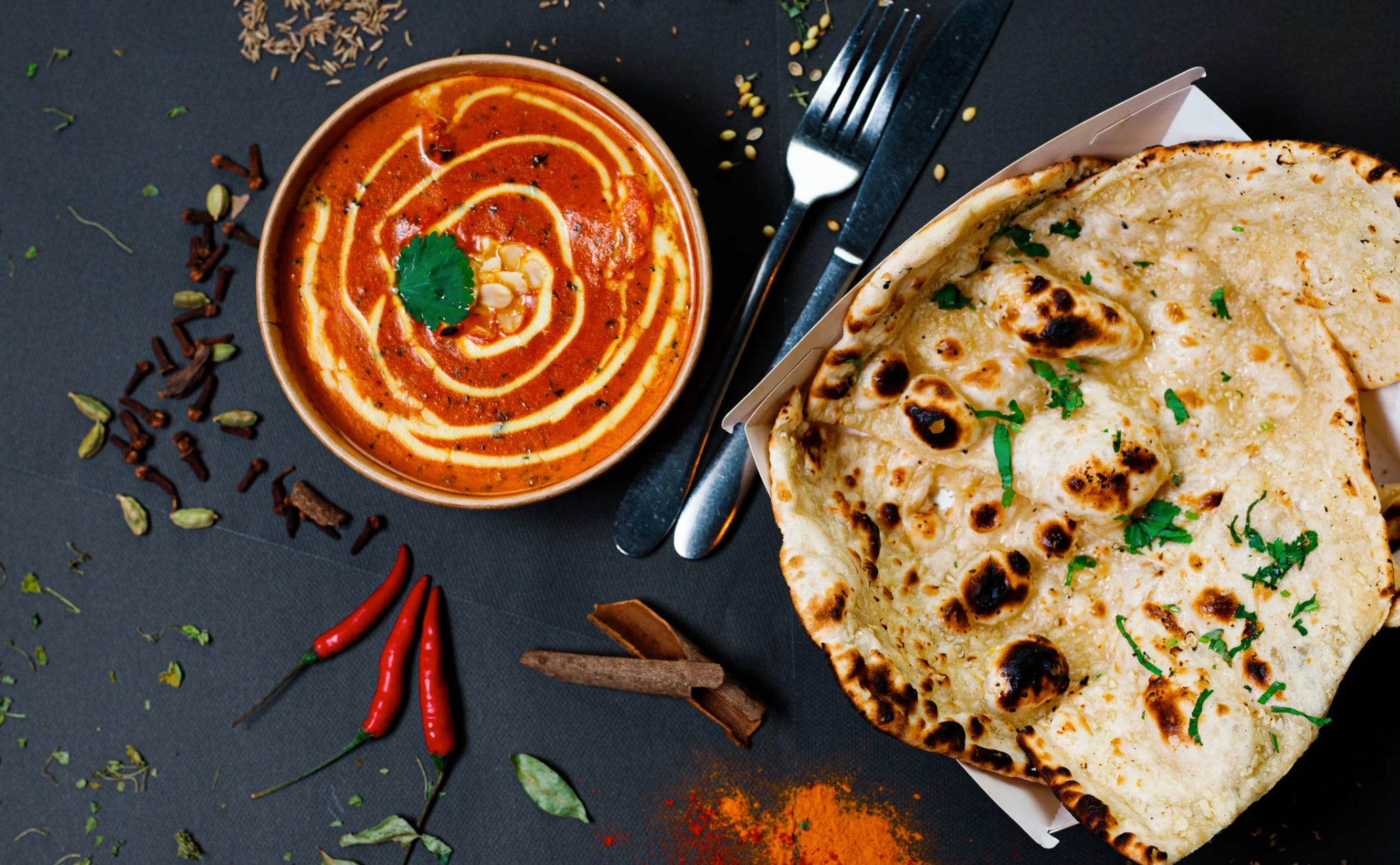
Creating a profitable food menu is essential for any home-based food business. A well-designed menu balances customer preferences, cost control, and pricing strategies to maximize profits while maintaining quality. This guide will walk you through step-by-step strategies to develop a menu that attracts customers and boosts your bottom line.
Before designing your menu, it’s crucial to understand your target audience. Knowing their preferences, budget, and dietary needs helps you tailor your offerings for maximum appeal.
Who are my ideal customers? (Families, busy professionals, students, health-conscious individuals)
What type of cuisine do they prefer? (Comfort food, healthy meals, gourmet, vegan, ethnic dishes)
How much are they willing to spend per meal?
Example: Ayesha runs a home-based Indian meal service targeting busy professionals in London. She designed her menu around healthy, portion-controlled Indian meals that cater to health-conscious office workers looking for a nutritious lunch alternative.
Your menu should highlight signature dishes that are in demand and easy to prepare consistently.
Choose dishes that are easy to scale for multiple orders.
Focus on unique, in-demand, or trending food items.
Include a mix of high-margin and low-cost dishes to balance your profits.
Consider customer feedback from test runs.
Example: David’s home bakery specializes in handmade sourdough bread. He initially offered 10 different types but noticed that classic sourdough and garlic herb focaccia were bestsellers. He refined his menu to focus on these high-demand items.
Profitability depends on managing food costs efficiently. Your food cost percentage should ideally be between 25-35% of the selling price.
Buy ingredients in bulk from wholesalers.
Minimize waste by using similar ingredients across multiple dishes.
Control portion sizes to prevent over-serving.
Track ingredient costs and adjust pricing as needed.
If a pasta dish costs £2.50 to make (ingredients + packaging), and you price it at £8.00, your food cost percentage is:
total food cost / selling price x 100 = 2.50 / 8.00 x 100 = 31.25% (profitable range)
Pricing should reflect costs, competition, and customer expectations. Use these methods to set profitable prices:
Cost-Plus Pricing: Add a markup to cover expenses and profit margin.
Example: If your meal costs £3 to make, adding a 200% markup makes it £9.
Competitive Pricing: Compare prices with similar home-based businesses or restaurants.
Example: If competitors charge £10 per meal, pricing yours at £9.50 can attract more buyers.
Value-Based Pricing: Price according to perceived value and uniqueness.
Example: A gourmet handmade dessert could be priced higher than a simple cookie.
Your menu should be visually appealing, easy to read, and well-organized.
Use high-quality photos of your dishes.
Keep descriptions short but enticing (e.g., “Slow-cooked butter chicken with aromatic spices”).
Highlight bestsellers with icons or labels (e.g., “Chef’s Special” or “Customer Favorite”).
Offer combo deals to encourage higher spending.
Example: Sofia’s homemade pasta business offers a “Dinner for Two” deal, bundling pasta with homemade sauce and garlic bread for £15, increasing her average order value.
Boost your revenue by offering add-ons, upgrades, and bundle deals.
Extra toppings or ingredients (e.g., cheese, protein add-ons)
Side dishes (e.g., salad, bread, soup)
Drinks or desserts (e.g., homemade iced tea, brownies)
Example: Mark’s burger business offers a “Meal Upgrade” where customers can add fries and a drink for an extra £3, increasing sales per order.
Monitor which dishes sell well and adjust your menu based on customer preferences and profitability.
Use a spreadsheet or software to track bestsellers.
Ask customers for feedback on portion size, taste, and pricing.
Test new dishes as limited-time specials before adding them permanently.
Example: Leah, who sells homemade soups, noticed her lentil soup was outselling other options. She expanded her lentil-based menu with spicy lentil stew, attracting more customers.
✅ Identify your target audience and their preferences.
✅ Choose bestselling dishes that are profitable and easy to prepare.
✅ Keep food costs below 35% of the selling price.
✅ Use strategic pricing methods to maximize profit.
✅ Design a clear, attractive, and organized menu.
✅ Offer add-ons and upsells to increase order value.
✅ Regularly review and update your menu based on sales and feedback.
By following these steps, you can create a profitable food menu that keeps customers happy and ensures your home food business thrives.
No posts
Comments
Nothing yet. Say the first thing.
Sign in to join the conversation.