
Greetings! Summer planning has picked up for many of my clients, and I’ve been having a blast adding new cities and countries to my booking log. In the last few weeks alone, I’ve booked stays in Berlin, Montenegro, Dubrovnik, and Istanbul, plus a group cruise through the Mediterranean.
It’s been fun watching a mix of city trips, wine regions, and longer itineraries start to take shape. With that in mind, here’s what’s on deck in this week’s post:
The brand-new Andaz Lisbon is bookable from 21K Hyatt points while award space is still wide open, and before Hyatt’s upcoming award pricing increases potentially push the cost higher.
Marriott expands free night flexibility, letting you top off certificates with up to 25K points instead of 15K.
Record-high welcome bonuses on Amex’s Marriott cards, worth roughly $1,200–$1,400 in travel.
An insider’s tour of Italy’s wine regions.
Why the Iran conflict could push airfare higher this summer and how to protect yourself when booking flights.
TSA waits are hitting 2+ hours at some airports during the government shutdown. I saw the slowdown firsthand this week, and I’ll break down what travelers should know right now.
Have a great week — and happy travels!
Disclosure: This post contains referral links, which may earn me a small bonus. I only recommend products I use or truly believe in.
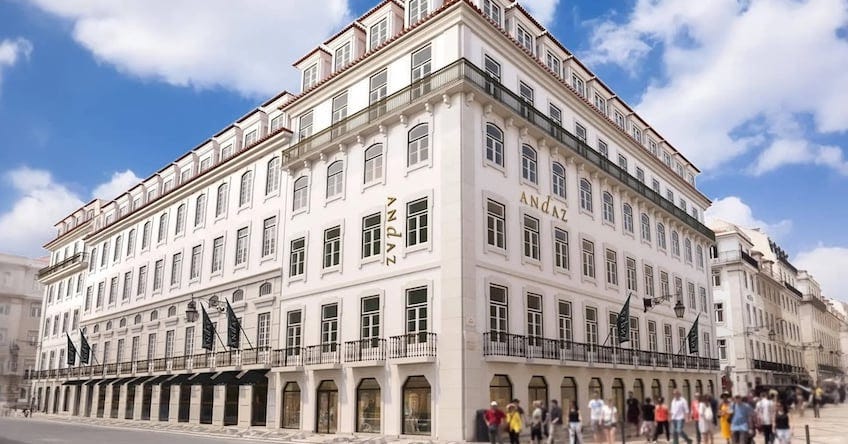
Via Thrifty Traveler: A brand-new Hyatt just opened in Lisbon, and award space is wide open.
Andaz Lisbon is bookable from 21,000 World of Hyatt points per night, with availability through February 2027, including many summer dates. Cash rates are already running $400+ per night, making this a strong redemption.
The hotel is a renovation of a historic building in Lisbon’s Baixa district, steps from the waterfront and city center, with a rooftop restaurant and terrace bar.
One reason to act soon: Hyatt award pricing changes in May, and some hotels are expected to cost more points. Locking in a booking now secures the current rate even if prices rise later.
Flights to Lisbon have also been trending reasonable lately, around $500 roundtrip from several U.S. cities or ~50k points each way in business class using transferable currencies.
Marriott has announced that travelers can now “top off” free night certificates with up to 25,000 points, up from the previous 15,000-point limit.
Free night certificates are commonly earned through Marriott credit cards (many issue one each year), hitting annual spending thresholds, or occasionally through elite status benefits and promotions. Each certificate has a cap on its value, like 35,000 points or 85,000 points, which determines the hotels you can book.
Marriott has long allowed members to supplement certificates with additional points if a hotel costs slightly more. The problem was the old 15K limit frequently left you just short. A lot of desirable hotels price around 52K–58K points, meaning a 35K certificate plus 15K (50K total) couldn’t quite reach them.
With the new 25K top-off limit, a 35K certificate can now cover hotels costing up to 60K points, while an 85K certificate can reach properties pricing at 110K points.
Amex also launched limited-time, record-high welcome bonuses on two of its Marriott Bonvoy co-brand cards.
The Marriott Bonvoy Brilliant® American Express® Card is offering 200,000 points after $6,000 in spending within six months, while the Marriott Bonvoy Bevy® American Express® Card is offering 175,000 points after $5,000 in spending within six months.
The Brilliant is the premium option, with a $650 annual fee but valuable perks including an 85K free night certificate each year, Platinum elite status, 25 elite night credits, Priority Pass lounge access, and up to $300 per year in dining credits.
The Bevy comes with a lower $250 annual fee, earns 4X points on restaurants and U.S. supermarkets, and includes 15 elite night credits plus a 50K free night certificate after $15K in annual spending.
These bonuses could be worth roughly $1,200–$1,400 in travel value, making them the strongest offers these cards have ever seen.
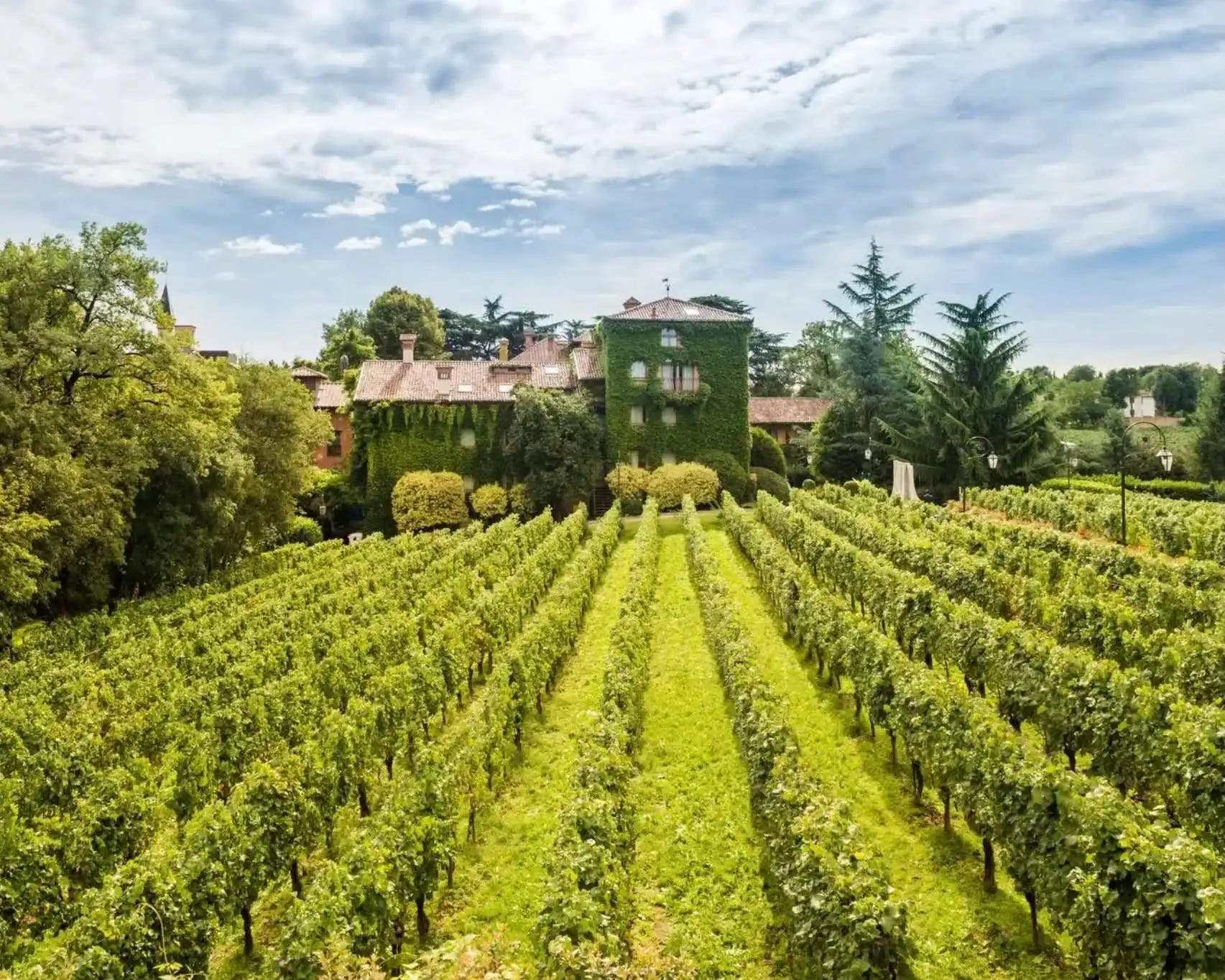
Italy’s wine regions don’t just produce exceptional bottles, they offer some of the most immersive travel experiences in the country. Driving past medieval towers in the Langhe hills, tasting Brunello in a centuries-old cellar, and watching the harvest unfold on Etna’s volcanic slopes. Each region has its own character: Piedmont is refined and ceremonial, Tuscany is cinematic and well-trodden but worth it, while Sicily is raw and increasingly exciting. Across all of them, the rhythm of a wine trip tends to be unhurried with mornings at the estate, afternoon drives between hilltop towns, and dinners that stretch well past nightfall.
Come with a loose itinerary, a willingness to linger, and an appetite for both the wine and the table it comes from.
Here’s a sampling of Fora’s introduction to the region — with even more depth on specific wineries, Sicily and other add-on destinations in the full guide.
Wine tourism in Italy rewards those who do a little homework first. Not all wineries welcome walk-ins and the best estates book up in advance, so reach out early to confirm details.
Currency: Italy uses the Euro (EUR). Credit cards are widely accepted, though small cafés, taxis, and local markets often prefer cash. Tipping may be included in high-end restaurants, but rounding up or leaving 5–10% for exceptional service is appreciated though not expected.
Airports: Rome Fiumicino (FCO) and Milan Malpensa (MXP) are the main international hubs with onward flights across the country. Other cities with direct connections to North America are mostly seasonal but include Venice (VCE), Naples (NAP), Catania (CTA), and Bari (BRI).
Transportation: An efficient rail network links major cities and regions to easily move across the country. In cities, taxis, rideshares, and private transfers offer convenience, while car rentals are ideal for exploring the countryside. Guided wine tours and e-bike or bicycle rentals provide relaxed, scenic alternatives.
Best time to visit: Italy’s wine regions shine from spring through fall. March to May brings mild temperatures, green landscapes, and wine festivals. September and October mark the vendemmia, when harvest season fills wineries with energy and golden foliage, but Sicily and southern regions may start in late August. Summer (June—August) is hot but great for evening tastings, while winter (November—February) offers quieter cellars and intimate experiences.
Ideal length of stay: Plan for at least three to four nights in a single wine region to settle into the rhythm of tastings, vineyard visits, and relaxed countryside dining. One week allows you to pair two regions such as Tuscany and Piedmont, or a city stay in Rome or Venice. Longer stays of 10 days or more invite a deeper dive into multiple regions, the countryside, and cities.
What to wear: Lightweight linens and cotton work well during the day. Hill towns, cobblestones, and uneven cellar floors make comfortable shoes essential. Evenings tend to cool down, especially in the north, so pack a light jacket or wrap. Dining out calls for something a step up from daywear; Italians dress with care, and it’s worth matching the effort.
South Tyrol carries a distinct Austrian influence. Crisp, acid-driven whites like Pinot Grigio, Sauvignon Blanc, and Sylvaner dominate, with lighter reds like Lagrein and Teroldego rounding things out. Drop south into Veneto where Prosecco hits its most refined expression, while Soave’s Garganega grape produces crisp, structured whites. The Alto Adige Wine Road makes it easy to explore 70-plus wineries by car or bike.
Where to stay
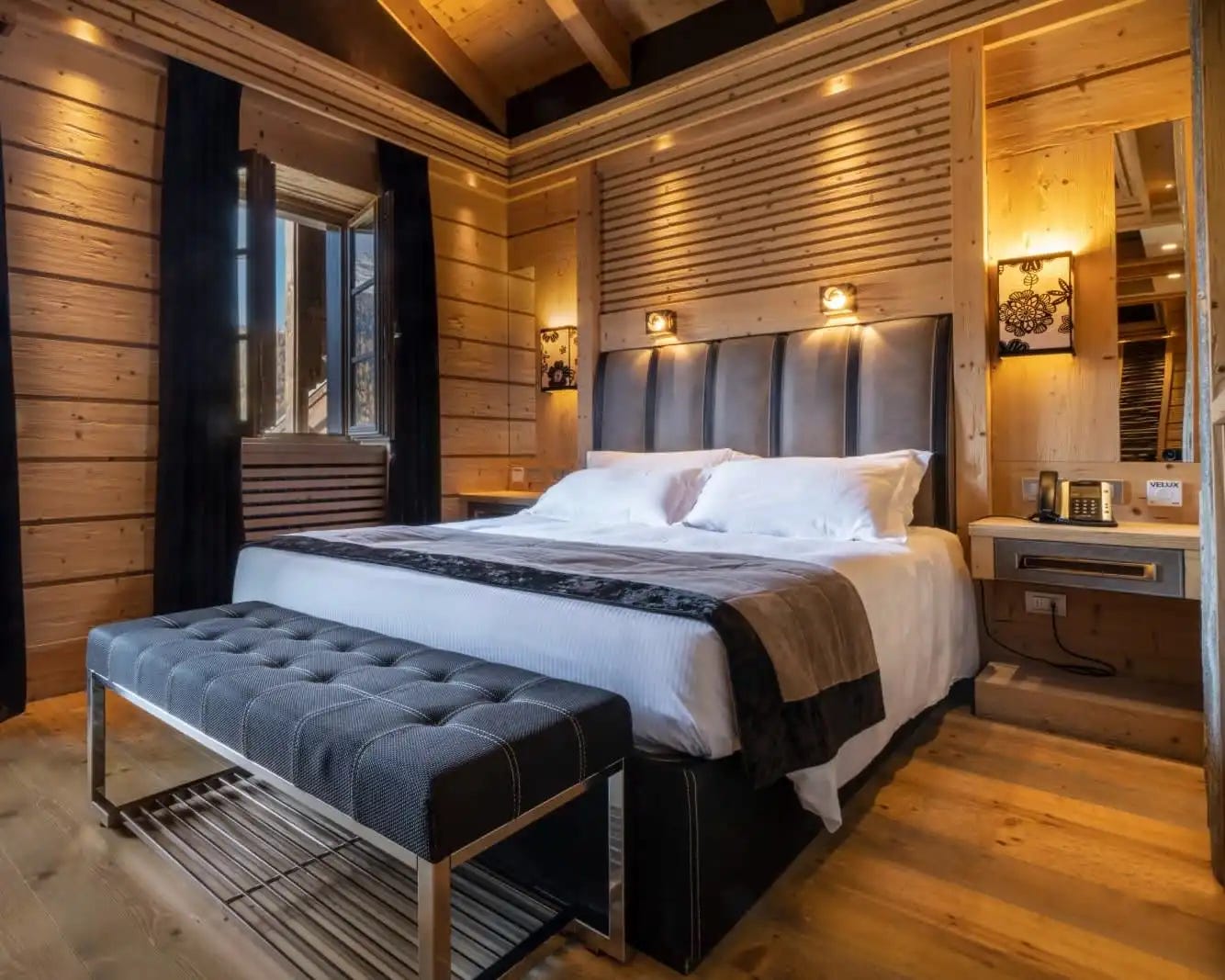
Lefay Resort & SPA Dolomiti: Contemporary alpine retreat with clean lines, natural wood, and expansive mountain views anchor the serene, design-forward experience.
Fora Perks include a $100 spa credit, daily breakfast, welcome amenity, complimentary lunch or dinner for two, an upgrade, and extended check-in/out whenever possible.
L’Albereta, Relais & Chateaux: Romantic villa estate where classic Italian elegance meets culinary excellence for a stay that’s intimate, polished, and quietly indulgent.
Fora Perks include daily breakfast, choice of on-site experience, an upgrade, and extended check-in/out whenever possible.
Villa Cordevigo Wine Relais, Verona: Restored 18th-century villa tucked among vineyards. Frescoed ceilings, antique furnishings, and upscale restaurant create a timeless sophistication.
Fora Perks include a $100 hotel credit, daily breakfast, an upgrade, and extended check-in/out whenever possible.
Aman Rosa Alpina: Elevated mountain hideaway blending Aman’s minimalist sensibility with spacious suites, exceptional dining, and a tranquil spa.
Fora Perks include a $100 food and beverage credit, daily breakfast, an upgrade, and extended check-in/out whenever possible.
Rosapetra Spa Resort: Cozy yet refined retreat combining chalet-style comfort with five-star amenities, warm wood interiors, and a full-service spa.
Fora Perks include a $100 hotel credit, daily breakfast, welcome amenity, an upgrade, and extended check-in/out whenever possible.
Piedmont is Barolo and Barbaresco country, grown across the UNESCO-listed Langhe hills. Barbera and Dolcetto fill the everyday table, Cortese produces the crisp whites of Gavi, and Arneis brings an elegant, floral note from the Roero hills across the Tanaro. The landscape matches the reputation—undulating hills, autumn fog, and medieval towns like Alba. Come in fall and everything peaks at once: harvest, truffles, and the vineyards turning gold.
Where to stay
Casa di Langa: Sustainably minded countryside retreat among rolling hills. Floor-to-ceiling windows frame vineyard views, while earth tones and natural materials create a calm base.
Fora Perks include a $100 hotel credit, daily breakfast, welcome amenity, an upgrade, and extended check-in/out whenever possible.
Villa La Madonna: Boutique hideaway in Monferrato blending Scandinavian simplicity with Italian warmth. Light-filled rooms and a panoramic pool overlooking the vines set the tone.
Fora’s withIN by SLH partner perks include a hotel credit, daily breakfast, an upgrade, and extended check-in/out whenever possible.
Relais San Maurizio: Former 17th-century monastery turned serene hilltop retreat. Frescoed ceilings, vaulted corridors, and sweeping vineyard views make this historic, and luxe.
Fora’s Leading Hotels of the World partner perks include daily breakfast, and extended check-in/out whenever possible.
Villa e Palazzo Aminta Hotel Beauty and SPA: Grand villa on Lake Maggiore with ornate interiors, chandelier-lit salons, and a private beach club that evoke classic Italian glamour.
Fora Perks include daily breakfast, welcome amenity, 30 minute massage for two, afternoon tea for two, an upgrade, and extended check-in/out whenever possible.
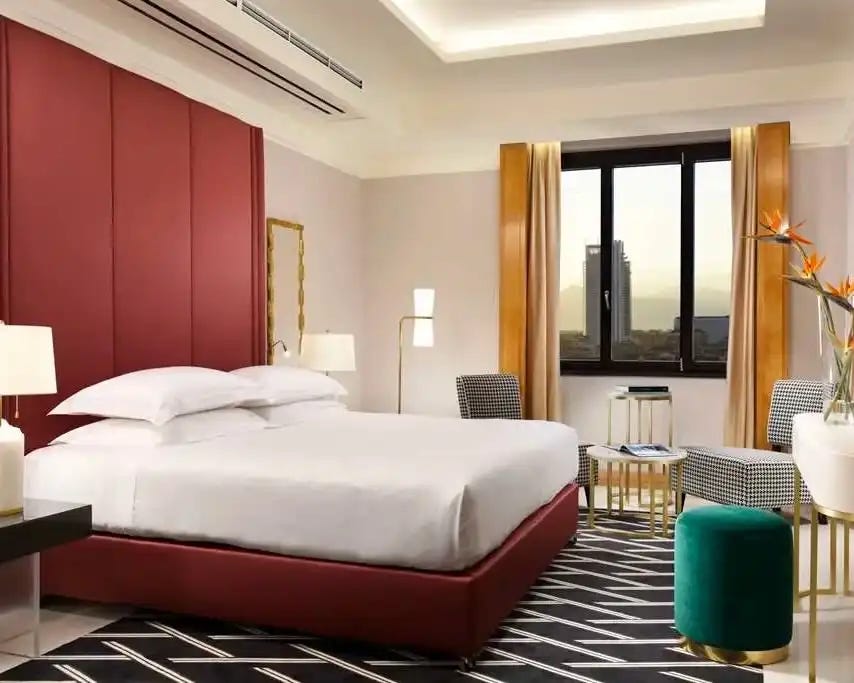
Principi di Piemonte | UNA Esperienze: Sleek, sophisticated address in the heart of Turin. Contemporary rooms, a rooftop lounge, and a tranquil spa balance the cosmopolitan energy.
Fora’s Preferred Platinum partner perks include a $100 hotel credit, welcome amenity, daily breakfast, an upgrade, and extended check-in/out whenever possible.
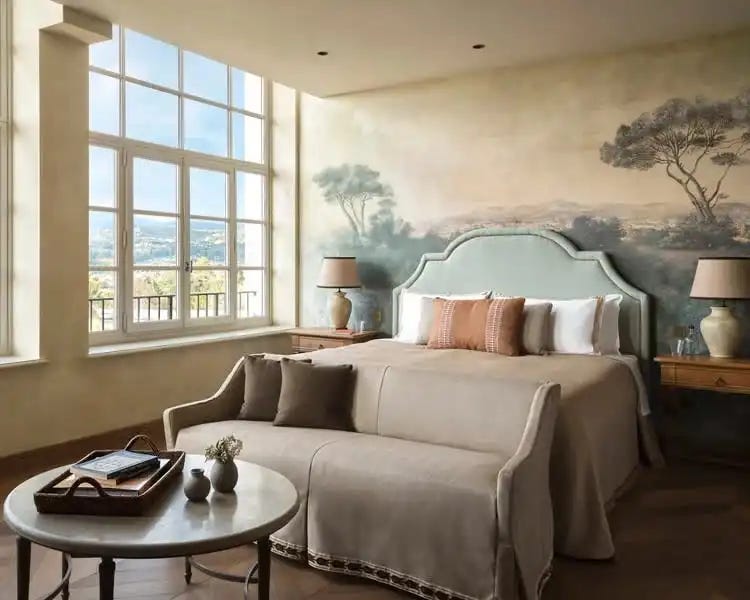
Tuscany is Sangiovese country at its core, but the same grape shows remarkably differently depending on where you are. Chianti Classico brings bright, savory character; powerful Brunello di Montalcino is built for the cellar; Vino Nobile di Montepulciano lands somewhere in between with balance and depth. On the coast, Bolgheri produces bold blends that put Super Tuscans on the map. Vernaccia and Vermentino handle the whites. Florence and Siena anchor the cultural side of any itinerary, with the vineyards filling in everything in between.
Where to stay
The Place Firenze: An intimate townhouse where personalized service, individually styled rooms, and curated library-lounge create a sense of privacy and warmth.
Fora Perks include a $100 food and beverage credit, daily breakfast, welcome amenity, an upgrade, and extended check-in/out whenever possible.
Four Seasons Hotel Firenze: Renaissance grandeur set in one of Florence’s largest gardens. Frescoed ceilings, palatial salons, and outdoor pool blend opulence with modern comfort.
When you book Four Seasons with Fora, you’ll enjoy exclusive Four Seasons Preferred Partner benefits.
Collegio alla Querce, Auberge Collection: Restored hillside estate overlooking Florence, where cloistered courtyards and classical architecture meet Auberge’s relaxed sophistication.
Fora Perks include a $100 hotel credit, daily breakfast, an upgrade, and extended check-in/out whenever possible.
Il Salviatino Firenze: Romantic villa perched in the hills, offering panoramic views, antique furnishings, and frescoed details to set a timeless tone and elegant experience.
Fora Perks include a $100 hotel credit, daily breakfast, an upgrade, and extended check-in/out whenever possible.
Rosewood Castiglion del Bosco: Sprawling Tuscan estate of vineyards, olive groves, and a restored medieval village that create an immersive, refined escape.
Fora’s Rosewood Elite partner perks include a €95 hotel credit, daily breakfast, welcome amenity, and an upgrade whenever possible.
COMO Castello Del Nero: A 12th-century castle turned contemporary retreat. Clean-lined interiors contrast beautifully with manicured gardens and a strong wellness focus.
Fora Perks include a $100 hotel credit, daily breakfast, an upgrade, and extended check-in/out whenever possible.
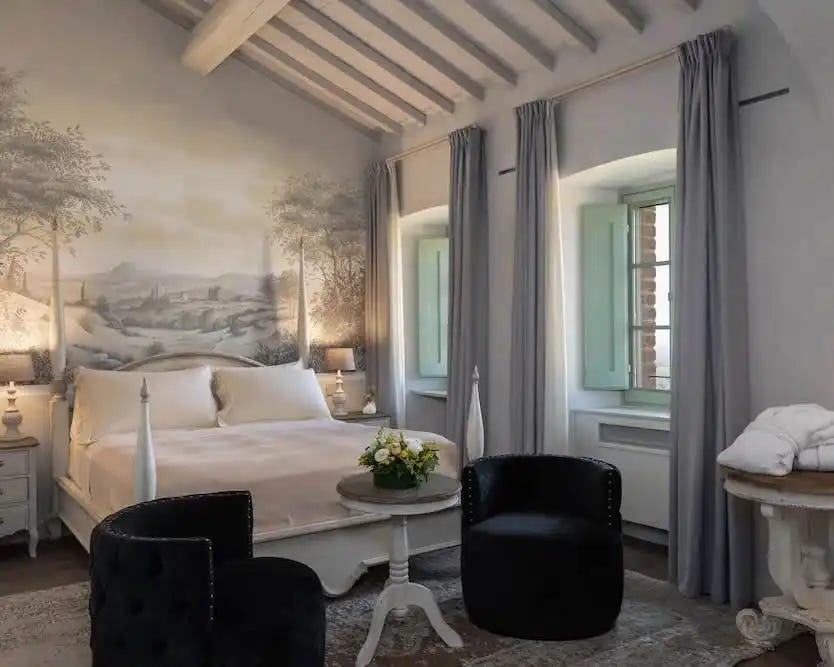
Umbria trades Tuscany’s crowds for a more local pace—hill towns, forested valleys, and small producers. Clay and limestone soils give structure to Sagrantino di Montefalco, a dense, long-lived red with blackberry, truffle, and earth tones. Sangiovese and local varieties fill out the red lineup, while Trebbiano and Grechetto handle the whites. Montefalco is the natural base, but Orvieto anchors the western end of the region and is worth the detour on its own.
Where to stay
Vocabolo Moscatelli: Restored 12th-century monastery reimagined as a design-forward retreat with stone walls, arched cloisters, and minimalist interiors with contemporary art.
Fora Perks include daily breakfast, welcome amenity, on-site experience, an upgrade, and extended check-in/out whenever possible.
Borgo dei Conti Resort Relais & Chateaux: Grand aristocratic estate set within rolling parkland and olive groves for a stately yet relaxed escape.
Fora Perks include a $100 food and beverage credit, daily breakfast, an upgrade, and extended check-in/out whenever possible.
Aethos Saragano: Medieval hilltop village transformed into a stylish, laid-back hideaway. Stone houses and cobbled lanes frame modern, loft-like interiors and scenic countryside views.
Fora Perks include a €50 hotel credit, daily breakfast, an upgrade, and extended check-in/out whenever possible.
I Borghi dell’Eremo: Secluded eco-retreat scattered across restored stone farmhouses in the hills. Rustic textures, private terraces, and forested surroundings encourage digital detoxing.
Fora’s withIN by SLH partner perks include a hotel credit, daily breakfast, an upgrade, and extended check-in/out whenever possible.
Locanda Palazzone: Former 13th-century palazzo turned boutique wine estate near Orvieto. Vaulted ceilings, antique details, and sweeping vineyard views set a romantic tone.
Fora Perks include a €90 hotel credit, bottle of wine, an upgrade, and extended check-in whenever possible.
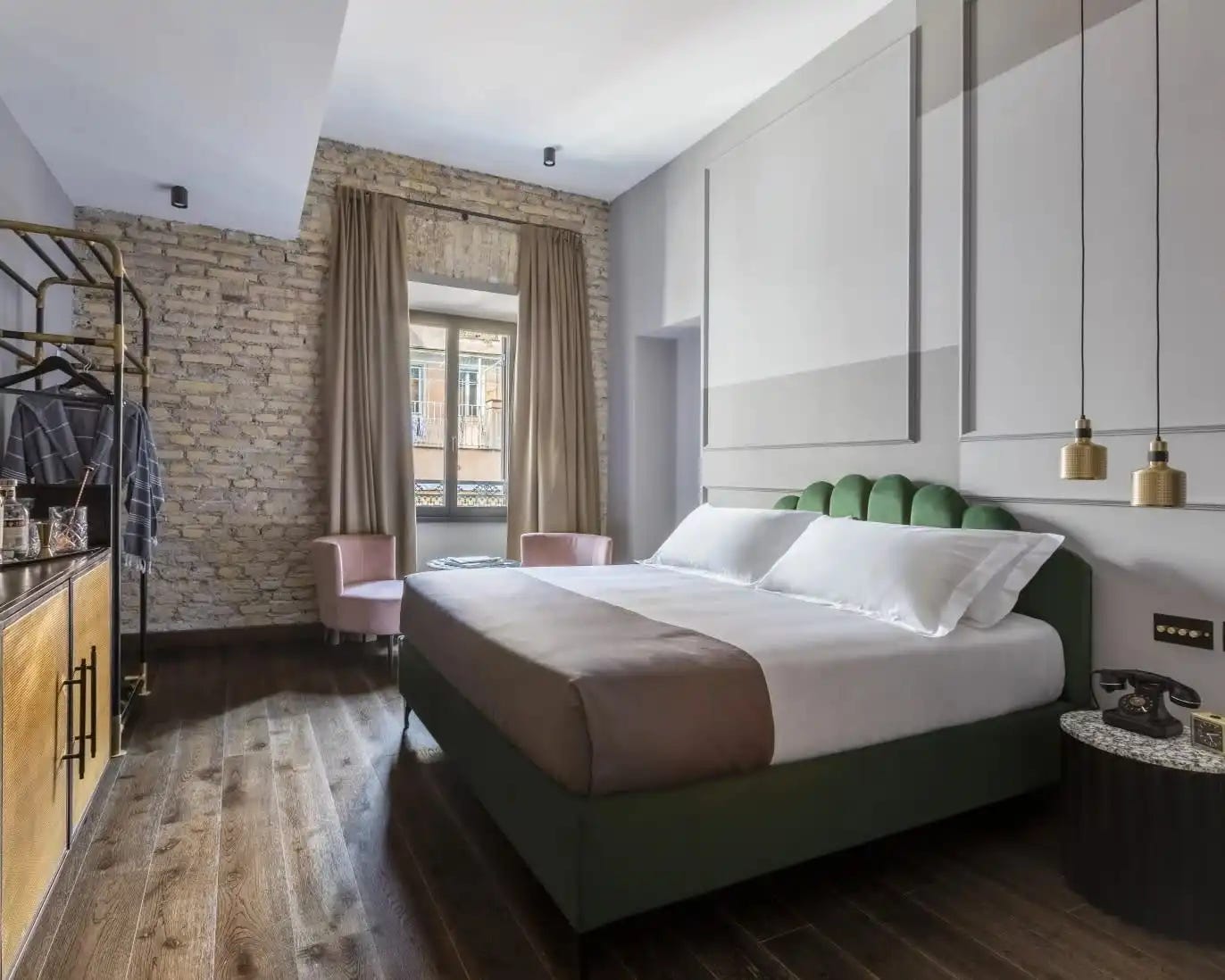
Lazio’s volcanic hillsides have been producing wine since Etruscan times, long before Rome was an empire. The key grapes are Malvasia and Trebbiano for whites, and Cesanese for reds, all shaped by the region’s volcanic soils. Frascati, from the Castelli Romani hills just 30 minutes southeast of the city, remains the most recognizable name. The estates of the region make for an easy half- or full-day escape by train or car from the center of Rome.
Where to stay
Hotel Chapter Roma: Bold and contemporary in the historic center. Eclectic interiors, lively rooftop bar, and a destination restaurant draw a creative crowd.
Fora Perks include a €50 food and beverage credit, welcome amenity, and an upgrade whenever possible.
FH55 Grand Hotel Palatino: Polished, centrally located stay, offering classic rooms, clean-lined interiors, and multiple dining venues for a comfortable, convenient base.
Fora Perks include daily breakfast, welcome amenity, an upgrade, and extended check-in/out whenever possible.
The Hoxton Rome: Mid-century design meets neighborhood energy. Warm woods, brass accents, and an always-buzzing lobby restaurant create a social, residential feel.
Fora Perks include a welcome amenity, an upgrade, and extended check-in/out whenever possible.
Casa Monti Roma: Boutique stay blending vintage flair with contemporary polish. Patterned textiles, curated objects, and a rooftop terrace create a character-driven stay.
Fora Perks include a €100 hotel credit, daily breakfast, welcome amenity, an upgrade, and extended check-in/out whenever possible.
Singer Palace Hotel Roma: Refined boutique hotel housed in a former 19th-century palazzo. Art Deco touches, tailored service, and rooftop restaurant lend an air of discreet sophistication.
Fora Perks include a $100 food and beverage credit, daily breakfast, a gift at check-out, an upgrade, and extended check-in/out whenever possible.
Corte della Maestà: Romantic countryside retreat in a hilltop town. Individually styled suites feature antique furnishings, fireplaces, and sweeping valley views for a private residence feel.
Fora Perks include welcome amenities, and an upgrade whenever possible.
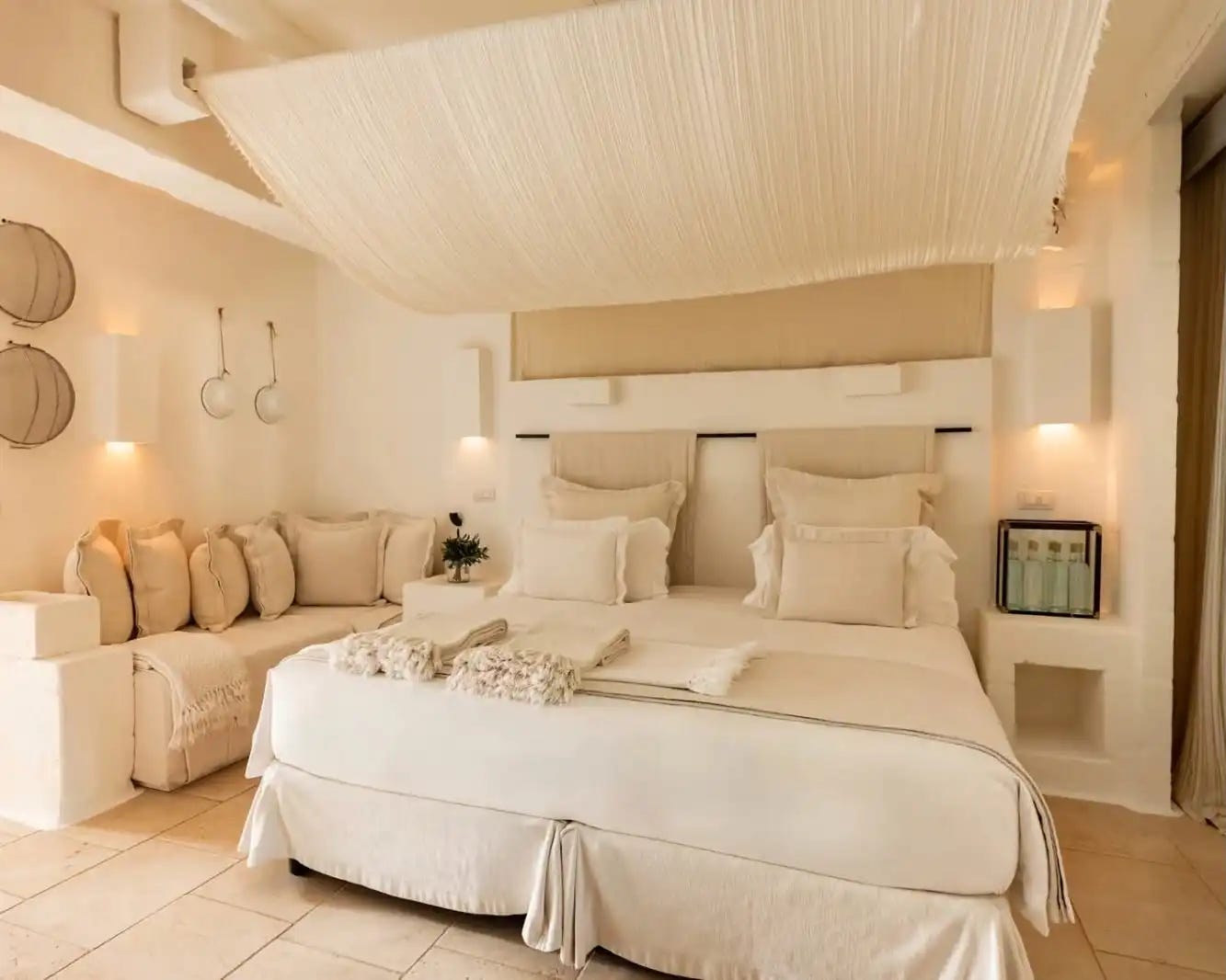
Puglia runs hot, dry, and sun-drenched, and the wines follow suit. Primitivo, Negroamaro, and Malvasia Nera dominate, producing big, tannic reds from under the Mediterranean sun and grounded by limestone soils. The region has old vines and serious production volume, which means quality varies. The Salento Peninsula and Manduria are the twin anchors for wine touring, both worth building time around if you’re heading to the heel of the boot.
Where to stay
Borgo Egnazia: Grand, village-style retreat inspired by traditional Puglian architecture. White stone facades, winding lanes, and a golf course create a resort rooted in local culture.
Fora Perks include a $100 resort credit, daily breakfast, an upgrade, and extended check-in/out whenever possible.
Rocco Forte Masseria Torre Maizza: Polished coastal hideaway set among olive groves. Crisp white interiors, a serene pool, and a private beach club balance country calm with seaside ease.
Fora Perks include a $100 food and beverage credit, daily breakfast, an upgrade, and extended check-in/out whenever possible.
Masseria Calderisi: Design-forward farmhouse retreat surrounded by ancient olive trees. Minimalist rooms and a tranquil pool make for an intimate and understated escape..
Fora Perks include a 50-minute massage for two, daily breakfast, welcome amenities, an upgrade, and extended check-in/out whenever possible.
La Sommità Relais & Chateaux: This former noble residence in Ostuni’s whitewashed old town pairs vaulted ceilings with Adriatic views and a secluded garden courtyard.
Fora’s Relais & Châteaux partner perks include daily breakfast and VIP welcome.
Il Melograno: A classic fortified farmhouse estate with spacious rooms, a private beach club, and a serene spa create a balanced blend of heritage and comfort.
Fora’s withIN by SLH partner perks include a hotel credit, daily breakfast, an upgrade, and extended check-in/out whenever possible.
South Tyrol and Veneto
Hiking: Trek the iconic Tre Cime di Lavaredo loop through the Dolomites, where dramatic limestone peaks dominate the skyline.
Lago di Braies: Row across the clear alpine waters or circle the shoreline trail of this striking mountain lake.
Great Dolomites Road: Drive from Bolzano to Cortina d’Ampezzo through high mountain passes like Gardena and Giau.
Venice: Drift along the Grand Canal and visit landmarks such as St. Mark’s Basilica, the Doge’s Palace, and the Rialto Bridge.
Ortisei and Cortina d’Ampezzo: Explore woodcarving traditions in Val Gardena or browse Cortina’s refined boutiques framed by jagged peaks.
Piedmont
Gastronomy: Experience the Alba White Truffle Festival in autumn, taste artisanal cheeses in Bra (home of the Slow Food movement), and enjoy chocolate in Gianduja.
Turin: Tour the Museo Egizio, wander the Royal Palace, and linger in historic cafés that shaped Italy’s café culture.
Lake Maggiore and Lake Orta: Boat to the Borromean Islands from Stresa or slip away to tranquil San Giulio Island.
Sacra di San Michele: Visit the mountaintop abbey overlooking the Susa Valley.
Val Grande National Park: Hike through Italy’s largest wilderness area of forests, ridgelines, and remote valleys.
Tuscany
Truffles: Join local guides in San Miniato for seasonal hunts of white and black truffles.
Florence, Siena, and Pisa: Explore Renaissance masterpieces at the Uffizi and Accademia, stand in Siena’s Piazza del Campo, and admire Pisa’s iconic landmarks.
Val d’Orcia: Drive cypress-lined roads in rolling hills near Pienza and Montalcino.
Hot springs: Soak in mineral-rich thermal pools at Saturnia, Bagni San Filippo, or Bagno Vignoni.
Elba: Add a coastal interlude with hiking trails, beaches, and historic sites.
Umbria
Hill towns: Explore chocolate shops in Perugia, pilgrimage sites in Assisi, and Orvieto’s Gothic cathedral or underground tunnels.
Cascata delle Marmore: Walk alongside one of Europe’s tallest waterfalls, originally engineered by the Romans.
Monti Sibillini National Park: Hike high plains and mountain ridges dotted with wildflower meadows.
Norcia: Join seasonal truffle hunts in a region known for charcuterie.
Festivals: Attend Umbria Jazz in July or Eurochocolate in October for a lively cultural immersion alongside wine tastings.
Rome and Lazio
Rome: Tour the Colosseum, toss a coin into the Trevi Fountain, and wander Piazza Navona at golden hour.
Vatican City: Visit St. Peter’s Basilica, the Vatican Museums, and the Sistine Chapel, where art and faith converge.
Cooking classes: Learn to shape fresh pasta or perfect classic Roman sauces.
Hiking: Trek coastal and countryside trails with sweeping views around Monte Circeo or the Treja Valley.
Viterbo: Stroll one of Italy’s best-preserved medieval centers, rich with papal history.
Puglia
Alberobello and Lecce: See the UNESCO-listed trulli houses of Alberobello and baroque architecture in Lecce, nicknamed the “Florence of the South.”
Castel del Monte: Visit the striking octagonal castle built in the 13th century rising above olive groves.
Grotte di Castellana: Descend into one of Italy’s most impressive cave systems.
Gargano National Park: Discover forests, cliffs, and Adriatic viewpoints.
Coastal boat tours: Kayak or cruise along limestone grottos and hidden coves.
Airlines are beginning to signal that ticket prices could climb soon as jet fuel costs surge following the escalating conflict with Iran and disruptions to global oil supply routes. Oil prices have jumped 50–60% in just a few weeks, putting immediate pressure on airline operating costs. Fuel is one of the largest expenses for airlines, and when it spikes this quickly carriers typically respond by raising fares, increasing fuel surcharges, or trimming flight capacity on less profitable routes.
United Airlines: CEO Scott Kirby said higher fuel costs will likely push airfare higher and that increases will “probably start quick.”
Cathay Pacific: Preparing to increase fuel surcharges by more than 100% on some tickets starting next week.
Air New Zealand and Air France/KLM: Both have warned that rising fuel costs could lead to higher ticket prices or added surcharges.
Airfare still moves route by route based on competition and demand, so deals will continue to appear. But if fuel prices stay elevated, the overall trend for the coming months likely points upward. If you have summer or fall travel in mind, it may be worth locking in flights with flexible change policies so you can rebook if prices drop later.
What travelers should do right now:
Book earlier than usual for peak summer travel while prices are still relatively stable.
Choose tickets with free changes so you can reprice if fares drop later.
Use fare alerts from services like Google Flights to catch deals before broader price increases show up.
Consider using points and miles. Some airline programs price awards in fixed or semi-fixed brackets, meaning the mileage cost might stay the same even while cash ticket prices spike due to fuel costs.
Understand how each loyalty program handles fuel surcharges, especially when booking alliance partners. Some airlines absorb those costs while others pass them directly to travelers, meaning the cash portion of an award ticket can rise even if the mileage price stays the same.
Airport security lines are getting ugly across the country as the government shutdown drags into its fourth week and TSA staffing shortages pile up. Several airports are reporting waits of two hours or more, including places like Houston, Atlanta, and New Orleans, right as Spring Break travel ramps up. Even programs that usually speed things up, like TSA PreCheck and CLEAR, are feeling the strain as checkpoints operate with fewer agents and some dedicated lanes have been intermittently closed.
I saw it firsthand Thursday afternoon at Newark Terminal A. Even using CLEAR with TSA PreCheck, I waited exactly one hour. In hundreds of trips through that CLEAR checkpoint I saw something I’d never seen before: an overflow pen where they were holding passengers before they could even enter the main CLEAR area. I counted roughly 100 people ahead of me in this queue alone, so I can only imagine how long the standard line was. The odd part is that Newark’s official wait-time site was still reporting “up to date” estimates of about 15 minutes for standard security and just a couple minutes for PreCheck. Either the system is frozen or wildly inaccurate right now.
Bottom line: don’t trust the posted wait times and build in serious extra airport time until this situation is resolved.
Thanks for reading! As always, I’m here if you want help with cards, points, destinations, or hotel bookings — especially for friends who don’t have time to decode this stuff. Hit me up anytime.
Comments
Nothing yet. Say the first thing.
Sign in to join the conversation.