
Greetings from Las Vegas, where it’s 91 degrees today during a record-breaking March heat wave.
I’m back on my nonsense, stacking cheap nights at the Rio to rack up Hyatt elite nights at near break-even, while grinding low-risk 100-hand video poker to work towards Caesars Diamond status for next year. I’ll be out here a few times a year doing exactly this, with plenty of good food and shows mixed in.
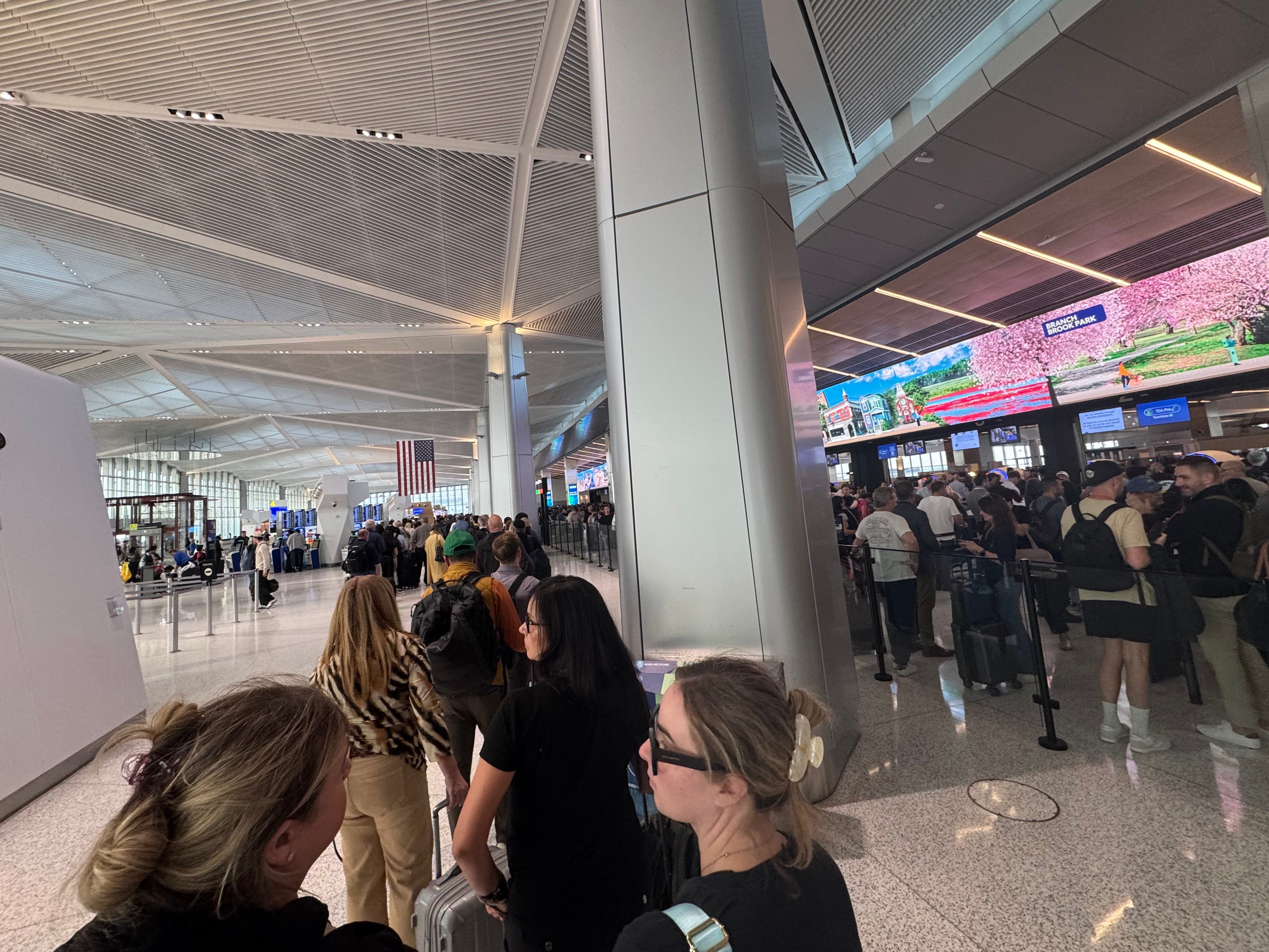
TSA staffing shortages are still causing issues, and I saw it firsthand again at Newark Terminal A on a Thursday afternoon. When this all started a few weeks ago, CLEAR+ took about an hour even with a shorter line than what I saw this time, so I switched to PreCheck Touchless ID instead.
It was still a significant wait — about 30 minutes — but clearly the right call. CLEAR was easily twice as long.
I also ended up helping a handful of novice travelers who came in looking for Touchless ID after all the recent coverage. It’s not exactly a secret weapon anymore, but it still moved quickly — faster than CLEAR and roughly 3x faster than standard PreCheck. No idea how bad the regular security line was, but safe to assume it wasn’t great.
This week:
Hyatt adds 22 all-inclusives from 12K + double points promo
Points strategies for tax season
New Mexico travel guide: high desert landscapes, culture, and where to stay
United Airlines announces “Relax Row” economy couch-style seats
How I quickly secured a room in Fort Lauderdale for a stranded family of 6 after the disruption caused by this week’s accident at LaGuardia
Have a great weekend — and happy travels!
Disclosure: This post contains referral links, which may earn me a small bonus. I only recommend products I use or truly believe in.
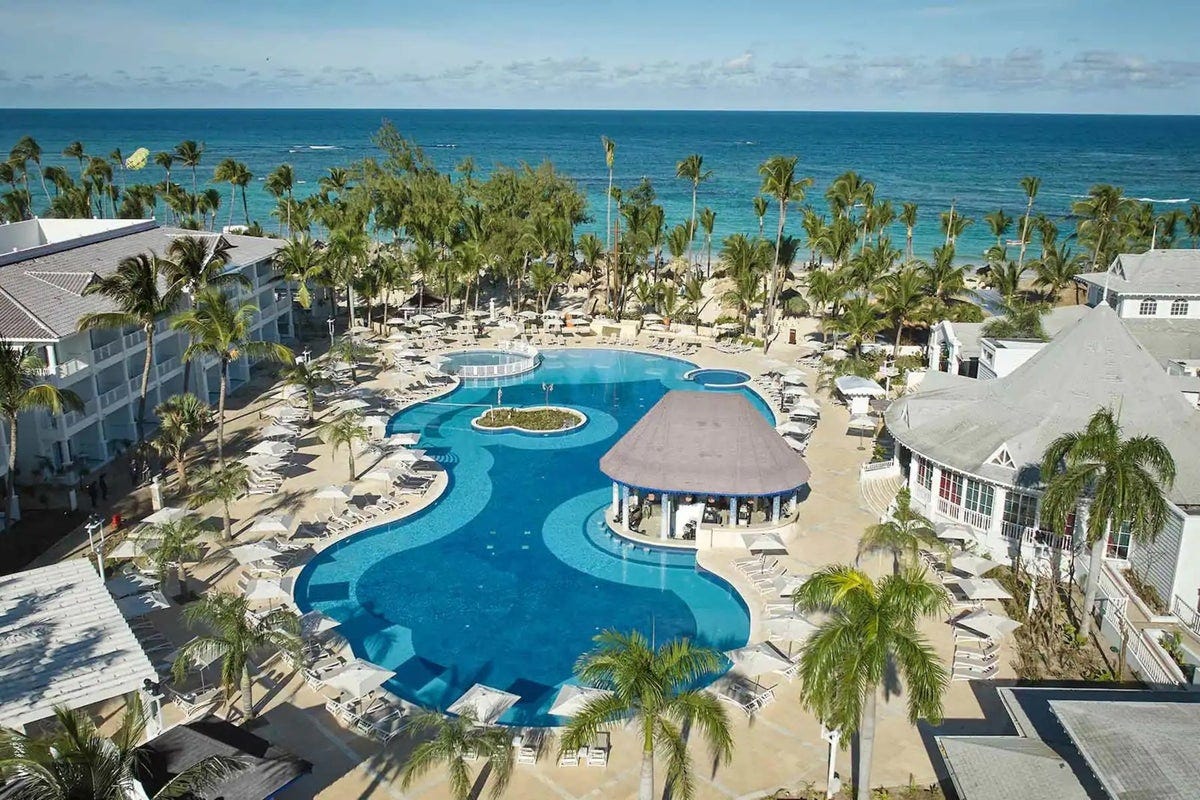
Hyatt officially added 22 Bahia Principe all-inclusive resorts to their program, opening up a major new batch of redemptions across Mexico, Jamaica, the Dominican Republic, and Tenerife. Award stays start at 12,000 points per night on off-peak dates, with standard Hyatt award pricing tiers applying across the portfolio.
They’re also launching these properties with a promo: double points on paid stays at these properties for stays completed by June 30, 2026 (registration required this weekend — by March 30).
These are generally large, resort-style complexes with multiple pools, buffet dining plus a handful of à la carte restaurants, beach access, and built-in entertainment like shows, activities, and kids clubs. The portfolio skews family-heavy, with many properties offering water parks, kids clubs, and larger room configurations, though there are also adults-only options. Overall, these sit firmly in the mass-market all-inclusive tier — reliable, good-value stays rather than boutique or design-forward.
There’s a couple weeks left in tax season, and for a lot of people that means a sizable payment coming due. It’s not fun, but it is one of those rare moments where a large, unavoidable expense becomes an opportunity. Think of it the same way you would a big home repair, medical bill, or tuition payment — if you’re going to spend the money anyway, you might as well route it in a way that works for you. The IRS allows credit card payments through approved processors, typically charging ~1.75%–1.85% (or higher, up to ~2.49% through platforms like TurboTax). That fee stings, but in the right scenario, it can absolutely be worth stomaching:
Hitting a sign-up bonus spend requirement: Big offers often require $4K–$10K+ in spend over a few months. A tax bill can knock that out in one shot and unlock outsized value.
Reaching annual spending thresholds to earn extra rewards: Some cards reward you for hitting spend quotas across the year — think free hotel night certificates, bonus points, or even airline/hotel status. These perks can be worth hundreds or thousands, making a tax payment a very efficient way to cross the line.
Accelerating toward elite status: Certain airline and hotel cards let you spend your way into status. A large tax bill can fast-track that and unlock benefits like upgrades, free bags, and better earning rates.
Splitting payments across multiple cards: You can divide a tax bill across cards, which helps you hit multiple bonuses or stay within your credit limits.
Overpaying strategically to trigger a refund: Some people intentionally overpay their taxes on a credit card and receive the excess back as a refund check from the IRS later.
Case in point: my mom just got into the points game and went big out of the gate with the Chase Sapphire Reserve, which is currently offering an all-time high 125,000-point bonus. The catch is a $6,000 spend requirement in 3 months after opening the card, which had us on the fence given her normal spending habits. Then her tax bill came in right around that number, with about ~$100 in processing fees. One transaction later, she’s cleared the bonus — conservatively worth well over $2,250 in travel — and will realistically pull another ~$1,500+ in value from credits and perks she’ll actually use.
If you’re just earning standard rewards, the fees will likely cancel the benefit out. But if you’re using a tax payment to unlock a bonus, hit a meaningful spending threshold, or accelerate toward something valuable, it’s one of the cleanest ways to turn a required expense into a meaningful return.
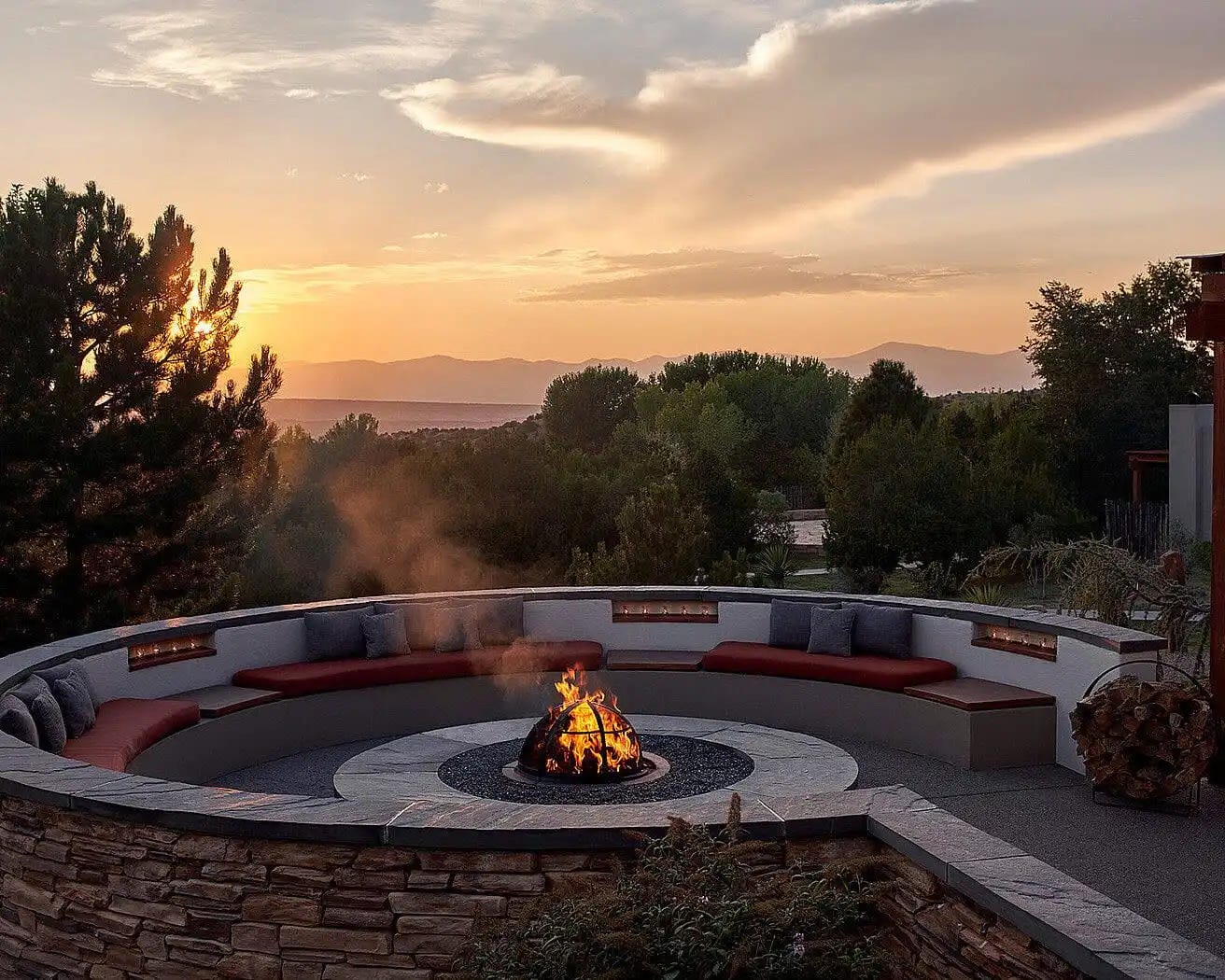
New Mexico is home to high desert landscapes, living cultures, and creative spirit shape every journey. Santa Fe anchors the experience with adobe architecture, world class museums, and a food scene defined by red and green chile. Taos pairs dramatic mountain scenery with a long legacy of artists and Taos Pueblo, one of the oldest continuously inhabited communities in the country. Albuquerque brings a more urban rhythm, and serves as a gateway to Route 66 and Rio Grande valley trails. Beyond the cities, the state opens into otherworldly terrain, from the blinding white gypsum dunes of White Sands National Park to the vast underground chambers of Carlsbad Caverns and the lava fields of El Malpais.
Travel here is about contrasts and connection, moving between gallery hopping, hiking mountain trails, and soaking in natural hot springs. New Mexico rewards travelers who want culture, nature, and a sense of place that feels distinctly its own.
Here’s a taste, with more details on ranch experiences, where to eat and trips to add on in the full article.
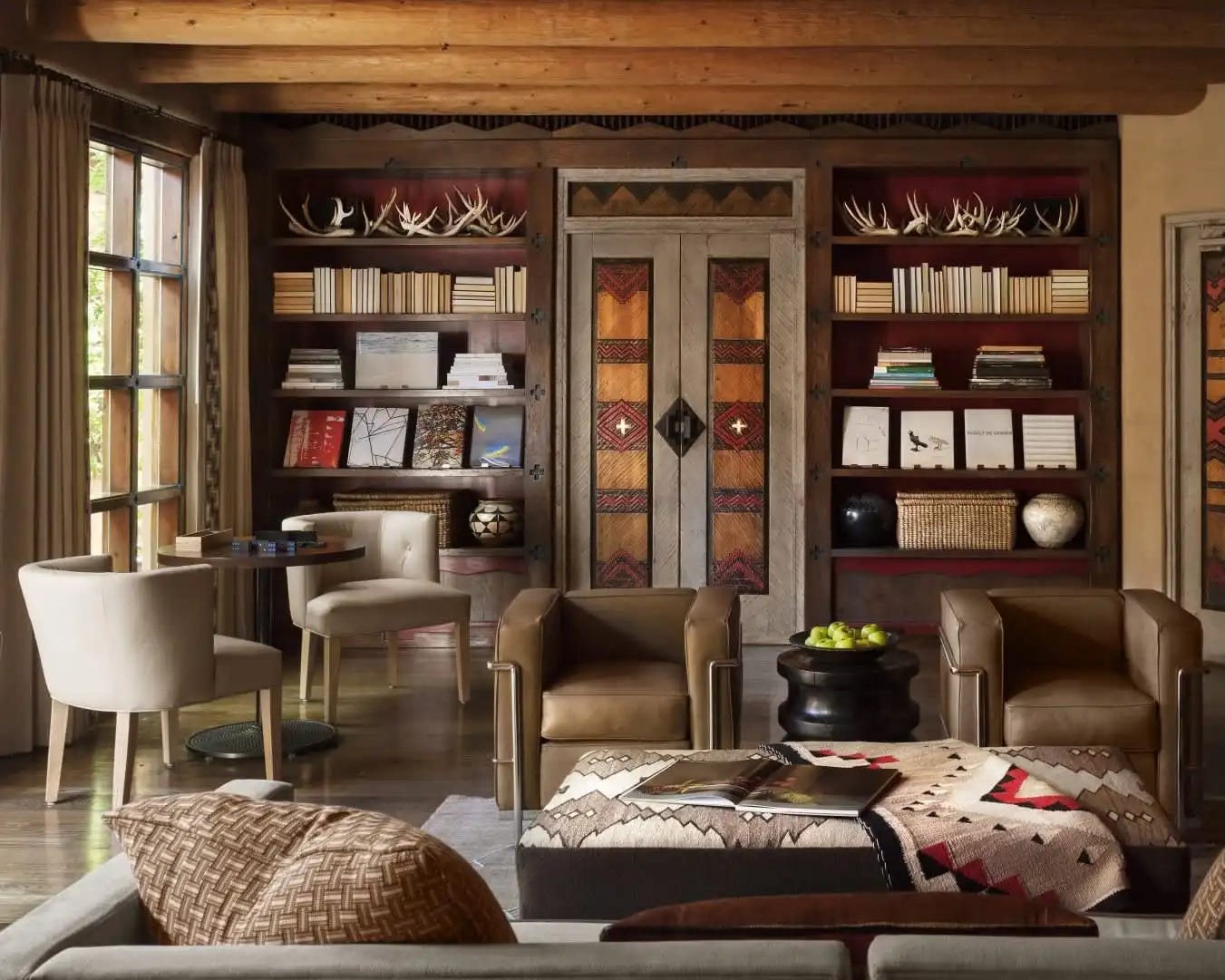
New Mexico feels accessible and unpolished in the best way. Many communities face economic challenges, particularly on reservations, making awareness and respect an important part of travel. With thoughtful planning, the state offers a distinctive, meaningful experience shaped by culture, landscape, and local life.
Airports: Albuquerque (ABQ) offers the most direct connections, with year-round flights to Chicago and San Francisco, plus New York City seasonally. Santa Fe (SAF) is connected all year to Los Angeles, Dallas, and Denver. Taos (TSM) connects seasonally to Dallas and Los Angeles.
Transportation: Renting a car offers the most flexibility for exploring New Mexico’s cities, high desert landscapes, and remote ranches.
Best time to visit: New Mexico shines any time of the year. Summer (June–August) is popular thanks to a higher elevation and cooler temperatures than neighboring Arizona. Spring (March–May) and fall (September–October) bring golden landscapes and fewer crowds, though evenings can be chilly, particularly in the north. Winter (December–February) brings real winter weather with snow in the mountains.
Ideal length of stay: Three nights works best for a focused stay in one location, allowing time for art, history, dining, and nearby landscapes. Four to five nights is ideal when pairing a city stay with a ranch experience or wellness retreat. A week or more opens up scenic road trips with multiple regions across New Mexico or easy interstate add-ons.
Signature dishes and drinks:
Frybread: Golden, crisp on the outside and soft within, holding deep cultural significance across Native communities.
Carne adovada: Slow braised pork in a red chile marinade, rich with garlic and oregano.
Biscochitos: Delicate, anise scented cookies made with lard and dusted with cinnamon sugar, and named the official state cookie.
Sopaipillas: Light, pillowy fried pastries, commonly served warm with honey or alongside savory dishes to soak up chile.
Calabacitas: A comforting vegetable dish of squash, corn, onions, and green chiles.
Piñon coffee: Brewed coffee infused with the aroma of roasted piñon nuts, offering a subtle, nutty warmth tied to the high desert landscape.
What to wear: Layering suits New Mexico’s high-desert climate, with warm days giving way to cooler evenings. Comfortable walking shoes are key for exploring galleries, trails, and markets. Casual attire works well in most settings, with smart casual appropriate for finer dining. Sun protection, including hats and sunscreen, is useful for time spent outdoors.
Travel tips:
Altitude: Many towns and outdoor areas sit above 6,000 feet, making a slower pace and steady hydration important while adjusting to the elevation.
Connectivity: Cell service is dependable in cities but limited in rural and high-desert regions. Hotels, cafés, and galleries commonly offer free Wi-Fi.
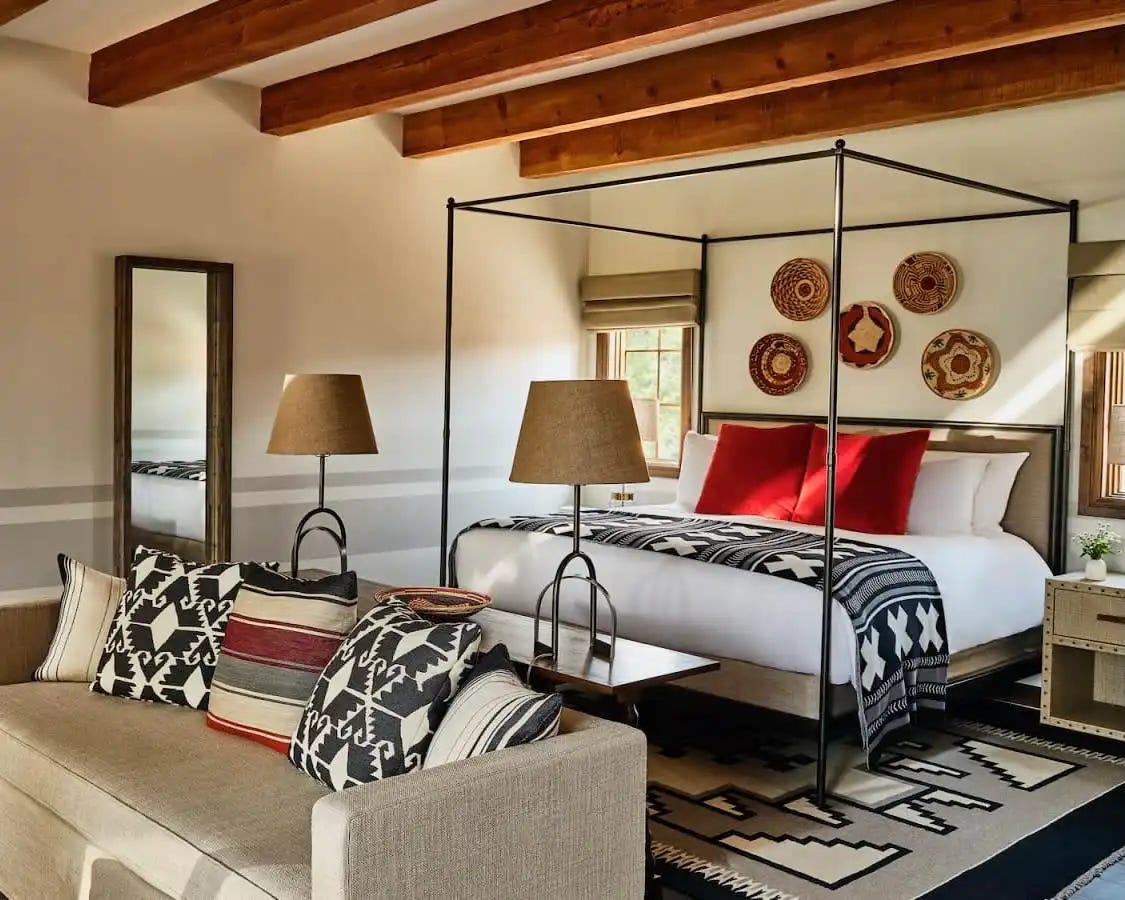
Adobe architecture, layered history, and a deeply rooted art scene define Santa Fe’s cultural core. Wander walkable streets lined with galleries, museums, and markets shaped by Native and Spanish influences. High-desert light and nearby mountains frame an unhurried pace.
Where to stay
Bishop’s Lodge Auberge Collection: Hideaway reimagined with warm, modern sensibility, offering spacious rooms, casitas, and private residences. Ranch-inspired experiences, elevated dining, and a strong sense of heritage make this feel both grounded and quietly elevated.
Fora Reserve perks include a $100 hotel credit, daily breakfast, an upgrade, and extended check-in/out whenever possible.
Four Seasons Rancho Encantado Santa Fe: Refined desert retreat on the outskirts of Santa Fe with adobe-style casitas. Grounded in wellness and place, the experience blends restorative spa rituals, Southwestern cuisine, and high desert landscape.
When you book Four Seasons with Fora, you’ll enjoy exclusive Four Seasons Preferred Partner benefits.
Rosewood Inn of the Anasazi: Sophisticated and artfully rooted in Santa Fe’s cultural core, just steps from the Plaza. Rich textures, Native-inspired design, and a celebrated restaurant create an intimate, polished stay with a strong sense of place.
Fora’s Rosewood Elite partner perks include a $125 food and beverage credit, daily breakfast, welcome amenity, and an upgrade and extended check-in whenever possible.
The Inn of the Five Graces: Intimate, transportive escape known for its richly layered interiors, candlelit courtyards, and deeply personal service. Exceptionally romantic, with a destination-worthy spa and a sense of old world indulgence.
Fora Reserve perks include a $100 hotel credit, daily breakfast, complimentary valet parking, no resort fee, an upgrade, and extended check-in/out whenever possible.
Inn and Spa at Loretto: Serene, design-forward hotel inspired by pueblo architecture, anchored by a tranquil spa and understated Southwestern style. The central location near Canyon Road pairs well with calm interiors and a quietly restorative mood.
Fora Perks include a $100 hotel credit, daily breakfast, an upgrade, and extended check-in/out whenever possible.
La Fonda on the Plaza: Historic landmark with vibrant soul, blending classic Santa Fe style, hand-painted details, and a lively sense of place. Rooftop dining, local art, and an unbeatable Plaza location make it an ideal choice.
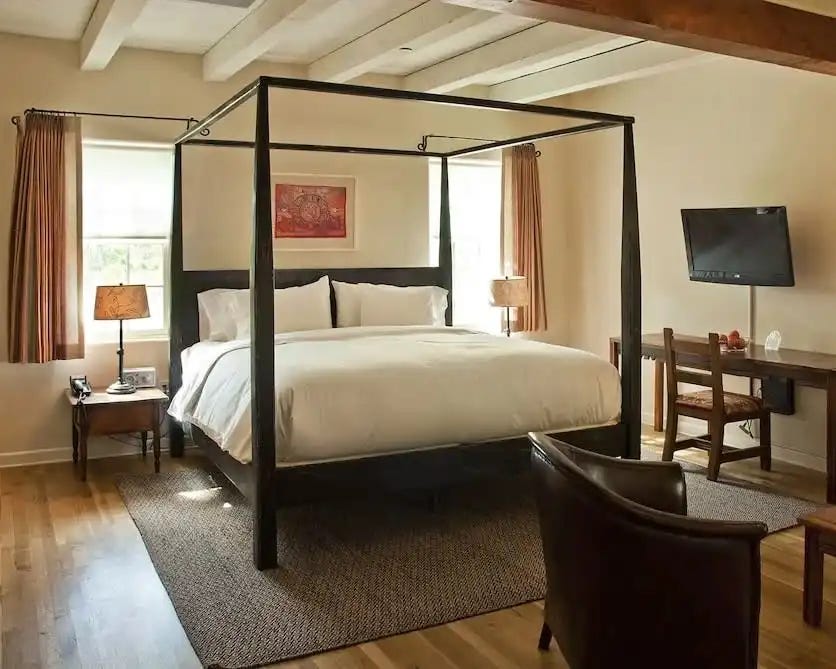
Laid-back and local, Albuquerque blends historic neighborhoods with a modern rhythm driven by food, breweries, and open space. The Sandia Mountains anchor the skyline, while river paths, nearby trails, and wide skies create easy access to the outdoors and everyday adventure.
Where to stay
Los Poblanos Historic Inn & Organic Farm: Serene, farm-driven retreat surrounded by lavender fields, gardens, and open farmland. Thoughtful design, seasonal dining, and a strong sense of place create a calm, restorative stay with quiet refinement.
Fora Perks include a $25 daily hotel credit, welcome amenity, an upgrade, and extended check-out whenever possible.
Hotel Chaco: Modern, design-led hotel inspired by Chaco Canyon, offering clean lines, warm tones, and panoramic views of the Sandia Mountains. Refined dining, a rooftop lounge, and proximity to Albuquerque’s cultural district make this a polished urban escape.
Hyatt Regency Tamaya Resort & Spa: Spacious resort on the Rio Grande, blending Southwestern design with expansive desert landscapes. Golfing, a destination spa, and multiple pools create a well-rounded stay that balances cultural connection with resort-style ease.
Fora’s Hyatt Privé partner perks include a hotel credit, welcome amenity, daily breakfast, an upgrade, and extended check-in/out whenever possible.
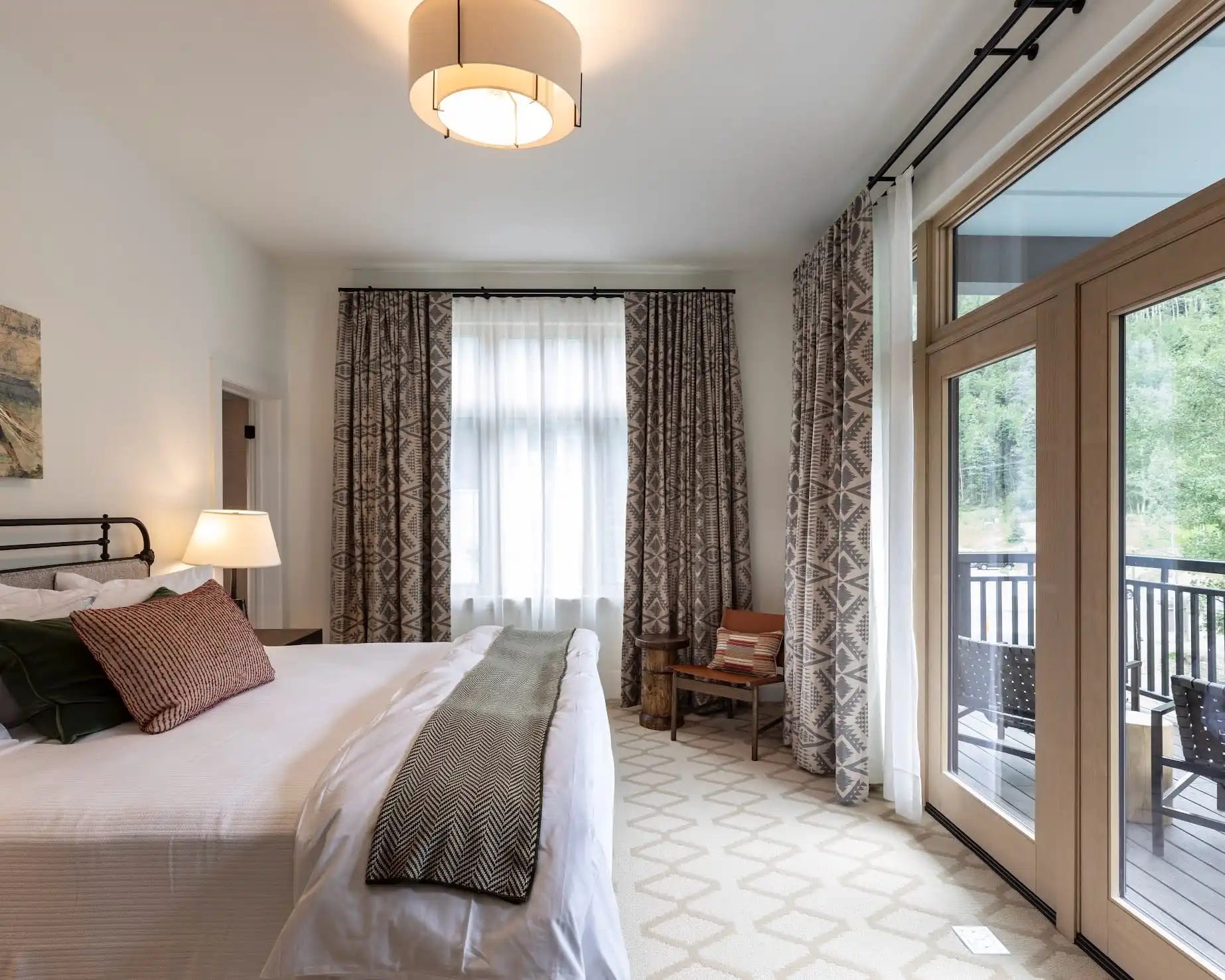
Expressive and grounded, Taos draws creatives with its Pueblo heritage, small galleries, and unfiltered sense of place. The town’s energy is shaped as much by its artistic spirit as by the dramatic landscape that surrounds it, creating a setting that feels both raw and reflective.
Where to stay
The Blake at Taos Ski Valley: Contemporary alpine retreat at the base of Taos Ski Valley. Clean lined interiors, a full service spa, and refined dining create a polished mountain stay that feels modern, warm, and quietly elevated.
El Monte Sagrado Living Resort & Spa: Soulful sanctuary where adobe style casitas and suites are set among gardens, waterways, and cottonwood trees. Grounded in wellness and spiritual calm, the property blends earth toned design, a holistic spa, and tranquil atmosphere.
The Historic Taos Inn: Storied adobe inn in the heart of Taos, with intimate courtyards, warm Southwestern character, and long standing connection to the local arts scene. Live music, regional cuisine, and an authentic sense of place make it an inviting, quietly charismatic stay.
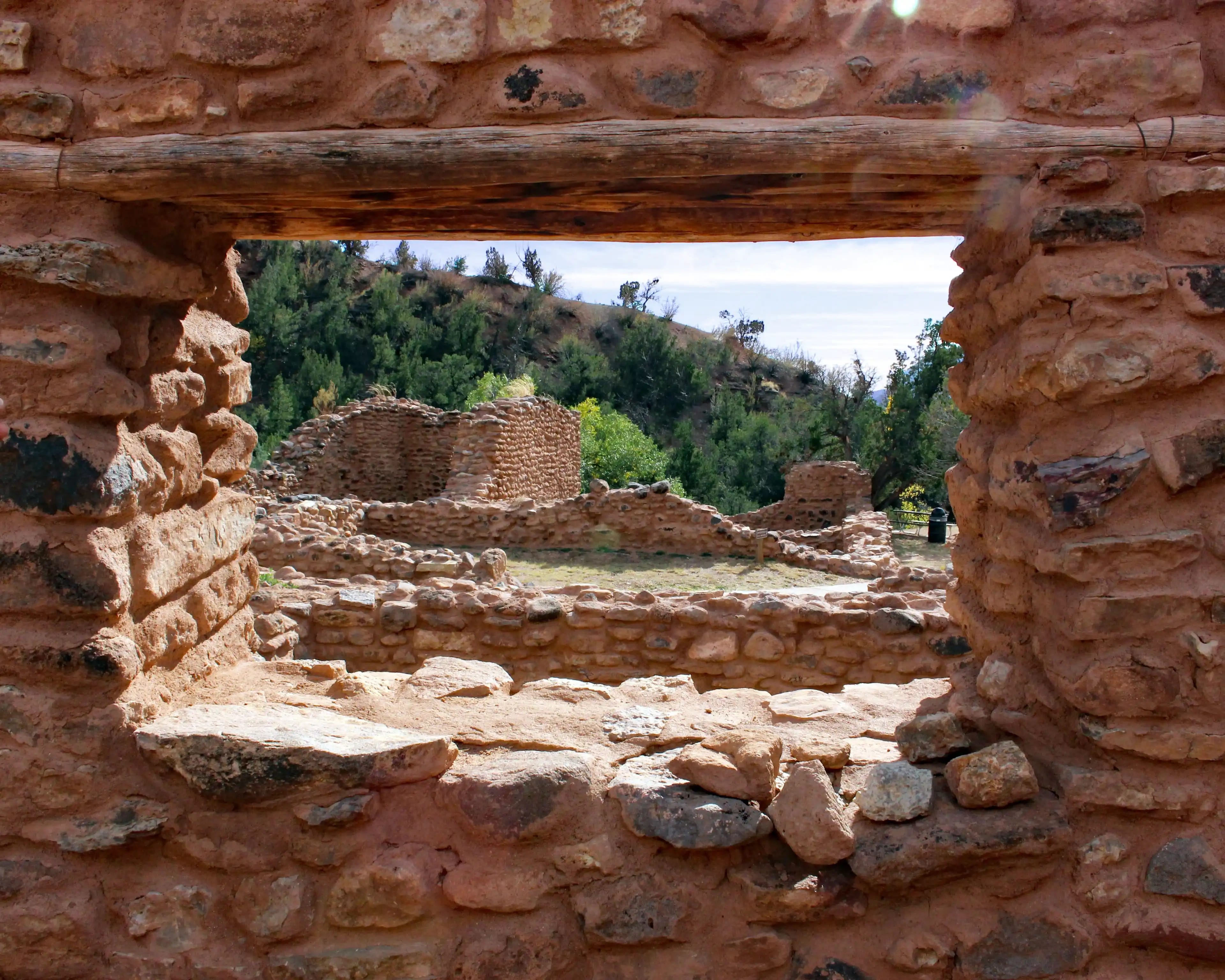
New Mexico’s history unfolds across thousands of years, shaped first by Indigenous communities. Pueblo peoples such as the Tewa, Tiwa, and Keres built enduring villages, developing sophisticated agriculture, architecture, and ceremonial traditions rooted in the land. Many of these communities continue to observe seasonal dances, feast days, and spiritual rituals that honor rain, harvest, and balance. Spanish explorers arrived in the late 16th century, establishing Santa Fe in 1610 as one of the oldest European settlements in North America. The region evolved through centuries of Spanish and later Mexican governance before becoming part of the United States in the mid 19th century.
Today, this layered past can be experienced in places like Taos Pueblo, a UNESCO World Heritage Site continuously inhabited for over a thousand years. Santa Fe and towns along the Rio Grande showcase adobe architecture, sacred spaces, and acequia irrigation systems. Art, food, and landscape combine to create a destination where cultural continuity feels present and preserved.
Cultural celebrations and events
Taos Wool Festival (May, Taos): Celebrates wool, sheep, and fiber arts with live demonstrations, sheep herding competitions, and artisan markets.
Georgia O’Keeffe Museum Summer Programs (June–August, Santa Fe): Exhibitions, artist talks, and workshops explore O’Keeffe’s work and legacy.
Santa Fe Indian Market (August, Santa Fe): Native American art event showcasing jewelry, pottery, and cultural storytelling from Pueblo, Navajo, and other tribal artists.
New Mexico State Fair (September, Albuquerque): Carnival rides, live music, and local cuisine offer a broad taste of state culture.
Hatch Chile Festival (Late September, Hatch): Small-town festival celebrating the green chile harvest with tasting contests, cooking demos, and live music.
Albuquerque International Balloon Fiesta (October, Albuquerque): The world’s largest hot air balloon festival fills the skies creating a stunning high-desert spectacle.
Cultural & Music Events (year-round, statewide): From the Santa Fe Opera’s summer performances to jazz, folk, and Native music festivals across the state.

New Mexico offers unforgettable experiences shaped by ancient cultures, dramatic landscapes, and a deep creative spirit.
Santa Fe
Meow Wolf Santa Fe: The original location with mind bending, immersive art installations for an interactive experience created by local artists.
Bandelier National Park: Explore Ancestral Pueblo cave dwellings carved into volcanic rock, with ladders and trails that make history accessible for all ages.
Ghost Ranch: Visit Georgia O’Keeffe’s former retreat, known for striking desert landscapes, scenic hikes, and its lasting influence on American art.
Canyon Road: Stroll one of the country’s most concentrated art districts, featuring galleries filled with traditional and contemporary Southwestern works.
Spas and wellness: Unwind at destination retreats like Ten Thousand Waves or boutique hotel spas inspired by regional traditions.
Albuquerque
Petroglyph National Monument: Walk trails past thousands of prehistoric carvings etched into the rocks, offering a powerful introduction to the region’s history.
Old Town Albuquerque: Browse adobe-lined streets filled with Native American jewelry, local crafts, and historic landmarks.
Sandia Peak Tramway: Ride one of the world’s longest aerial tramways for hiking trails and sweeping views over the Rio Grande Valley.
Indian Pueblo Cultural Center: Discover the living cultures of New Mexico’s 19 Pueblo tribes through curated exhibits, traditional dances, and rotating art shows.
Hot air balloon ride: Float above cottonwood bosque, desert mesas, and the Sandia Mountains from a quiet, cinematic vantage point.
Taos
Taos Pueblo: A UNESCO World Heritage Site and living Native community, offering a meaningful look into centuries old traditions, architecture, and daily life.
Taos Ski Valley: One of the Southwest’s premier ski destinations, known for challenging terrain, deep snow, and a laid back mountain culture.
Rio Grande Gorge Bridge: Take in dramatic canyon views, with nearby hiking paths that highlight the region’s rugged beauty.
Hiking: Access high desert mesas, forested mountains, and family friendly trails suited for all experience levels.
Local crafts: Shop turquoise jewelry, pottery, and textiles rooted in Native American and Hispanic traditions, often sold directly by artisans.

United Airlines is taking a page from international carriers and bringing a new kind of seat to the U.S. market: economy rows that convert into lie-flat “couches.” Starting in 2027, its new “Relax Row” will roll out on Boeing 787s and 777s, with plans to scale across more than 200 aircraft by 2030.
The concept isn’t new — products like Air New Zealand’s Skycouch and ANA’s Couchii have been popular for years — but this marks the first real push into North America. The Relax Row will sit between premium economy and standard economy, with up to nine rows per aircraft on average. Seats look standard at first, but include adjustable leg rests that fold up to create a flat surface across the row, effectively turning three seats into a shared lounging or sleeping space.
Passengers booking it can expect a more bundled setup than typical economy: a custom mattress pad, larger blanket, multiple pillows, and a dedicated kit for families traveling with kids. The design is clearly geared toward groups who can share the space comfortably, though solo travelers will still be able to book it.
United hasn’t released pricing yet, but expect it to function as a paid add-on layered onto economy, with costs tied to how many seats you block off. It will likely be most compelling for couples and families on long-haul routes, where it offers a middle ground between standard economy and business class pricing.
After the wave of cancellations from the LaGuardia Airport Air Canada incident, Roy C.’s mom and extended family — 3 adults and 3 young kids — were stranded overnight at Fort Lauderdale-Hollywood International Airport and ended up sleeping in the terminal. By morning, they urgently needed a place to stay — especially with an elderly traveler who hadn’t slept. Rather than lose time sorting through more than a couple options, I quickly zeroed in on a reliable brand and sent them to the Hyatt Place Fort Lauderdale Airport South & Cruise Port. Hyatt Place’s rooms have a consistent layout that’s large and flexible, with wraparound couches, sofa beds, and a divided setup between the bed and living area so everyone can spread out and operate on their own schedules. These properties consistently include free breakfast and reliable airport shuttles, which sealed it here.
Before booking, I took the extra step to call both Hyatt Place and the neighboring Hyatt House (HP’s sister brand that adds kitchen setups) to confirm early check-in. Hyatt House showed availability online, but told me they were actually fully booked with stranded passengers and likely would’ve turned them away at the front desk. Hyatt Place’s site, meanwhile, said no early check-in allowed, but the manager picked up immediately, understood the situation, and said he’d do his best. They were in their room by 11am — four hours early, in the middle of a chaotic day, with no status. This is exactly where having a travel advisor can make a difference.
Thanks for reading! As always, I’m here if you want help with cards, points, destinations, or hotel bookings — especially for friends who don’t have time to decode this stuff. Hit me up anytime.
Comments
Nothing yet. Say the first thing.
Sign in to join the conversation.