
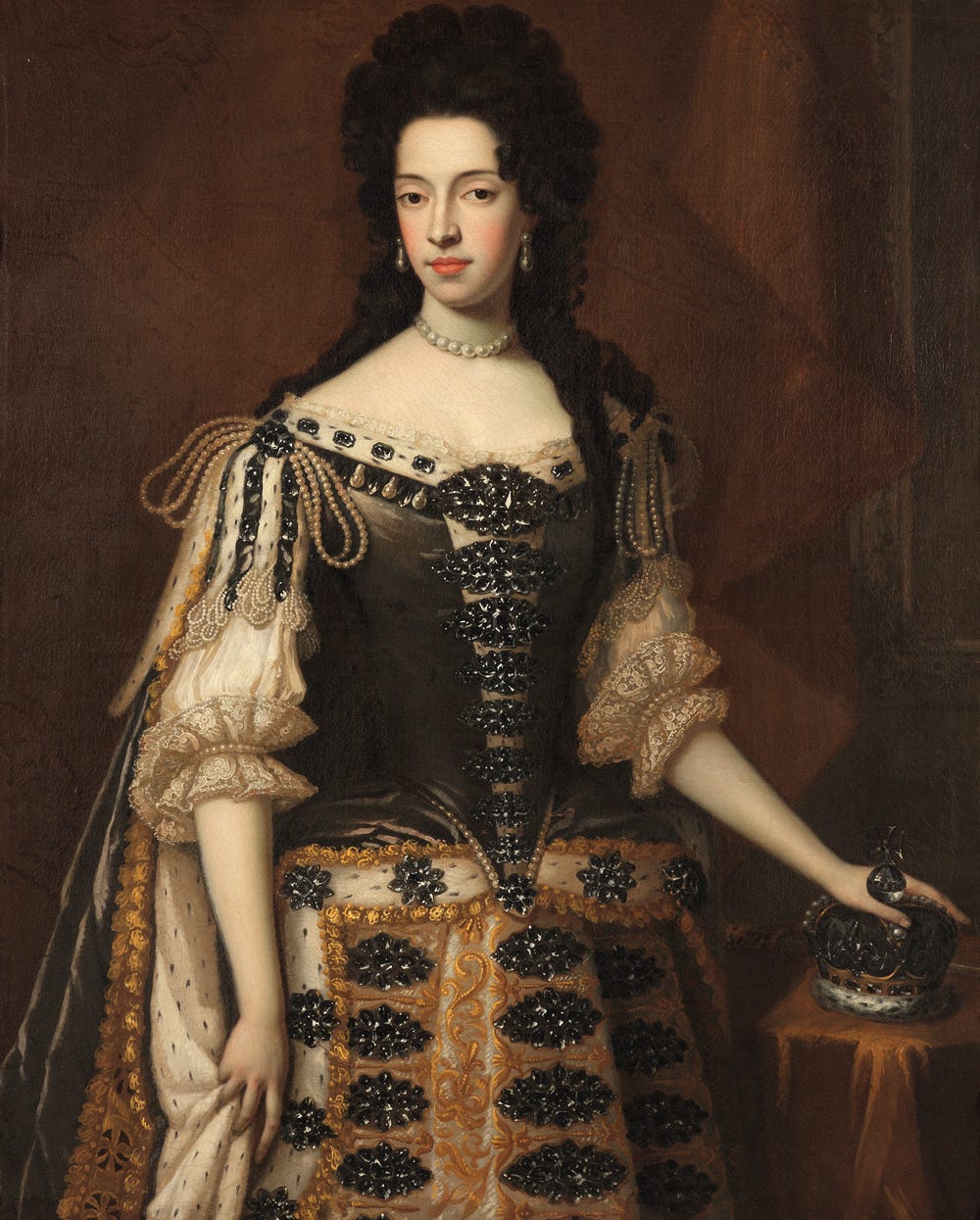
Imagine giving birth in a room crowded with over 70 gossiping courtiers, politicians, and ladies-in-waiting, only to have the entire country declare that the child is not yours. Imagine being accused of smuggling a stranger’s newborn baby into your bedsheets inside a brass warming pan, all because your subjects would rather believe a ridiculous conspiracy theory than accept a Catholic heir to the throne. This was the humiliating, tragic reality of Mary of Modena, the forgotten consort of King James II, who went from being a deeply pious Italian teenager to one of the most slandered and exiled queens in British history.
The Nun Who Was Forced to Be a Queen
Born Maria Beatrice d’Este in the sunlit Italian duchy of Modena in 1658, the young princess had absolutely no desire for earthly crowns. She was deeply, passionately religious, and her childhood dream was to enter a convent and spend her life as a nun. But in the seventeenth century, a royal woman’s desires were entirely subservient to the dynastic needs of Europe. At the age of just 15, she was chosen to be the second wife of James, Duke of York, the heir to the British throne. James was 40 years old, a veteran of naval battles, a notorious womaniser, and a devout Catholic in a country that fiercely, violently loathed Catholicism.
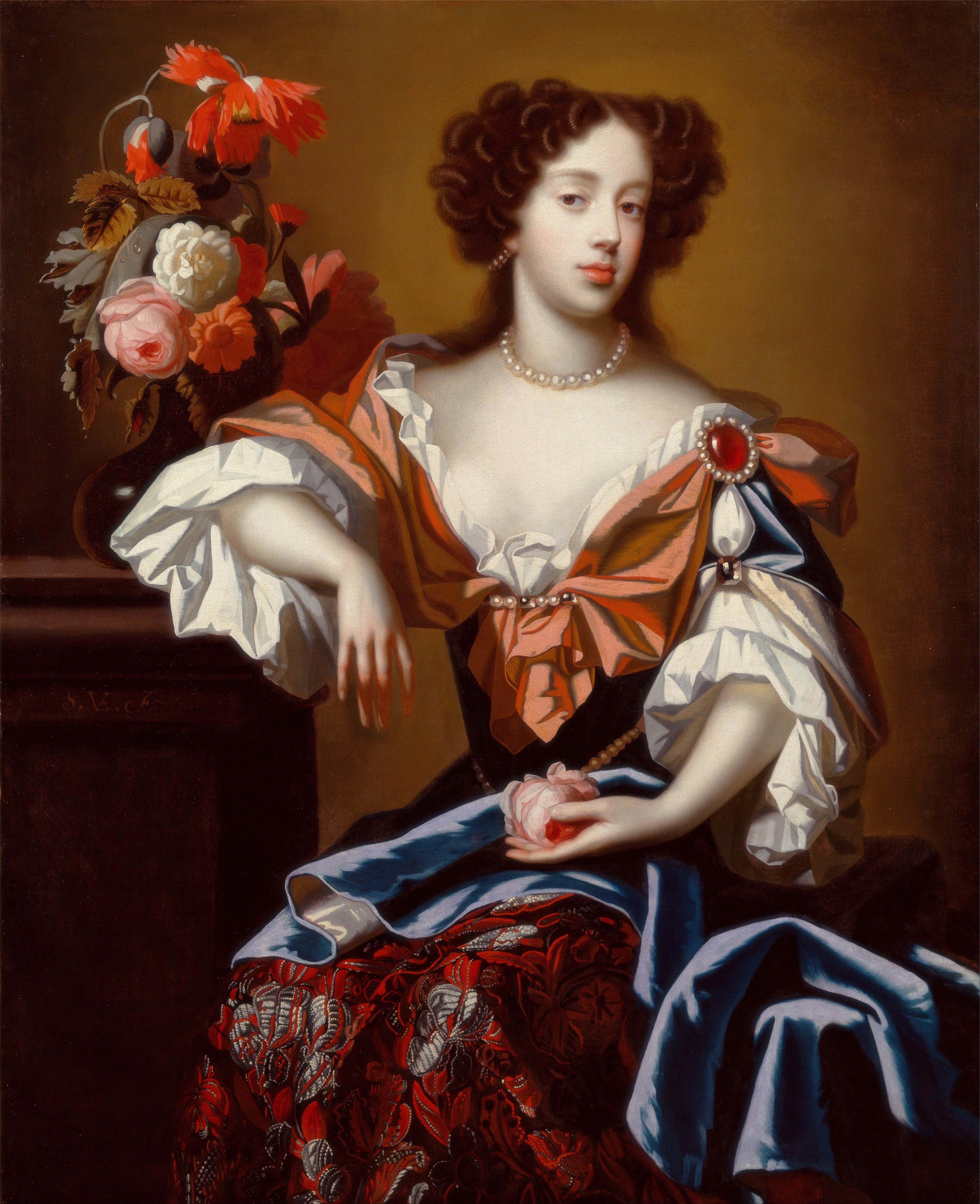
Mary’s journey to England in the autumn of 1673 was marked by dread. She later recalled that she wept during the entire carriage ride from Italy to the English Channel, terrified of the strange, cold, Protestant land she was being sent to. When she arrived in London, the public’s reception was ice-cold. Parliament openly protested the marriage, and the Protestant public viewed the young Italian girl not as their future queen, but as a dangerous agent sent by the Pope to subvert English freedom.
A Crown of Thorns and the Nursery of Grief
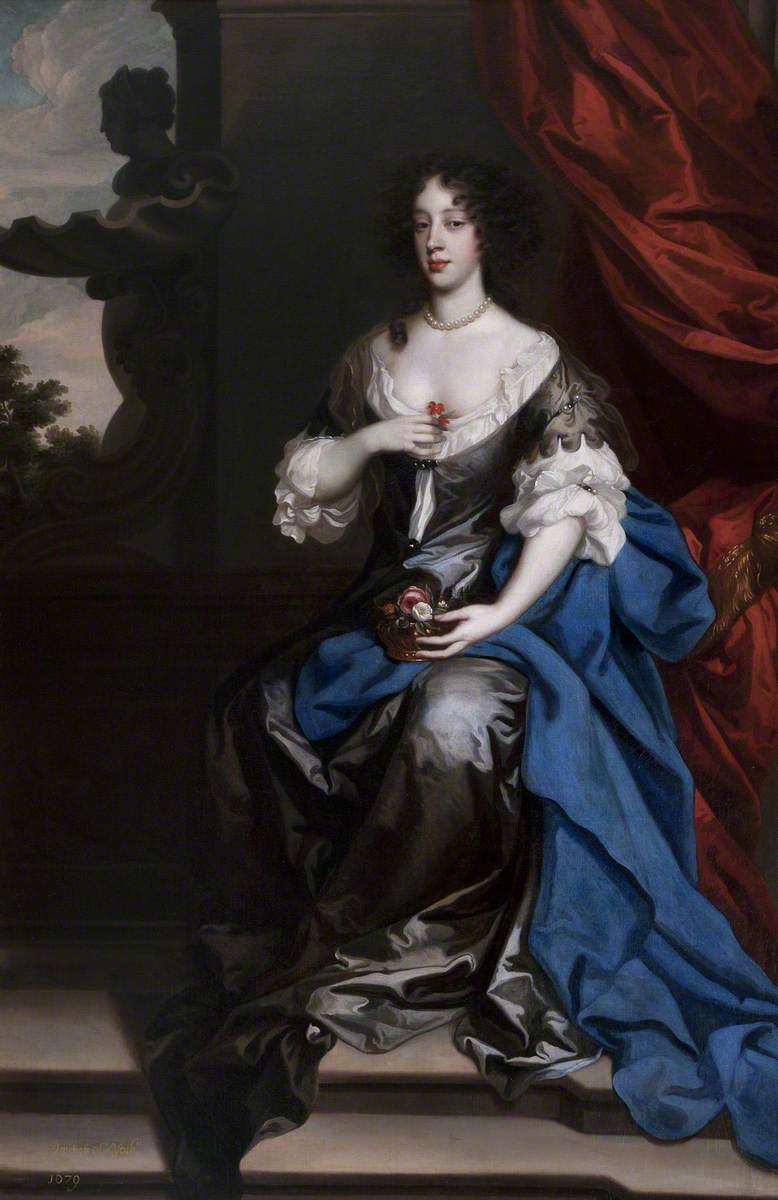
The early years of Mary’s marriage were defined by a relentless, exhausting cycle of pregnancy and grief. Between 1675 and 1684, Mary was pregnant nearly every single year. She gave birth to ten children, but the genetic fragility of the era - compounded by the poor medical knowledge of the Stuart court - turned her nursery into a morgue. One by one, her babies died in infancy or childhood from smallpox, convulsions, and mysterious fevers.
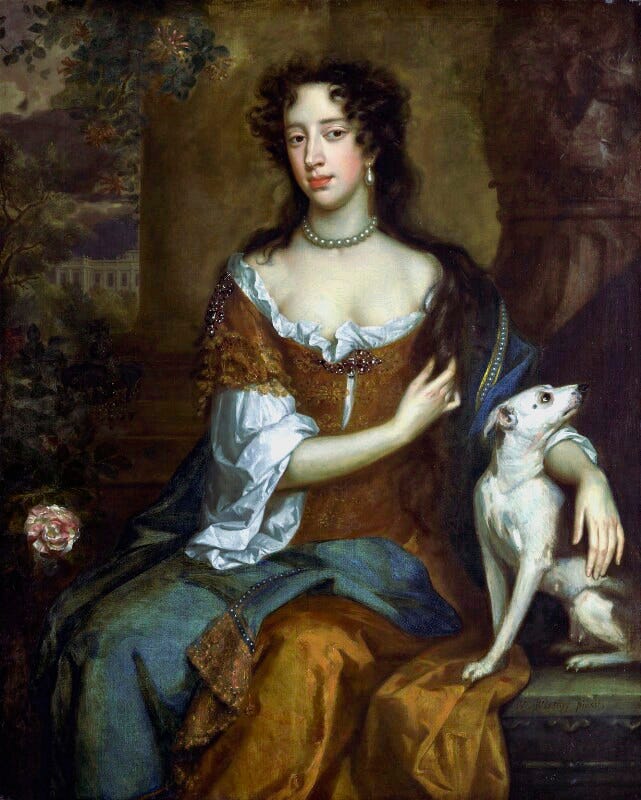
Her grief was made infinitely worse by the political atmosphere. In 1678, the hysteria of the ‘Popish Plot’ - a fabricated conspiracy alleging a Catholic plot to assassinate King Charles II - swept England. Mary and James were forced to flee to Scotland for their own safety, with the English mob openly calling for the Catholic Duke to be excluded from the succession. Through it all, Mary maintained a dignified, stoic silence, her letters to her family back in Italy filled with a quiet, desperate resignation to the will of God. When James finally ascended the throne in 1685, Mary wore the coronation robes, but she knew the crown she wore was laced with thorns.
The Scandal of the Warming Pan of 1688
By 1868, the political tension in England had reached a boiling point. James’s aggressive pro-Catholic policies had alienated the Protestant parliament, but they comforted themselves with the knowledge that the King was aging and his only heirs were his two Protestant daughters from his first marriage, Mary and Anne. But then, the unthinkable happened: the Queen became pregnant again.
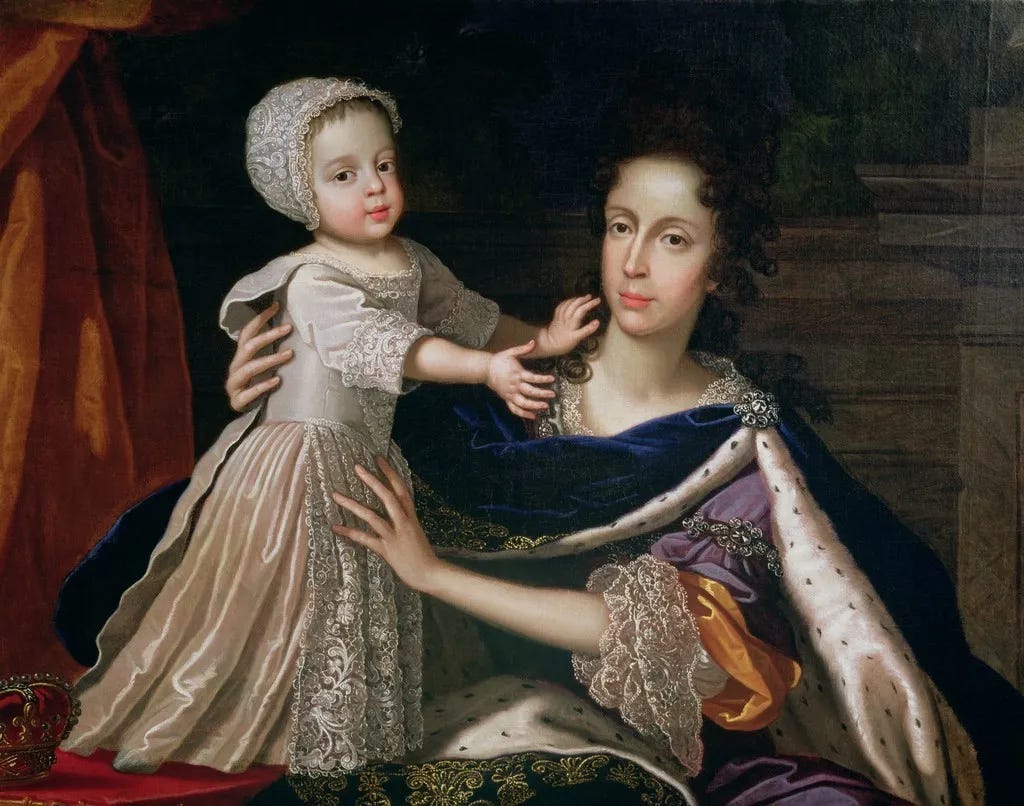
When Mary went into labour on 10th June 10 1688, at St. James’s Palace, she knew the Protestants would look for any excuse to delegitimise the child. To prevent rumours, James packed the birth chamber with dozens of witnesses, both Protestant and Catholic. Yet, the moment a healthy boy, James Francis Edward, was born, the Protestant faction launched one of the most successful smear campaigns in history. They claimed the Queen’s pregnancy had been a hoax, and that a healthy infant, the son of a local commoner, had been smuggled into the bed inside a long-handled brass warming pan to replace a stillborn royal child. The rumour spread like wildfire, destroying Mary’s reputation and giving the Protestant nobility the excuse they needed to invite James’s son-in-law, William of Orange, to invade.
The Disguise and the Long Exile
The birth of the baby triggered the Glorious Revolution. By November 1688, William’s army had already landed in Devon, and soon James II ordered his army to withdraw towards London. Fearing for her newborn son’s life, Mary decided to flee. On a bitterly cold, rainy December night, the Queen of England disguised herself as a humble laundress. Clutching her six-month-old baby to her chest under a dark cloak, she sneaked out of the palace, crossed the stormy River Thames in a tiny rowboat, and stood shivering under the walls of a church in Lambeth waiting for a carriage to take her to the coast.
She successfully escaped to France, where her cousin, King Louis XIV, welcomed her with immense sympathy. Louis was captivated by Mary’s grace and dignity under pressure, treating her as the rightful Queen of England. The French king granted the exiled Stuarts the magnificent palace of Saint-Germain-en-Laye, where they established a shadow court. For the next thirty years, Mary lived as the “Queen over the Water”, a symbol of a lost dynasty, watching from afar as her Protestant stepdaughters, Mary and Anne, ruled the kingdom that had rejected her.
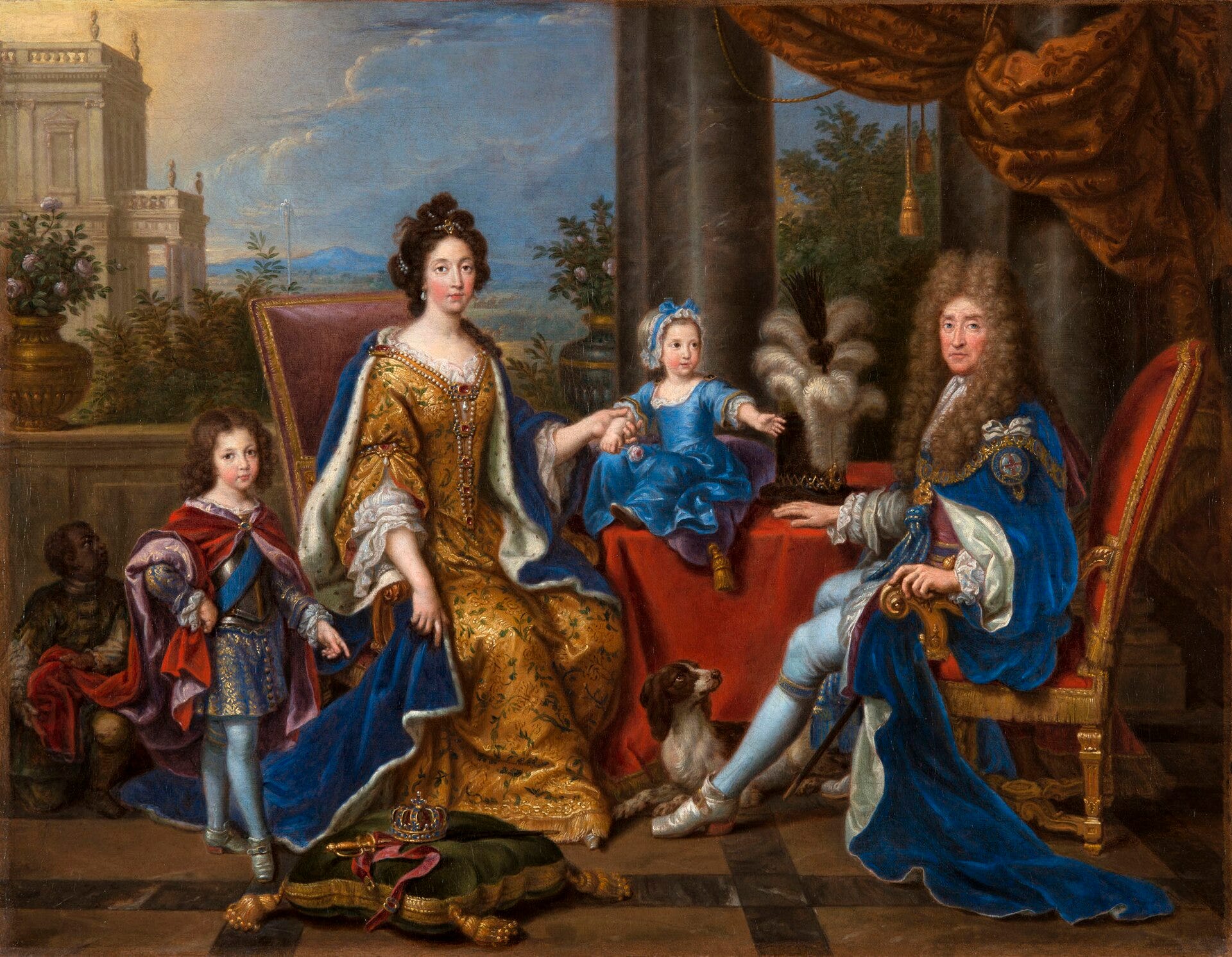
Mary of Modena died of breast cancer in France in 1718, outliving her husband and almost all of her children. She died in poverty, having spent her final years supporting the failing, desperate military campaigns of her son, the “Old Pretender”. She remains a haunting figure of the Stuart era: a woman who never wanted to be queen, who suffered the agonising loss of nearly all her children, and who was ultimately hunted out of her own kingdom by a nation that chose a bizarre conspiracy theory over the truth of her motherhood.
Thank you for reading! If you have enjoyed this please to subscribe! Thank you.
No posts
Comments
Nothing yet. Say the first thing.
Sign in to join the conversation.