
The phones at the Foros dacha went dead before dawn. Not from weather. Not from a fault in the lines that ran along the Crimean coast. Soldiers had severed them on orders from Moscow.
Mikhail Gorbachev, president of the Soviet Union, was supposed to be on holiday. He had come south in August 1991 with his wife Raisa and close family to rest and to put final touches on a new union treaty. That treaty would have turned the rigid Soviet structure into a looser federation of republics. To a circle of hardline officials in the capital, the document looked like national suicide.
On the evening of August 18 a delegation arrived uninvited at the compound perched above the Black Sea. Among them were men Gorbachev himself had elevated: KGB General Yuri Plekhanov, his own chief of staff Valery Boldin, Communist Party secretary Oleg Shenin, and General Valentin Varennikov, all now aligned with the men who styled themselves the State Committee on the State of Emergency. They laid out their terms. Sign a decree placing the country under emergency rule. Or step aside and let Vice President Gennady Yanayev take power.
Gorbachev refused. He told them the scheme was illegal and that he would not put his name to it. The conversation ended. The visitors left him inside the dacha with his family. Outside, KGB troops and army units closed every road and path. Antennas were disabled. The president of a nuclear power had become a prisoner on a cliffside estate he had used for years as a retreat.
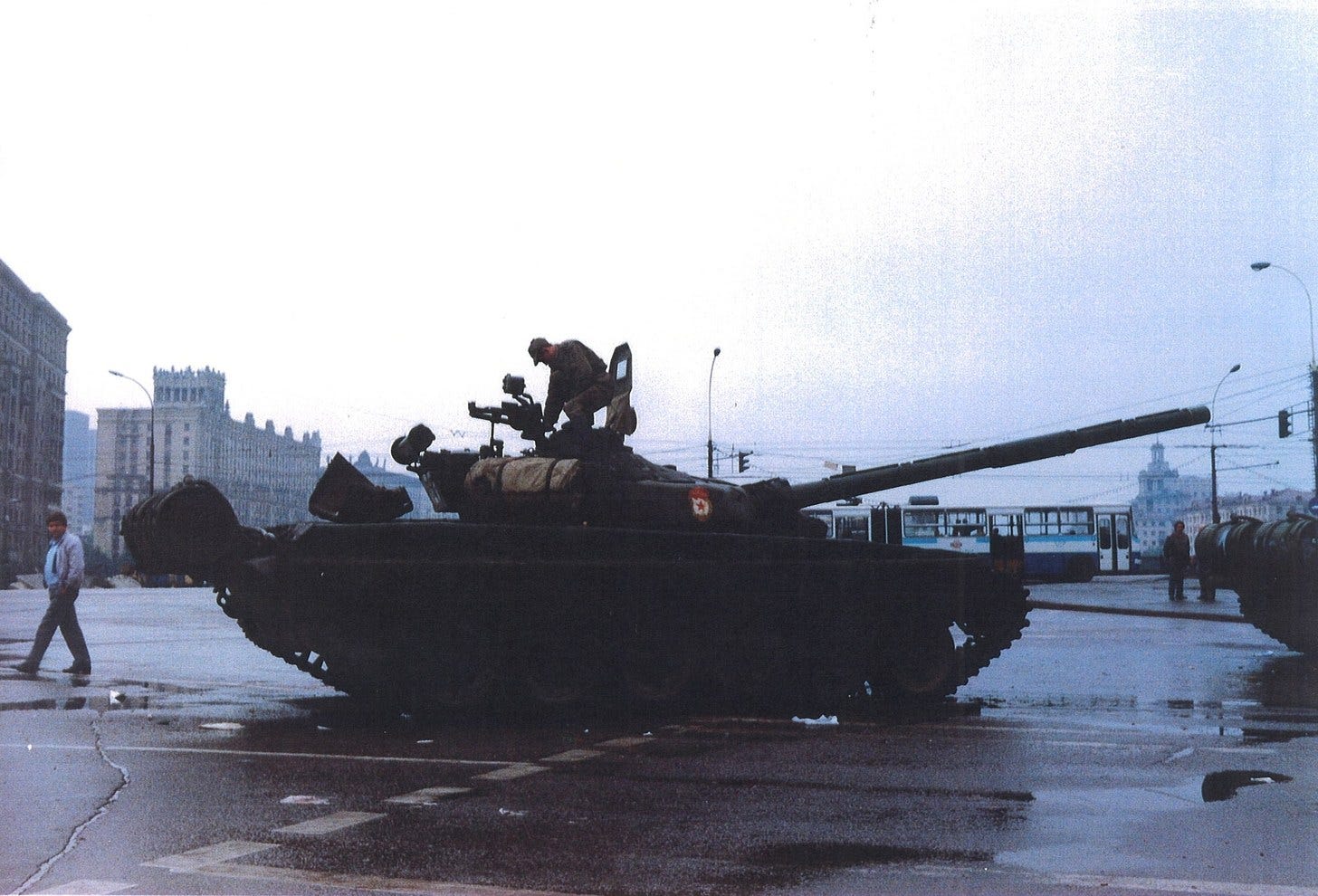
At 6 a.m. on August 19 the official news agency TASS and state radio began broadcasting the cover story. Gorbachev, they said, was too ill to govern. Yanayev had assumed the presidency. A state of emergency was in force to save the country from chaos. Tanks rolled into central Moscow. Troops took up positions at bridges, the television tower, and key intersections. The plotters expected the country to accept the new reality the way it had accepted so many decrees before.
They were wrong.
In Moscow, Boris Yeltsin, president of the Russian republic, moved at once. He labeled the committee a junta and called for resistance. Crowds began gathering at the White House, the Russian parliament building. Yeltsin climbed onto a tank parked outside and read an appeal denouncing the coup. Some army units hesitated. A few openly sided with him. Barricades of trolley buses and scrap metal went up around the building. Leaflets spread through the metro.
Inside the sealed dacha at Foros the isolation was nearly total. Gorbachev and those with him had no clear picture of events in the capital at first. The hours dragged. The plotters had gambled that cutting the president off would freeze the government long enough for their emergency decrees to harden into fact. Instead the absence of his signature became a problem. Without it the takeover looked exactly like what it was: an illegal seizure by men afraid of losing power.
The coup lasted three days. It collapsed because enough officers, soldiers, and ordinary citizens refused to treat the committee as legitimate. By August 21 the plotters were in disarray. Several flew to Crimea in a desperate bid to negotiate with the man they had locked away. Gorbachev would not receive them on their terms. When he finally left Foros by plane and returned to Moscow, the Soviet Union he had governed was already coming apart.
Republic after republic declared independence in the weeks that followed. The Communist Party was suspended. In December the union formally dissolved and Gorbachev resigned. The hardliners had tried to stop the treaty and preserve the old center. Their failure sped the very breakup they feared.
Gorbachev's choice in that closed room on August 18 carried a real cost. He kept his formal title for a few more months but lost the country he had tried to reform. The men who confronted him lost more. The coup destroyed what remained of their authority and accelerated the end of the Soviet system.
The decision itself was simple and irreversible. Sign and give the emergency a mask of legality, or refuse and gamble that the army and the public would not follow. He refused. Everything that followed, the crowds in Moscow, the defection of key units, the rapid independence declarations, flowed from that single no spoken above the Black Sea.
He was not sealed in that house alone. His wife Raisa was with him, and his daughter and her family. Raisa walked into that dacha in good health, and what those three days did to her is the part of this story that Gorbachev was still talking about decades later, long after the country was gone.
1944: Paris Rises and the Germans Begin to Leave
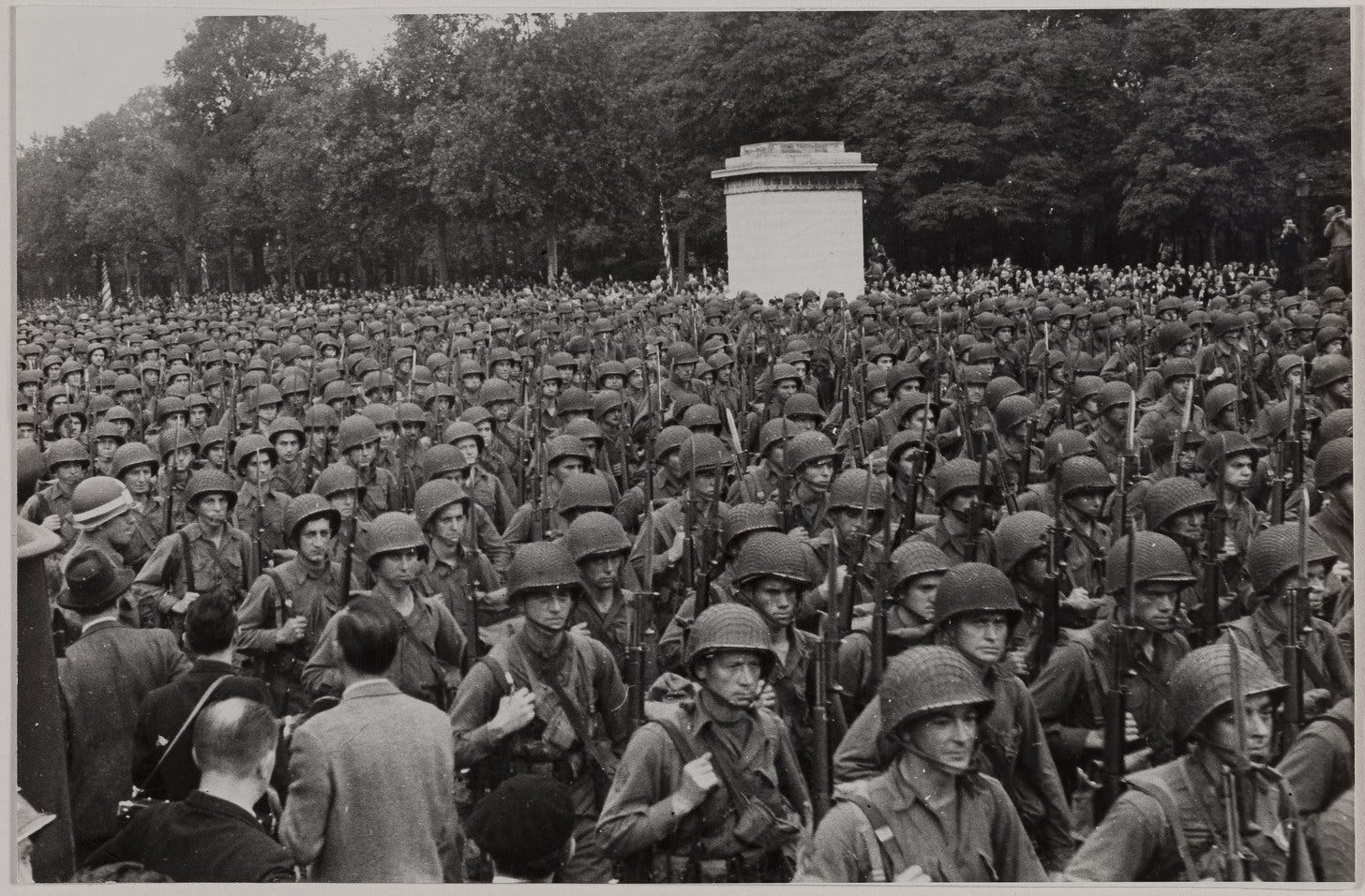
After four years of occupation, the people of Paris did not wait for the Allies to arrive in force. On August 19 French Resistance fighters launched a city-wide uprising. Police seized their own headquarters. Barricades of felled trees, overturned cars, and paving stones appeared across neighborhoods. German forces under General Dietrich von Choltitz still held key strongpoints and the bridges over the Seine, and they answered with patrols and fire. Fighting spread street by street. The Allies had planned to bypass Paris to keep driving toward Germany, but the uprising forced a change. French armored units under General Philippe Leclerc and American support raced for the city. By the 25th the German garrison surrendered. Charles de Gaulle walked down the Champs-Elysees the next day through crowds that had waited years for the moment. The rising cost hundreds of lives on both sides, yet it meant Paris was liberated by its own people as much as by advancing armies. The decision to fight before the tanks arrived turned a military objective into a political rebirth of France.
1848: The East Coast Learns California Is Full of Gold
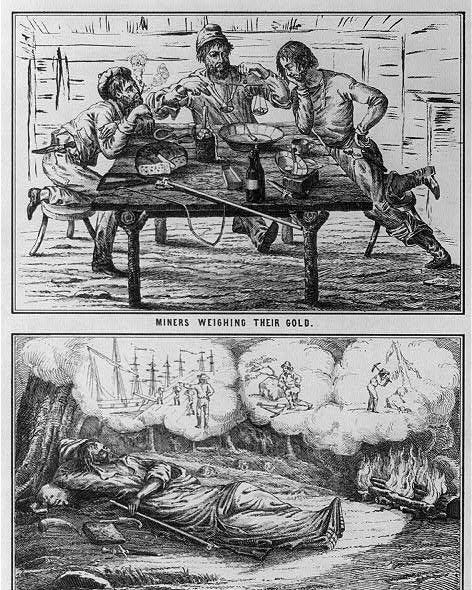
On August 19 the New York Herald published the story that turned a distant rumor into a national stampede. Gold had been found at Sutter's Mill in January, but reliable word took months to cross mountains and oceans. The Herald's report, detailed and insistent, told readers that the rivers of California were paying out fortunes in dust and nuggets. Within days other papers repeated it. Men who had never left their counties began selling farms, quitting jobs, and booking passage. Ship captains found crews vanishing for the isthmus route or the long Cape Horn run. By 1849 the flood of forty-niners was under way. San Francisco exploded from a sleepy port into a chaotic boomtown of tents and inflated prices. The news that landed on doorsteps that August morning did not create the gold, but it created the rush. It pulled hundreds of thousands west, redrew the map of American settlement, and financed a burst of growth that reached far beyond the diggings themselves.
1692: Five Die on Gallows Hill in Salem
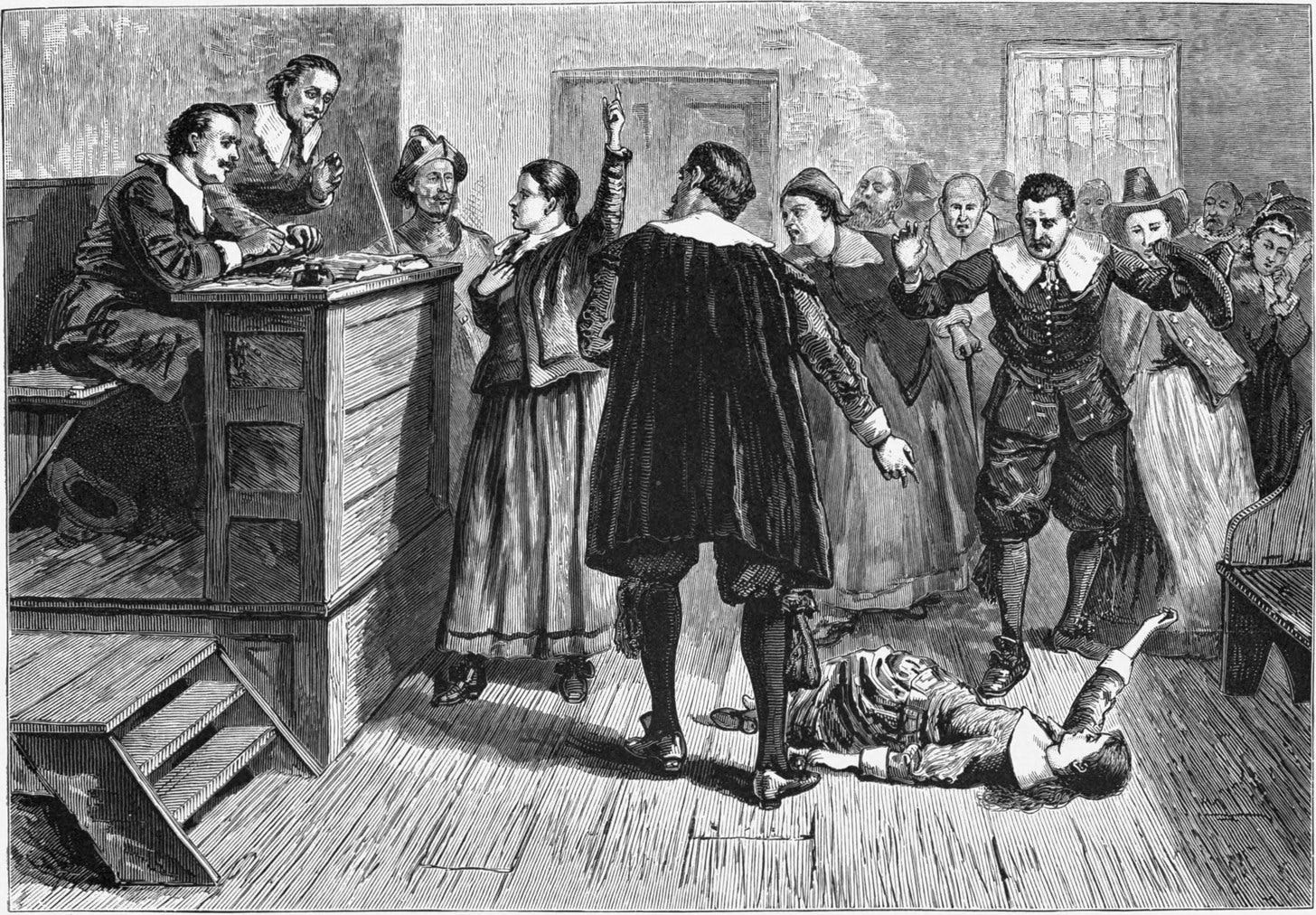
Martha Carrier, George Jacobs Sr., John Proctor, John Willard, and the minister George Burroughs were carted to the execution site in Salem on August 19 and hanged for witchcraft. All five had been convicted in the fever of accusations, spectral evidence, and neighborhood scores that gripped Essex County that year. Burroughs, who had once preached in the village, recited the Lord's Prayer perfectly on the gallows, an act many believed impossible for a true witch. It changed nothing. Proctor, a tavern keeper who had spoken openly against the trials, had refused to confess in exchange for his life. Carrier had called the proceedings a sham. Jacobs, old and nearly blind, had been condemned in part on the word of his own granddaughter. Willard, a former deputy, had quit bringing in suspects when he decided the process was corrupt. Their deaths came at the peak of the hanging season. Twenty people would die before the governor finally halted the court. The five who died that day became lasting emblems of how fear, bad evidence, and official zeal can kill the innocent in the name of order.
1812: Constitution Earns the Name Old Ironsides
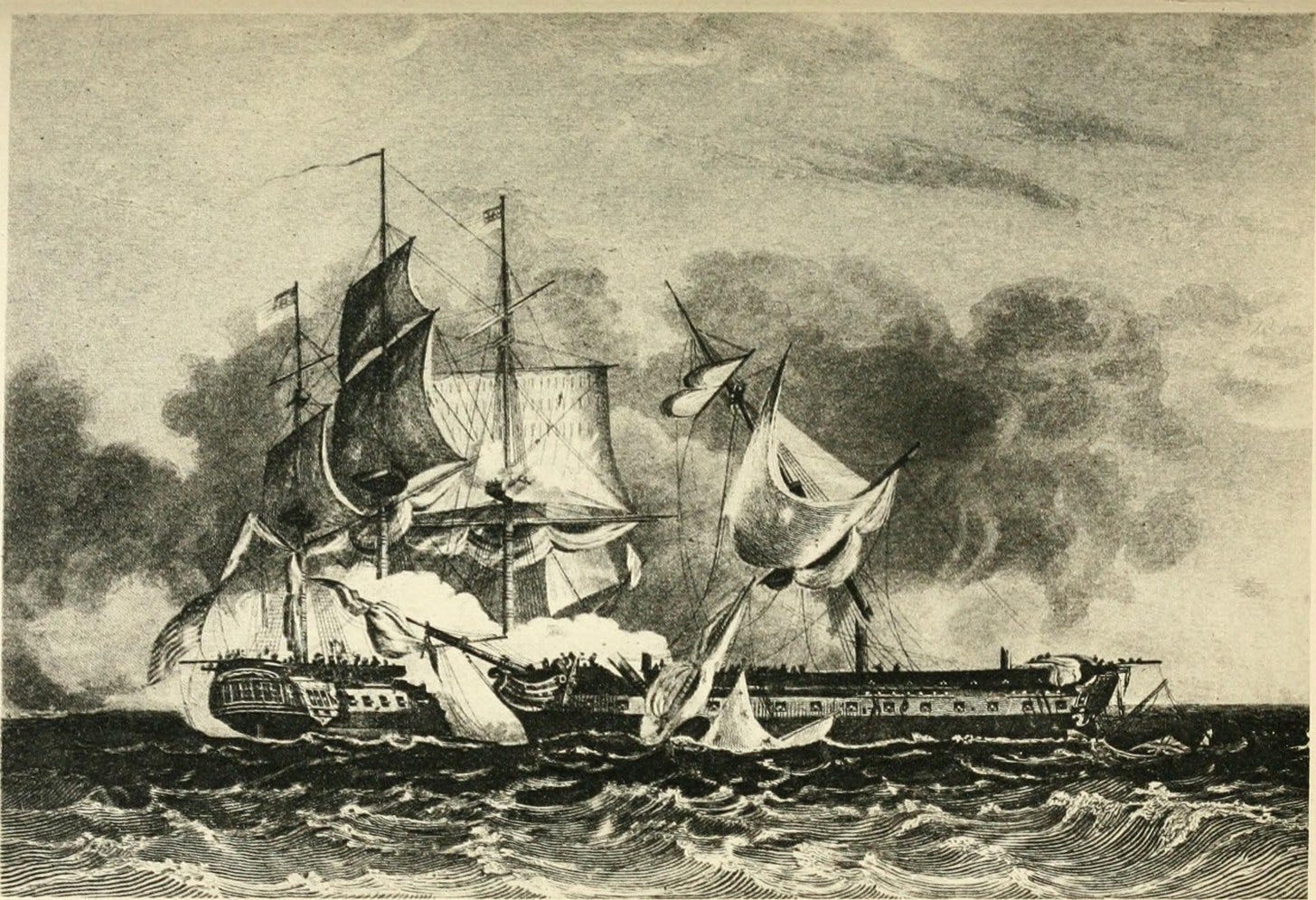
Off the coast of Nova Scotia on August 19 the American frigate USS Constitution met the British frigate HMS Guerriere and beat her into a dismasted hulk in under an hour. Captain Isaac Hull had been hunted by a British squadron weeks earlier and had escaped only by a masterful use of boats and kedge anchors in light wind. This time he chose to close and fight. The two ships exchanged broadsides at short range. British shot struck Constitution's thick oak hull and, in the words of the sailors, bounced off. An American crewman shouted that her sides were made of iron. The nickname stuck. Guerriere's masts went by the board. Her captain struck his colors. Hull took the prisoners aboard and burned the wreck that night. In a war that had so far brought American setbacks on land, the victory gave the public a clear, dramatic success. Constitution returned to Boston to celebrations. The battle proved that the young navy's heavy frigates could stand up to the Royal Navy ship for ship, and the name Old Ironsides followed the vessel for the rest of her long career.
The paid deep dive covers three things that happened off camera. The press conference on the first day, where the man claiming to run the Soviet Union sat in front of the world and could not keep his hands from shaking. The three young men killed in an underpass on the Garden Ring trying to stop armour, who are the only people the coup killed, and whose funeral a lot of Russians treat as the real end of the Soviet Union. And how it finished for the plotters: one shot himself before the prosecutor could reach him, another left a note in his Kremlin office saying everything he had worked for was being destroyed. Start your free 7-day trial to read it.
Comments
Nothing yet. Say the first thing.
Sign in to join the conversation.