
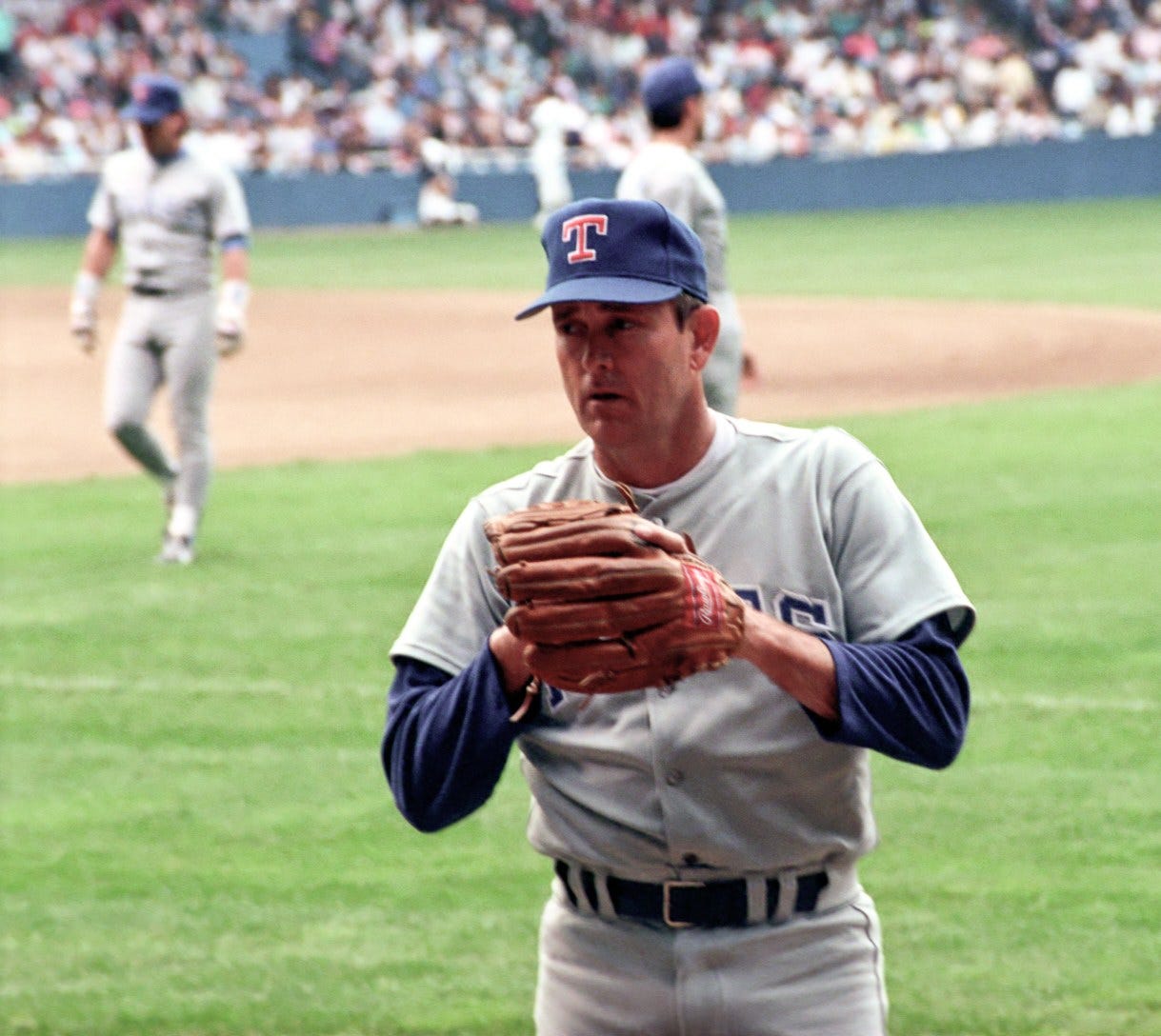
Rickey Henderson stepped into the batter's box at Arlington Stadium with the weight of a record on the other side of the plate. Nolan Ryan already had 4,999 strikeouts. One more would put him alone in the history of the game. It was August 22, 1989, Texas Rangers against the Oakland Athletics, and the crowd of more than 42,000 knew the moment had arrived.
Ryan was 42 years old. Most pitchers his age had long since lost velocity, command, or both. He still threw in the mid-90s. The skinny kid from Alvin, Texas, who once rode buses in the low minors, had become the Ryan Express, a fastball so pure and late that hitters said it seemed to explode. He had already thrown no-hitters, set single-season strikeout marks, and outlasted generations of batters. Now the only number left that mattered was five thousand.
Henderson was the perfect opponent for the milestone. He was the greatest leadoff hitter and base stealer alive, a blur of elbows and instincts who treated every at-bat like a personal dare. Power against speed. Endurance against flash. Ryan took the sign, wound up, and delivered. Henderson swung through a fastball and missed. The umpire's fist punched the air. The stadium erupted.
Ryan had done what no one else had ever done. Walter Johnson's old career mark of 3,508 had once looked untouchable. Ryan had blown past it years earlier. Now he stood in a category of one. Teammates poured out. Fans stayed on their feet. Henderson, to his credit, later treated the moment with respect, understanding he had been part of something larger than a single out.
The road to that pitch was long and punishing. Ryan debuted with the New York Mets in 1966, raw and wild. Control problems and early exits marked those years. A trade to the California Angels unlocked him. There he learned to harness the fastball, added a curve that buckled knees, and began racking up strikeouts in bunches. He threw four no-hitters with the Angels. Another trade took him to the Houston Astros, where the humid air and artificial turf tested every joint. Then came Texas, where he kept working while younger arms broke down around him.
By 1989 the toll was obvious to anyone who watched him warm up. The back stiffened. The elbow barked. Between starts he iced, stretched, and refused to skip the tedious work that kept the arm alive. Catchers who had received him for years still marveled that the ball jumped the same way in the eighth inning as it did in the first. Opposing scouts filed the same report they had filed for two decades: challenge him at your peril.
That night against Oakland he did not merely notch the record and depart. He kept pitching, finishing with a stack of strikeouts that reminded everyone the milestone was no fluke of accumulation. It was the product of a man who still competed like the outing mattered more than the number. When he finally left the mound the ovation followed him into the dugout and beyond.
The record still stands. No one has come within shouting distance of 5,000, let alone Ryan's final total of 5,714. Randy Johnson, the nearest modern challenger, finished hundreds short. The number is less a statistic than a monument to durability in a sport that destroys arms. Ryan proved a pitcher could throw with violence into his forties if he accepted the daily cost.
The moment also captured two Hall of Famers at right angles to each other. Henderson would keep running and hitting for years. Ryan would keep firing until 1993, adding a seventh no-hitter at age 44 before a ligament finally gave way for good. Their brief collision in the Arlington batter's box froze a pure baseball scene: one man who could not be thrown out on the bases facing one man who could not be timed with a bat.
Fans who were there still talk about the sound. Not just the crowd, but the ball hitting the catcher's glove on the decisive pitch. It was the old Ryan sound, the one that had followed him from New York to California to Texas. For a single evening the record book, the calendar, and the radar gun all agreed. The Express had reached the place no one else would visit.
2004: Two Masked Men Walked Out With The Scream
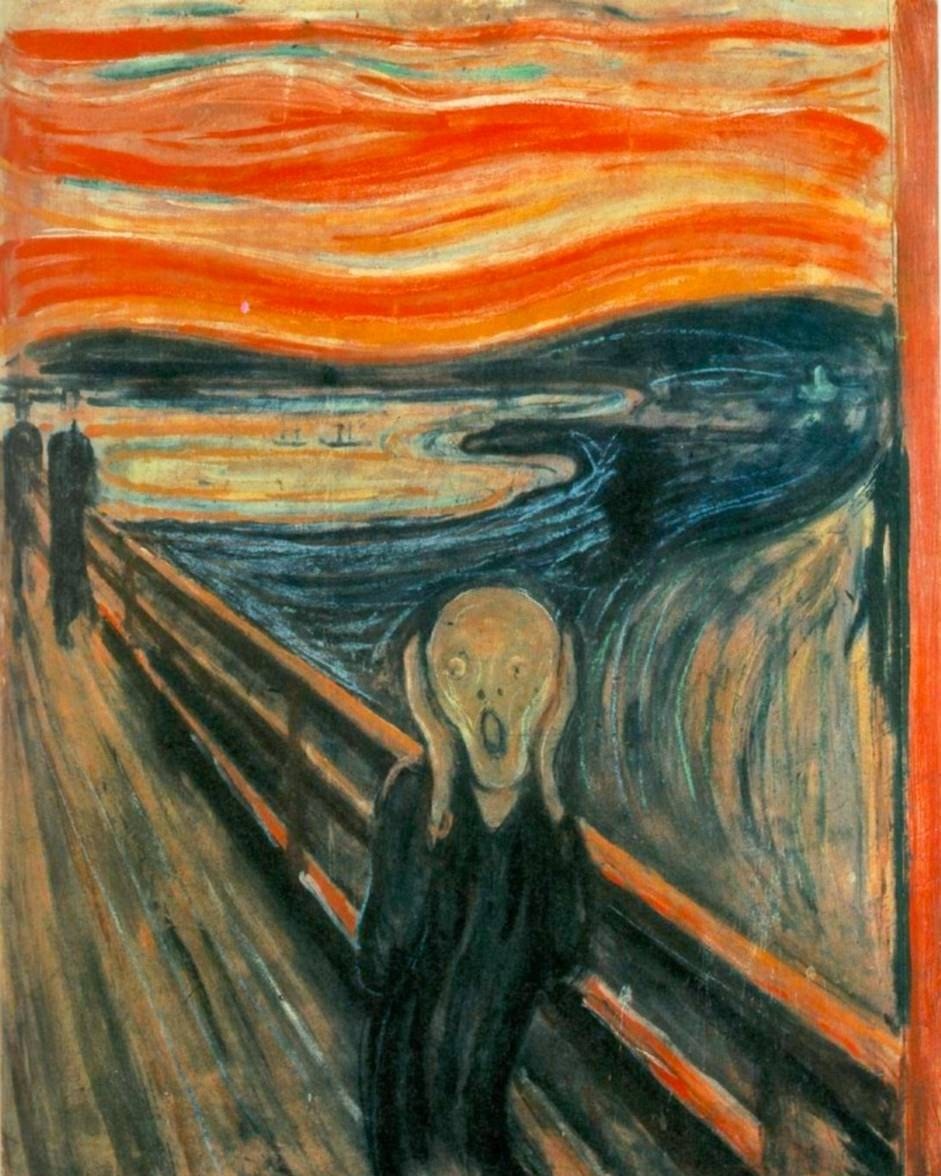
Masked gunmen walked into the Munch Museum in Oslo in broad daylight, threatened staff with weapons, and pulled two of Edvard Munch's masterworks off the walls. In under a minute they had The Scream and Madonna and were gone. The Scream, with its raw figure under a blood-red sky, was already one of the most recognized images on earth. Madonna carried its own charged reputation. The thieves forced the paintings into a waiting car and vanished into the city. Norwegian police launched a massive hunt. The art world watched in disbelief that works of that stature could be taken so casually from a public gallery. The paintings surfaced two years later, damaged but recoverable, after a series of arrests. The episode exposed how even iconic art could be seized by simple armed force, and it forced museums across Europe to rethink daylight security in spaces once considered safe by reputation alone.
2003: The Judge Who Would Not Move the Rock
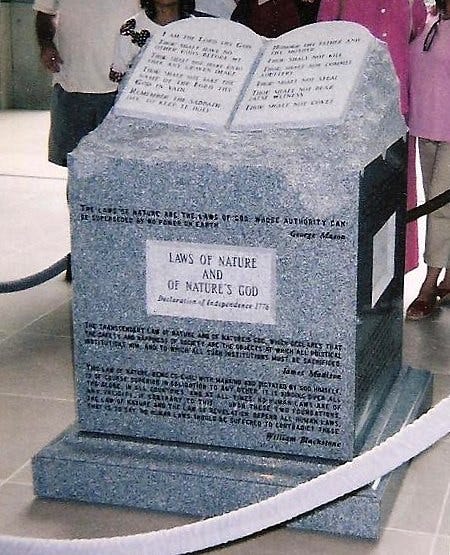
Alabama Chief Justice Roy Moore reported to work and refused to do the one thing a federal court had ordered. U.S. District Judge Myron Thompson had directed him to remove a 5,280-pound granite monument inscribed with the Ten Commandments from the rotunda of the Alabama Supreme Court building. Moore had installed the rock himself in 2001 and treated it as a statement of the moral foundation of law. When the deadline passed, he would not yield. On August 22 the Alabama Court of the Judiciary suspended him from office for the refusal. Supporters saw a stand on principle. Critics saw open defiance of a lawful order. The monument was eventually wheeled out of the building by state workers. Moore's suspension became removal. The confrontation turned a block of granite into a national argument about the place of religious symbols in public buildings and the limits of judicial resistance to federal rulings.
1992: The Second Shot at Ruby Ridge
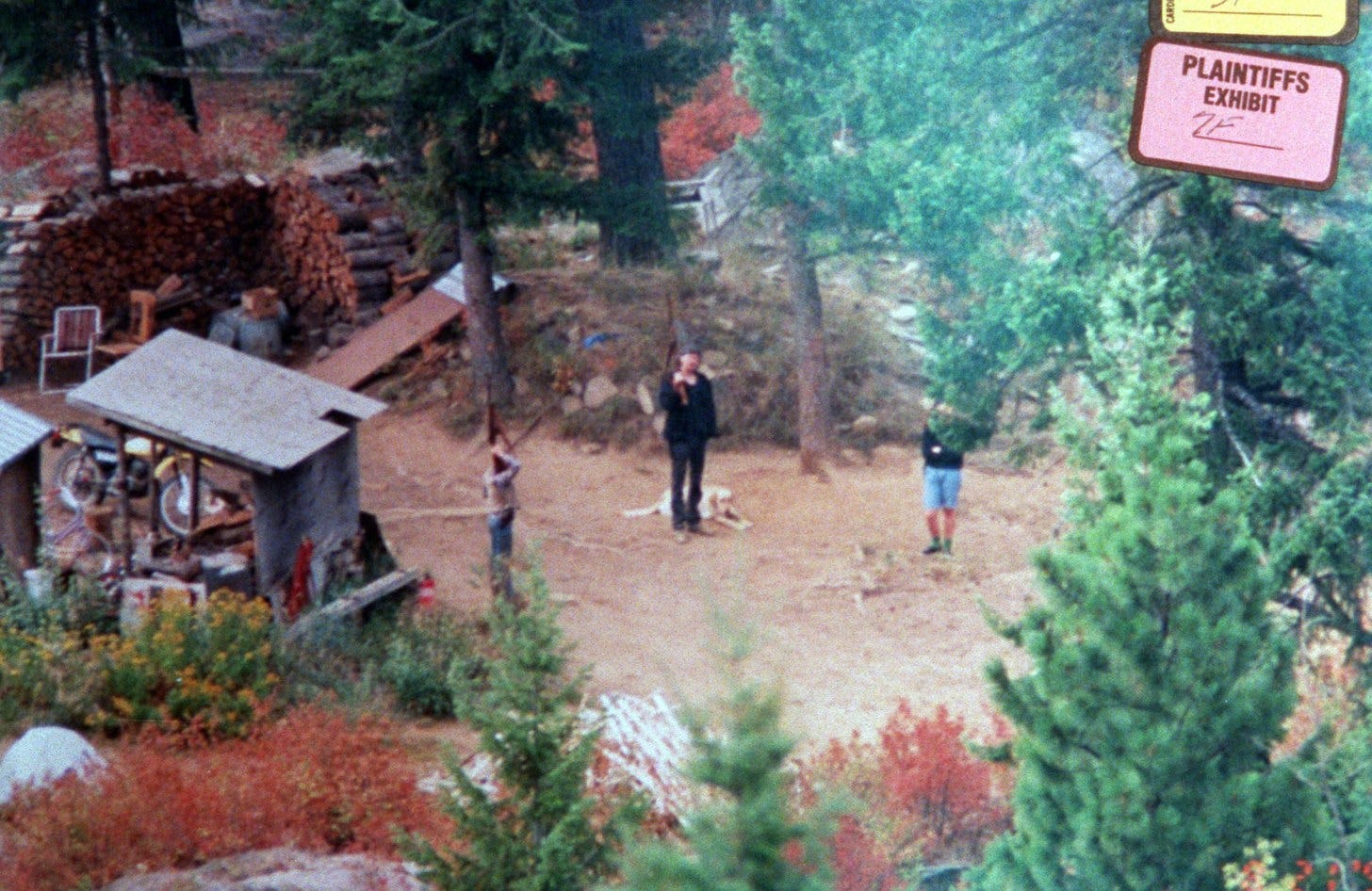
On a remote wooded ridge in northern Idaho the siege at Randy Weaver's cabin entered its second deadly day. The day before, a gunfight between U.S. marshals and the Weaver family had left Deputy Marshal William Degan and 14-year-old Sammy Weaver dead. FBI Hostage Rescue Team snipers now surrounded the property under special rules of engagement. In the afternoon Randy Weaver, Kevin Harris, and Weaver's daughter moved toward a shed. Sniper Lon Horiuchi fired, wounding Randy. As the group scrambled back, Vicki Weaver opened the cabin door holding her 10-month-old daughter. Horiuchi's second shot punched through the door, struck Vicki in the head, and killed her instantly before wounding Harris. The baby survived unharmed. The standoff continued another week until Weaver surrendered. The deaths triggered investigations, criminal trials, a multimillion-dollar civil settlement with the Weaver family, and lasting scrutiny of federal tactics in armed confrontations.
The free story gives you the pitch and the record. The paid deep-dive goes deeper into the man behind it: how a 42-year-old arm produced 5,714 strikeouts, seven no-hitters, and 222 complete games in an era that no longer allows such workloads. Unlock the full account of the durability, the walks record that came with the dominance, and why modern pitch counts make Ryan's mark look untouchable. Start your free 7-day trial now to read it and every future deep dive.
Comments
Nothing yet. Say the first thing.
Sign in to join the conversation.