
Your algorithm knows it’s that time of year. Planners and journals are everywhere. Ads, Instagram posts about fresh starts, videos showing perfect spreads. So here’s what actually worked after ten years of trying to keep a journal. For me it started as random notes and to-do lists, scraps of ideas on whatever paper was around. I’ve tried apps, fancy notebooks, splitting work and personal life into separate books, all of it. After all that experimenting, a few things became clear about what makes journaling work.
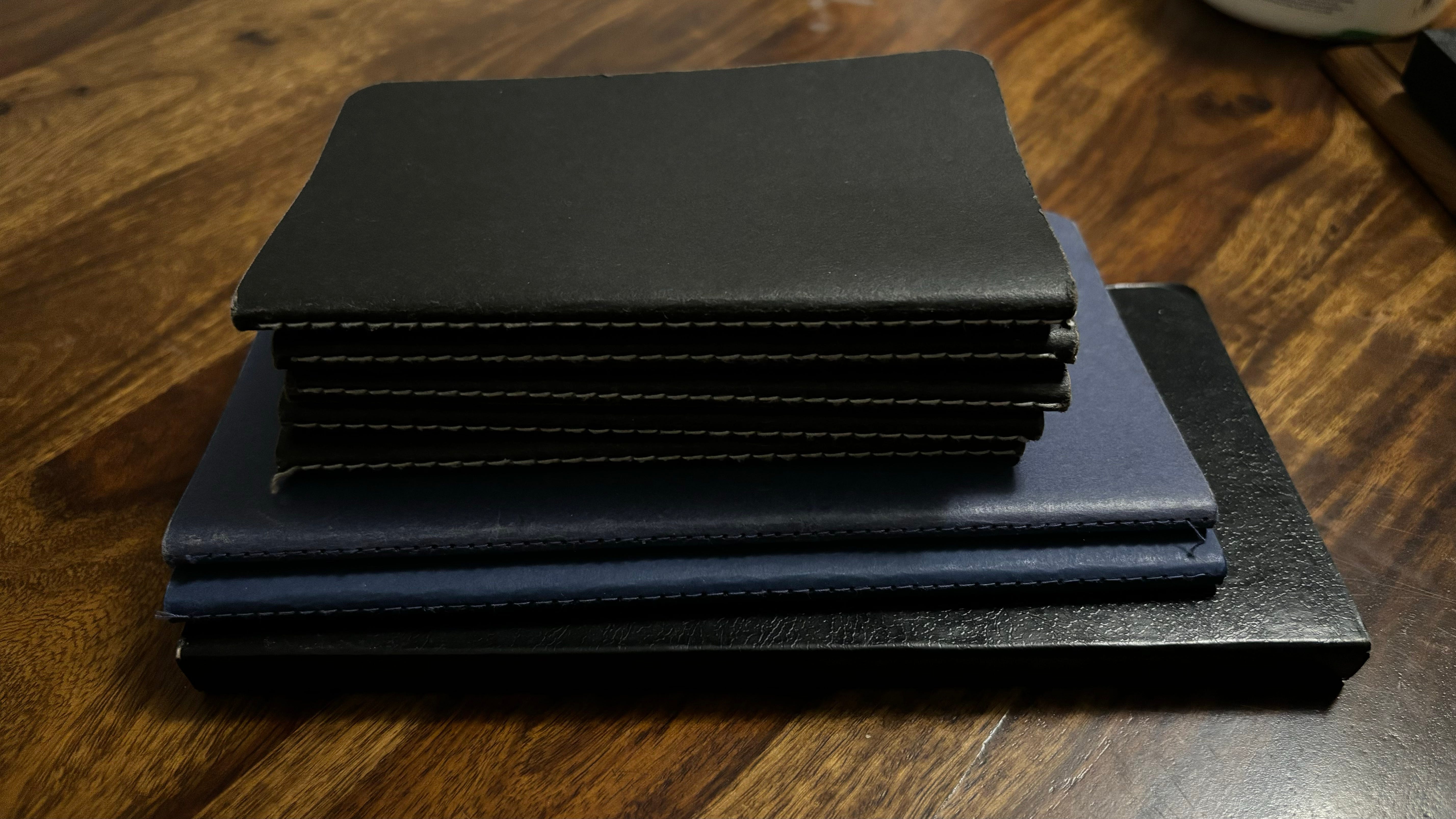
A perfect notebook isn’t necessary to begin. The idea that you need the right setup stops more people than anything else. Half-used pages, old diaries, or scraps of paper are enough to start. Blank pages can feel intimidating, so try a printed template for the first week or two and modify to your liking. The key is simply to start, observe, and adjust over time.
Before you write, ask yourself what you want from the journal. Some people want to reflect, some track habits, others jot down ideas or tasks. There’s no universal purpose that makes it right. I don’t track sleep, gym, or habits because it doesn’t work for me, and that’s okay. Journaling becomes meaningful when you start with an intention.
Splitting work and personal life into separate notebooks seems logical, but it fragments thinking. I tried maintaining two notebooks for work and personal stuff and lost track, overcommitted, and missed the bigger picture of how thoughts and ideas connect. One notebook is enough. Tasks, ideas, reflections, and emotions all in one place. It’s simpler, lighter, and more honest.
Journals don’t have to be paper, as long as notes are easily accessible. You can use iPad or even reMarkable as long as that serves the purpose, without causing distraction or friction. Paper helps me detach from screens for quick daily tasks, while digital tools like Obsidian are useful for storing reusable knowledge, cross-referencing, or longer-term ideas. Drives and Docs make things shareable and collaborative. Using both can complement each other, providing flexibility without losing continuity.
A notebook is only useful if it’s easy to grab. This sounds obvious, but it’s easy to get wrong. After using A4, A5, and slim notebooks, these days I use a small pocket notebook, something like Field Notes, that I can carry everywhere. It’s as accessible as my phone. Accessibility matters more than style or size.
Templates, formats, and systems are useful, but they are tools, not rules. There are hundreds of formats and you can pick any. But don’t force yourself to fit them.
I mix bullet points, long-form writing, and shorthand depending on the day. Some pages are for planning, some are unreadable drafts just to let things flow, especially when I need to process mood or grief. If something doesn’t work, I change it. Systems exist for outcomes, not confinement. Use what works, adapt what doesn’t, and let the notebook evolve with you.
One of the most powerful things I picked up from bullet journaling is indexing. You keep a list at the front of your notebook where topics point to their page numbers, so even when pages are all over the place, you can still find what you need.
I don’t index pages though, I index ideas instead. My pages can be messy and jump between topics. Each context change gets its own number, and I can track it separately.
Don’t dispose of your old journals. Looking back at old notebooks is grounding. They capture how you thought, ideated, and felt. They are reminders of past moods, moments, and ideas.
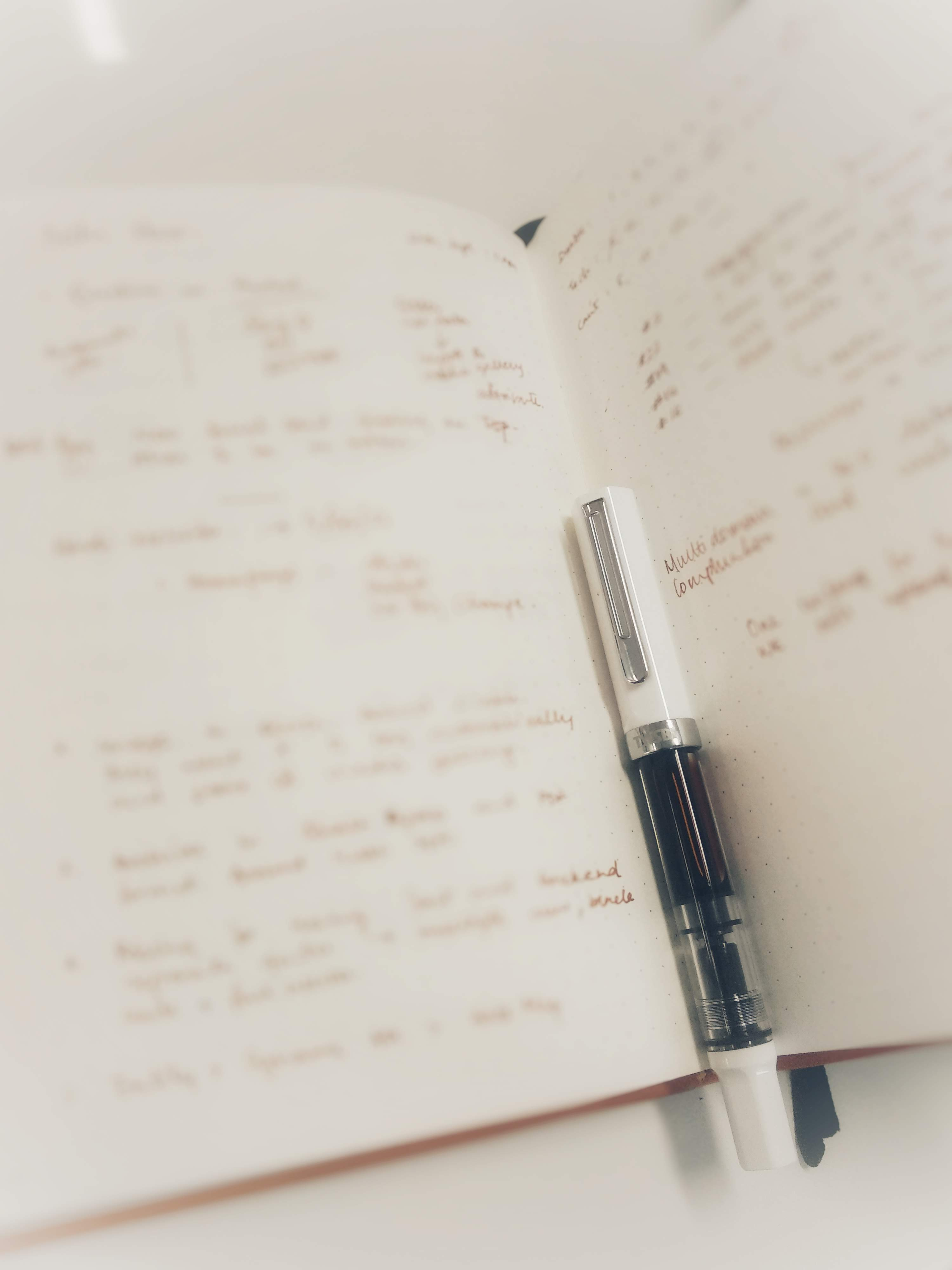
I sometimes wish I had kept more, because they show how much I’ve changed. While writing, I add small context. Without context, even important notes lose meaning over time. Write those notes for your future self.
Journaling is not about perfection, decoration, or following trends. There’s a whole industry around making journals beautiful, but that’s not what makes them work. One pen, one notebook, and showing up when I need to is enough. Over time, the notebook becomes a quiet way to notice thoughts, track ideas, and see yourself a little clearer with every page. If you’re curious about bullet journaling, the original 5-minute video explains it better than anything else out there.
If you journal, I’d like to know what works for you. Maybe you do something I haven’t tried yet, or found a trick that makes it easier to stick with. Let me know in the comments. Happy journaling!
No posts
Comments
Nothing yet. Say the first thing.
Sign in to join the conversation.