

Irina Kazaridi is a well-known name amongst various equestrian circles, first photographing polo fields and families and then the international show rings of dressage and show jumping—and now, in a nature reserve in the south of France called Camargue (see our Field Note from earlier this summer). Chances are if you’ve seen a monochromatic portrait of a horse in full drama, Irina would have taken it. A true artist, she’s followed her creative intuition throughout her life, defining her own definition of luxury and living a luxurious life.
We have a meandering, philosophical discussion about her life and experiences that we didn’t want to end, particularly when she got to talking about Camargue and the incredible new venture she’s been putting together called the Camargue Experience—which basically sounds like heaven on earth. Meals in the middle of fields with tableware sourced from a small French village, flocks of flamingos in a private park, aperitivo on horseback—where do we sign up?!
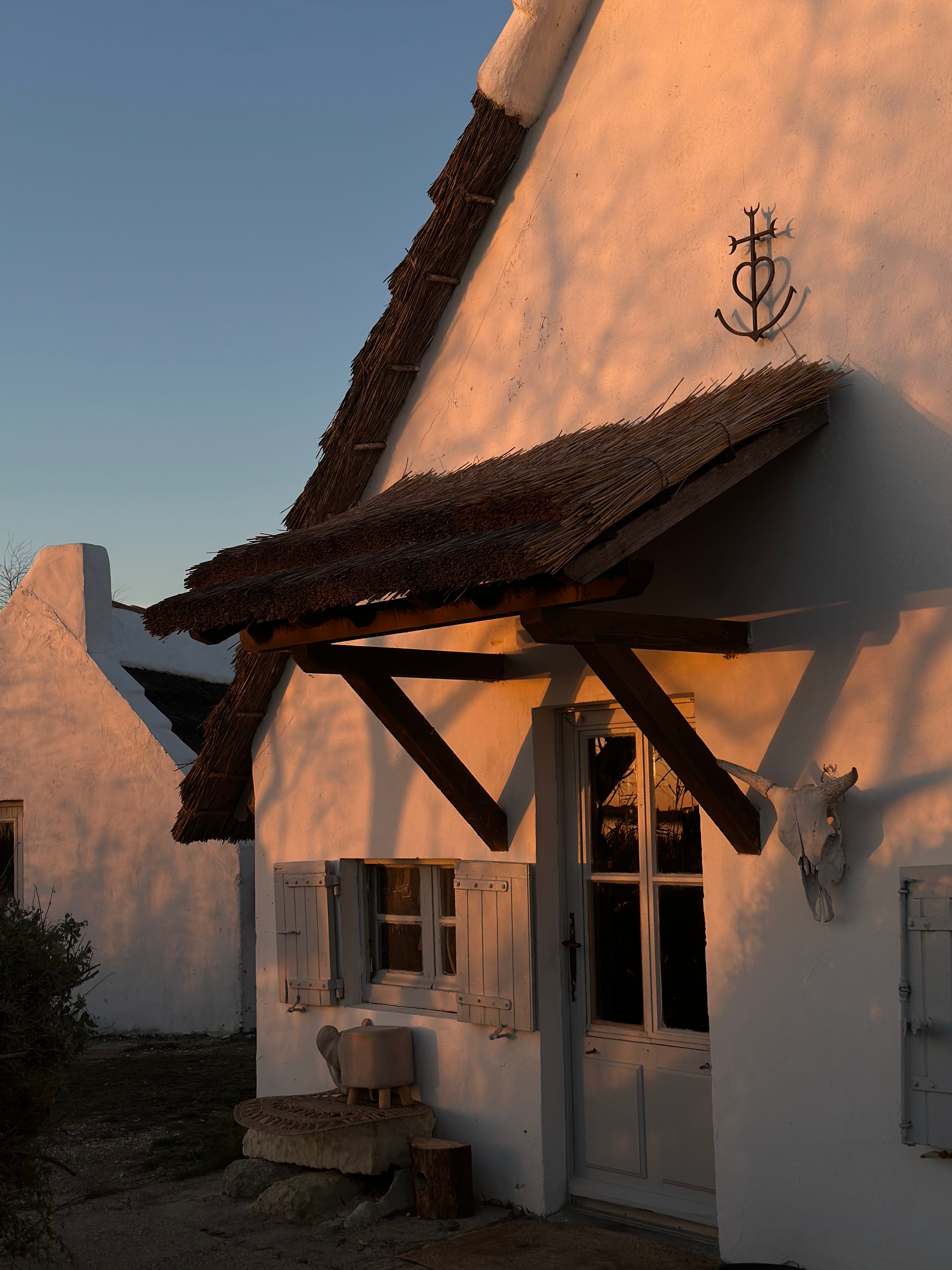
Our greatest thanks to Irina for taking the time from her idyllic life to speak with us from her home in Southern France.
[The following interview has been edited for clarity and length—]
Cece Liu: How long have you been living in the south of France?
Irina Kazaridi: I studied art and design in Milan, and during those years I often escaped to the Riviera and the surrounding nature on weekends. I always felt that my creativity grows when I’m close to the sea, to light, and to open landscapes.
Eventually I realized that this is the environment where I am truly myself — so I moved to the south of France and continued developing my artistic work here. I’ve been here maybe 15, 16 years.
Aurélie Colliot: Is that where you got into photography? How did it become your main medium?
IK: It happened very naturally. I always had a strong visual sensibility from art school, and photography slowly became the most direct way for me to express it. My first serious project was a year-long study of the sea—observing how light and atmosphere changes every day. I photographed the same seascape from the same point of view during one year. It was inspired by Hiroshi Sugimoto, the Japanese photographer, who I really admire.
Later I began photographing many subjects, and eventually horses became the center of my work.
Today I work as a fine art photographer—I create large-scale prints for private collectors, interior designers, and clients who want art with presence, emotion, and atmosphere. My prints now live in beautiful homes around the world.
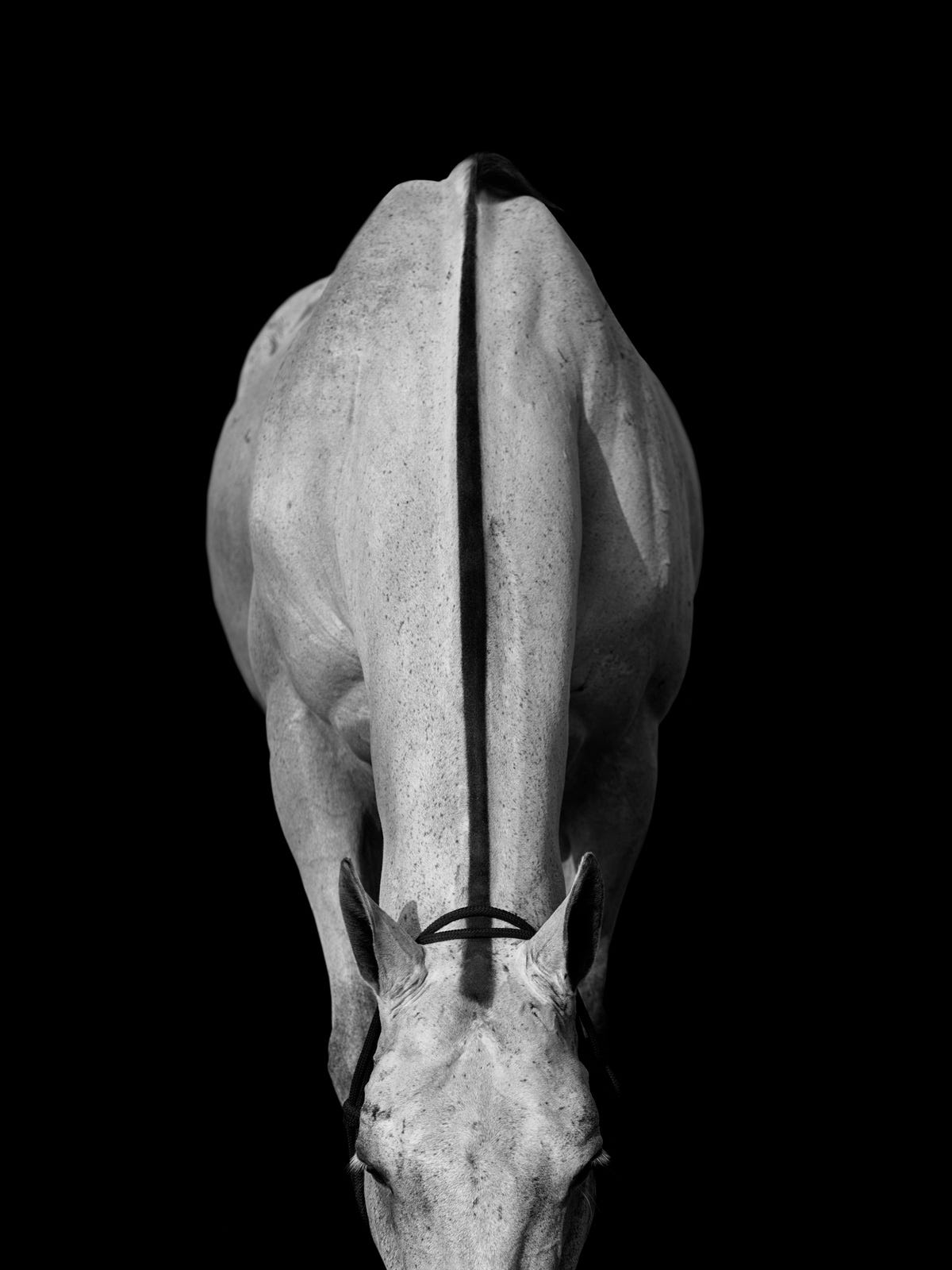
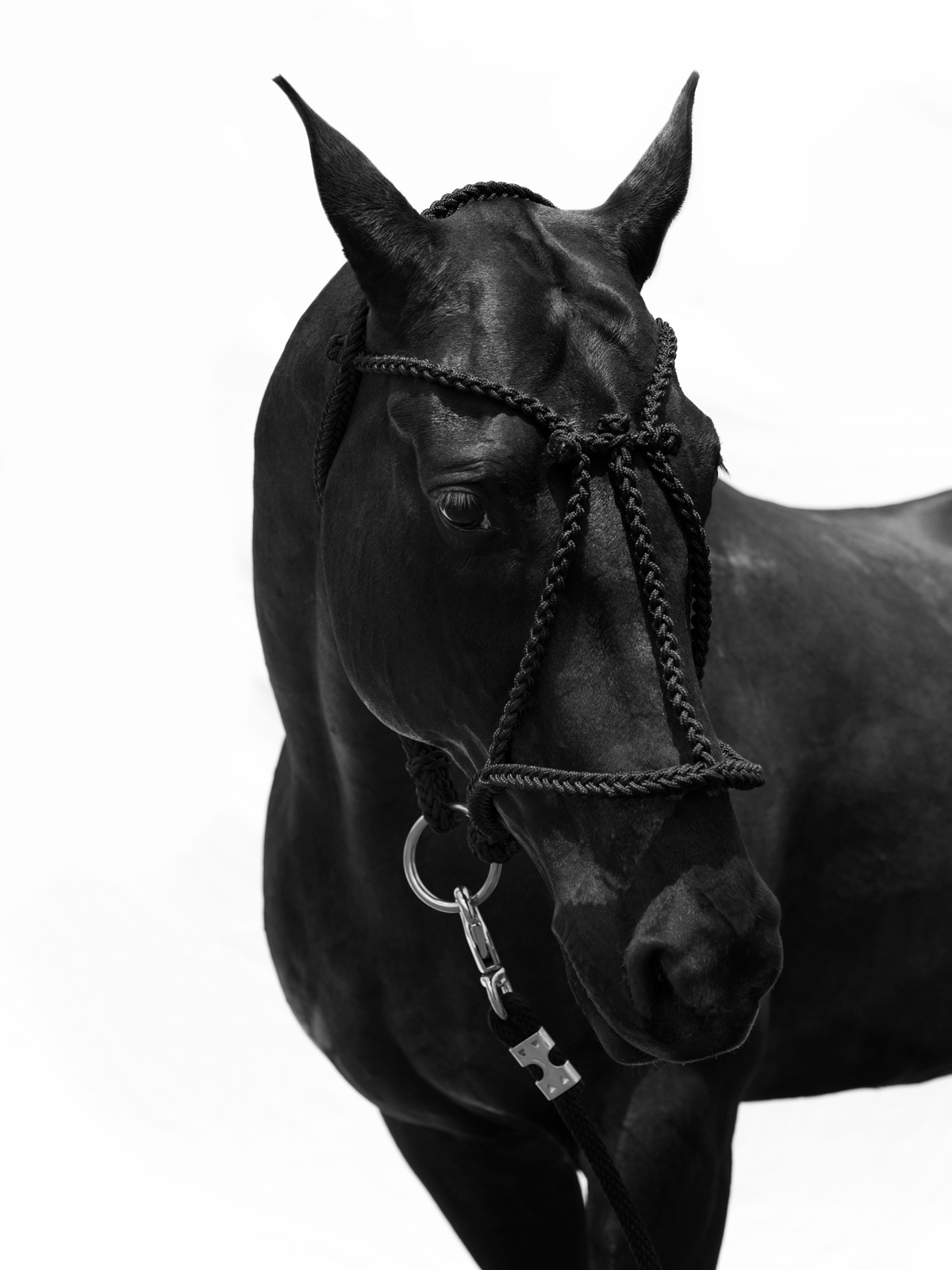
AC: How did you start photographing horses?
IK: My first encounter was around a polo field, my friends had invited me to go. After the match was over I said, now I want to see the horse. So I went to the stable and they bring out a gray horse, a beautiful gray horse named Luna. I remember her name. In this moment, I immediately understood the complexity and beauty of photographing horses. They don’t pose—they exist, they move, they breathe. Capturing their essence requires experience, intuition, timing.
This challenge fascinated me, and it grew into a major part of my artistic identity.
Over the years I worked in different equestrian worlds, including elite sport horses. Each environment has its beauty, and each horse has its own personality. But at some point I wanted to connect again with raw nature, with something more essential.
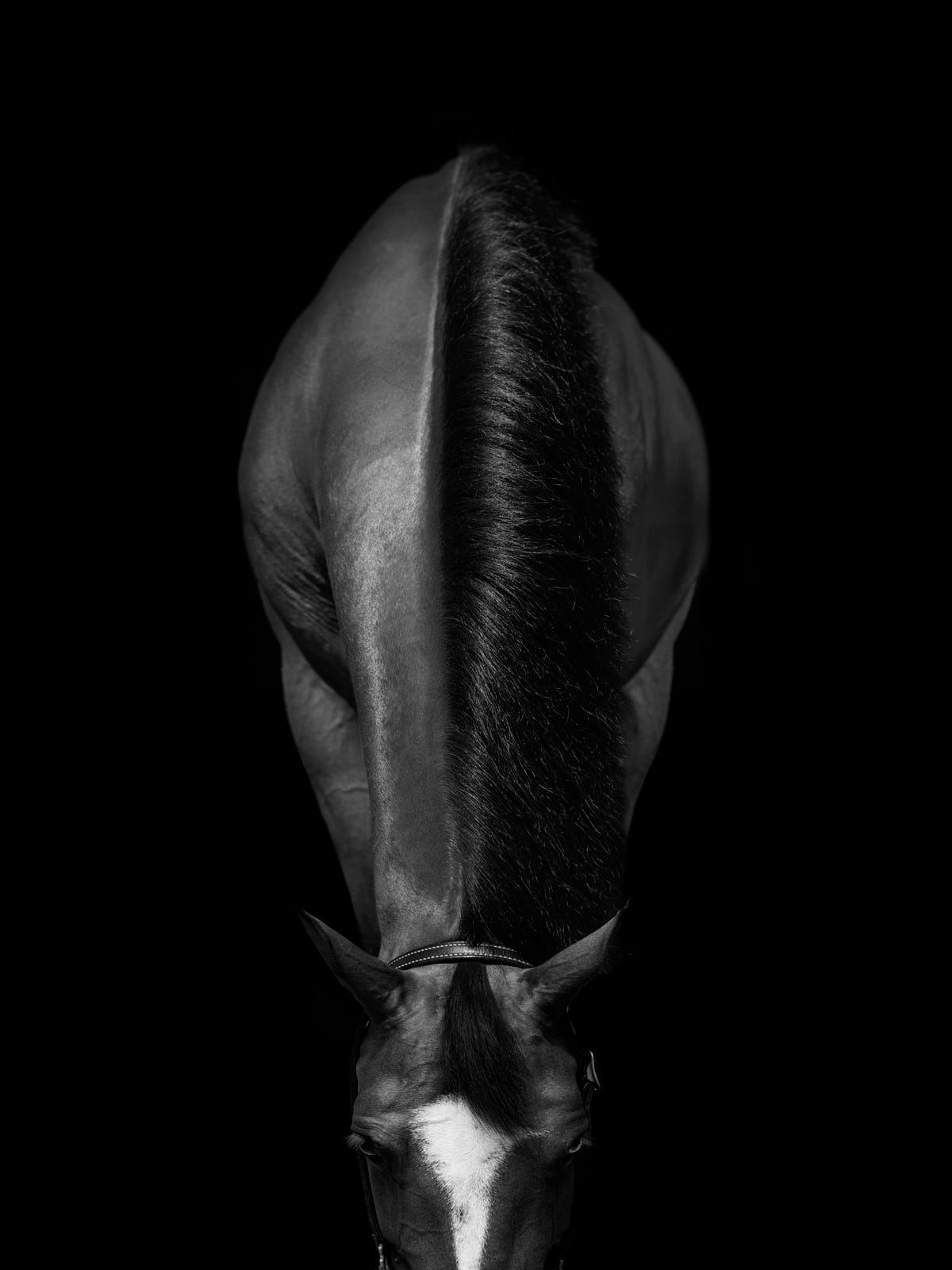
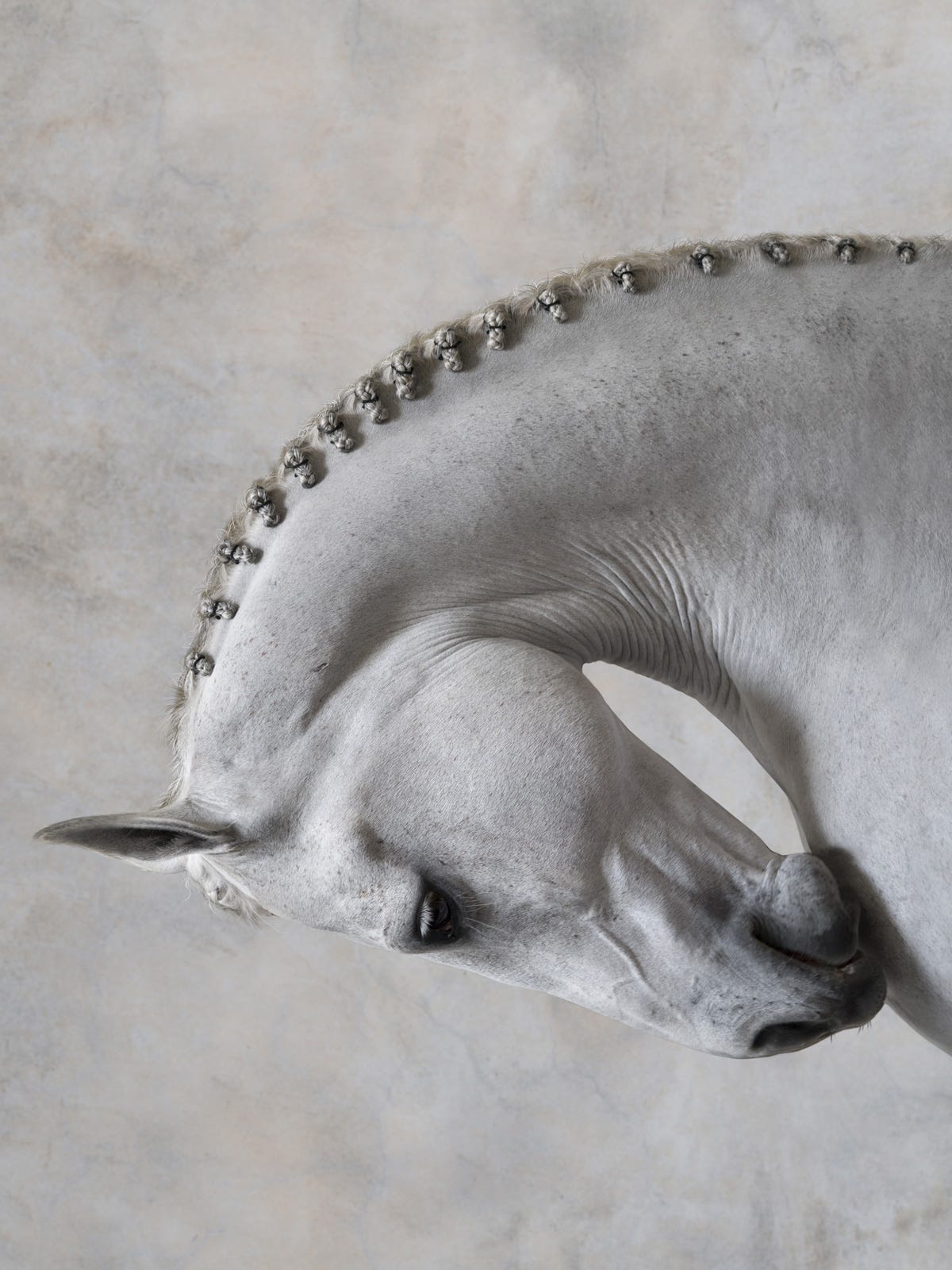
AC: Was that what led you to Camargue? It’s so different than polo, where you have a lot of saddles and bridles and all this equipment. And there all you have is wild horses.
IK: Exactly. This is the real treasure in the south of France, Camargue. The Rhône River originates in the Swiss Alps, then flows across the whole of France and finally reaches the Mediterranean Sea in the Camargue. This region is the Rhône River delta — a place shaped by the river’s many branches, lagoons, wetlands and salt marshes. Because of the Rhône, a unique microclimate has formed here, creating landscapes unlike anywhere else.
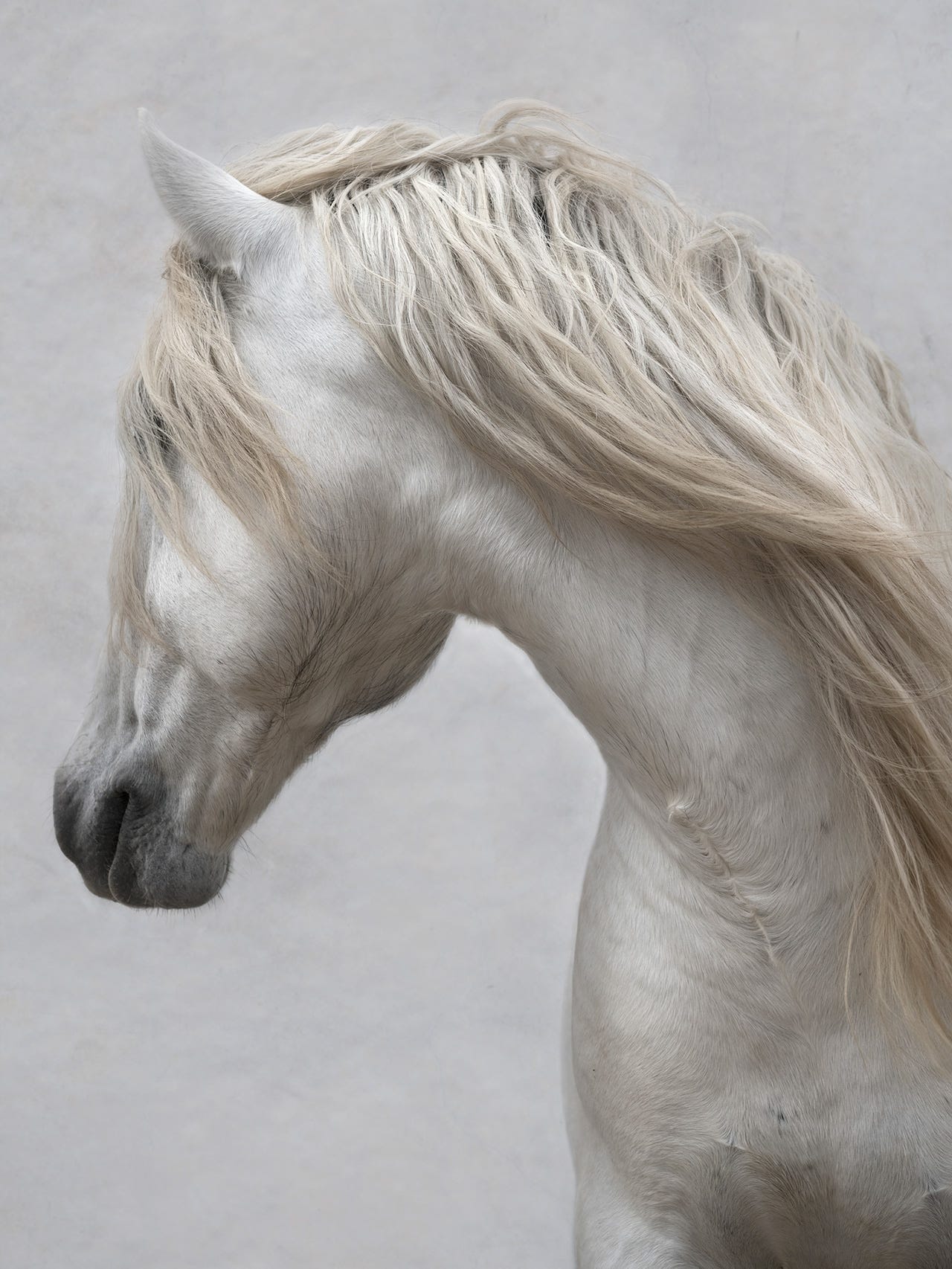
And they have a very ancient, old breed of white horses living there. These horses are not similar to elite horses, they are 1.50 meters tall and quite robust, because they need to move in the water and mud. They have to be very strong.
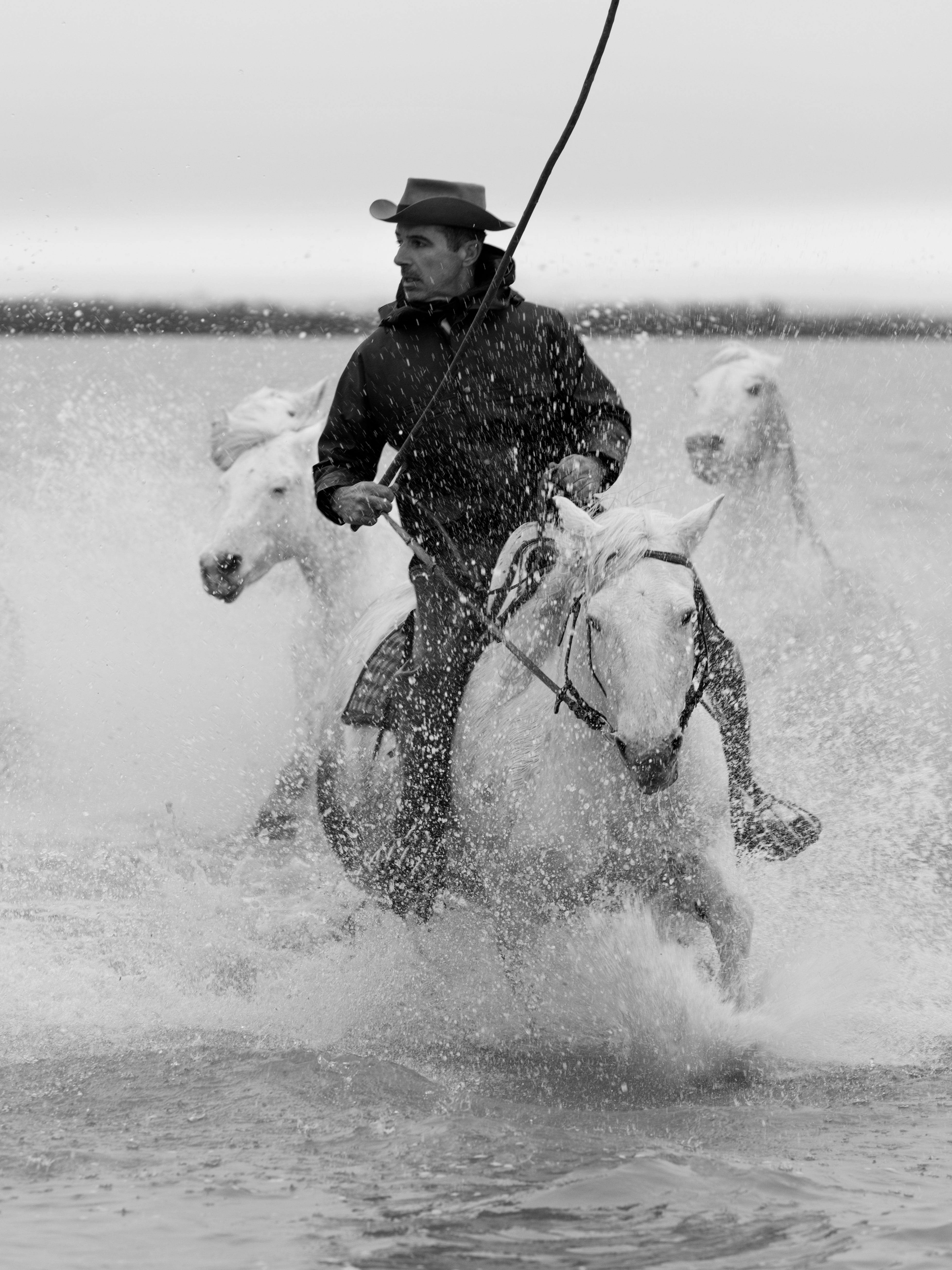
Camargue is a place unlike any other—a landscape of water, light, birds, and these horses. Their freedom, their relationship with the land… it’s extraordinary. This famous image when white horses are running in the sea, this image belongs to Camargue. Seeing it in reality is a cinematic experience.
Living here changed my understanding of beauty. It’s minimal, natural, timeless — and full of emotion.
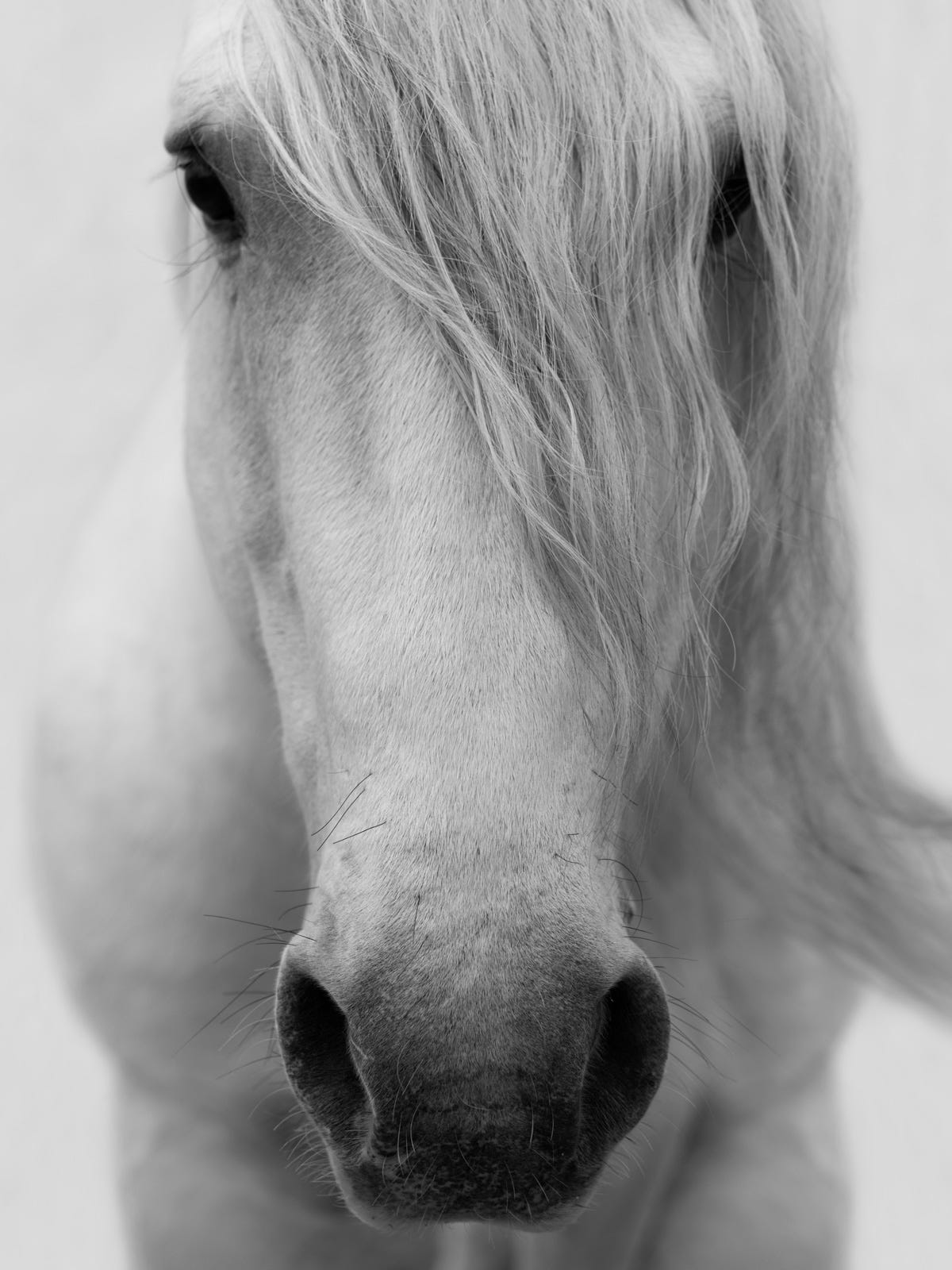
AC: The sea, the white horses, and freedom. This is the inspiration for “Camargue Experience”?
IK: Yes, it came together very organically. Friends and clients began asking me to create special moments for them—to photograph them with the horses, to show them the landscapes I love, or simply to experience the atmosphere here.
That slowly became “Camargue Experience” —exclusive, bespoke private journeys that I organize only occasionally and only for people I personally know or feel connected to.
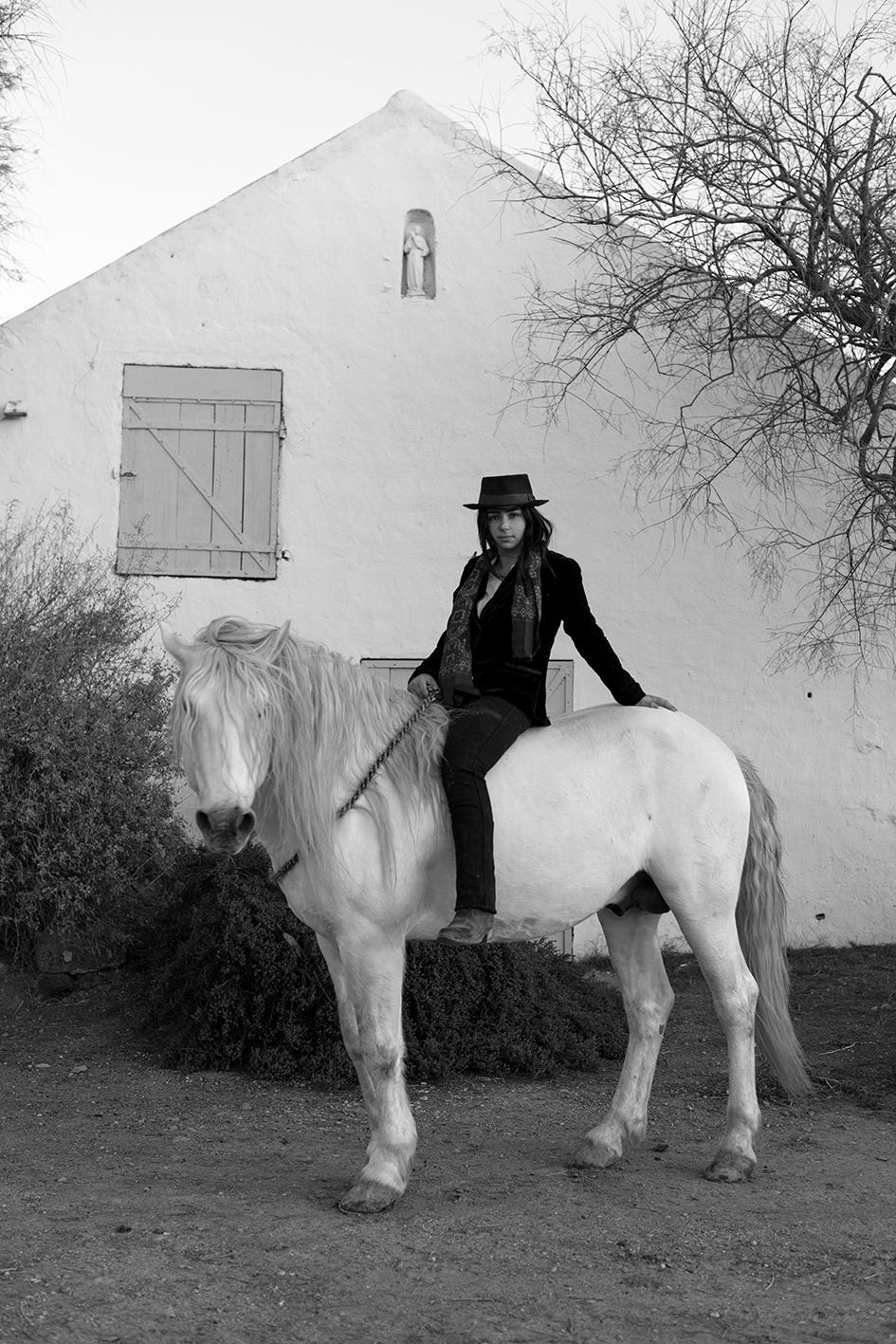
They are carefully curated emotional experiences: sunset rides, private access to herds, cinematic moments with horses running through water, aperitivo in the fields, antique Provençal tableware…
It’s intimate, aesthetic, and deeply personal.
CL: Oh, my gosh. I’m definitely coming to visit you.
AC: We need to go together! So after all the time you’ve spent there, what do you think Camargue represents to you now?
IK: I think it represents freedom.
Camargue taught me that true luxury is not what we can buy— it’s what is disappearing: time, silence, authenticity, nature.
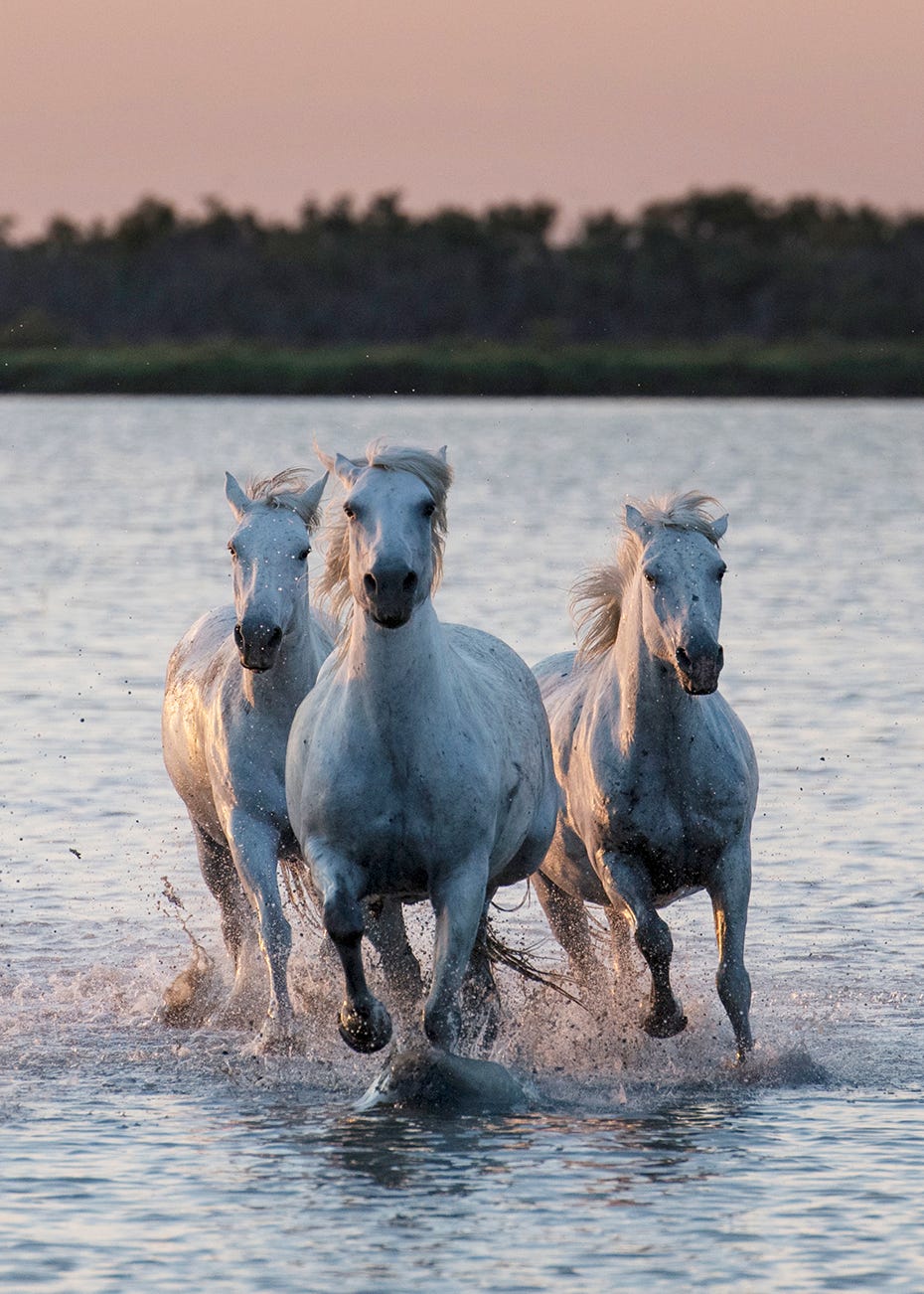
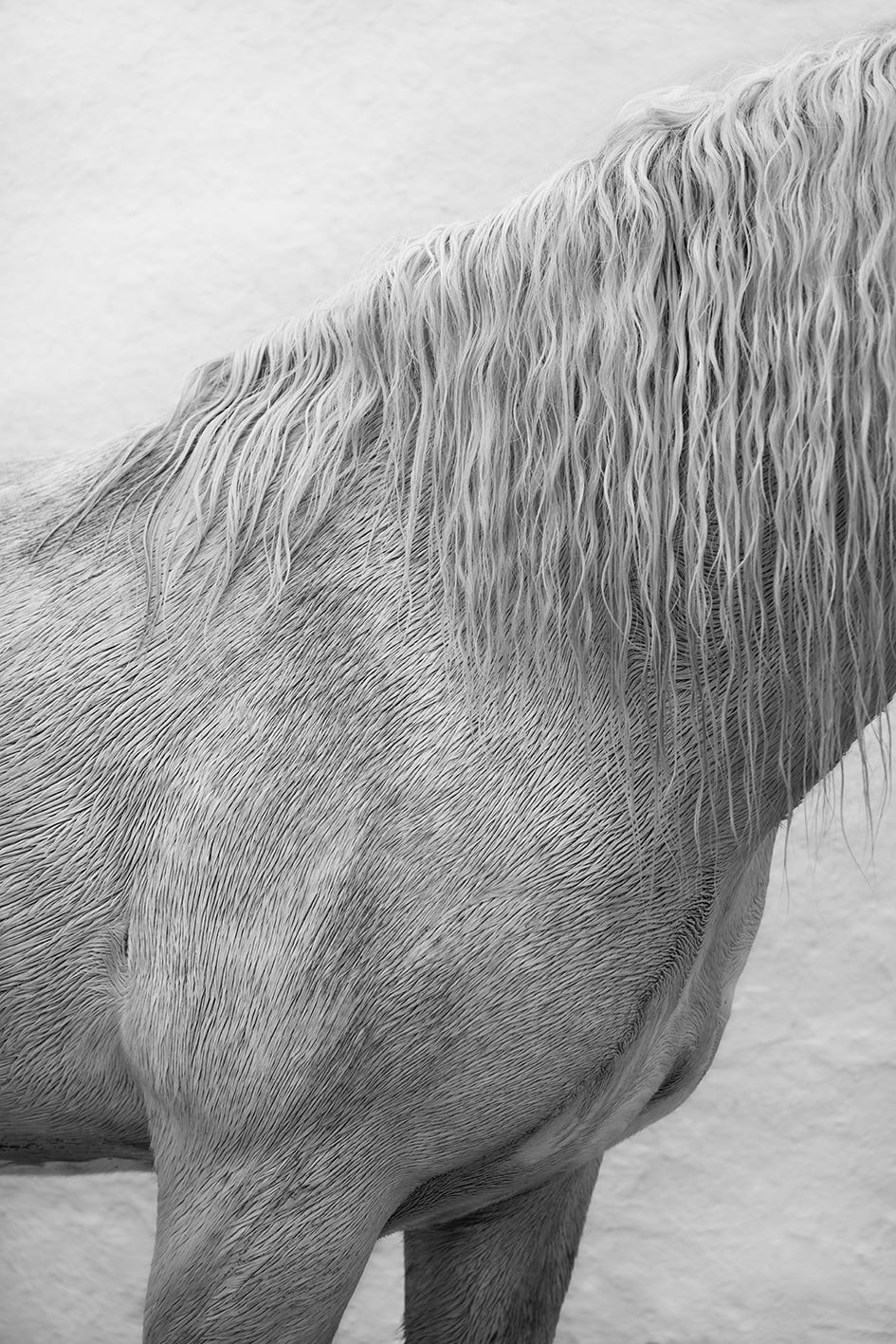
The land of Camargue is extremely fragile — much of it lies barely a metre above sea level, and some zones are even below it. Because sediment input from the Rhône has diminished and sea levels are rising, coastal erosion and salt-water intrusion are accelerating. Scientists warn that sea-level rise of about 60 cm (and potentially more under worst-case scenarios) by the end of the century could flood large parts of the delta. Today already, beaches, salt marshes and lagoons are shrinking, and salt water is advancing inland, threatening the region’s unique wetland ecosystems, grazing lands, rice paddies and traditional biodiversity. Nobody knows exactly, but the sea will come and will cover everything. So now when I’m walking in these beautiful spaces, when I pass the stables I kiss all horses.
The horses are pure presence. Being near them restores something essential in us. Even a few minutes with twenty white horses running toward you—you feel it for a long time. It’s magical.
This is what I try to put into my fine art photography, and this is what I share through Camargue Experience: beauty, freedom, and the emotion of nature.
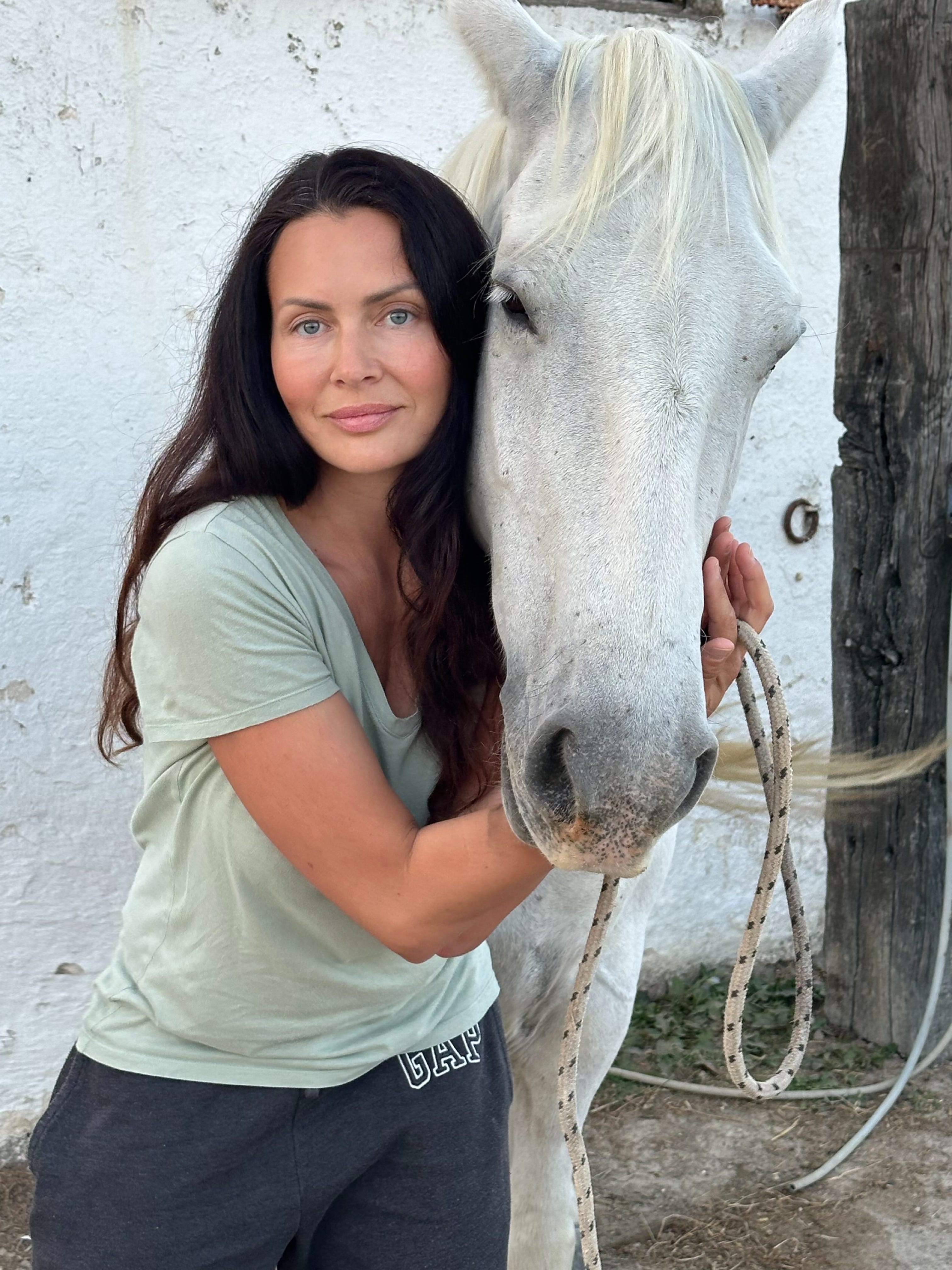
We hope you’ve enjoyed this conversation as much as we loved getting to know Irina. You can follow her on Instagram at @irinakazaridi and find more information about her work online here.
If you liked what you read, please give us a heart, comment, or share! It really helps grow our community.
Comments
Nothing yet. Say the first thing.
Sign in to join the conversation.