
If someone had asked me twenty-five years ago which of Highland’s sites might one day become a Local Nature Reserve, I’m not sure Ardersier Common would have been top of my list. Back then, its understated character and appearance might have led me to overlook it. Yet, now it’s those very qualities that have come to define its special appeal.
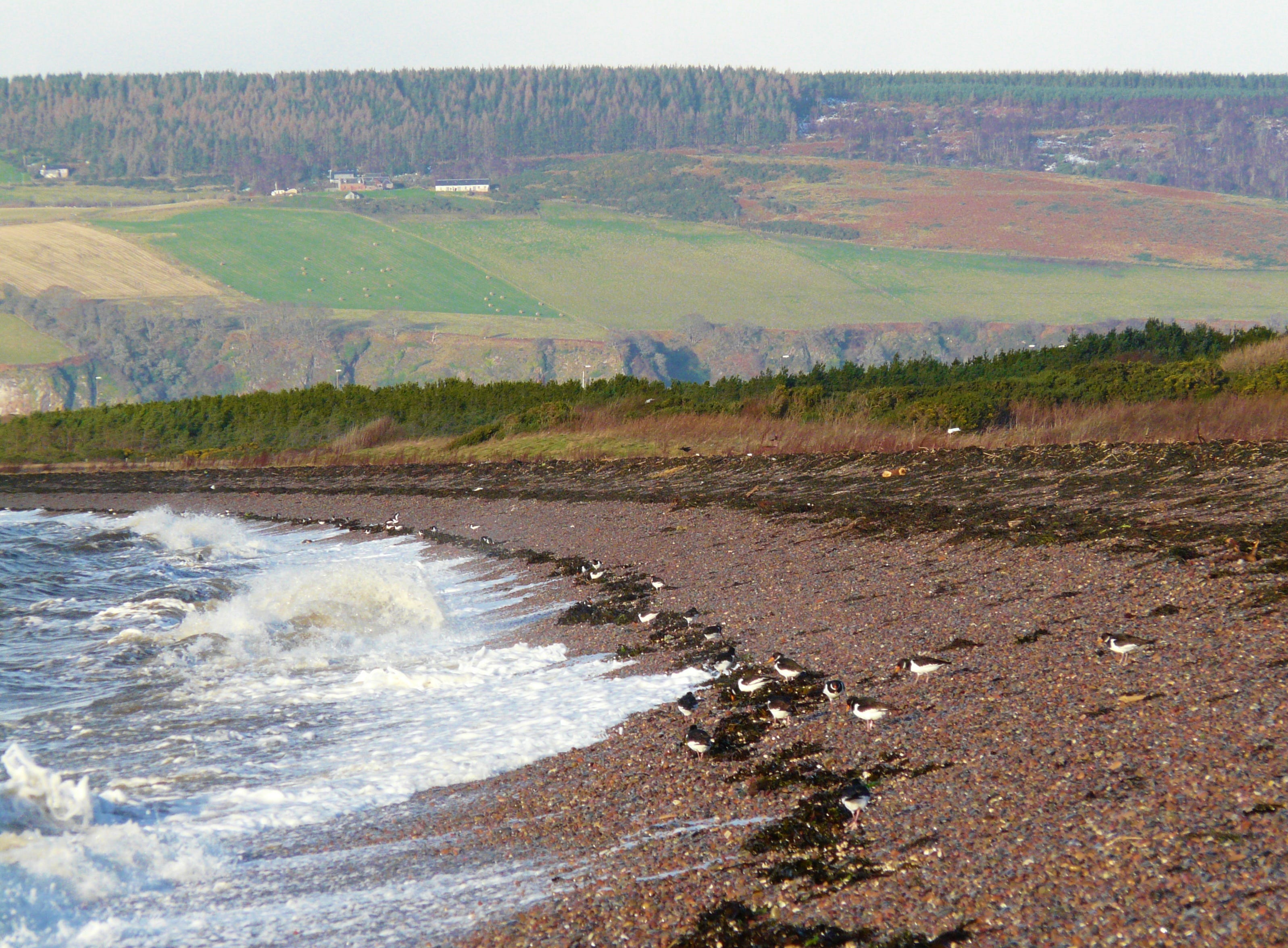
Having got to know the site intimately over the years, I can attest to the fact that this place is special. I’ve now spent more than twenty years working there and, if there’s one thing the Common has taught me, it’s that initial appearances are a very poor guide to ecological value.
One of the biggest challenges in conservation is convincing people that nature of value doesn’t just happen in spectacular places. Sometimes it thrives in the bits of land that developers overlook, dog walkers take for granted and passing motorists barely notice. Ardersier Common is one such site. It does not boast dramatic mountain scenery but this stretch of coastal ground on the edge of the Moray Firth is rich in wildlife, history and natural beauty, rewarding those who take the time to look beyond the obvious. In many ways, that is precisely the point!
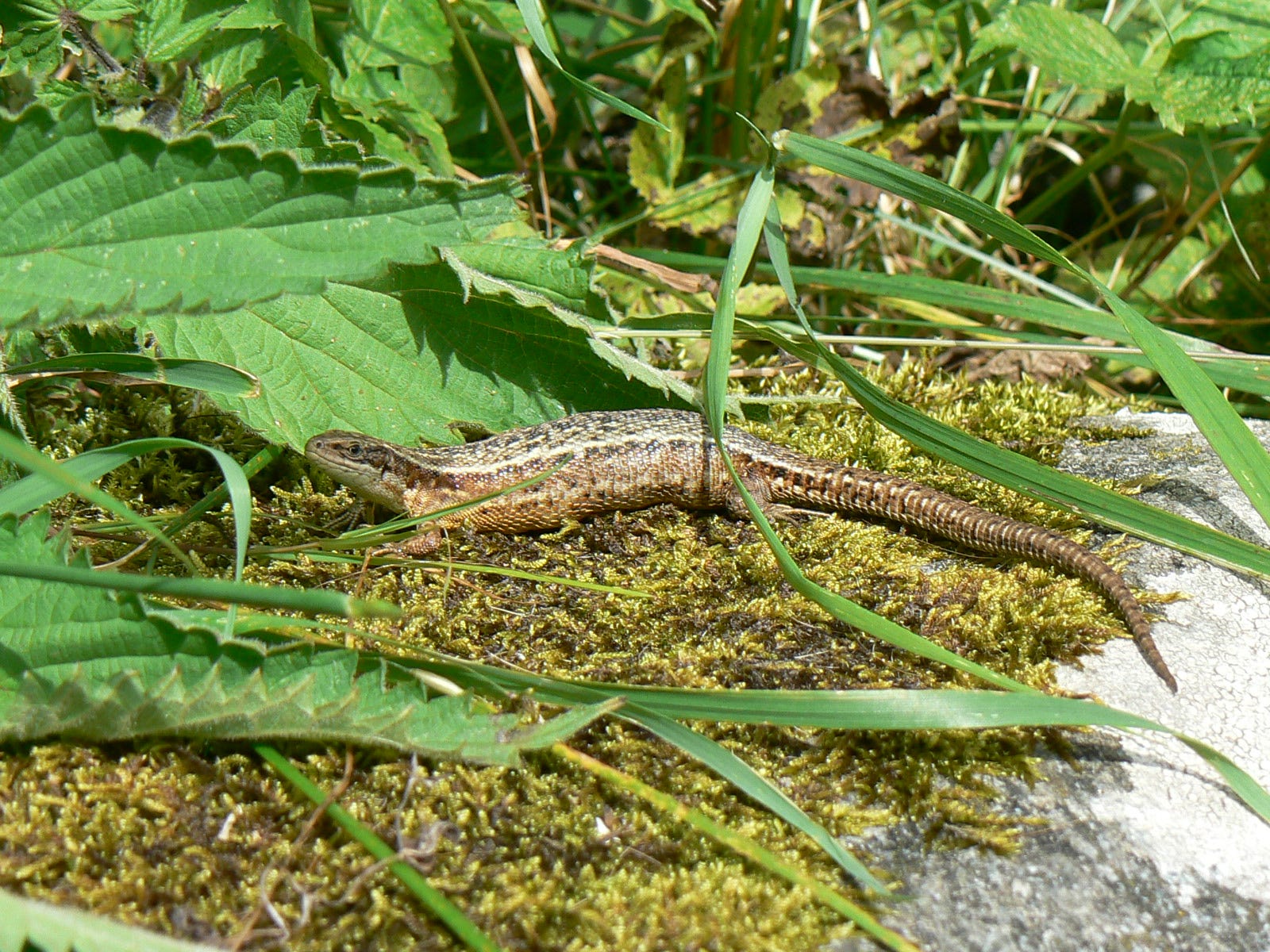
What looks at first glance like scrub, grass and gravel turns out to be one of the richest wildlife sites on the Moray Firth. The old raised beach ridges left behind by retreating glaciers and wave action are supporting an intricate patchwork of habitats. Curlew feed here. Terns hunt offshore. Roe deer slip through the woodland edge, and it’s a regular haunt of badgers. Common lizards bask on warm banks. Rare plants flourish in places where most people never think to look.
And then there are the rarest of Scotland’s butterflies residing here too. One of the stars of the site is a butterfly barely larger than your thumbnail. In the last 3 years partnering with the Species on the Edge programme, I’ve been working with Butterfly Conservation and a dedicated team of volunteers to secure the future of the Small Blue and Dingy Skipper around the Moray Firth. Neither species has been particularly good at public relations over the years, yet their presence tells us an enormous amount abut the health of this habitat.
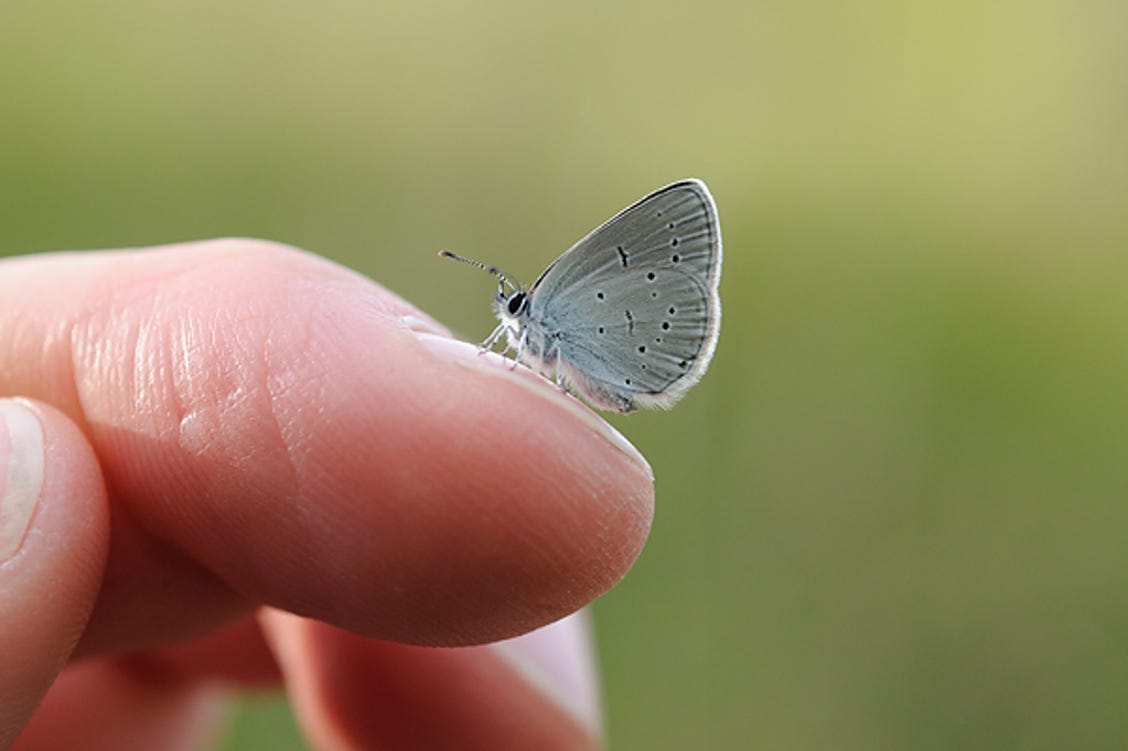
The Small Blue is Britain’s smallest butterfly and depends on a single food plant, kidney vetch. The Dingy Skipper is a masterclass in camouflage. Both have disappeared from many places where they once thrived, but at Ardersier Common they are hanging on supremely well.
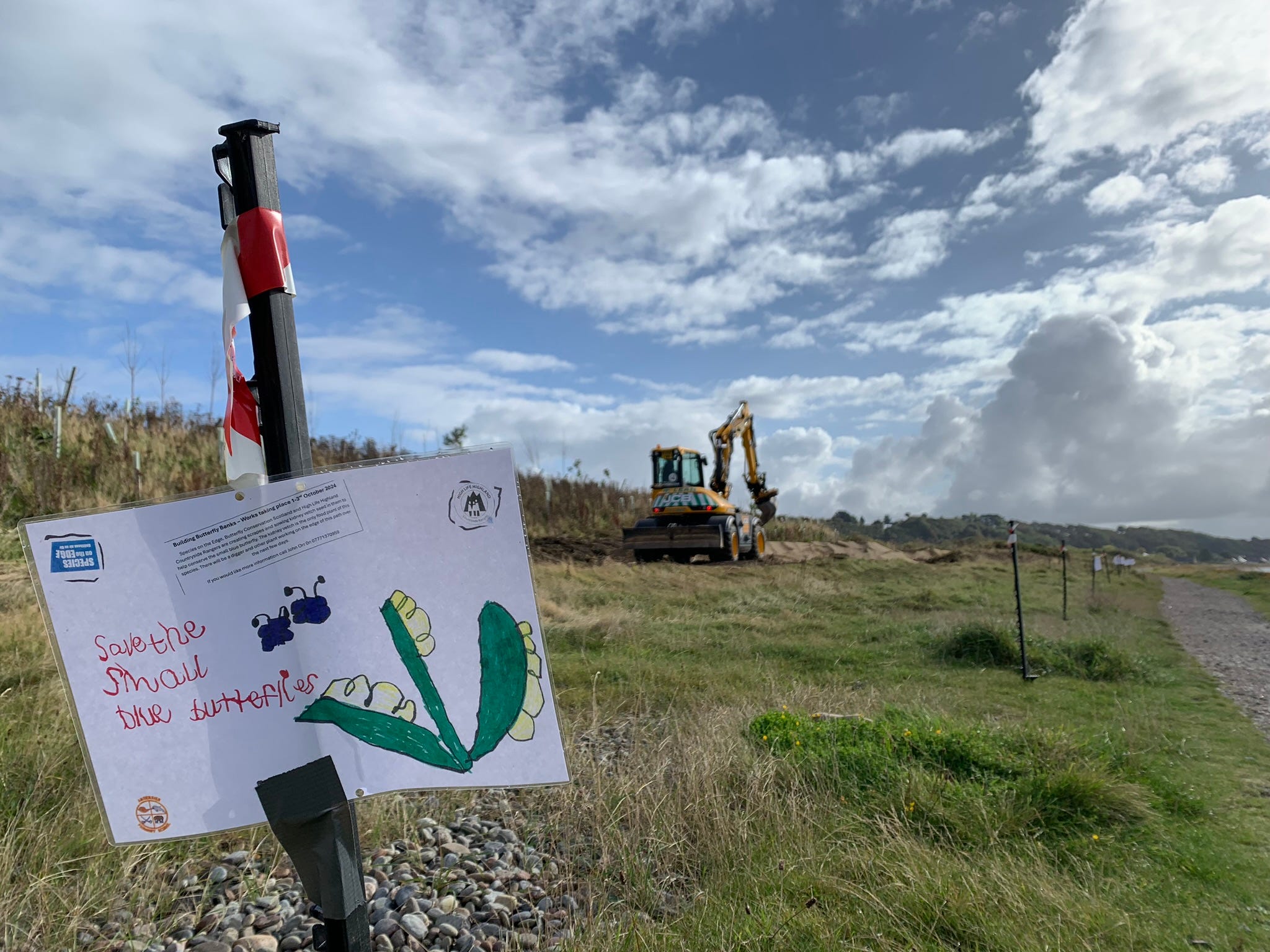
There have admittedly been years of practical habitat management to assist, removing the gorse to keep opening up those sunny glades and protecting the wildflower-rich grasslands that these species depend on. Working with local volunteers willing to spend a day digging, cutting or surveying while everyone else is heading off to more recreational pursuits, and more recently we have created some new curved butterfly banks (see blog bulldozers and butterflies for more about that!)
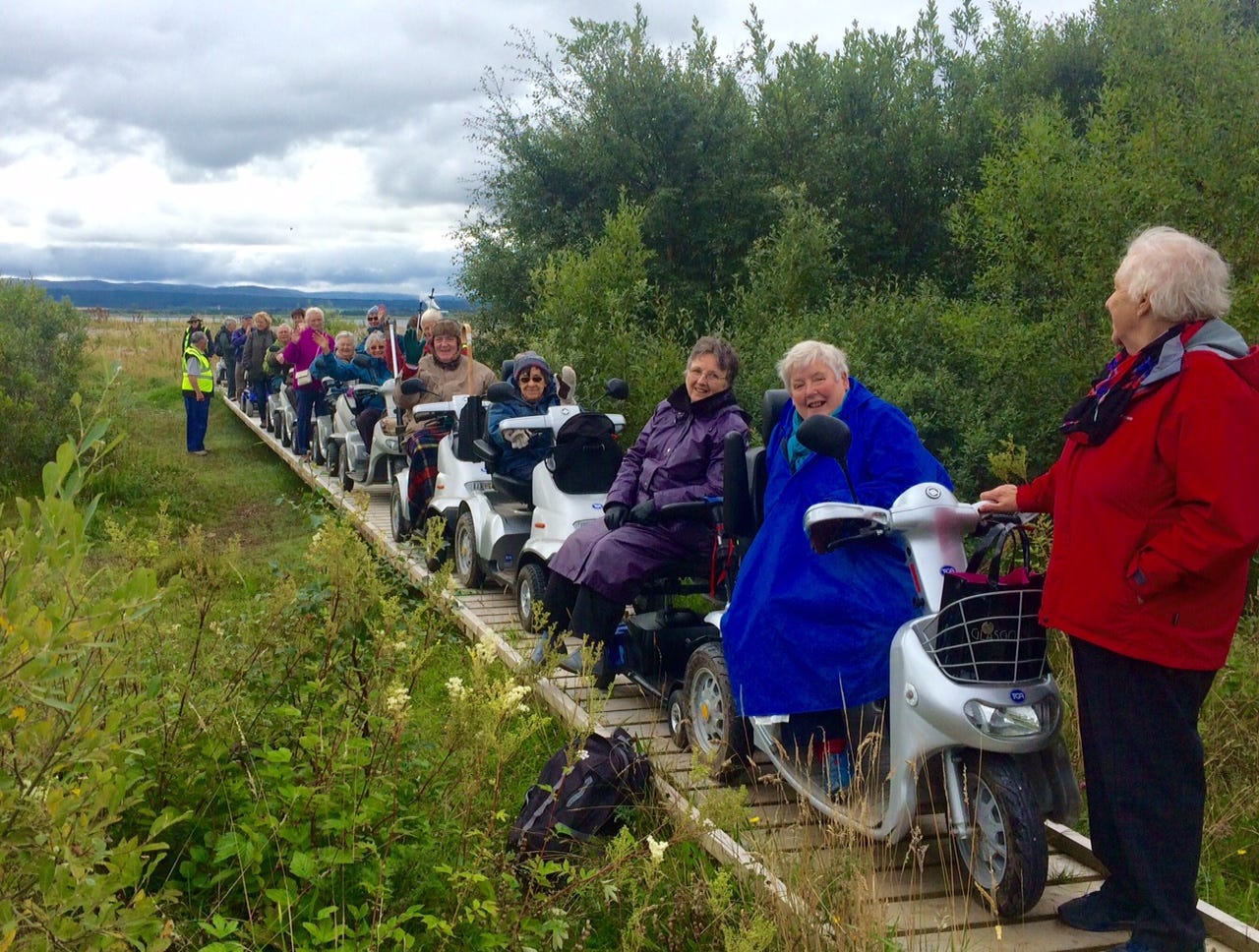
Over the years as the local ranger here I have worked with schools, volunteers, local residents, conservation organisations and landowners. I’ve led walks, run events, improved access, installed interpretation and with the help of my Highland Council colleagues I have occasionally persuaded people that this patch of apparently untidy habitat should remain exactly that. The Common has become a classroom, a community asset and a continuous refuge for wildlife.
Most importantly, Ardersier Common is a place that people really care about. That is why it’s recent Local Nature Reserve designation is to be celebrated. It’s a formal recognition of something many of us have known for a long time, that Ardersier Common is a really ecologically important place. In fact, at a time when biodiversity is declining across Scotland, it is more than important, it is indispensable.
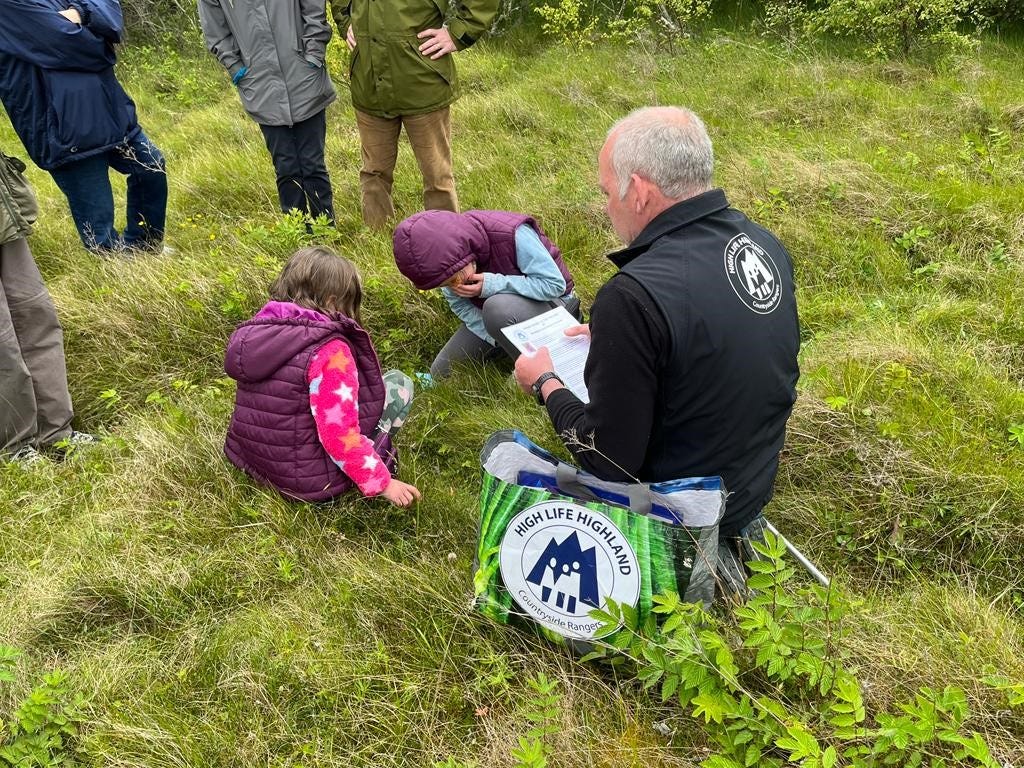
For years rangers have argued that nature recovery cannot happen solely within the boundaries of famous reserves and national parks. If wildlife is going to recover, it has to survive in the places where people actually live. Places like Ardersier. This is really the beauty of the Local Nature Reserve concept.
For twenty odd years, Merkinch LNR carried the Local Nature Reserve banner for the Highland Council area alone. This new designation for Ardersier is wonderful in that it provides recognition, protection and a framework for managing the site for its important biodiversity value in the decades ahead and to be a place communities can learn from, enjoy and cherish.
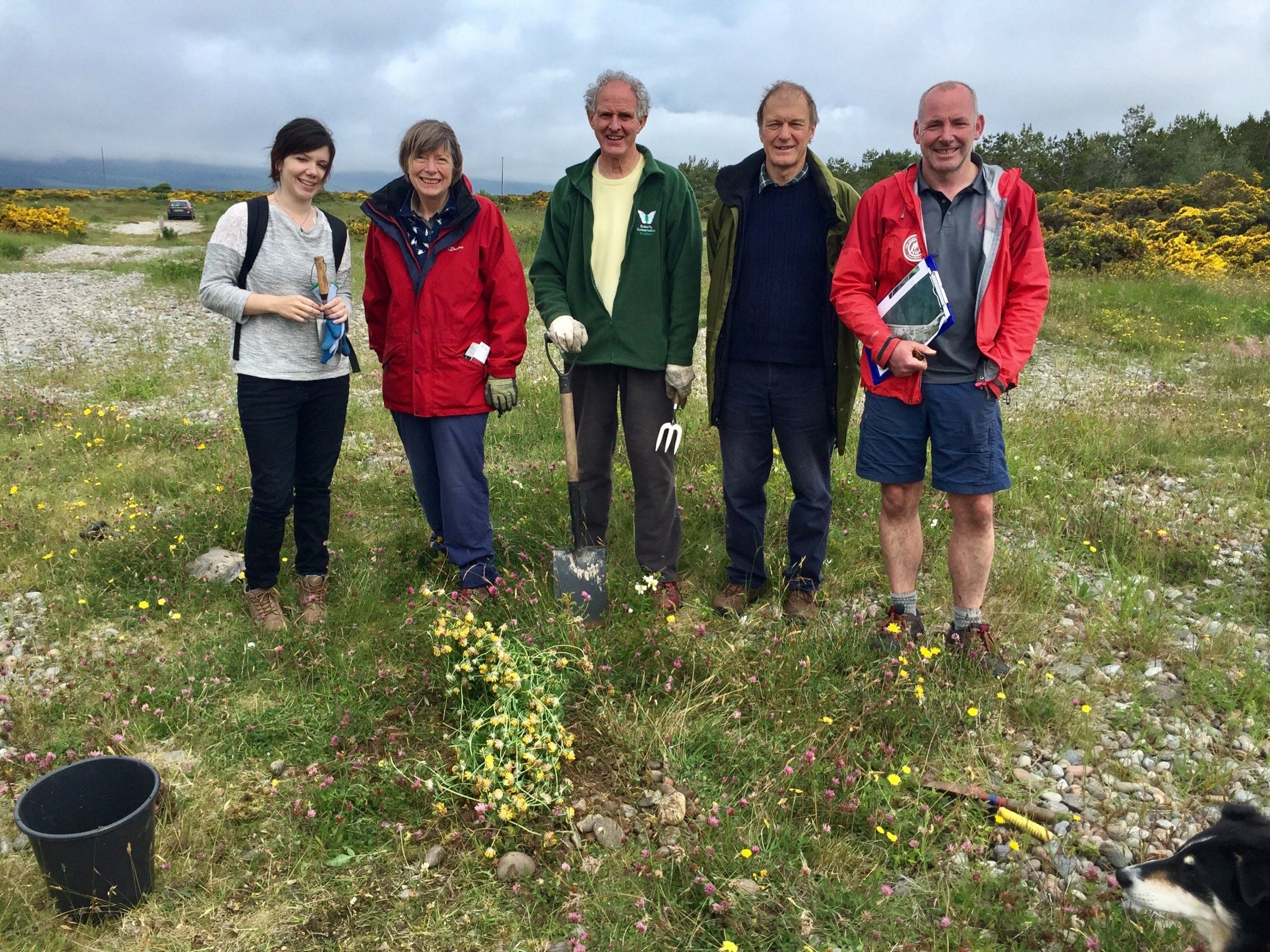
The new designation also reflects an enormous collective effort. Highland Council colleagues have worked closely with the local community, Highland Environment Forum, the Ministry of Defence, Scottish Water, private landowners, ourselves in the HLH ranger team and a wide range of local and conservation partners to bring the designation to fruition. It is a tribute to years of collaboration between organisations, volunteers and local people who recognised the value of the site and were determined to see it protected for future generations.
I was delighted to have the opportunity to speak at length with BBC Radio Scotland about the designation and the story of Ardersier Common. The interview explores the site’s wildlife, history and journey to becoming Highland’s second Local Nature Reserve. You can listen to the full programme here:
Ardersier Common has always been rich in wildlife. It has always been important to people. For years it has been doing the work of a nature reserve without officially being one. In my opinion the designation now simply catches up with the reality. That’s worth celebrating. Then, of course, we can get back to work.

John Orr is the High Life Highland Countryside Ranger for Inverness. Throughout his career spanning 30 years, John has demonstrated a deep commitment to environmental stewardship and education. His work has not only contributed to the preservation of Scotland’s natural heritage but has also inspired many individuals to engage with and appreciate the natural world around them. His work includes developing and implementing management plans for local habitats, leading educational programmes, and working collaboratively with local communities to raise awareness of our natural world.
Comments
Nothing yet. Say the first thing.
Sign in to join the conversation.