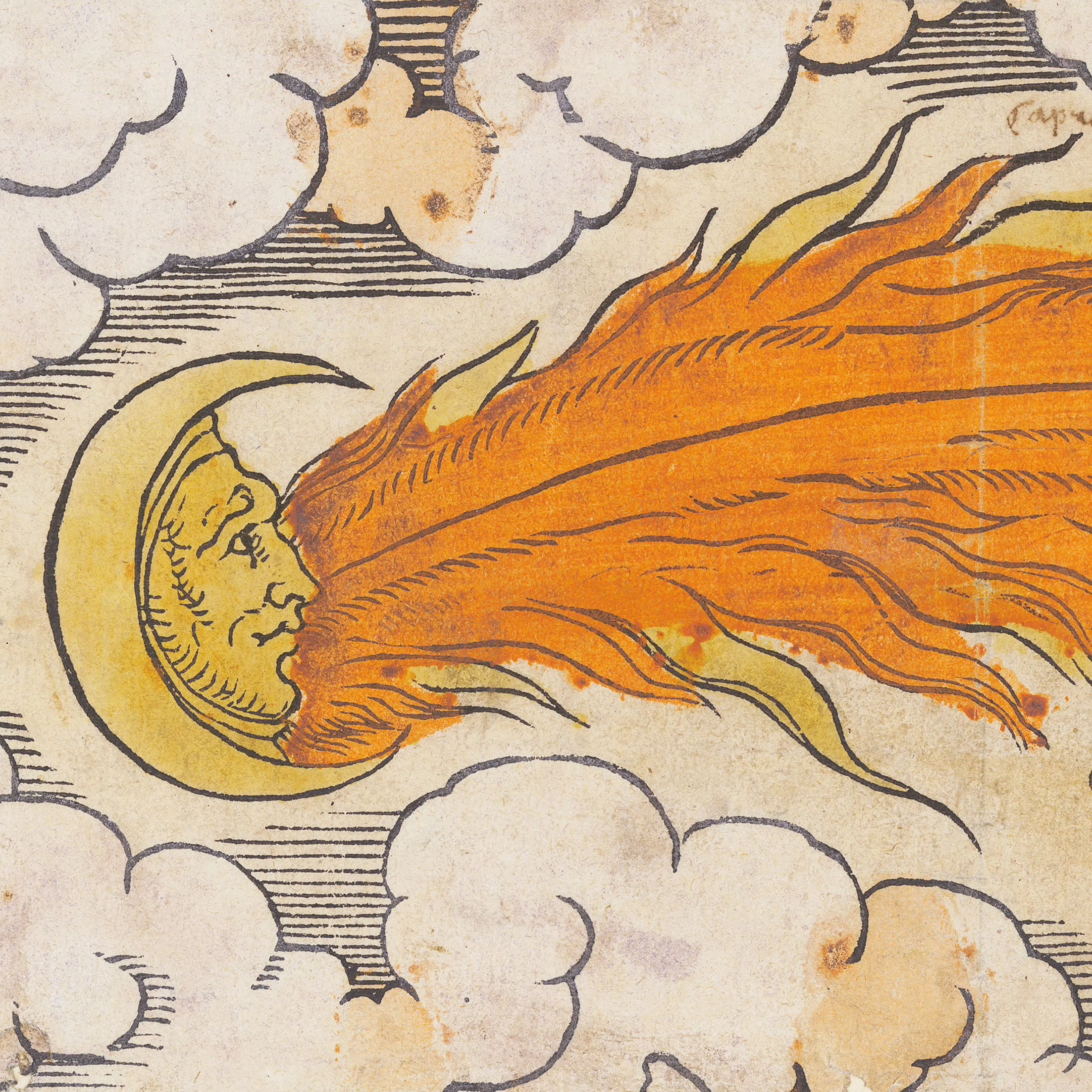
High Theory is a produced and edited by Kim Adams and Saronik Bosu, two tired academics trying to save critique from itself, along with two amazing collaborators, Júlia Irion Martins and Nathan Kim. In this podcast, we get high on the substance of theory, and we try to explain difficult ideas from the academy with irreverence. You can learn more about us on our website, or find us on Facebook, Instagram, and Twitter.
Saves to your Listen queue, to pick up on another day or another device.
Rugged Individualism
In this special student edition of High Theory, Andrew Bennett, Jo Hoffman, Kai North, and Ally Sullivan tell us about Rugged Individualism, a concept they link to Marxist theory. They made this episode for an assignment in Professor John Linstrom’s course on Theory and Criticism at Centenary College of Louisiana. The students provided the show notes below. The baby theorist pictured in the…
In this episode of High Theory, Kim talks to Ben Mangrum about Generic. A curious term that denotes both the conventions and rules of genre, and the impersonal or nameless quality of things like generic drugs or generic devices; the generic structures many of our cultural codes. Ben uses both senses to talk about the history of computing. He tells us about the surprising role the genre of comedy…
In this episode of High Theory, Zac Zimmer talks to Kim about Decolonizing the Novum. The novum is a concept developed by Darko Suvin that names the new element of a science fiction or speculative fiction narrative. SF narratives from the Americas that rewrite archival material about colonization and first contact have begun an imaginative project of decolonizing that novum. In Zac’s words, the…
In this episode of High Theory, Saronik talks to Senthorun Raj about the Emotions of LGBT Rights. Emotions from disgust and fear to love and joy shape the legal frameworks that attempt to govern human sexual behavior around the world. Sen cautions against dividing emotions into good and bad, but instead asks us to take a critical stance on all emotions, to understand how they shape our policies.…
In this episode of High Theory, Milan Terlunen talks to Kim about Pre-Reading. There are many books we will never read and films we will never watch, but it turns out we know quite a bit about them in advance. A concept developed in his work on the plot twist, pre-reading names the epistemic practices by which we approach a text before we read it (if we ever do). The pre-reading environment is…
In this episode of High Theory, Gloria Fisk talks to Kim about Prolepsis. Defined by Gerard Genette in the 1970s, prolepsis is a flash forward, the opposite of analepsis, a flash back. Initially the province of high modernism, this rhetorical device has become a well-worn trope with a surprising aptitude for representing violence in our current moment. Fisk shows us how prolepsis dramatizes the…
In this episode of High Theory, Saronik talks with Erik Baker about the Entrepreneurial Work Ethic. The dominant work ethic of our current moment, it asks us to constantly create new work for ourselves. Eric contrasts the entrepreneurial work ethic with the industrious work ethic, which valued hard work and drudgery in one’s allotted task. Over the course of the 20th century industriousness was…
In this episode of High Theory, Jason Schneiderman talks about Nothingism. A term of his own coinage, a tongue-in-cheek manifesto, nothingism is an invitation to refuse the values of digital culture in favor of the values of print. You can read more about poetry at the end of print culture in Jason’s new book, entitled Nothingism (Michigan UP, 2025). In the episode Jaason refers to M.B. Parkes’s…
In this episode of High Theory Nasser Mufti talks with us about Brutalism. A twentieth century architectural style featuring imposing structures made of a lot of concrete, brutalist structures tend to provoke strong reactions. People either love it or they hate it – you never get a middling conversation about brutalism. Often used for government buildings, university libraries, and hospitals,…
In his new book, Nathan K. Hensley describes a mood or a vibe or an intuitive response to the contemporary moment when one feels powerless in the face of collapsing societal systems. Given the entrenched nature of the present crisis, with compulsory happiness being marketed by the culture industry, how does one work within systems from which no true escape is possible? In order to uncover a…