
If you walk along the River Bela today, you’ll hear two distinct sounds: the rhythmic clatter of 18th-century machinery inside the Mill and the steady, low hum of our 100kW Kaplan hydroelectric turbine. To most, these represent two different worlds - one of heritage and one of high-tech. But for our millwrights, Stuart and Steve, they are simply two parts of the same tireless machine.
As part of the Near Far Heron project, Stuart (our miller-millwright) and Steve (our apprentice) are proving that the skills required to keep Heron Corn Mill alive haven’t changed in 800 years; they’ve simply evolved.
Maintenance at the Mill is a daily conversation with the river. While Steve and Stuart spend much of their time tending to the historic timber and stone, the hydro turbine has become a central part of their “classroom.”
The River Bela is a generous provider of power, but it is also a harsh taskmaster. Submerged in the flow, the turbine faces a unique kind of deterioration. Silt and grit from the riverbed act like liquid sandpaper, slowly wearing down seals and pitting the metal of the turbine blades. Because the turbine is tucked away, this “hidden” wear and tear is easy to ignore - until it isn’t.
Under the Near Far Heron project, Steve is learning that a millwright’s eye must be as sharp for a 2010 Kaplan runner as it is for a 1850s waterwheel. Whether it’s recalibrating adjustable blades or fighting the corrosive effects of a damp, subterranean environment, the duo is applying centuries-old mechanical logic to our 21st-century power plant.
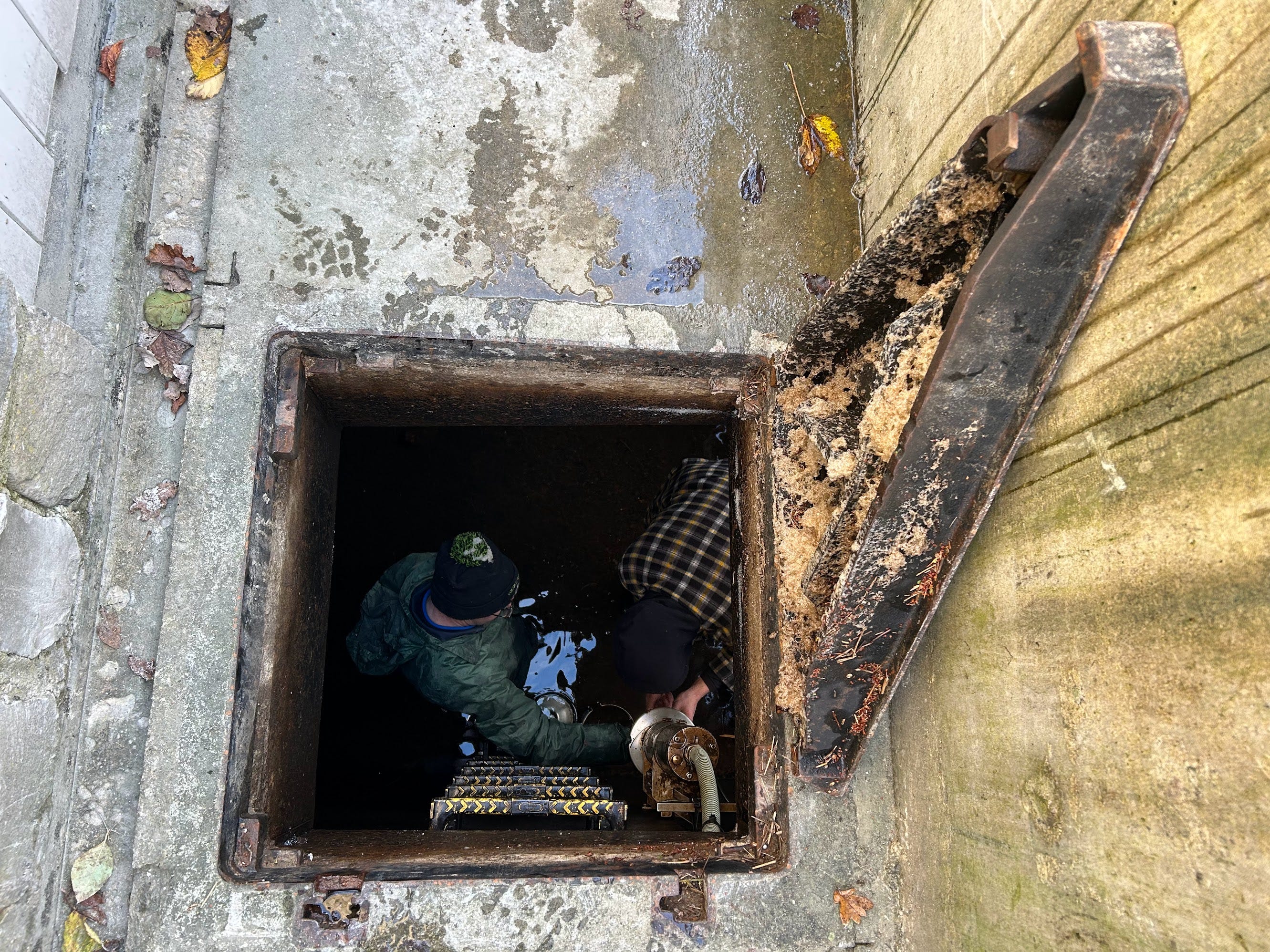
The work Stuart and Steve are doing is not just about preservation; it’s about survival. We are currently racing against a financial clock. When the turbine was installed in 2010, it was supported by the UK Government’s Feed-in Tariff (FiT). This provided the guaranteed income that made the project viable.
However, that support has a 20-year lifespan. By 2030, the “pension” for our turbine will end.
This presents a modern dilemma: How does a heritage site keep a modern turbine viable when the subsidies that built it disappear?
To be honest, we don’t have all the answers yet. But what we do know is that the “answer” to preserving a site like Heron Corn Mill has always required equal parts engineering and creative problem-solving.
Maintaining a historic mill is an ever-changing challenge. It requires a unique kind of ingenuity to not only fix the equipment but to find the funding and the partnerships to keep these places open. By training Steve through the Near Far Heron project, we are ensuring that this marriage of skills - the ability to bridge the gap between ancient oak gears and modern steel turbines - is carried forward.
This project is about more than just our own weir; it is about Heron Corn Mill acting as a forerunner in creatively solving these problems. Steve is learning that a modern millwright must be a custodian of the past and a strategist for the future. Once his training is complete, he will take this expertise out into the world, helping to service and protect other mills across the region that face these same shifting tides - using the blueprints for survival we are developing right here.
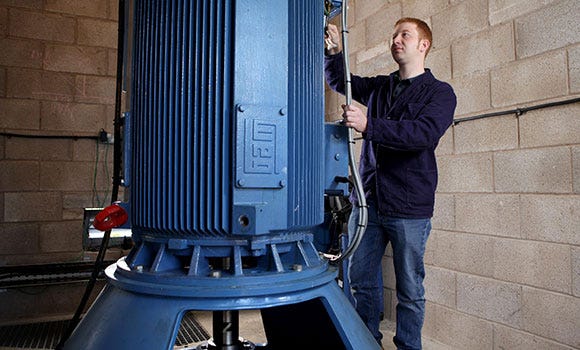
The River Bela has powered this site for eight centuries. The machinery changes - from wooden wheels to steel turbines - but the need for skilled, creative hands remains the same.
Heron Corn Mill has persevered through centuries of industrial and economic change, and it will continue to do so. The next time you visit and hear that low hum, remember that you’re hearing more than just electricity being made. You’re hearing the result of Steve and Stuart’s hard work - a bridge between our 1740s past and an uncertain but hopeful future.
Comments
Nothing yet. Say the first thing.
Sign in to join the conversation.