
Some context for the theme of this blog. Yes, there’ll be design and art insights, sprinkled with thought experiments on creativity. But first, a bit about what started this journey…read on.
Back in March 2024, I left a well-paying corporate design job in tech. The language of the corporate culture had slowly changed. What had been “good work takes time” and “do less, do it better” became ‘design sprints’ and ‘optimization’, ‘velocity’ and ‘scaling’. A disconnect had grown between the work I was responsible for and my personal values & goals.
At first, working there was enjoyable, especially during the isolating 2020 pandemic, where I met smart, kind and dedicated people. Yet, as time passed, I found myself spending countless hours on projects that I neither cared about nor was invested in. I tried to rationalize it with the corporate mantra of ‘be grateful for the paycheck’ and compartmentalize the tedium. Over time, the increasing workload, uninspiring leadership and lack of psychological safety in a creative environment, pushed me to make an exit. It took some time to realize I had been slowly indoctrinated into the grind™.
In the latter half of my tenure—and after returning from a European trip that fortified me with a sense of belonging— the tech bubble I was unknowingly working inside of was made glaringly obvious. That’s when I realized I was profoundly at odds with the team's fast-paced and short-sighted approach to global creative campaigns and design systems. An impressive feat, though, given that the work continually stalled or was reversed at the finish line by meddling executives, too nervous to trust creative teams– a common story. I craved a more innovative and human-centered style of work that aligned with my values, a place where I could learn, be challenged and build on each other’s work. A place to make mistakes and push boundaries.
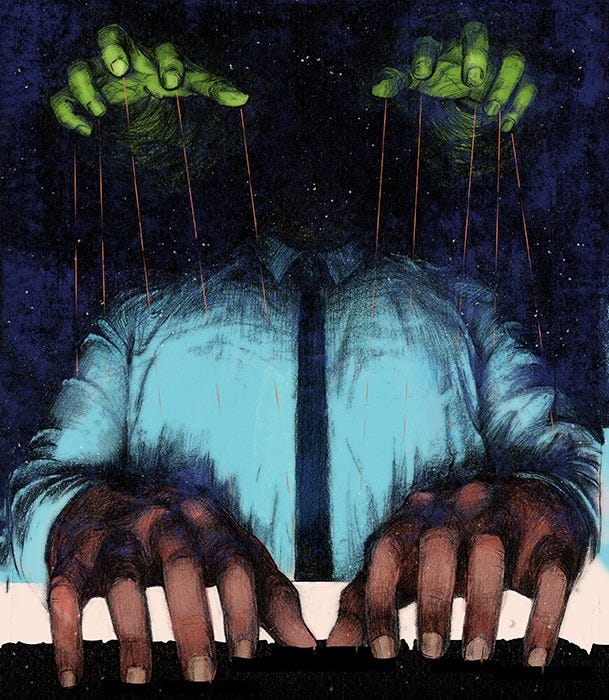
Creative centers of excellence—whether an agency, studio or in-house teams—thrive in the ability to feel safe while asking tough questions. It is that very curious nature, frankness and constraint that makes amazing career-making work. Questioning decisions, processes and roles is at best precarious in the shark infested waters of corporate leadership, no matter how noble or beneficial the intentions. Effective creative leadership provides protection, encourages discussion and honesty and generally exists to shield creative teams from executive hubris and draconian power structures. Too often, the advice I got from mentors and supervisors noticing my frustrations was to just ‘do the work’ in front of me and forget the rest. Then the mass layoffs began. I, like many of my colleagues, got scared, felt pressured and resorted to doubling down on maladaptive efforts to deliver the work—clearly our only option. I told myself that if I just work longer and on weekends, I could catch up and stay on top. But that didn’t work.
I couldn’t think straight. I was jittery and anxious. I began blaming myself,
“I’m the one with the problem, the organization is just doing its best”.
When you feel more like a cog in a machine than a thinking, creative problem-solver, it's easy to lose motivation and spark. If ideas or points of view aren't valued or given a chance to shine, or if your concerns can’t be voiced due to fear of losing your job, your role is boiled down to following instructions without thinking about the bigger picture. That's the kind of corporate environment—and the team that enables it— that can drain you. It stops being a creative, design-driven endeavor and becomes design engineering.
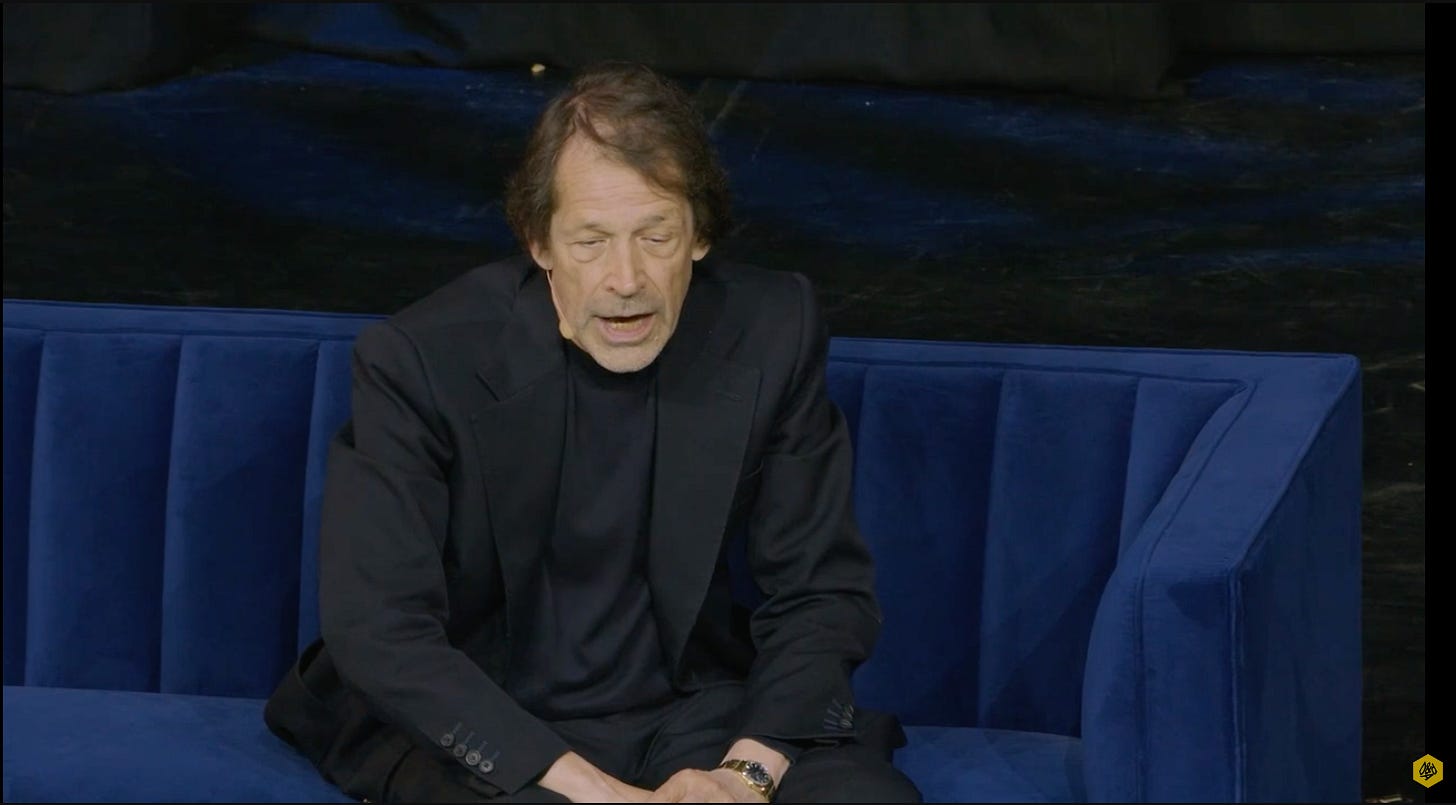
Peter Saville on the Importance of a Personal Sense of Identity in Design
You are forced to reduce, reuse, and repair design, which ends up only pleasing the management directly above you on a quarterly basis, and not the audience you’re trying to serve or the goal you’re trying to reach. Do it better, do it with less.
The reactionary and often contradicting remits were amplified through our upper leadership “with rigor”, and it was expected that work duties came before your personal concerns, or your personal life. When faced with such immutable and stern direction against the growing pleas to “narrow the lanes” and re-prioritize workloads, your mind starts to warp. I couldn’t think straight. I was jittery and anxious. I began blaming myself, “I’m the one with the problem, the organization is just doing its best”. I had lost sight of my strengths or what my values stood for. I felt powerless and all I could do was to keep working or–per my peers’ favorite adage: sink or swim. Overwhelmed by pressure and lacking sleep, I hit a wall. Recognizing the toll it was taking on my identity, I chose to move on. It wasn’t for me anymore, and maybe it never was.
The pursuit of prestige and financial security, particularly in a high-pressure environment like Silicon Valley, can often lead to significant personal sacrifices. Prioritizing these external factors over one's own values and well-being can have detrimental effects, both professionally and personally. The potential consequences, such as burnout, decreased performance, and increased vulnerability to job cuts, are well-documented and can significantly impact one's overall quality of life.
My advice is don’t wait for a crisis to strike. Evaluate your current situation and consider alternative paths. Whether it's a different role, team, or industry, prioritize alignment with your values and passions. Meaning and purpose are essential for long-term fulfillment and can be difficult to regain once lost. There are creative ways to integrate what matters to you into practice and it doesn’t have to be leaving it all.
I'm currently navigating this journey myself. Subscribe to follow my progress and learn how I'm finding a balance between creative success and personal well-being in the post-tech grind.
Finally, I'd like to thank my friends for their help with this blog. Shout out to Alan, Andy, Geoff, PJ and Suzanne. You complete me.
Comments
Nothing yet. Say the first thing.
Sign in to join the conversation.