Poetry and Zen: Communion with the World
Poetry doesn’t require any “zen” experience. But at its best, its core, it is also about discovering that imaginative capacity which shows us our intimacy with the world.

A thoughtful note from the desk of a Zen Master, right to your inbox
Live Last read · last published · next check
Poetry doesn’t require any “zen” experience. But at its best, its core, it is also about discovering that imaginative capacity which shows us our intimacy with the world.
The strange thing about awakening, the thing that makes it truly worthwhile, is that it seems to actually answer, or at least resolve, this impossible question: Why all this?
After all, this beauty is nothing but a gift. It immediately shows us something about our human soul. We can’t help but respond to it, appreciate it.
The great geocosmic forces of mountains and rivers continue their unfolding. This planet, this solar system, and its galaxy, and the universe continue.
If you lie down in front you can see the trees meeting high over your head, each crown attached to a very tall trunk. Like the spokes of a wheel overhead.
There's a teaching in Buddhism of the "two sheaves." The image it uses is of sheaves of reeds that have been cut and bundled together.
I do it for the shy one who lives inside me, who loves this world better than I ever will
It's quite hard to explain awakening to serious meditators who have trained in traditions that are not nondual, where you might deconstruct experience and let things become very quiet.
Enough of sacred sites. What about the daily pilgrimage from the dark to the light, and the light back into the dark?
What is this “big heart”? Some teachings say that all things are made of fundamental consciousness and this consciousness is intrinsically loving.
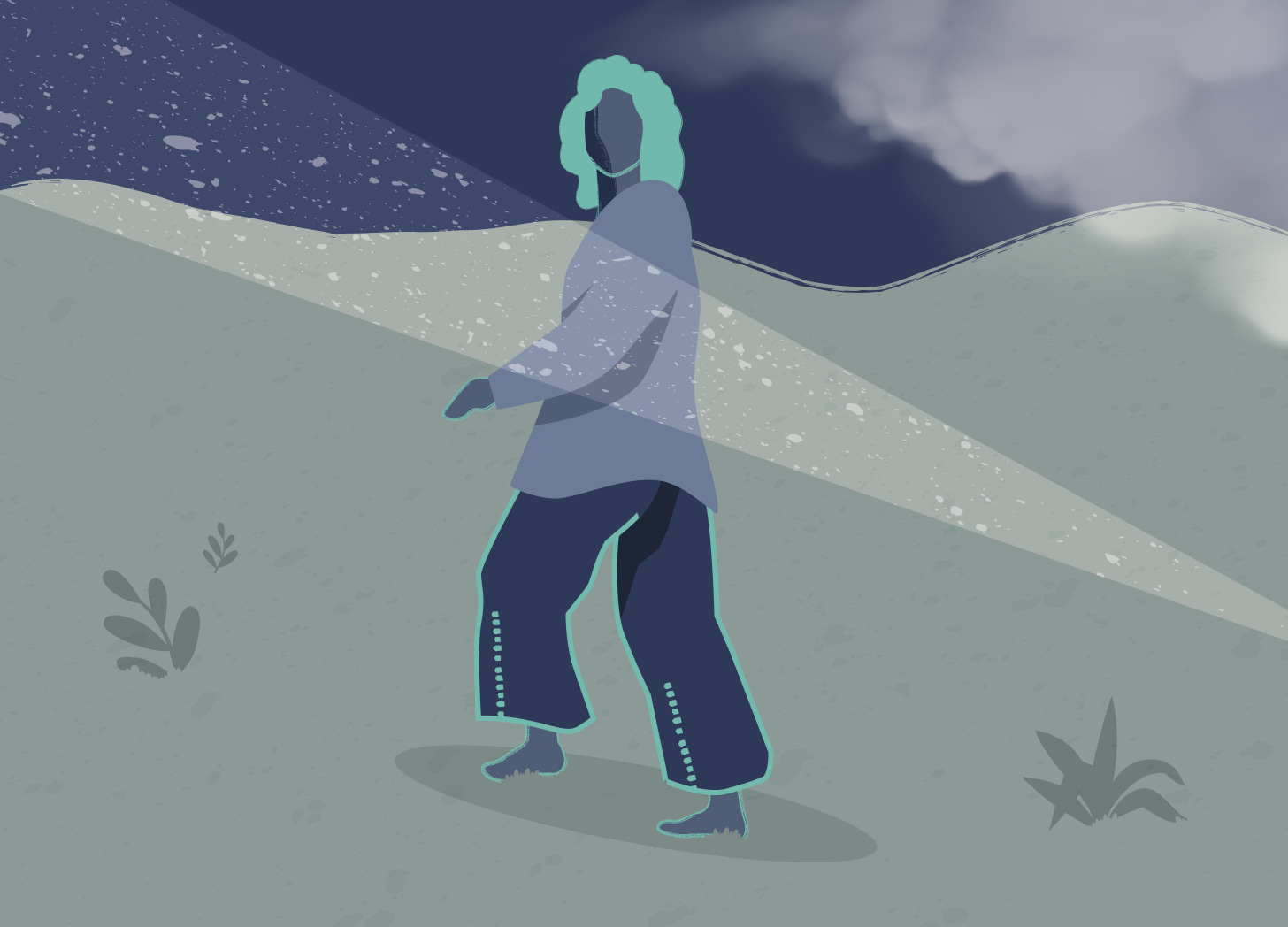
There’s an old Zen saying: take the backward step that shines the lamp inwards.