
Dear classics reader,
In this week’s steel closet you will find:
A celebration of football in literature;
Birthday wishes to Blaise Pascal;
A preview of coming attractions and other notices;
And for paid subscribers:
The week’s new classics – including a new edition of Ulysses;
And our second discussion of The Third Policeman – with notes on pre-Socratic philosophers.
This newsletter may be too long for your email inbox. If so, please click ‘View entire message’ at the bottom – or visit Substack.

As the World Cup gathers momentum across North America, here is a round-up of ten works of classic literature that feature the beautiful game.
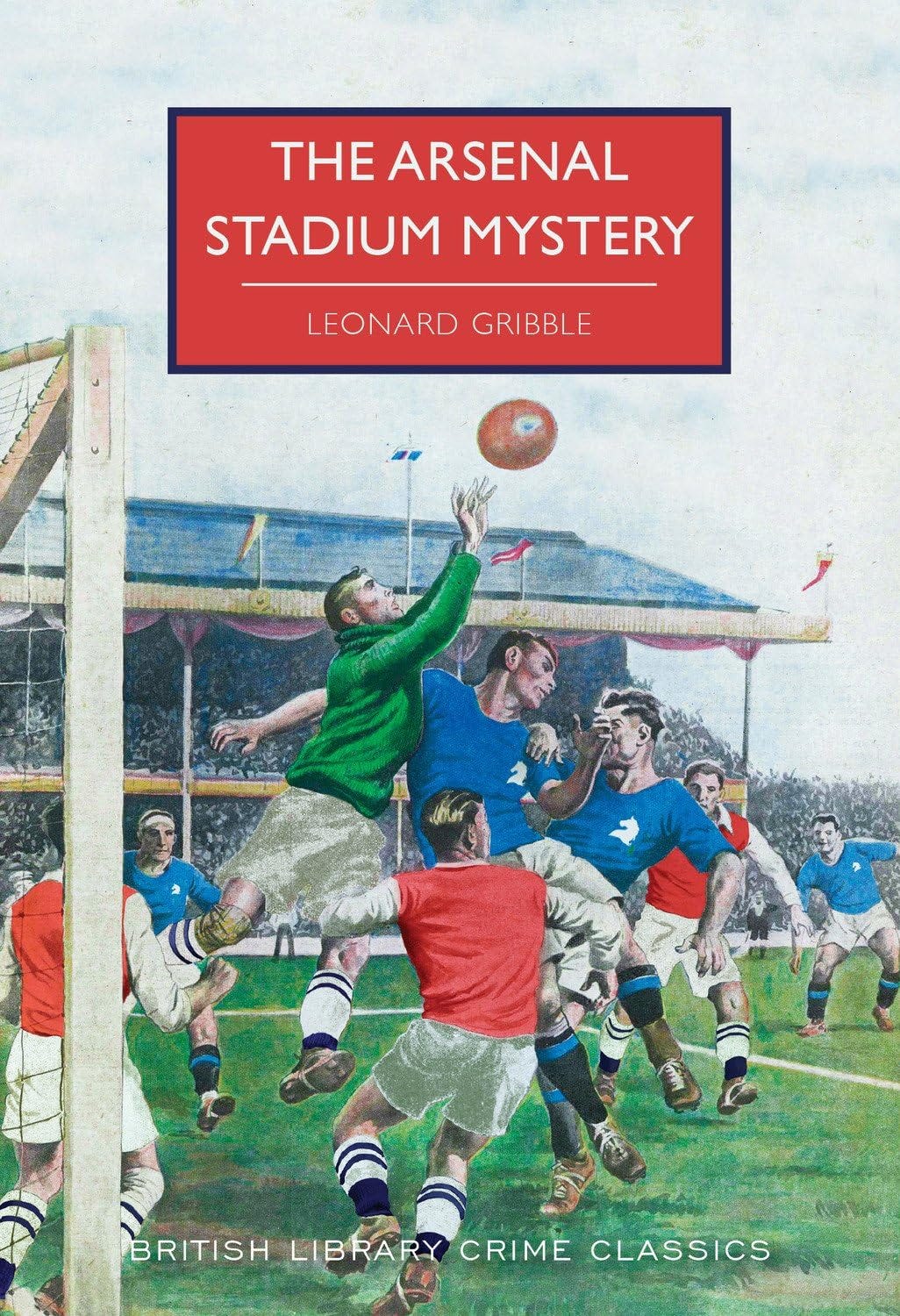
The Arsenal Stadium Mystery by Leonard R Gribble (1939)
The 1939 Arsenal side is firing on all cylinders and celebrating a string of victories. They appear unstoppable, but the Trojans – a side of amateurs who are on a winning streak of their own – may be about to silence the Gunners. Moments into the second half the whistle blows, but not for a goal or penalty. One of the Trojans has collapsed on the pitch. By the end of the day, he is dead. Gribble’s unique mystery, featuring the actual Arsenal squad of 1939, sends Inspector Anthony Slade into the world of professional football to investigate a case of deadly foul play on and off the pitch.
[UK / US] British Library Crime Classics | 256 pages | introduced by Martin Edwards
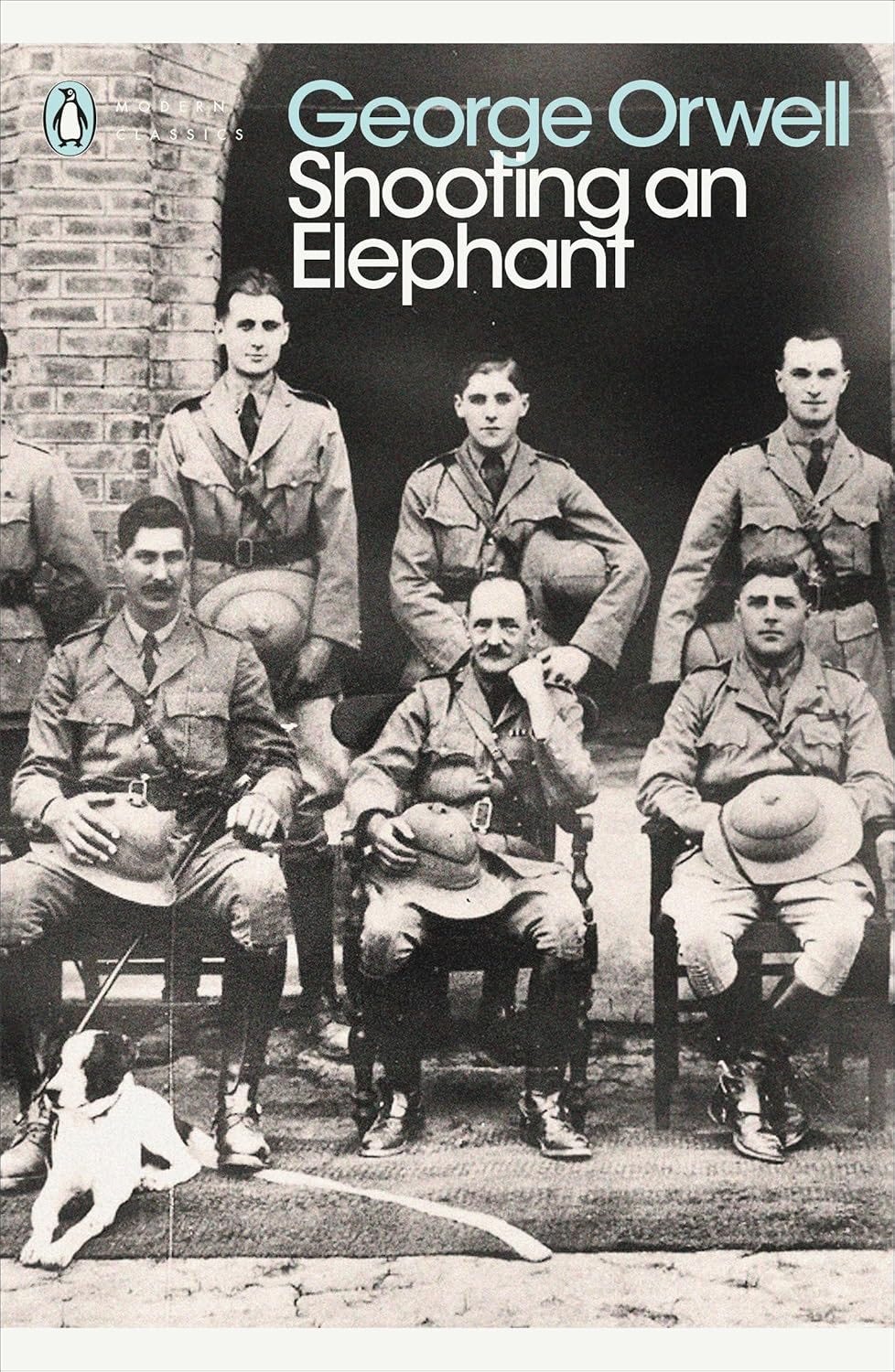
‘The Sporting Spirit’ in Shooting an Elephant by George Orwell (1945)
‘Shooting an Elephant’ is Orwell’s searing and painfully honest account of his experience as a police officer in imperial Burma; killing an escaped elephant in front of a crowd ‘solely to avoid looking a fool’. The other masterly essays in this collection include classics such as ‘My Country Right or Left’, ‘How the Poor Die’ and ‘Such, Such were the Joys’, his memoir of the horrors of public school, as well as discussions of Shakespeare, sleeping rough, boys’ weeklies and a spirited defence of English cooking. Opinionated, uncompromising, provocative and hugely entertaining, all show Orwell’s unique ability to get to the heart of any subject.
[UK] Penguin Modern Classics | 400 pages | introduced by Jeremy Paxman
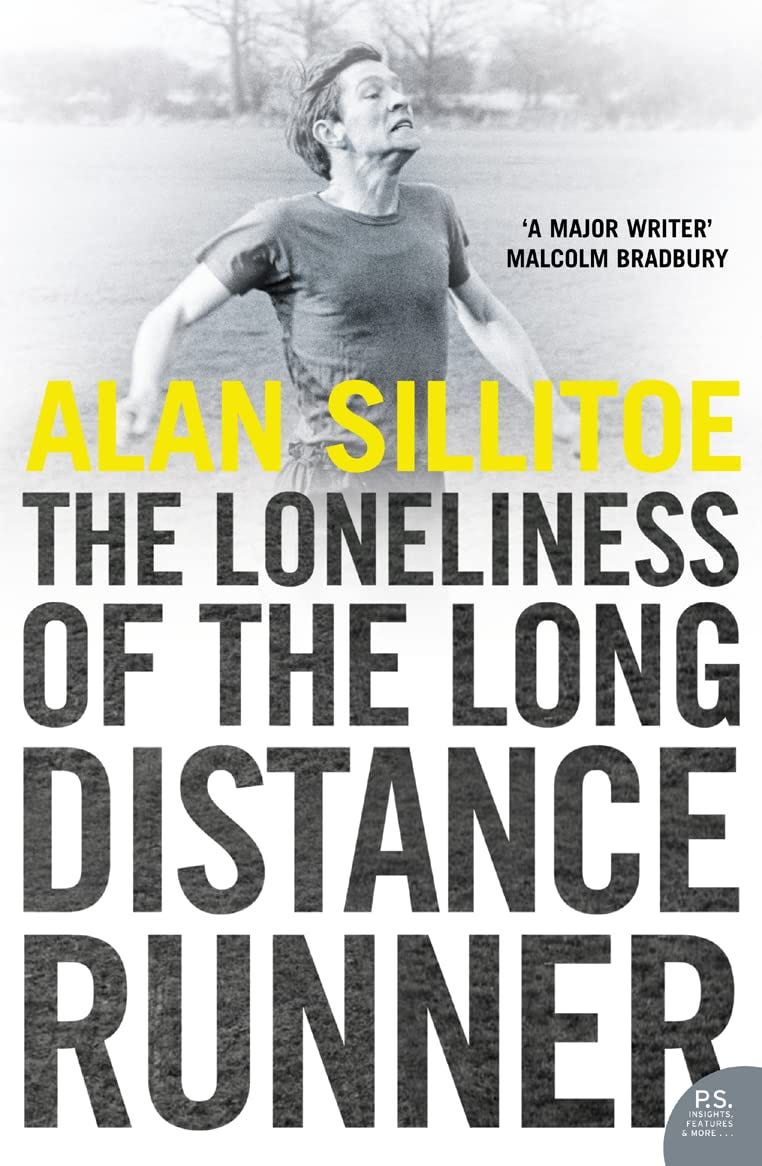
‘The Match’ in The Loneliness of the Long Distance Runner by Alan Sillitoe (1959)
From the author of Saturday Night and Sunday Morning come stories of hardship and hope in post-war Britain. The title story in this classic collection tells of Smith, a defiant young rebel, inhabiting the no-man’s land of institutionalised Borstal. As his steady jog-trot rhythm transports him over an unrelenting, frost-bitten earth, he wonders why, for whom and for what he is running.
[UK] Harper Perennial | 192 pages
[US] Vintage | 192 pages
The First Man by Albert Camus (unfinished in 1960, published 1994)
The unfinished manuscript of The First Man was discovered in the wreckage of the car accident in which Camus died in 1960. Although it was not published for over thirty years, it was an instant bestseller when it finally appeared in 1994. The ‘first man’ is Jacques Cormery, whose poverty-stricken childhood in Algiers is made bearable by his love for his silent and illiterate mother, and by the teacher who transforms his view of the world. The most autobiographical of Camus’s novels, it gives profound insights into his life and the powerful themes underlying his work.
[UK] Penguin Modern Classics | 272 pages | translated by David Hapgood
[US] Vintage | 336 pages | translated by David Hapgood
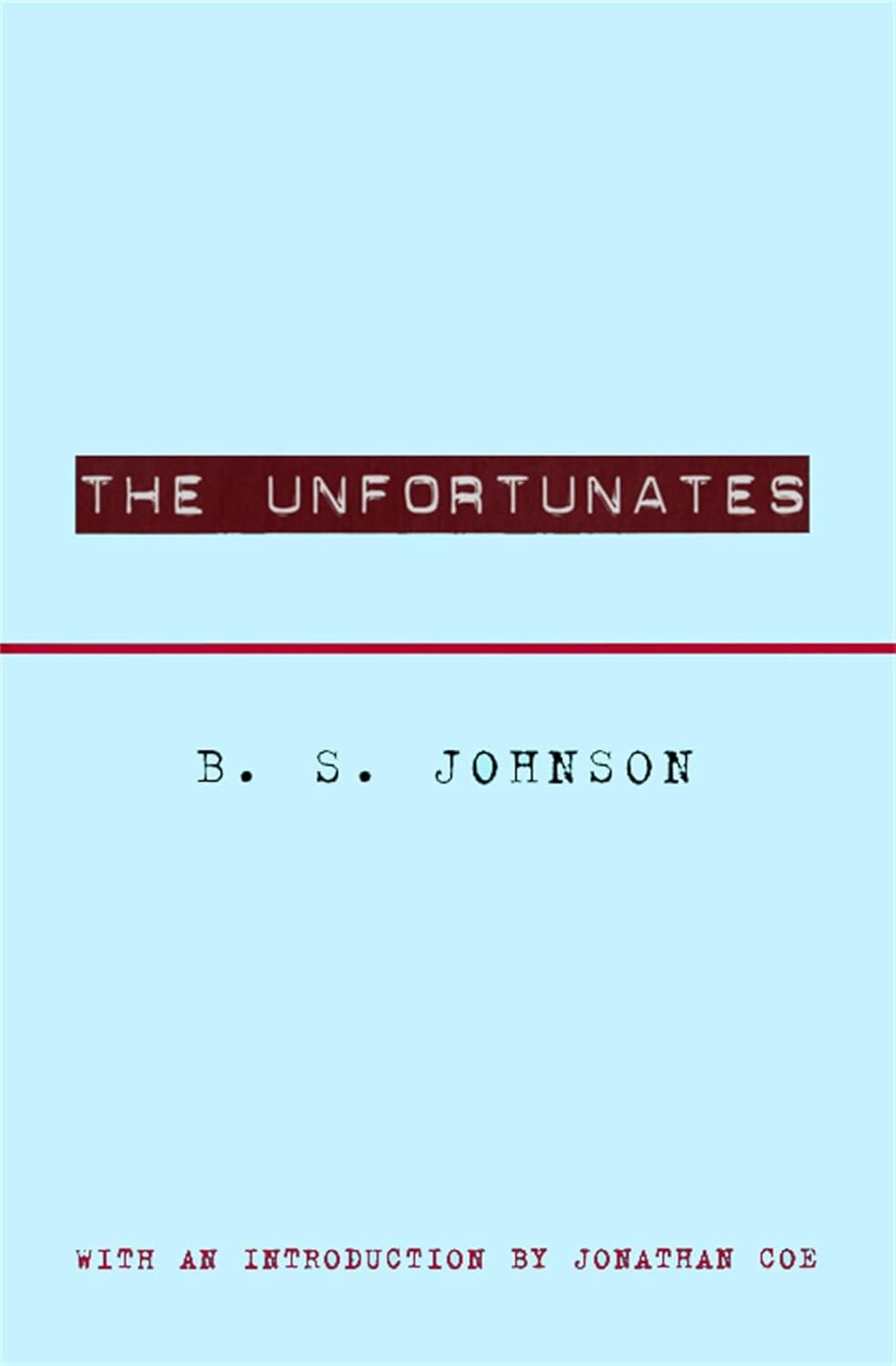
The Unfortunates by B. S. Johnson (1969)
A sports journalist, sent to a Midlands town on a weekly assignment, finds himself confronted by ghosts from the past when he disembarks at the railway station. Memories of one of his best, most trusted friends, a tragically young victim of cancer, begin to flood through his mind as he attempts to go about the routine business of reporting a football match. B S Johnson’s famous ‘book in a box’, in which the chapters are presented unbound, to be read in any order the reader chooses, is one of the key works of a novelist now undergoing an enormous revival of interest. The Unfortunates is a book of passionate honesty and dark, courageous humour: a meditation on death and a celebration of friendship which also offers a remarkably frank self-portrait of its author.
[UK] Picador | 288 pages | introduced by Jonathan Coe
[UK] New Directions | 176 pages | introduced by Jonathan Coe
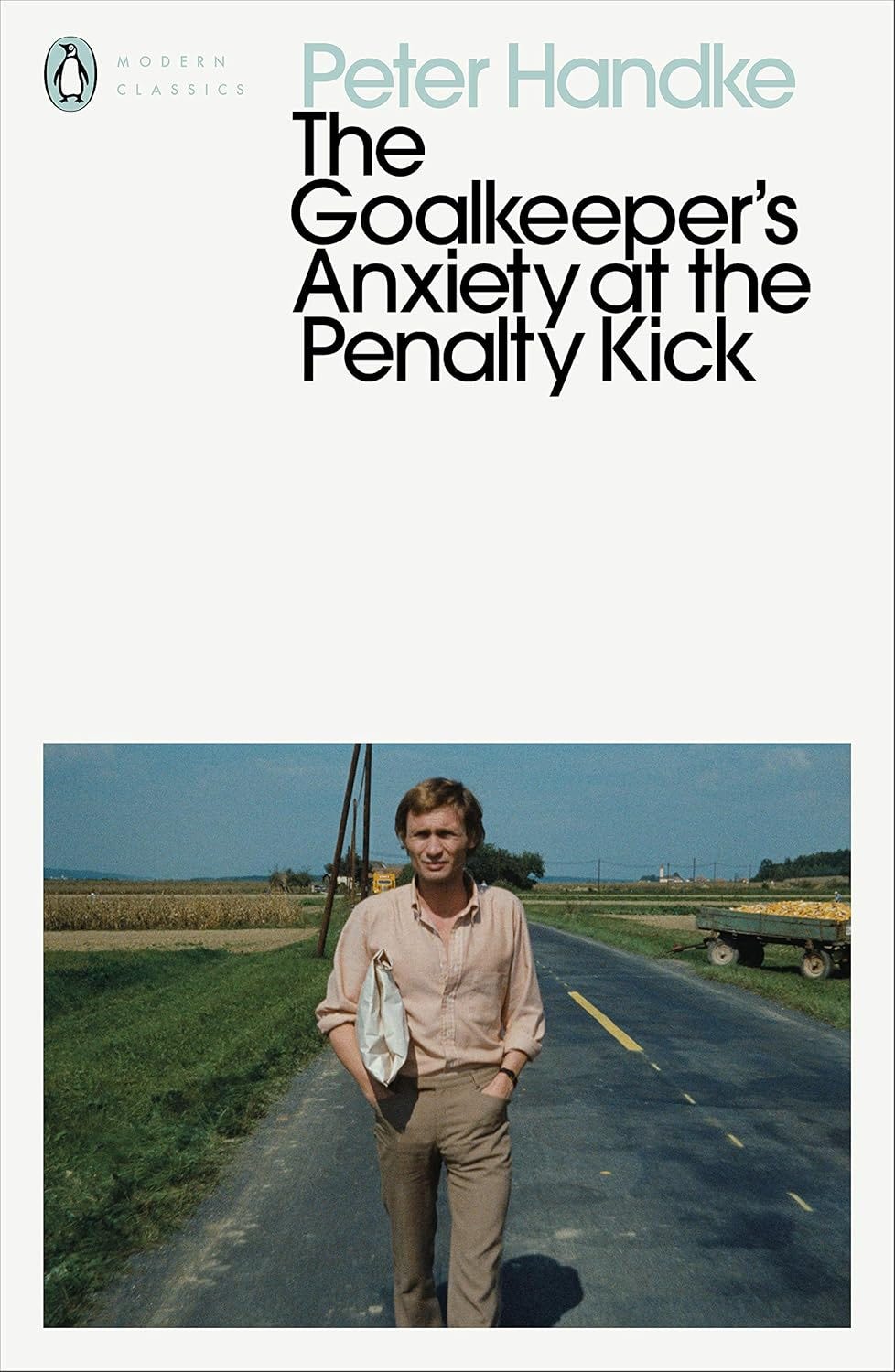
The Goalkeeper’s Anxiety at the Penalty Kick by Peter Handke (1970)
Joseph Bloch, a once-famous goalkeeper turned construction worker, commits a random murder without thought or regret. As he wanders the streets, from hotel to bar, cinema to tram stop, experiencing strange and violent encounters on the way, he finds himself, and everything around him, disintegrating. Told in spare and icy prose, Peter Handke's masterpiece of alienation takes apart our ideas of humanity and reality itself.
[UK] Penguin Modern Classics | 96 pages | translated by Michael Roloff
[US] FSG | 144 pages | translated by Michael Roloff | as The Goalie’s Anxiety at the Penalty Kick
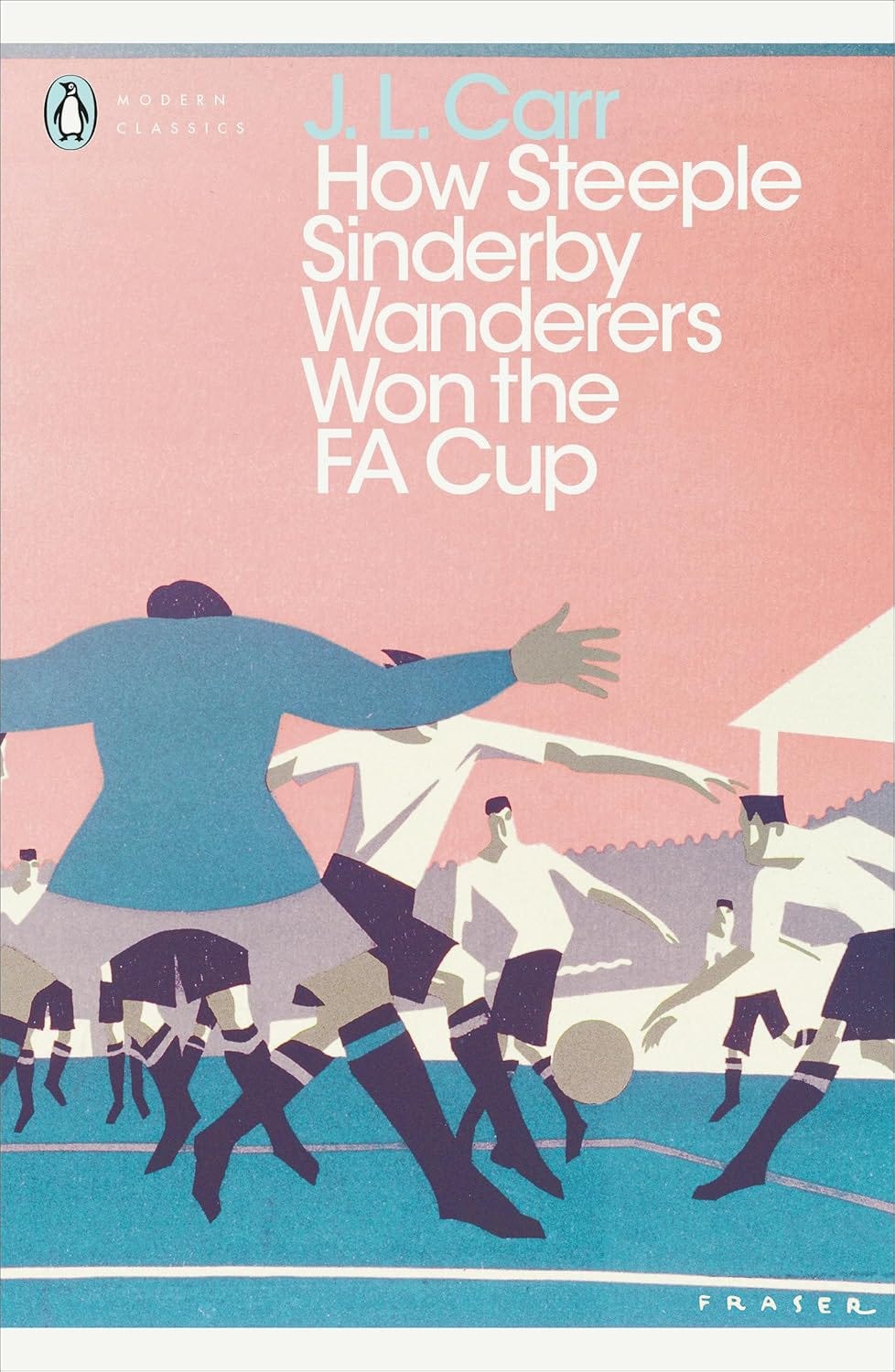
How Steeple Sinderby Wanderers Won the FA Cup by J. L. Carr (1975)
In their new all-buttercup-yellow-stripe, Steeple Sinderby Wanderers, who usually feel lucky when their pitch is above water-level, are England’s most obscure team. This uncategorizable, surreal and extremely funny novel is the story of how they start the season by ravaging the Fenland League and end it by going all the way to Wembley. Told through unreliable recollection, florid local newspaper coverage and bizarre committee minutes, How Steeple Sinderby Wanderers Won the F.A. Cup is both entertaining and moving. There will never be players again like Alex Slingsby, Sid ‘the Shooting Star’ Swift and the immortal milkman-turned-goalkeeper, Monkey Tonks.
[UK] Penguin Modern Classics | 144 pages | introduced by D. J. Taylor
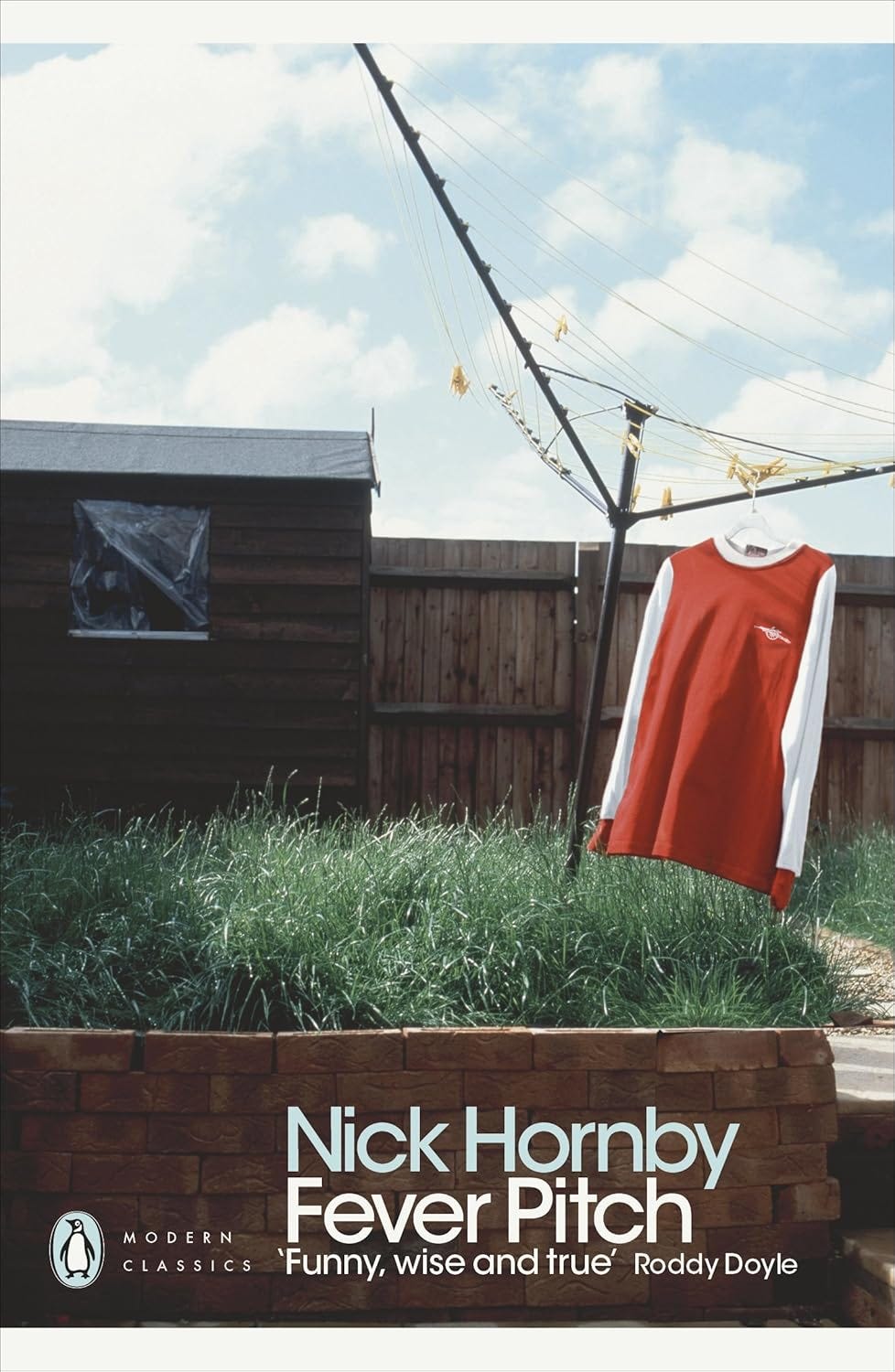
Fever Pitch by Nick Hornby (1992)
For many people watching football is mere entertainment, to some it’s more like a ritual; but to others, its highs and lows provide a narrative to life itself. But, for Nick Hornby, his devotion to the game has provided one of few constants in a life where the meaningful things - like growing up, leaving home and forming relationships, both parental and romantic - have rarely been as simple or as uncomplicated as his love for Arsenal. Brimming with wit and honesty, Fever Pitch, catches perfectly what it really means to be a football fan - and in doing so, what it means to be a man.
[UK] Penguin Modern Classics | 256 pages
[UK] Riverhead | 272 pages
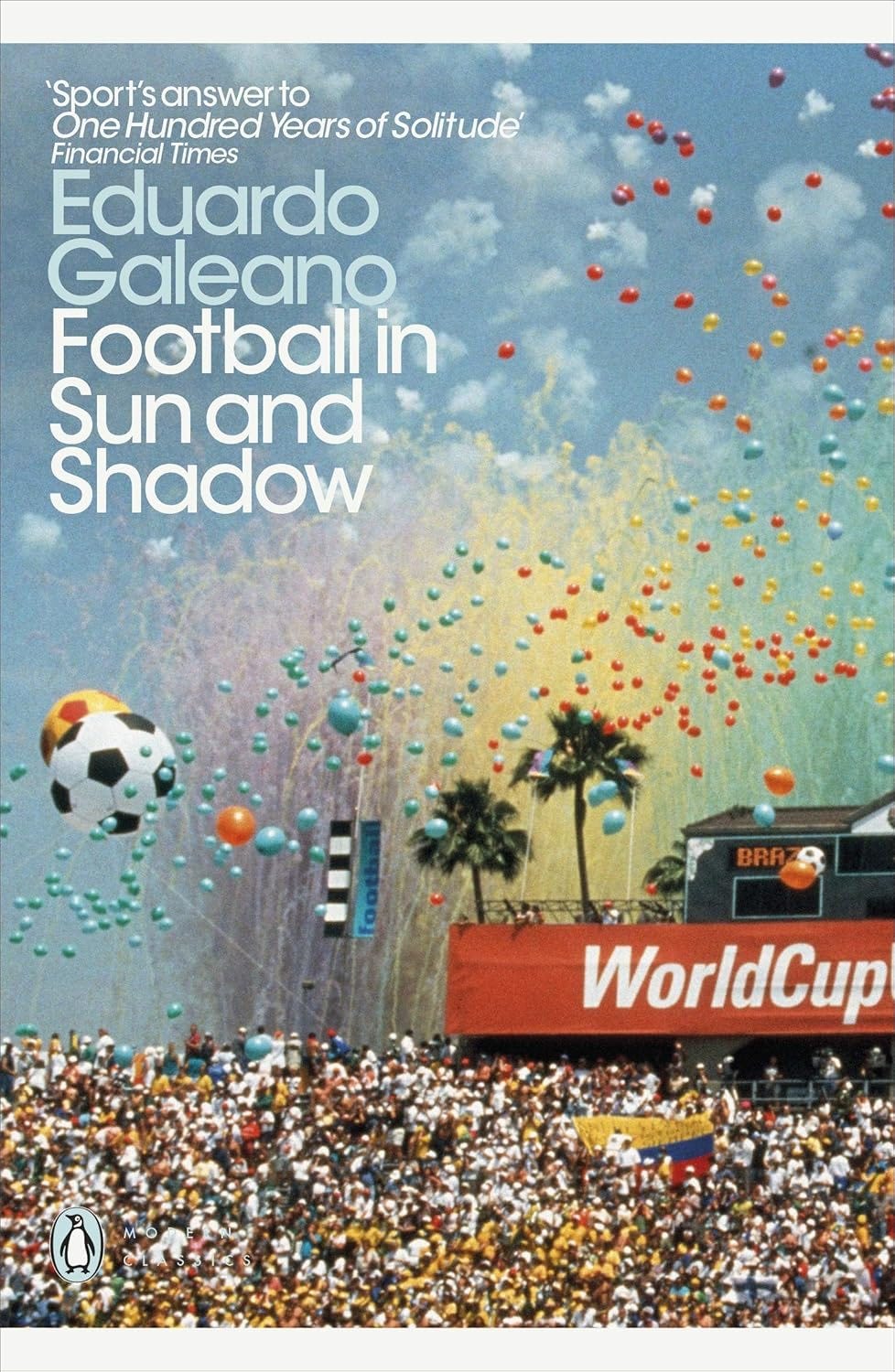
Football in Sun and Shadow by Edward Galeano (1995)
This unashamedly emotional history of football is a homage to the romance and drama, spectacle and passion of a 'great pagan mass'. Through stories of superstition, heartbreak, tragedy, luck, heroes and villains, those who lived for football and those who died for it, Eduardo Galeano celebrates the glory of a game that - however much the rich and powerful try to control it - still retains its magic.
[UK] Penguin Modern Classics | 272 pages | translated by Mark Fried
[US] Bold Type Books | 320 pages | translated by Mark Fried | introduced by Rory Smith | as Soccer in Sun and Shadow
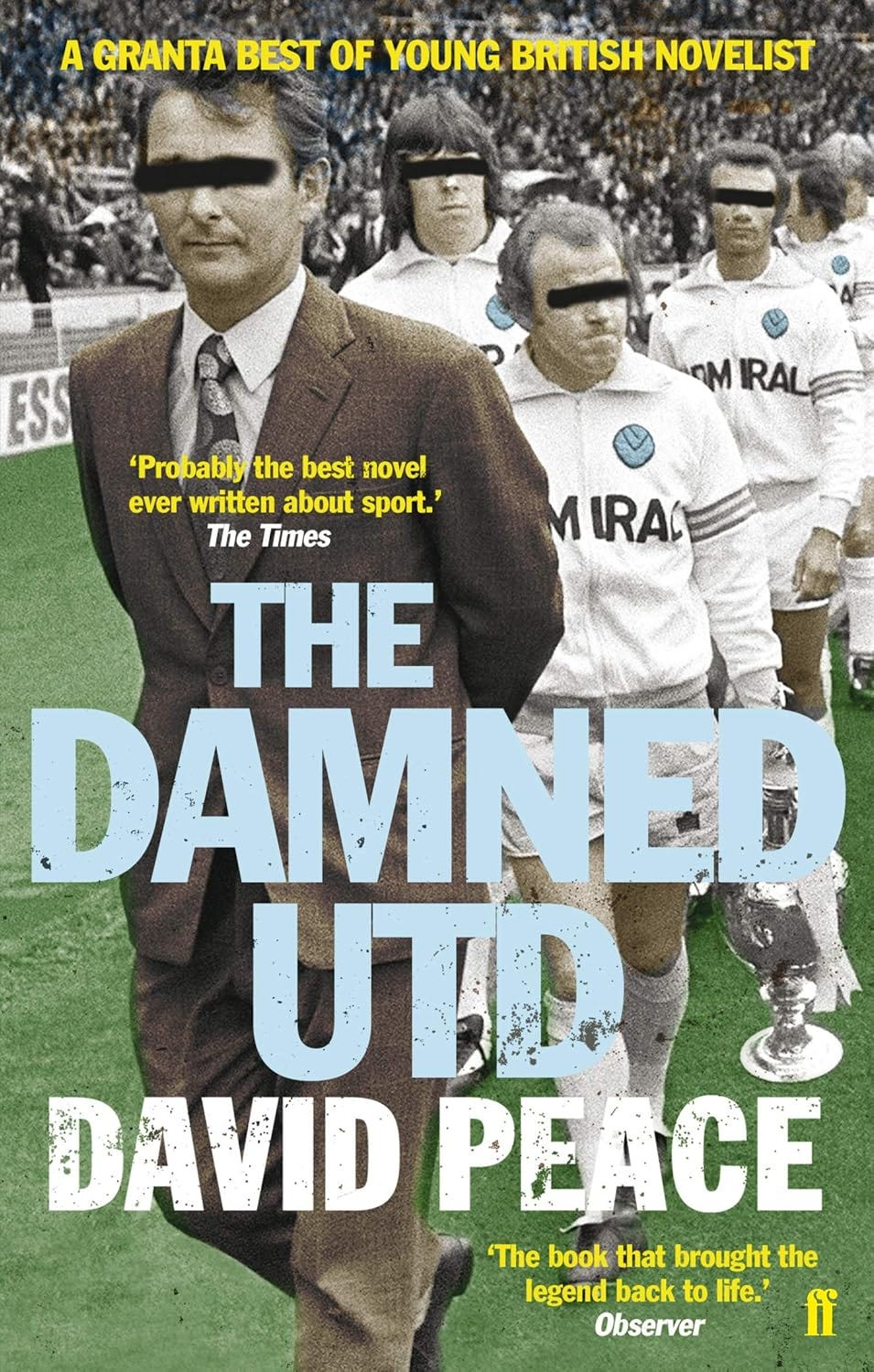
The Damned United by David Peace (2006)
In 1974 the brilliant and controversial Brian Clough made perhaps his most eccentric decision: he accepted the position of Leeds United manager. A successor to Don Revie, his bitter adversary, Clough was to last just 44 days. In one of the most acclaimed British novels of recent years – subsequently made into a film starring Michael Sheen – David Peace takes us into the mind and thoughts of Ol’ Big ’Ead himself, and brings vividly to life one of football’s most complex and fascinating characters.
[UK] Faber & Faber | 368 pages
The book descriptions above are taken from the publishers’ online blurbs.
In other news, today was Blaise Pascal’s birthday. He was born on this day in 1623, 403 years ago.
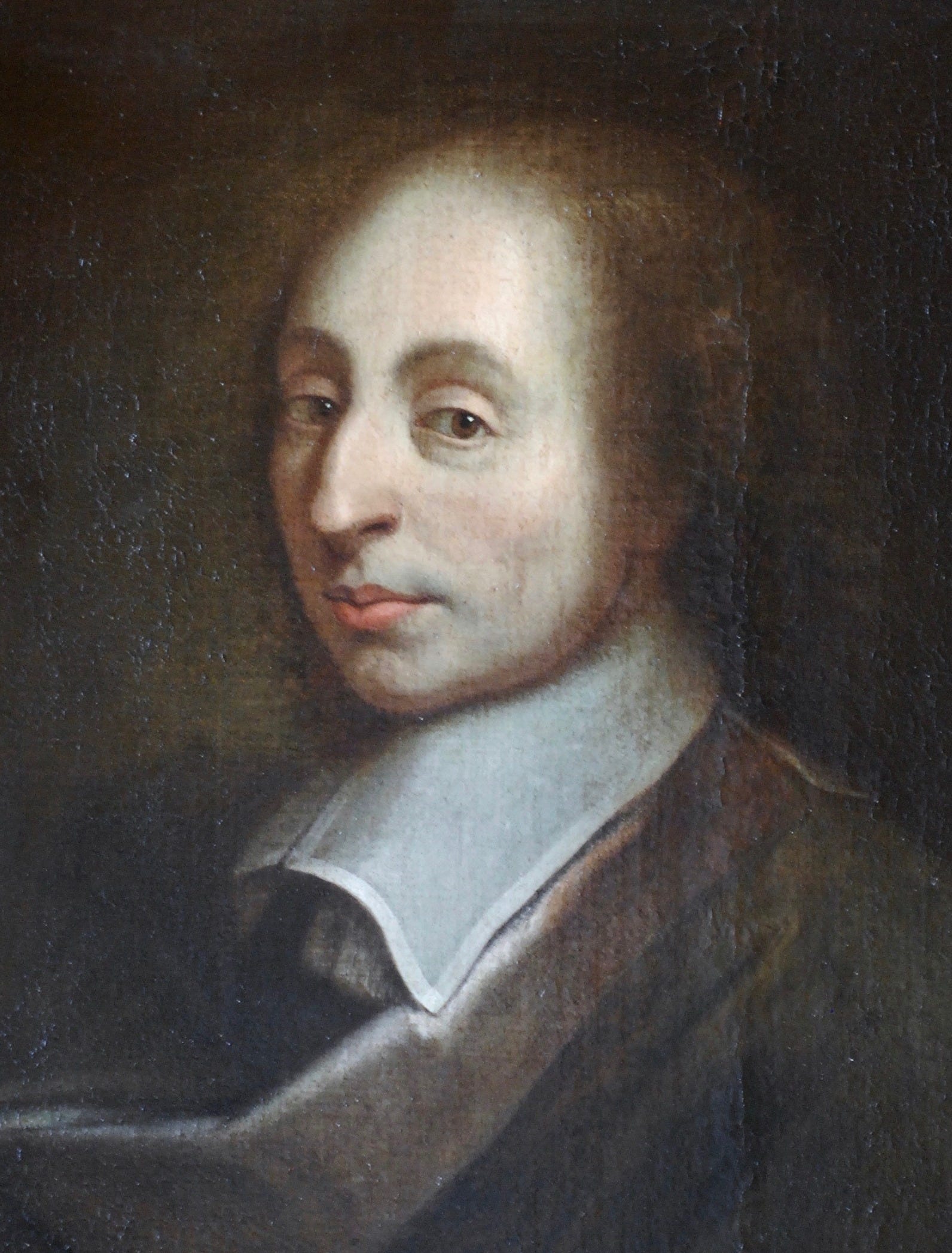
Pascal was a French child genius. As a teenager he invented a mechanical calculator and made important contributions to fluid dynamics. He advanced projective geometry and probability theory and wrote an important treatise on the arithmetical triangle. He also devised and set up the first public transport system in Paris. Following a religious experience in 1654, he became a committed Jansenist, writing the Pensées and the anti-Jesuit Provincial Letters. The SI unit of pressure is named after him.
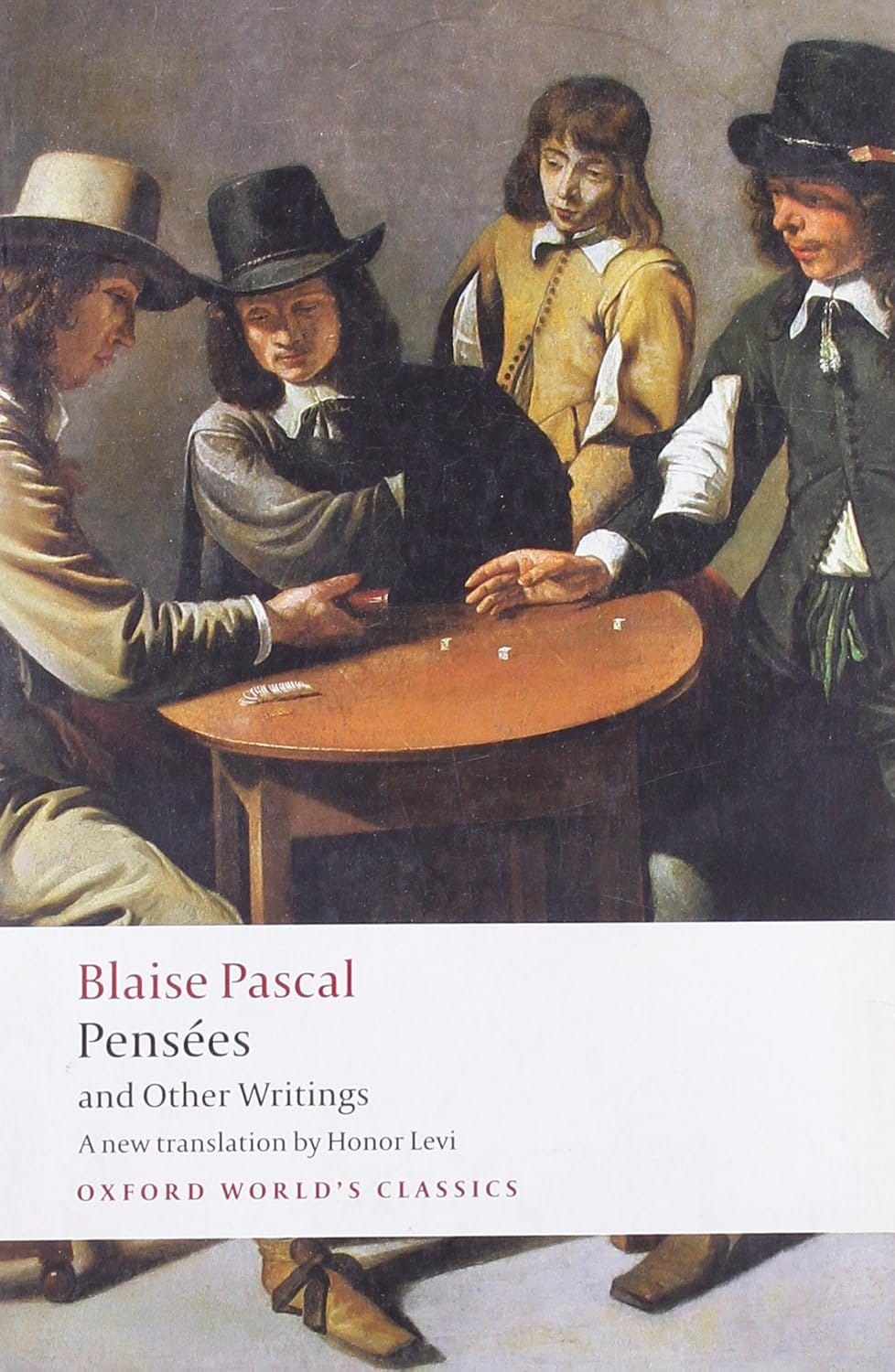
Pensées and Other Writings by Blaise Pascal (17th century)
For much of his life, Pascal worked on a magnum opus which was never published in its intended form. Instead, he left a mass of fragments, some of them meant as notes for the Apologie. These were to become known as the Pensées, and they occupy a crucial place in Western philosophy and religious writing. Pascal’s general intention was to confound scepticism about metaphysical questions. Some of the Pensées are fully developed literary reflections on the human condition, some contradict others, and some remain jottings whose meaning will never be clear. The most important are among the most powerful aphorisms about human experience and behaviour ever written in any language.
[UK / US] Oxford World’s Classics | 320 pages | translated by Honor Levi | introduced by Anthony Levi
For a sneak preview of our upcoming monthly read-alongs, take a peak here. I’ve just added our December read-along to the list!
If you’re near Worcestershire on Friday 26 June, come to the Evesham Festival of Words! I will be speaking at 3.30pm about the history of the Penguin Classics series, which marks its 80th anniversary this year. Here are all the details.

And then if you’re in London on Sunday 12 July, it would be lovely to see you at the glorious Idler Festival at Fenton House in Hampstead. I will be leading a guided walk of literary Hampstead at 12 noon on the Sunday. Here are the details.
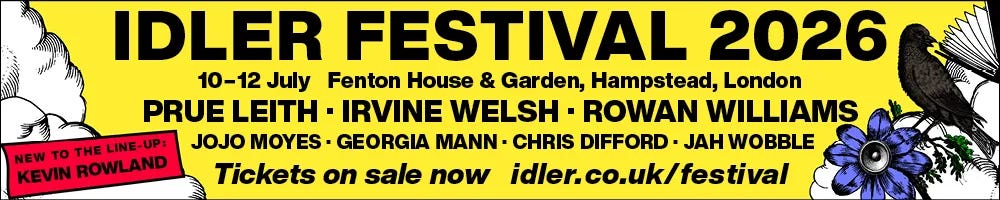

And speaking of the Idler magazine, I’m delighted to say I have an article in the current issue about the different translations of Homer’s Odyssey. I’ve even got a spot on the front cover, alongside John and Paul!
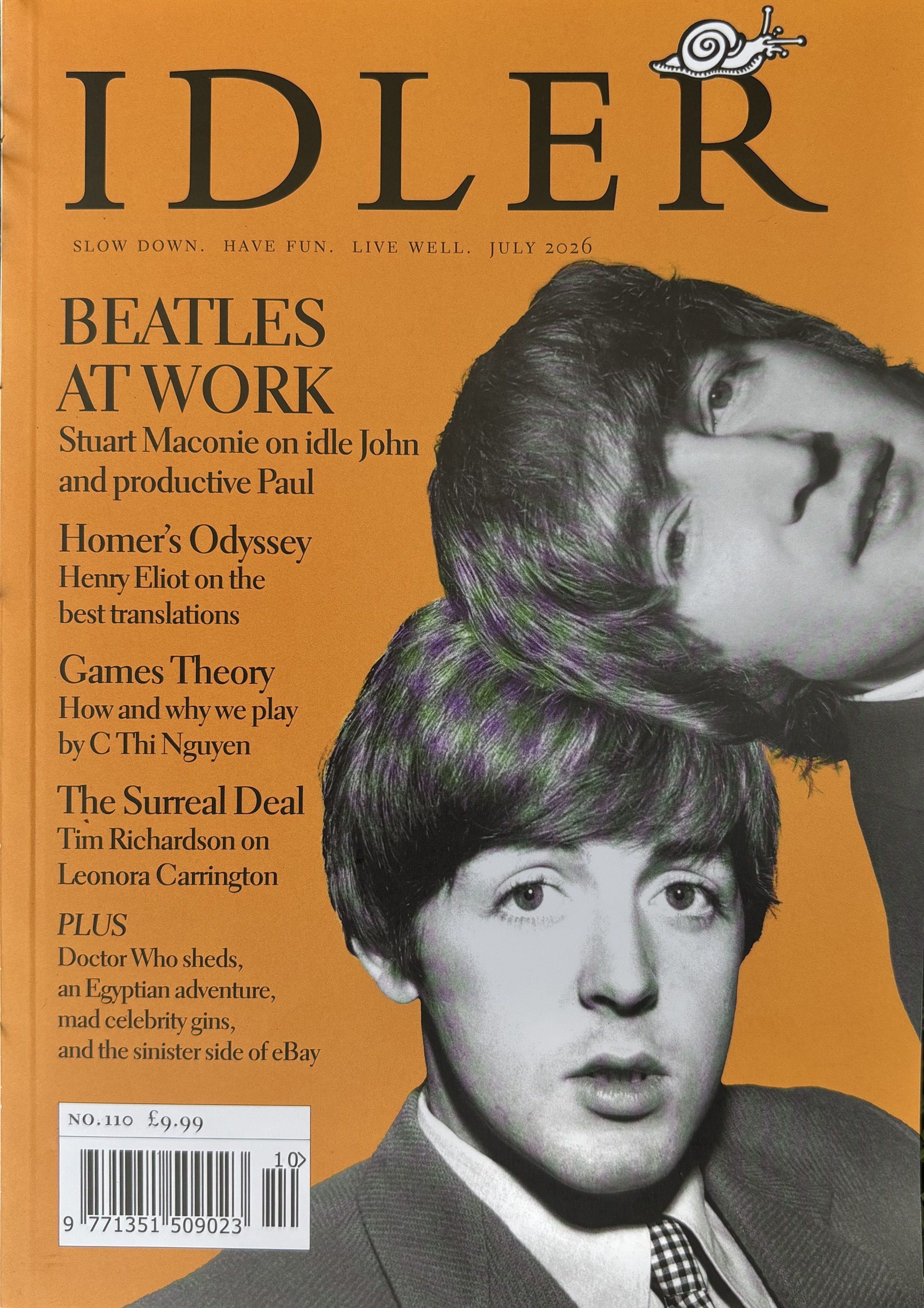
I’m in excellent company in this issue, alongside Mark Vernon, Alex Johnson, David Bramwell, ella berthoud, Rachel Kelly and many others.
You can get your copy from all good newsagents – or directly from the Idler here.
And if you’re enjoying our read-alongs, why not treat yourself to the Hatchards Classic Book Club annual book subscription?
You (or a friend) can receive all the books we read each month here on Read the Classics, beautifully gift-wrapped and delivered to your door, anywhere in the world, as well as a year’s complimentary subscription to Read the Classics, so you can choose to read along with us, if you wish.

To find out more, follow this link or email Hatchards directly: subscriptions@hatchards.co.uk

Comments
Nothing yet. Say the first thing.
Sign in to join the conversation.